| If you hear the term “longevity” and think only about living longer, you’re missing half the point. “What we actually want is both more years and more of those years lived in good health,” says Dr. David Barzilai, a longevity physician and the medical editor of Harvard Health Publishing’s Special Health Report Pathways to Longevity. “Almost no one wants additional years of frailty and dependence; they want more years of feeling well, moving freely, thinking clearly, and staying engaged with the people and work they love.” To that end, recent years have seen an explosion in interest in longevity and healthy aging, largely driven by “science that’s genuinely more exciting than it was a decade ago,” says Dr. Barzilai, also a lecturer at Harvard Medical School. | |||||
Lifestyle integral to longevity
While it’s clear that genetics play a role in living longer and staying healthy, lifestyle appears to be just as important. Five lifestyle patterns consistently show up in longevity research: movement, nutrition, sleep, stress management, and social connection.
“Good health is surprisingly unglamorous,” Dr. Barzilai says. “What matters most are the basics people already know about but rarely execute consistently over decades. There is no magic to it.”
Here, Dr. Barzilai expands on each of the five pillars of longevity.
Movement
Movement is the closest thing people have to a “master signal,” he says. “It improves nearly every system at once, from insulin sensitivity to brain health to bone density. And cardiorespiratory fitness is one of the strongest predictors of mortality we have ever measured.”
Dr. Barzilai recommends combining various forms of movement to maximize health, including twice-weekly resistance training and 150 minutes of moderate or 75 minutes of vigorous aerobic activity each week. “And everyday movement counts on its own,” he says. “Breaking up long stretches of sitting with two to three minutes of light activity measurably improves glucose and blood-pressure responses.”
Nutrition
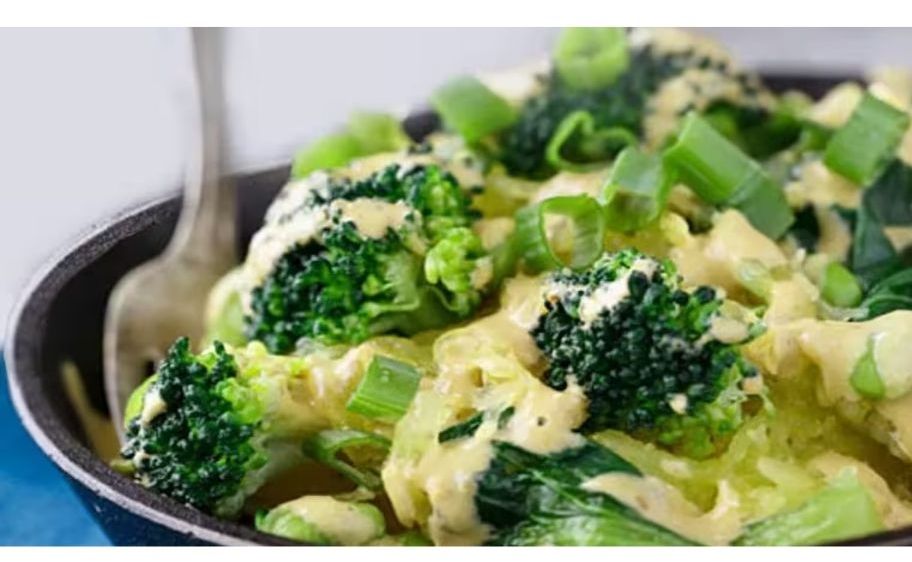
Nutrition shapes the metabolic environment our cells live in day to day, governing blood glucose, inflammation, and the raw materials for muscle and repair, Dr. Barzilai says.
Healthspan vs. Lifespan
We’re living longer than ever—but are we living well?
Harvard Medical School’s Special Health Report, Pathways to Longevity, looks beyond “anti aging” hype to share what science really says about extending your healthspan—the years you stay strong, independent, and mentally sharp.
From nutrition and movement to sleep, stress, social connection, and the latest longevity drugs, this report turns complex research into clear, practical steps you can start now.
“The principles that have held up across decades of research are unglamorous and durable: build meals around whole foods,” he explains. “Get enough protein, which becomes more important, not less, as you age. And avoid the large blood glucose spikes you get from refined carbohydrate eaten on its own, which in practice means anchoring meals with protein, healthy fats, and fiber.”
Sleep
Sleep is fundamental to longevity because that’s when the body takes care of essential maintenance — clearing metabolic waste from the brain, consolidating memory, and resetting the hormones that govern appetite and stress, Dr. Barzilai says.
Experts recommend adults get seven to eight hours each night. Research also shows that consistency matters more than quantity. “That is encouraging,” he says, “because a steady wake time, weekends included, is something most people can actually manage.”
Stress reduction
Stress itself isn’t a problem, since our body’s acute stress response — which sharpens focus and fuels energy levels — can protect us from genuine threats.
“The trouble comes when it never switches off,” Dr. Barzilai says. “Chronic stress holds the body in a low-grade alarm state that, over years, wears on the cardiovascular and immune systems, disrupts sleep and metabolism, and appears to accelerate several of the underlying processes of aging.”
The most dependable ways to regulate stress are physical and social rather than purely mental, he says. “People reach for a relaxation app and overlook that movement, sufficient sleep, exposure to daylight, and time with people they trust are often the more powerful levers. Regular exercise in particular is one of the best-validated stress and mood interventions we have.”
Social connection
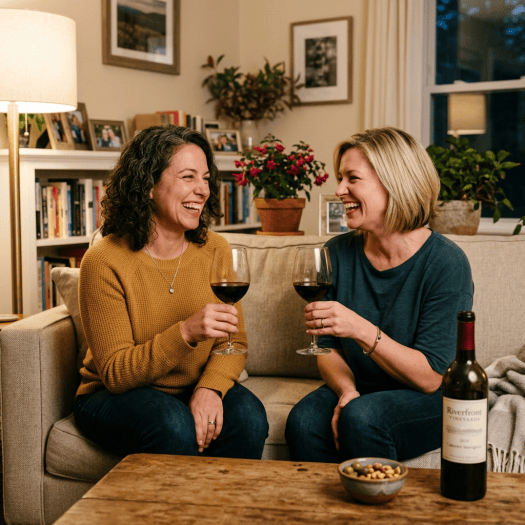
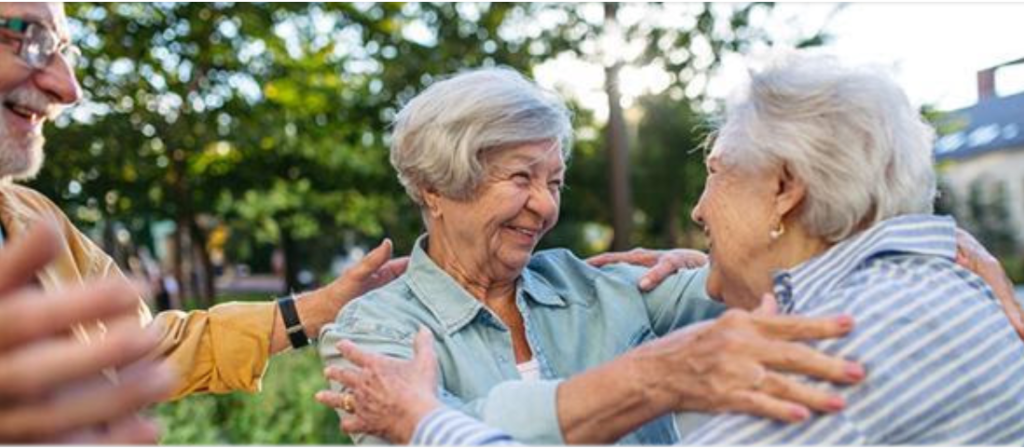
Social connection is probably the longevity pillar people neglect most, Dr. Barzilai says. “People will track their macros and their step count to the decimal and never think to protect their friendships with the same intentionality, even though the survival data on relationships rival the data on much of what they are measuring,” he says.
If you’re feeling isolated, try to make connecting with others a regular commitment rather than a grand gesture, he says. “Begin with one recurring, low-pressure point of contact: a standing weekly call with one person, a class or volunteer commitment that puts you in the same room with the same faces again and again, a daily walk somewhere you will see neighbors. Pick one recurring contact and protect it like an appointment, and treat a few real relationships with the same seriousness you would give your blood pressure or your exercise.”
| Which pillar of longevity is most important?The habits most strongly linked to living a longer, healthier life are also some of the simplest: move regularly, eat well, sleep sufficiently, manage stress, and stay connected to others. But which one counts most? It’s impossible to gauge, says Dr. David Barzilai, a longevity physician and lecturer at Harvard Medical School.“How much each pillar matters depends heavily on where a given person is starting from,” he says. “For someone sedentary, adding movement is transformative. For someone running on five ragged hours of sleep, fixing sleep will do more than another workout. For someone isolated, rebuilding connection may be the highest-yield change of all.”“What I can say with confidence is that the most underrated pillar is social connection, and the most foundational day to day are sleep, physical activity, and nutrition, since they are the ground the others stand on,” Dr. Barzilai adds. “But the useful question is not which pillar wins in the abstract. It is which one you are personally weakest in right now, because that is where your next improvement will pay off most.” |