Our best balance boosters #physiotherapy😉 @HarvardHealth

harvard balance boosters

Harvard Health
@HarvardHealth

Our best balance boosters. bit.ly/2rkMG0N #HarvardHealth

Image: Jacob Ammentorp Lund/iStock

Many older adults focus on exercise and diet to stay healthy. But one of the worst offenders to health—poor balance—is often an afterthought. “I see a lot of older adults who are nonchalant about balance,” says Liz Moritz, a physical therapist at Harvard-affiliated Brigham and Women’s Hospital.

Unfortunately, imbalance is a common cause of falls, which send millions of people in the United States to emergency departments each year with broken hips and head injuries. But there are many things you can do to improve your balance. The strategies below are some of the most effective.

Physical therapy

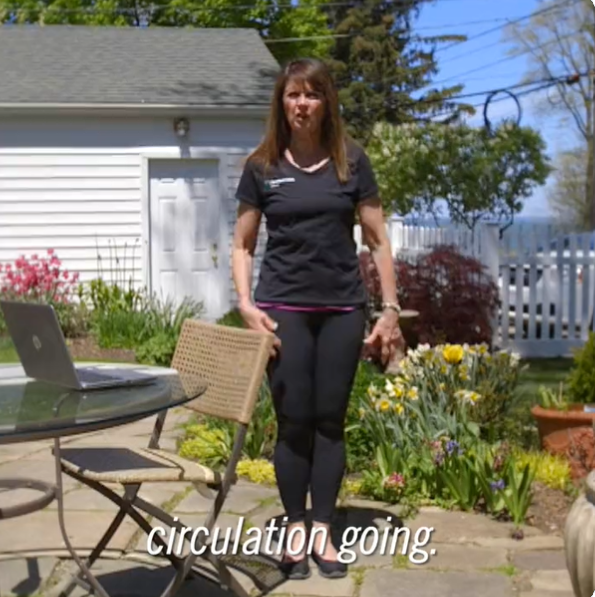
Physical therapy for balance focuses on the ability of the joints and brain to communicate, the balance system in the ear (the vestibular system), and vision. “We coordinate all three with exercises such as standing on one foot, first with the eyes open, and then with the eyes closed. We also work on joint flexibility, walking, and lower-extremity exercises on one or two legs,” says Moritz. Other exercises that boost balance include chair stands (see “Move of the month”) and squats. Make sure you get training before attempting these exercises at home.

Muscle strengthening

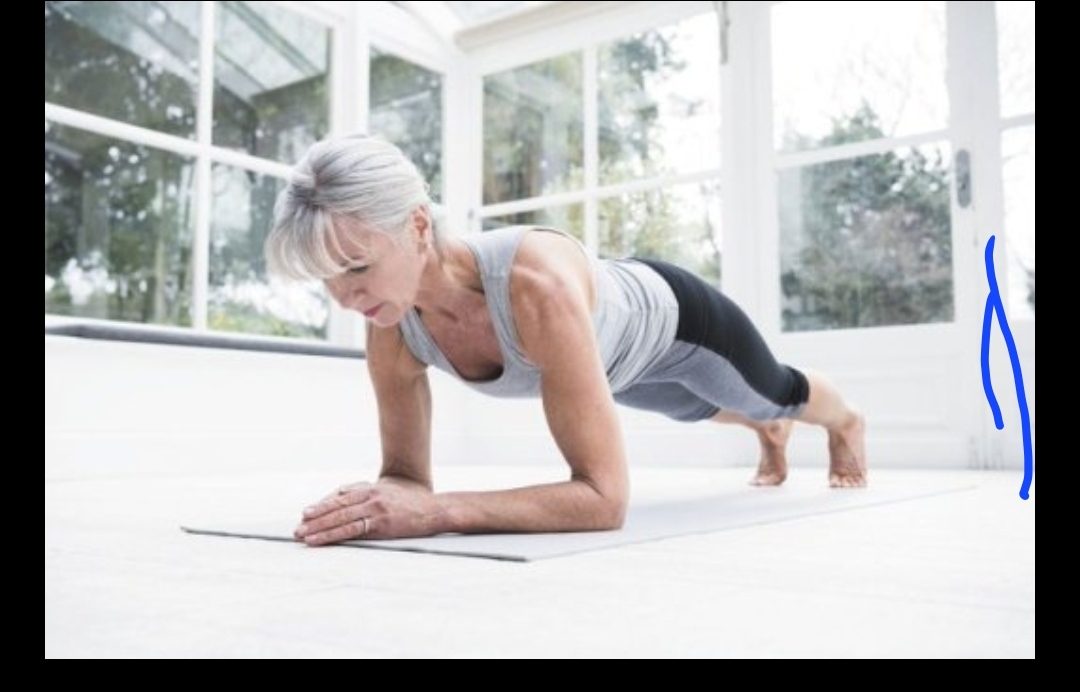
“Core strength is very important for balance. If the abdominal muscles in your core are weak, they cannot support your limbs, especially when you’re walking. If the gluteal muscles in your buttocks and hips aren’t strong, they won’t be able to propel you forward,” says Moritz. Muscle strengthening can help. Moritz suggests starting with gentle core exercises like a pelvic tilt (lie on the floor with your knees bent up, then roll your pelvis up) and then moving to more intense exercises such as wall planks (stand six inches from a wall, keeping your body rigid, then lean forward with your forearms flat against the wall, and hold the position for 20 seconds). Leg lifts will strengthen the gluteal muscles, and adding resistance bands to leg lifts makes the exercise even more effective.

Tai chi and yoga

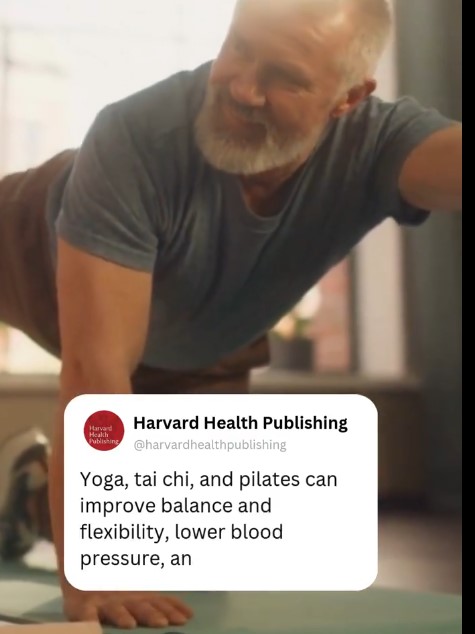
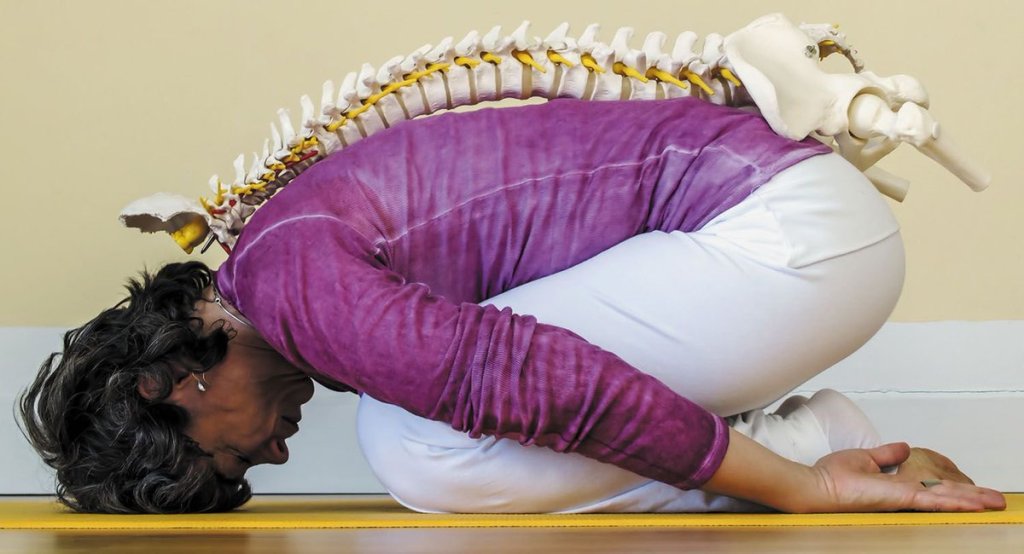
“Tai chi and yoga are exercises that make you pay attention to the control and quality of movement, rather than the quantity, which improves your balance,” says Moritz. In tai chi, you practice slow, flowing motions and shift your weight from one limb to another. Yoga incorporates a series of focused postures and breathing. Both exercises increase flexibility, range of motion, leg and core strength, and reflexes. The result: you become better at balancing in a number of different positions, which helps you avoid falling if you encounter uneven pavement or obstacles in your path.

Vision correction

“If you can’t see where you’re going, your fall risk goes up,” says Moritz. “A lot of people I treat for balance are here be-cause they tripped when they didn’t see something on the floor.” The fix may be as simple as a new eyeglasses prescription. Get a comprehensive, dilated eye exam every one or two years if you’re 65 or older, every one to three years if you’re age 55 to 64, and every two to four years if you’re 40 to 54. If you have an increased risk for other eye conditions, you may need an eye exam more often.

Assistive walking devices

A cane or a walker can complement your balance and give you more stability and confidence walking. But don’t buy a device on your own. “If it’s too high or too low, that can cause a fall. You need to get it measured, and you need training to learn how to use it,” says Moritz. Training takes just a few physical therapy sessions. Walkers are available with wheels intended for different terrain, lockable brakes, seats, baskets, and other features such as headlights. Canes are available with various handgrips and bases.

https://www.health.harvard.edu/staying-healthy/our-best-balance-boosters?utm_content=bufferbc3b8&utm_medium=social&utm_source=facebook&utm_campaign=buffer

Get Happy – Why Exercise Can Lift Your Mood @ClevelandClinic #physicalactivity

Here’s a fact that may surprise you: By the year 2020, depression is projected to be a leading social and economic burden worldwide — second only to coronary artery disease! Psychotherapy and antidepressants are effective but aren’t for everyone.

But there’s another treatment for depression that’s free and available to everyone: exercise. It will also lower your blood pressure, improve your cholesterol profile, help control blood sugar, and reduce your risk of heart disease, diabetes and common cancers. And, of course, help you achieve or maintain a healthy weight.

https://health.clevelandclinic.org/2016/03/get-happy-exercise-can-lift-mood-infographic/?

Our best balance boosters #physiotherapy😉 @HarvardHealth

harvard balance boosters

Harvard Health
@HarvardHealth

Our best balance boosters. bit.ly/2rkMG0N #HarvardHealth

Image: Jacob Ammentorp Lund/iStock

Many older adults focus on exercise and diet to stay healthy. But one of the worst offenders to health—poor balance—is often an afterthought. “I see a lot of older adults who are nonchalant about balance,” says Liz Moritz, a physical therapist at Harvard-affiliated Brigham and Women’s Hospital.

Unfortunately, imbalance is a common cause of falls, which send millions of people in the United States to emergency departments each year with broken hips and head injuries. But there are many things you can do to improve your balance. The strategies below are some of the most effective.

Physical therapy

Physical therapy for balance focuses on the ability of the joints and brain to communicate, the balance system in the ear (the vestibular system), and vision. “We coordinate all three with exercises such as standing on one foot, first with the eyes open, and then with the eyes closed. We also work on joint flexibility, walking, and lower-extremity exercises on one or two legs,” says Moritz. Other exercises that boost balance include chair stands (see “Move of the month”) and squats. Make sure you get training before attempting these exercises at home.

Muscle strengthening

“Core strength is very important for balance. If the abdominal muscles in your core are weak, they cannot support your limbs, especially when you’re walking. If the gluteal muscles in your buttocks and hips aren’t strong, they won’t be able to propel you forward,” says Moritz. Muscle strengthening can help. Moritz suggests starting with gentle core exercises like a pelvic tilt (lie on the floor with your knees bent up, then roll your pelvis up) and then moving to more intense exercises such as wall planks (stand six inches from a wall, keeping your body rigid, then lean forward with your forearms flat against the wall, and hold the position for 20 seconds). Leg lifts will strengthen the gluteal muscles, and adding resistance bands to leg lifts makes the exercise even more effective.

Tai chi and yoga

“Tai chi and yoga are exercises that make you pay attention to the control and quality of movement, rather than the quantity, which improves your balance,” says Moritz. In tai chi, you practice slow, flowing motions and shift your weight from one limb to another. Yoga incorporates a series of focused postures and breathing. Both exercises increase flexibility, range of motion, leg and core strength, and reflexes. The result: you become better at balancing in a number of different positions, which helps you avoid falling if you encounter uneven pavement or obstacles in your path.

Vision correction

“If you can’t see where you’re going, your fall risk goes up,” says Moritz. “A lot of people I treat for balance are here be-cause they tripped when they didn’t see something on the floor.” The fix may be as simple as a new eyeglasses prescription. Get a comprehensive, dilated eye exam every one or two years if you’re 65 or older, every one to three years if you’re age 55 to 64, and every two to four years if you’re 40 to 54. If you have an increased risk for other eye conditions, you may need an eye exam more often.

Assistive walking devices

A cane or a walker can complement your balance and give you more stability and confidence walking. But don’t buy a device on your own. “If it’s too high or too low, that can cause a fall. You need to get it measured, and you need training to learn how to use it,” says Moritz. Training takes just a few physical therapy sessions. Walkers are available with wheels intended for different terrain, lockable brakes, seats, baskets, and other features such as headlights. Canes are available with various handgrips and bases.

https://www.health.harvard.edu/staying-healthy/our-best-balance-boosters?utm_content=bufferbc3b8&utm_medium=social&utm_source=facebook&utm_campaign=buffer

Muscles in your body are a use-or-lose proposition. You need to use them to keep them strong!@ClevelandClinic

cleveland muscles

Cleveland Clinic
@ClevelandClinic

Muscles in your body are a use-or-lose proposition. You need to use them to keep them strong!

You may not realize it, but we all start losing 1 percent of muscle mass each year after age 30. That’s why your diet in later years should not look the same as it did when you were younger, says endocrinologist Susan Williams, MD.

Skipping breakfast, eating fast food and being inactive in your 20s and early 30s might not hurt your health in the short term. However, poor nutrition and lifestyle habits take their toll over time.

People who embrace good habits early on really get ahead of the game, Dr. Williams says. But it’s never too late to start eating better and taking better care of your body.

Whether you’re 30 or 50, Dr. Williams offers three important tips to get started in eating right when you are thinking about your long-term health.

RELATED: Do You Know How Much Exercise You Really Need? 

1. Keep your weight in check

A roller coaster of weight gain and loss can change your body composition and leave you with more fat mass and less lean muscle mass.

2. Eat three balanced meals a day

You also want to limit your snacks in between. The word “balanced” is especially important because eating a wide variety of foods will help you prevent nutritional deficiencies.

Dr. Williams suggests this simple shopping list:

  • Lean proteins. Choose chicken, white fish, oily fish like salmon, eggs, tuna fish and red meat (less frequently than other protein).
  • Whole grains. This includes multigrain breads, and long-cooking rice or oats.
  • Veggies. Go for fresh or fresh frozen. Choose what’s in season and enjoy a variety to get the vitamins and minerals your body needs.
  • Fruit. Fresh fruit is best, followed by frozen. Canned fruit can be OK, but choose options in light syrup or water. Check the label and avoid added sugar.
  • Dairy. Choose milk, yogurts, cheeses and cottage cheese that are low-fat or fat-free.

Steer clear of cookies, cakes, pies, ice creams, juices and rich desserts. If that sounds like no fun, Dr. Williams advises treating these foods as treats. Save them for dining out or special occasions, but don’t make them part of your daily diet.

RELATED: Which Bread Is Best For You — Whole-Grain, Multigrain or Whole Wheat?

3. Use your muscles

Eating protein and being physically active are equal partners in the quest for maximum health, Dr. Williams says. Muscles are made of protein, but simply eating protein is not enough to save them.

“Muscles in your body are a use-or-lose proposition,” she says. “You need to use them to keep them strong.”

Can’t carve out time for the gym? Try this daily routine:

  1. In the morning, stretch for 10 minutes.
  2. At lunch, eat and then walk for 10 minutes.
  3. After dinner, spend 10 minutes with stretch bands or light weights.

Even a half hour of physical activity can make a world of difference, especially if you make it a habit in your 30s. “Don’t let your weight creep up while your muscle mass creeps down over your 30s and 40s,” Dr. Williams says. The longer you wait, the harder it will be to get started — and the more muscle you will have already lost.