Alcohol has risks. We must all aim to minimise those risks. @DrPaddy_Barrett preventative cardiologist @HealthBlackrock

Let’s start with some simple facts.
Alcohol is a toxin.
Alcohol is a factor in1:
30% of suicides
40% of fatal burn injuries
50% of fatal drownings
50% of homicides
65% of fatal falls
29% of fatal road traffic accidents
Globally, alcohol is responsible for 3 million deaths per year; in the United States, it is the third leading cause of preventable death2 3.
It is hard to see the upside when you see these figures.
So let’s go a little deeper.
First off, I drink alcohol. Not a lot. But I do drink.
So any comments made here are not some puritanical position on alcohol but reflections on the data that exist in the literature.
Multiple studies have demonstrated that excess alcohol consumption, usually defined as consuming greater than 2 to 4 drinks per day, is associated with worse outcomes and a greater likelihood of dying when compared to someone who drinks less than 2 to 4 drinks per day4.

Alcohol Dosing and Total Mortality in Men and Women: An Updated Meta-analysis of 34 Prospective Studies. Arch Intern Med.2006

In the study shown above, females start to accrue an increased risk at greater than two drinks per day on average and males at greater than four drinks per day.

These findings shouldn’t come as a surprise to anyone.

Surprisingly, on average, individuals who consume less than two drinks per day appear to have better outcomes than those who do not drink at all. This is where things start to get a little counterintuitive, and the story of alcohol being beneficial for you starts to appear.

This relationship is known as a ‘U’ shaped curve where those in the middle have the best outcomes, and those on the edges have worse outcomes. A kind of ‘Goldilocks’ relationship; “Not too hot. Not too cold. Just right.”

How might we explain this?

Enter the darling of the 1990s, Resveratrol. This compound in red wine spawned the mantra that red wine was ‘good for your heart’. This was based on research that suggested that it might reduce cholesterol levels, among other things.

But to consume the levels of Resveratrol tested in some of the animal studies that demonstrated benefit, you would have to drink 40 litres of wine…… Per day.

Not exactly a feasible strategy. Even with the best will in the world.

Let’s look at a more plausible explanation.

Data on alcohol consumption and outcomes are almost always based on observational data, not randomised controlled trials. This means that other factors or ‘confounders’ may explain the difference between the groups, not the alcohol consumption alone.

When you look at the trials that suggest a benefit of modest alcohol consumption, you will often find that this group tend to exercise more, smoke less, be in a higher socioeconomic bracket etc. This is referred to as a ‘healthy user bias’ and is likely to explain the difference between the groups.

Most trials try to correct or adjust for these confounders, but in truth, it is very hard to do. A recent publication looked at this problem and attempted to (as much as possible) correct for these ‘healthy user’ bias factors and then compare outcomes between alcohol consumption groups. The results were a little more in line with what we might expect.

Those in the lowest alcohol consumption category had the best lifestyle factors overall. When these healthy factors were corrected for, any benefit seen with modest alcohol consumption disappeared. What remained was a linear relationship between alcohol consumption and coronary artery disease5. Much more what you might expect.

Association of Habitual Alcohol Intake With Risk of Cardiovascular Disease. JAMA Netw Open. 2022

Research like this and other studies is where the more recent media reports of ‘any’ alcohol being bad for you have come.

So, alcohol is a toxin. But, as Paracelsus notes:

“The dose makes the poison.”

Even water consumed to excess can be lethal.

We know that excess alcohol consumption is harmful. But I don’t think there was any great uncertainty around that point.

The key takeaway is that modest alcohol consumption is unlikely to be ‘beneficial’ to you. As much as you loved the idea that red wine was good for your heart, we can say with reasonable confidence that this is not the case.

The real question we need to answer is whether consuming modest amounts of alcohol is considerably worse for you when it comes to heart disease and death from any cause.

Based on the literature to date, it seems that the incremental risk for modest amounts of weekly alcohol consumption is likely to be small. But that doesn’t mean there are no downsides.

Sleep

One of the main reasons I significantly reduced my alcohol consumption was its effect on my sleep. If I drink more than one drink, I find that the quality of my sleep gets worse. I am much more likely to wake in the middle of the night and feel the effects the following day. But that’s just my personal experience.

Although alcohol is likely to make you fall asleep faster, it impacts your sleep quality6. Additionally, alcohol also reduces the percentage of REM sleep a person gets overnight7.

A workaround for me is to consume any alcohol during the daytime, so my sleep is unlikely to be affected, and if I am going to have a drink, I make sure it is worthwhile. I.e. I am with friends, or it is a high-quality drink. No more drinks on airplanes for me. Mainly because you lose about 30% of your sense of smell and taste in a pressurised cabin and therefore you are less likely to enjoy your drink8. Why do you think they serve you tomato juice and the fact that you think it’s tolerable?!

Humans have been consuming alcohol as far back as the ancient Egyptians, and some evidence suggests the Chinese were consuming alcohol as far back as 7000 B.C. So I don’t see alcohol disappearing any time soon.

The question we all need to ask is:

How much are we realistically drinking on a daily or weekly basis &

Is it likely to be doing us harm?

Only you can answer that question.

The only way to be certain you are doing no harm is to eliminate alcohol entirely. But life is full of risks, some of which we can control, some we cannot.

And some risks are worth taking.

Want to eliminate all road traffic accidents worldwide?

Simple.

Ban cars.

But at what cost?

The risks of driving are a risk most of us are willing to take.

Alcohol has risks.

We must all aim to minimise those risks.

Whatever that means for you, only you can decide.

1

https://www.rethinkingdrinking.niaaa.nih.gov/How-much-is-too-much/Whats-the-harm/What-Are-The-Consequences.aspx

2

Mokdad, A.H.; Marks, J.S.; Stroup, D.F.; and Gerberding, J.L. Actual causes of death in the United States, 2000. JAMA 291(10):1238–1245, 2004. Erratum in JAMA 293(3):298, 2005.

3

Centers for Disease Control and Prevention (CDC). Alcohol and Public Health: Alcohol-Related Disease Impact (ARDI). Annual Average for United States 2011–2015 Alcohol-Attributable Deaths Due to Excessive Alcohol Use, All Ages.

4

Alcohol Dosing and Total Mortality in Men and Women: An Updated Meta-analysis of 34 Prospective Studies. Arch Intern Med.2006;166(22):2437–2445. doi:10.1001/archinte.166.22.2437

5

Biddinger KJ, Emdin CA, Haas ME, et al. Association of Habitual Alcohol Intake With Risk of Cardiovascular Disease. JAMA Netw Open. 2022;5(3):e223849. doi:10.1001/jamanetworkopen.2022.3849

6

Britton, A., Fat, L.N. & Neligan, A. The association between alcohol consumption and sleep disorders among older people in the general population. Sci Rep 10, 5275 (2020). https://doi.org/10.1038/s41598-020-62227-0

7

Ebrahim IO, Shapiro CM, Williams AJ, Fenwick PB. Alcohol and sleep I: effects on normal sleep. Alcohol Clin Exp Res. 2013 Apr;37(4):539-49. doi: 10.1111/acer.12006.

8

Burdack-Freitag, Andrea & Bullinger, Dino & Mayer, Florian & Breuer, Klaus. (2010). Odor and taste perception at normal and low atmospheric pressure in a simulated aircraft cabin. Journal für Verbraucherschutz und Lebensmittelsicherheit. 6. 95-109. 10.1007/s00003-010-0630-y.

Tips and tricks for getting through the long, cold winter season with your nutrition intact:@ClevelandClinic

Here’s How to Make a Healthy Winter Meal Plan

Stay hearty and healthy no matter how cold it gets

Skies are gray, clouds are lowering and the temperature is dropping. And with the changing weather usually comes a transition in food, from the lighter fare of summer to more hearty winter meals.

But what’s the best way to make the switch and stay healthy? Should you really switch up your diet that much? And what’s the best way to adapt your meal planning during the coronavirus pandemic so you don’t have to leave your house as much for grocery runs?

To figure out the best way to approach your winter meal planning, we talked to registered dietitian Lisa Burnett, RD, about some important tips and tricks to getting through the long, cold season with your nutrition intact.

The most important nutrients

You’ve probably heard a lot about the need to up your vitamin D intake, especially during the winter. That’s because vitamin D not only is essential to muscle and bone health, deficiency in vitamin D has also been linked to decreased immunity and fatigue. And it’s harder to keep your vitamin D up in winter.

“We’re supposed to get most of our vitamin D from sunlight but there’s less sunlight in winter, especially in certain regions,” says Burnett. Certain foods like fortified dairy products and cold-water fish (like salmon and tuna) are good sources of vitamin D.

The bottom line, she says, is getting plenty of fruits, vegetables, whole grains and lean proteins. And it’s important to remember that even if the seasons change, your body still needs the same maintenance.

“While your tastes may change, your needs don’t change a lot in terms of the vitamins and nutrients you need,” she notes. “It’s always important to eat well and keep eating fruits and vegetables to get those vitamins and minerals.”

Packing in those nutrients

Other nutrients Burnett suggests getting in your regular cold season diet as it’s better for your body to absorb these through digestion than through supplements.

“Vitamin C can boost your immunity so it’s a great thing to include however if you’re getting two-to-three servings of fruit and three-plus servings of vegetables each day, you should be able to get adequate amount of vitamin C,” she says.

And getting those vegetables doesn’t mean you have to eat a huge serving, either. Generally, a half-cup is good.

Bell peppers are a good veggie source for vitamin C, Burnett says. And for fruits, the reliable citrus fruits are good sources as are cranberries, which are more in-season, especially during the holidays.

When the season gets colder and drier, many people complain of dry, itchy and flakey skin. vitamin E can reduce inflammation and can help skin health and if you’re keeping that fruit-and-veggie intake up, you should get plenty of that, too.

B vitamins are also important, she says, as they’re antioxidants and influence your energy and brain functions. “Your dark, leafy greens are good sources for those vitamins as are legumes, like beans and lentils,” she adds.

Speaking of tastes changing with the seasons, colder weather often brings on a wave of heartier, heavier foods. But, while these meals may be beloved cold-weather traditions, Burnett says to beware of starches.

Hearty versus healthy

“Winter squashes are considered vegetables, but, nutritionally, they look a lot more like starches,” she points out. “They do have vitamins and minerals but they also have a lot of carbohydrates.”

One way to moderate that intake, she says, is to make sure you include another vegetable into your meal plan instead of another starch. “For instance, if you’re eating chicken with butternut squash, have a salad on the side instead of bread or potatoes. That helps keeps down the starch portion of your plate.

Soups

Soups are very popular in winter for a variety of reasons: they’re easy to make, they warm you up in the cold, they can keep in your freezer or fridge and they offer a wide range of flavors and combinations.

But one thing you should be wary of, Burnett says, is sodium. “That high sodium content is always a fear with soups. If you check the labels of a lot of popular store-bought soups or soups you can buy at restaurants, they have those high sodium levels.”

Instead, she says, consider making your own soups. Not only can you make your own flavor combinations but you can ensure they’re healthier options. And when it comes to bases, she also suggests choosing broth over cream.

“In cream-based soups, you’ll have those saturated fats from whatever dairy was used to make that cream base,” she says. “A great idea is to use low-sodium broth and use real, fresh ingredients.”

One more advantage of soup? A welcomed versatility in a time of social isolation.

Long-term meals

Because of the ongoing pandemic, it’s best to minimize trips to the grocery store (to protect yourself) and minimize those grocery delivery orders (to protect workers). That makes long-term meal planning and meal freezing an overlooked yet key step to staying safe and nutritious this winter.

And that’s where soups can be a big help. Says Burnett, “Soups are great to freeze so they last a long period of time. You can always pair it with a salad or, if it’s a lean protein-based soup, it could be a whole meal by itself. That’s also true of stews, too, as long as you stick healthy, fresh ingredients.”

Burnett says that batch-cooking – cooking many meals in one batch – is a big plus for the winter. “You can make several plates of three or four meals, free them and then work through them over the course of a few weeks,” she says.

She adds that crockpots are a good way to prepare those batch-cooked meals. “With a crockpot, you not only can cook large portions to break up over time but you can also get in everything you need, from proteins to your vegetables with necessary nutrients and minerals.”

The one thing to keep an eye on, besides ingredients, is portion size, she adds. “Certain comfort foods, like lasagna, do well with freezing and keeping for a while. You just need to be aware of portion size and what other vegetables and food options you’re cycling in to go with it.”

Fruits and veggies: fresh, canned or frozen?

Fresh fruits and veggies are always the best options if you can swing it. But certain items may be out of season depending on the time of year. Or maybe you’re looking to minimize trips to the grocery store or get certain produce in bulk.

In that case, you’re faced with a decision: canned or frozen?

According to Burnett, go with frozen. “Frozen vegetables and fruit have come a long way. Steamer bags make it much easier and have helped improve the quality. And nutrient-wise, those frozen options are fairly comparable to the fresh options.”

With the canned options, you run into issues like higher sodium in canned vegetables and higher sugars in the syrup with canned fruits. “There are some options that are healthier, like low sodium canned vegetables,” she says, “but you’ll just need to keep an eye on the nutrition labels and looked for those added sugars and salt.”FACEBOOKTWITTERLINKEDINPINTERESTEmailmeal plannutrientsvitamin cvitamin D

Cleveland Clinic is a non-profit academic medical center. Advertising on our site helps support our mission. We do not endorse non-Cleveland Clinic products or services. Policy

ADVERTISING POLICY

ADVERTISING POLICY

ADVERTISING POLICY

ADVERTISING POLICY

Got a sore throat and cough? Research shows that honey can help soothe irritation thanks to its antimicrobial and anti-inflammation properties. @ClevelandClinic

Honey for Your Sore Throat and Cough

The natural at-home remedy can soothe irritation and decrease inflammation

t feels faint at first — there’s a little tickle or scratch at the back of your throat.

Then, it hurts or even burns when you swallow.

Ugh, you’ve got a sore throat, and a cough isn’t far behind.

You’re taking cough syrup and lozenges in an attempt to get some relief. But what about using honey for sore throat symptoms? Does this natural home remedy actually work to soothe a sore throat and cough?

Yes, says family medicine physician Elizabeth Rainbolt, MD.

Dr. Rainbolt explains how honey works and when and how to use it.

Honey for a sore throat

It’s common to get a sore throat every now and then. You may have a sore throat due to the following:

In addition to having other symptoms like nasal congestion, fatigue and fever, you may develop a cough.

Honey has a long history of being used as a natural remedy. And one remedy is to soothe sore throats and help alleviate a cough.

Research shows that honey has some antimicrobial and anti-inflammation properties. Honey can help by decreasing inflammation and irritation in your throat,” explains Dr. Rainbolt. “Another study shows that honey may reduce mucus secretion. So, you can use honey for cough symptoms as well, whether it’s a wet or dry cough.”

Is it safe for children?

Giving honey to a child under 1-year-old isn’t recommended, warns Dr. Rainbolt.

“There’s concern for an infant botulism, a serious illness that’s caused by Clostridium botulinum,” she continues. “While it’s a rare occurrence, honey can contain spores that cause botulism. It attacks the body’s nervous system and children under one are more vulnerable.”

How to use for a sore throat

Most sore throats tend to get better within a week, but during that time, adults can take a spoonful (about 1 teaspoon) of honey for a cough and sore throat.

You can also dilute half a teaspoon to 1 teaspoon of honey in warm water or tea. This method is also recommended for children older than 1.

“You can use it with any kind of herbal tea or warm water with lemon juice, which can be soothing as well,” says Dr. Rainbolt.

So, how often can you use this home remedy? Dr. Rainbolt recommends using honey no more than four or five times a day.

And part of that reasoning is that honey does contain sugar.

“If you’re concerned about your sugar intake, then I recommend using honey more sparingly,” she says. “I would just use it at night to give you some relief before you go to bed.”

And can you use both honey and traditional cold medicine?

Yes, says Dr. Rainbolt.

“If it seems like the honey isn’t helping on its own, then you can certainly do both honey and medication, if medicine is something that you are able to take,” she notes.

Is honey safe to use?

Honey can be a helpful tool for those who can’t take traditional cold medications — for example, children under 6 years old or individuals with health conditions like high blood pressure or cardiovascular disease.

Overall, honey can be a good way to help soothe your sore throat and cough. It doesn’t come with some of the side effects that over-the-counter medications have like drowsiness.

So, can you just buy any honey you see on the grocery store shelf?

Yes, but you might want to make sure it’s been pasteurized. The pasteurization process removes any crystallization and unwanted yeast. It also improves honey’s texture and color, while extending its shelf life.

Dr. Rainbolt also mentions that some people think using local honey, which tends to be unpasteurized or raw, can come with extra benefits.

“There’s a thought that if you use local honey, you are exposed to some of the area’s natural allergens in a positive way,” she explains. “The idea is that it will help with allergies you have.”

The next time your throat starts to tickle, reach for honey and see if it helps.

“Think of honey as a first line of defense for those over 1 year old,” says Dr. Rainbolt. “Honey is something that pretty much everyone can try. And it’s been shown to work as well as some cough suppressant medications. It’s a nice alternative.”

All the Reasons You Should Eat Strawberries. These berries benefit your memory, boost your immune system and keep your heart healthy @ClevelandClinic #healthaware

Strawberries are an iconic summer fruit — delicious in lemonade, on shortcakes or just straight out of the basket. And it turns out they may be the sweetest way to stay healthy, too. Registered dietitian Bailey Flora, MS, RDN, LD, explains the benefits of strawberries and what nutrients they contain that make strawberries so good for you.

Why are strawberries good for you?

“Strawberries give you a lot of nutritional value for very few calories,” says Flora. “They’re tasty but naturally low in sugar. That’s a combination that’s hard to beat.”

For starters, strawberries are loaded with vitamin C. Eight medium strawberries contain 160% of your daily recommended amount — the amount that the U.S. Food and Drug Administration (FDA) recommends you eat every day. That’s more vitamin C than you get from an orange, the fruit famous for its vitamin C.  

Strawberries are also packed with antioxidants, which protect cells from damage. The primary antioxidant in strawberries is anthocyanin, which gives the fruit its color. The amount of anthocyanin in strawberries increases as the fruit ripens. So, the redder the berry, the more antioxidants it contains.

Strawberries also have fiber and several other important vitamins and minerals, including manganese, potassium and folic acid. And strawberries have less natural sugar than other popular fruits such as apples and bananas.

Health benefits of strawberries

Strawberries are a nutrient-rich snack that can:

1. Boosts brain power

As your brain ages, it can lose some of its mental sharpness. But according to research, eating strawberries protects your brain’s processing powers as you get older.

The Nurses’ Health Study measured brain function in more than 16,000 participants over six years. It found that people who ate the most blueberries and strawberries had less cognitive decline — their thinking and processing abilities didn’t weaken as much. They had the brain power of someone up to two and a half years younger.

In more good news for strawberry lovers: The results of the Rush Memory and Aging Project showed that people who ate strawberries were 34% less likely to develop Alzheimer’s disease.

Researchers believe the protective effects are due to the antioxidants that safeguard cells. Some of the antioxidants in strawberries also reduce systemic inflammation, when your body is in a state of constant inflammation (swelling and irritation). Systemic inflammation is a key factor in the development of Alzheimer’s disease.

2. Strengthens your immune system

Strawberries are a great source of vitamin C (ascorbic acid), which you need to get from food, as your body can’t produce it. In rare cases, people who don’t get enough of this crucial vitamin develop scurvy, a disease that causes bleeding, bruising and anemia.

Vitamin C plays an important role in wound healing. And it may prevent and treat respiratory and systemic infections too. Research shows that vitamin C increases the production of:

  • T-cells, which remove infected and cancerous cells.
  • B-cells, which create antibodies so your body can better defend against germs in the future.

Vitamin C is also anti-inflammatory, lowering your stress response triggered by illness or just your busy life. To ward off germs, researchers suggest getting 100 to 200 milligrams (mg) of vitamin C a day — and more when you’re sick. As eating eight medium strawberries gives you 160 mg, it takes just a handful of berries to help keep your immune system in good shape.

“There isn’t enough evidence to say whether vitamin C can prevent colds and the flu,” says Flora. “And it can be more beneficial to choose vitamin-C-rich foods like strawberries over vitamin C supplements, as you get additional health benefits. With strawberries, that includes fiber and other phytonutrients and vitamins that cannot be replicated in a vitamin supplement.”

3. Protects heart health

Flora says that popping a few strawberries in your mouth isn’t just a way to stave off hunger — it’s also a heart-healthy food choice. Research shows that strawberries can help prevent several conditions that can lead to heart disease and stroke, as well as diabetes, which increases the likelihood of heart disease. Eating more strawberries can help you:

Lower cholesterol

In one small study, participants consumed two drinks a day, each made with 25 milligrams of freeze-dried strawberry powder blended with water. That’s about the same as eating 3.5 cups of fresh strawberries a day. After a month, the participants’ total cholesterol was 5% lower.

The cholesterol-lowering results of that study were echoed in another study that gave participants the same amount of freeze-dried strawberry powder. But this time, they consumed the drink for two months. Researchers compared the results to a group that just drank more water. Those who sipped the strawberry drink saw their cholesterol decrease by 10%.

Decrease triglycerides

Triglycerides are fats found in your blood. Having high triglycerides increases your risk of heart disease. And when triglycerides break down, they leave byproducts that trigger inflammation, attracting sticky deposits to blood-vessel walls. That material can clog your arteries (atherosclerosis), explains Flora.

But eating a pound of strawberries a day may reduce triglycerides by 20%. That’s the result of one study, which also found that strawberries reduced total cholesterol by 8%. 

4. Reduces inflammation

Widespread internal inflammation contributes to multiple diseases, including heart disease. Lifestyle factors like a poor diet, low physical activity and smoking can lead to inflammation.

Eating more strawberries is a step in the right direction to boost your heart health, says Flora. That’s because the most prevalent antioxidants in strawberries are anthocyanins, known for their anti-inflammatory effects.

5.  Helps manage blood sugar

Too much glucose (sugar in your blood) is a risk factor for Type 2 diabetes, making you more likely to develop heart disease, too. If you’re watching your blood sugar levels, strawberries are a good way to satisfy your sweet tooth.

In a Finnish study, people who ate strawberries with a piece of white bread released 26% less insulin compared with eating bread with a cucumber. Participants also ate the bread with other berries, including raspberries and cranberries. Only strawberries weakened the post-meal blood sugar spike.

Strawberries are a great addition to a healthy diet, especially when you eat them on their own — Flora advises laying off the calorie-laden whipped cream, cake or ice cream. (Sorry!) They’re delicious, full of good-for-you nutrients and low in sugar. Try this strawberry smoothie. (Surprise — it’s green!) And for a strawberry treat that’s not too sweet, make these strawberry pretzel squares at your next get-together.FACEBOOKTWITTER

How does breaking a sweat boost immunity?@ClevelandClinic

cleveland break sweat

Cleveland Clinic
@ClevelandClinic


You know exercise builds muscles, strengthens bones, keeps your heart healthy and your mind sharp. But it also does something that you might not think much about: It helps keep your immune system — your internal defenses against infection — in tip-top shape.

If you take time for some physical exertion each day, it helps get your body ready to attack bacteria, viruses and toxins that can sneak in and make you sick.

But how much exercise is effective? Do too little or too much, and it won’t have the best effect on your immune system.

Clinical immunologist  Leonard Calabrese, DO, answers common questions about how exercise can impact your immunity and how to use your workouts to shut out a world of would-be invaders.

Q: How does breaking a sweat boost immunity?

A: If you exercise moderately on a regular basis, it tunes up the immune system in many ways. It enhances your broad-based defenses against viral infections, such as those causing upper respiratory infections.

Working out regularly also reduces the risk of many chronic diseases such as cardiovascular, respiratory illnesses and metabolic diseases, such as type 2 diabetes.

Q: How much exercise do you need?

A: Fortunately, you don’t have to push yourself to the limit to rev up your immune system. In fact, your immune system needs less of a workout than you get with your average cardio routine.

Focus on getting 20-30 minutes of moderate exercise, five days a week, and your immune system will thank you.

Q: What types of exercise are most helpful?

A: Moderate exercises, including biking or walking briskly in your neighborhood, are good ways to get your blood flowing. Swimming is also a good option for non-weight-bearing exercise for your joints.

Also try mind-body exercises such as Tai-Chi, Qi Gong and yoga, which are all options that help keep your joints flexible. These exercises also reduce chronic stress, which in itself is a powerful immune booster. These exercises can also help alleviate osteoarthritis and fibromyalgia symptoms.

Q: Can too much exercise set your immune system back?

A: Yes, though, the level to which it can slow your system down is still up for debate.

Research shows that exercising for more than 1.5 hours without refueling your body or giving it enough time to recover suppresses your immune responses for up to a few days. During that time, your cortisol levels rise, your white blood cell count drops and you’re more likely to develop a respiratory infection.

This problem usually affects elite athletes, such as marathon runners, most.

On the flip side, staying sedentary also increases your risk of infection, inflammation and chronic disease.

Q: Can exercise make an illness worse?

A: Yes, it can. This is a complex issue, but I like to tell my patients to do a “neck check.” If your symptoms are mostly of a mild cold without fever or lower respiratory symptoms, such as a productive cough, wheezing or shortness of breath, mild exercise can actually reduce congestion and may make you feel better.

If your symptoms are primarily in your lungs or you have a significant fever its better to rest until things settle down. Regardless, good hydration is important.

5 Health Benefits of Pears @ClevelandClinic #bloodsugar

Ironically, not every pear is “pear-shaped.” One variety, Asian pears, is actually shaped like an apple. But no matter their shape, all pears are rich in disease-fighting nutrients.

“Pears are so healthy, and most people tolerate them very well,” says registered dietitian Beth Czerwony, RD, LD. “They’re terrific for your digestion and have other impressive health benefits. They’re a perfect snack if you’re craving something sweet.”

Types of pears

Pears are members of the Rosaceae plant family, along with apples, apricots, cherriespeaches and several other fruits and berries. Pears can range in texture, color, crispness, juiciness and sweetness. Common varieties you may find in the grocery store include:

  • Anjou (green or red).
  • Asian.
  • Bartlett.
  • Bosc.
  • Comice.
  • Concorde.
  • Forelle.
  • Seckel.
  • Starkrimson.

Health benefits of pears

Are pears good for you? Absolutely. Pears are a great source of antioxidants, fiber, potassium and vitamin C. But they’re not just full of nutrients — they also may lower your risk of some diseases. Here are five ways pears boost your health.

1. A nutritious source of vitamins and minerals

Like most fruit, pears are a source of good nutrition. One medium pear has approximately:

A medium pear also gives you:

2. Helps manage your blood sugar

Nobody enjoys the dreaded crash that happens after sugary foods spike your blood glucose. Steady blood sugar means a steady supply of energy, which is healthier for your body. Blood sugar management is even more important if you have diabetes.

Czerwony says pears may help stabilize blood sugar and even reduce your risk of Type 2 diabetes. How? Fiber, for starters. A medium pear offers nearly one-quarter of the fiber you need in a day. Fiber helps keep blood sugar steadier by slowing your body’s absorption of sugar.

Pears also contain anthocyanin, an antioxidant. An observational study suggests a link between eating anthocyanin-rich foods and a lower risk of Type 2 diabetes.

Another study showed that eating pears could significantly lower your odds of developing Type 2 diabetes. For each serving of pears eaten per week, researchers found a 3% lower risk of Type 2 diabetes.

In addition, pears are a low-glycemic food, which means they won’t spike your blood sugar like sugary foods and some fruits can.

3. Relieves constipation and improves digestive health

Fiber adds bulk to and softens your stool, which helps things move along in your gut. Lots of foods contain fiber, but pears are a particularly excellent source.

A single pear contains 6 grams of fiber (more than 20% of what an adult needs in a day). And pectin, a type of fiber in pears, has some specific benefits. Pectin is a soluble fiber known to help:

  • Constipation: In a study of 80 people with constipation, pectin significantly improved food movement through their digestive systems and reduced symptoms.
  • Gut microbiome: Pectin promotes the growth of good bacteria in your colon, according to a review of several studies, helping your microbiome stay healthy.

To reap the fibrous benefit of pears, don’t skip the skin. “Pear skin contains a significant amount of the fruit’s total fiber content,” notes Czerwony.

4. Lowers inflammation

Inflammation happens when your immune system tries to protect you from something — an infection, a toxin or some other offender. Some temporary inflammation is actually a healthy response to these things. But when inflammation hangs around, it can contribute to diseases such as Alzheimer’s, asthma, cancer and Type 2 diabetes.

Antioxidants are nutrients that can prevent some of the cell damage that leads to inflammation. Pears are rich in powerful types of antioxidants called flavonoids.

Research shows that flavonoids can reduce inflammation and lower the risk of:

5. Promotes heart health

Pears are an excellent part of a heart-healthy diet. Nutrients in pears that can benefit your heart include:

In addition, a study examining the effects of fruit and vegetable consumption suggests eating pears lowers your risk of stroke. And one large clinical trial showed a link between eating pears and a lower risk of dying from heart disease.

Are fresh, canned or frozen pears better?

“In general, fresh fruits are best because they have the highest amount of nutrients,” explains Czerwony. “Frozen is usually a close second to fresh. The heat of canning, though, can break down certain nutrients.”

But don’t avoid canned pears completely. They’re still good for you. She advises looking for pears in water rather than syrup, which adds unneeded sugar.

“You might be surprised by what you can do with fresh pears,” she adds. “Think of how you use apples — sliced raw, in pies or baked — and you can do all those things with pears.”

Try making this poached pear dessert, include pears in your stuffing or make some interesting salads with pears.

A dearth of information investigating alcohol use in women exists: Source:National Library of Medicine (USgov)

The relationship between alcohol consumption and menstrual cycle: a review of the literature:

Abstract

Alcohol use affects men and women differently, with women being more affected by the health effects of alcohol use (NIAAA, 2011). Yet, a dearth of information investigating the alcohol use in women exists (SAMSHA, 2011). In particular, one dispositional factor hypothesized to contribute to alcohol consumption in women is the menstrual cycle. However, only 13 empirical papers have considered the menstrual cycle as related to alcohol consumption in women. These studies fall out with somewhat mixed findings suggesting that the premenstrual week is associated with increased, decreased, or no change in alcohol consumption, likely due to methodological differences in menstrual cycle determination and measures of alcohol consumption. These methodological differences and possible other contributing factors are discussed here with recommendations for future research in this area. Understanding the contribution of the menstrual cycle to alcohol consumption is one step in addressing an important women’s health concern.

Keywords: Alcohol consumption, Menstrual cycle, Women, Women’s health

Why Avocados Are a Healthy — and Delicious — Addition to Your Diet @ClevelandClinic


Cleveland Clinic

@ClevelandClinic

Avocados are jam-packed with nutrients and vitamins and can make a delicious, nutritious addition to your diet.

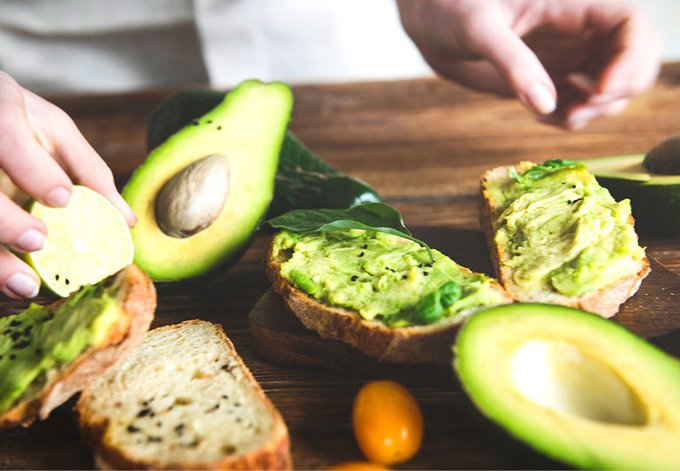
Millenials may get flak for being the “avocado toast generation,” but honestly, they may be onto something! Avocados are as nutritious as they are delicious, and they’re jam-packed with vitamins and nutrients.

Avocados include vitamins C, E, K1, B6 and folate, plus essential minerals like potassium and copper. They’re low in sugar, loaded with fiber and high in monosaturated fats, aka “good” fats. Oh, and did we mention that they taste great and they’re super versatile?!

Registered dietitian Julia Zumpano, RD, LD, shares a few more good reasons to give these wrinkly green fruits a second look — plus, how to add them to your regular rotation.

Are avocados good for you?

“Avocados are a great addition to a healthy diet,” Zumpano confirms, “and there are hundreds of varieties to choose from, ranging from big to small and wrinkly to smooth.”

What they have in common: A big round pit, creamy green flesh and a whole lot of nutrients crammed into a handy, pear-shaped package.

Just don’t go overboard. Avocados are packed with nutrients, but they’re also packed with calories. A 50-gram portion — about a third of a medium-sized avocado — has about 75 calories. And an entire large avocado can add upward of 400 calories to your daily diet.

Like most things, Zumpano says, moderation is key. “As long as you’re paying attention to portion sizes, avocados are very healthy foods to include in your food repertoire.”

Benefits of avocados

Whether you’re adding a slice to a salad or sandwich or using them as an ingredient in a more complicated recipe, Zumpano says avocados have a lot going for them health-wise.

Here are some of the many nutrients and vitamins packed into just a single avocado:

High in ‘good’ fats

You might’ve heard that avocados are high in fat — and that’s true, but it doesn’t mean you should avoid them! A medium avocado has 22 grams of fat, which includes 15 grams of monounsaturated fats, aka “good” fats.

“Avocados are rich in heart-healthy monounsaturated fats, which help lower your LDL, or ‘bad’ cholesterol,” Zumpano says. “Low LDL levels reduce your risk of heart disease and stroke.”

The American Heart Association says most of the fats you eat should be monounsaturated or polyunsaturated, confirming that avocados fit the bill as part of a healthy diet.

You can even swap avocado in for less-healthy fats in your home cooking. Here are some additional ways you can add this smooth, creamy fruit to your diet.

  • Spread avocado on a sandwich in place of mayonnaise.
  • Instead of dunking veggies into dips made with cheese or sour cream, try guacamole.
  • Forego shredded cheese on your salad and add avocado slices instead.
  • In baking recipes, replace butter or oil with mashed avocado, like in these chocolatey avocado brownie bites.

“If you use avocado to replace other fats, you can enjoy the flavor and nutrients and also cut down on saturated fats,” Zumpano says.

Lots of vitamins

Let’s talk vitamins: In simple terms, avocados have a lot of them! Here are the vitamins that are most abundant in avocados and what they do for your health:

  • Vitamin K1, or phylloquinone, is important for blood clotting, which helps stop wounds from bleeding. It also plays a role in strengthening your bones. For most adults, the daily recommended amount of vitamin K ranges from 90 to120 micrograms. Half an avocado has about 21 mcg.
  • Vitamin C, aka ascorbic acid, helps keep your immune system healthy. It also plays a role in the health of your tissues, blood vessels, bones and more. Depending on your age and sex, you need anywhere from 75 to 120 milligrams of vitamin C per day; half an avocado has about 10 mg.
  • Vitamin E, or alpha-tocopherol, is a powerful antioxidant that prevents cell damage and helps maintain muscle function. Most adults only need 15 mg of vitamin C per day, and half an avocado will give you about 4 mg of it.
  • Vitamin B6, also known as pyridoxine, helps your body convert food into energy. You only need a small amount of vitamin B6 each day (just 1.2 to 2 mg, depending on your age and sex), but half an avocado has about .25 mg, putting you well on your way to that daily goal.
  • Folateis a B vitamin that’s important for normal cell function and tissue growth. It helps your body form red blood cells and DNA, which is especially critical when you’re pregnant (but still important if you’re not). Half an avocado has about 20% of your daily recommended amount.

Low in sugar

Though most fruits are high in natural sugars, avocados rank very low on the sweetness scale. “A whole avocado has under 1.5 grams of sugar, while one medium apple, by comparison, has about 19 grams,” Zumpano points out. (Psst: It’s important to note that not all sugars are created equal! Fruit is still super-healthy.)

High in fiber

Avocados are a good source of fiber, which is a type of carbohydrate that your body can’t break down. You need both soluble and insoluble fiber — and lucky for you, avocados have both.

“Fiber can lower cholesterol and blood sugar, keep you regular and help you feel full and satisfied after a meal,” Zumpano states. Most adults need 25 to 35 grams of fiber per day, depending on your age and sex. Half an avocado provides about 7 grams.

Packed with potassium

Surprise! “Avocados actually contain more potassium than bananas,” Zumpano reveals. Half a large avocado provides about 485 mg of potassium, while a whole banana provides about 420 mg. (Most adults need 2,600 to 3,400 mg per day.)

This essential mineral is beneficial for blood pressure control and heart health. Low blood potassium can increase your blood pressure, raise your risk of kidney stones and even pull calcium out of your bones.

Increases your copper intake

Think past pennies: Copper is actually an essential trace mineral that your body needs in order to function correctly. Most Americans don’t get enough of it in their diets, but half an avocado will get you 20% of your daily recommended amount.

“Copper helps your body metabolize iron, and it plays a role in a healthy immune system and nervous system,” Zumpano explains.

Tips for enjoying avocados

“A perfectly ripe avocado is slightly firm but not rock-hard,” Zumpano says. “If it’s not ripe but you can’t wait to eat it, store it in a paper bag on the counter until it gives a little when you squeeze it.”

A ripe-but-not-too-ripe avocado is a time-limited treasure, so dive right in and get creative with your avocado creations, or embrace the millennial method and enjoy some avocado toast.

But if you need to store it for a couple of days, just be sure to keep it in the fridge — not submerged in water, as some TikTokkers recommend. Some people call it a “food hack,” but it can easily lead to foodborne illness.

“You can even freeze avocado slices if you’re worried you won’t use them in time,” Zumpano suggests. “Then, you can easily throw them into a smoothie.”

Our best balance boosters #physiotherapy😉 @HarvardHealth

harvard balance boosters

Harvard Health
@HarvardHealth

Our best balance boosters. bit.ly/2rkMG0N #HarvardHealth

Image: Jacob Ammentorp Lund/iStock

Many older adults focus on exercise and diet to stay healthy. But one of the worst offenders to health—poor balance—is often an afterthought. “I see a lot of older adults who are nonchalant about balance,” says Liz Moritz, a physical therapist at Harvard-affiliated Brigham and Women’s Hospital.

Unfortunately, imbalance is a common cause of falls, which send millions of people in the United States to emergency departments each year with broken hips and head injuries. But there are many things you can do to improve your balance. The strategies below are some of the most effective.

Physical therapy

Physical therapy for balance focuses on the ability of the joints and brain to communicate, the balance system in the ear (the vestibular system), and vision. “We coordinate all three with exercises such as standing on one foot, first with the eyes open, and then with the eyes closed. We also work on joint flexibility, walking, and lower-extremity exercises on one or two legs,” says Moritz. Other exercises that boost balance include chair stands (see “Move of the month”) and squats. Make sure you get training before attempting these exercises at home.

Muscle strengthening

“Core strength is very important for balance. If the abdominal muscles in your core are weak, they cannot support your limbs, especially when you’re walking. If the gluteal muscles in your buttocks and hips aren’t strong, they won’t be able to propel you forward,” says Moritz. Muscle strengthening can help. Moritz suggests starting with gentle core exercises like a pelvic tilt (lie on the floor with your knees bent up, then roll your pelvis up) and then moving to more intense exercises such as wall planks (stand six inches from a wall, keeping your body rigid, then lean forward with your forearms flat against the wall, and hold the position for 20 seconds). Leg lifts will strengthen the gluteal muscles, and adding resistance bands to leg lifts makes the exercise even more effective.

Tai chi and yoga

“Tai chi and yoga are exercises that make you pay attention to the control and quality of movement, rather than the quantity, which improves your balance,” says Moritz. In tai chi, you practice slow, flowing motions and shift your weight from one limb to another. Yoga incorporates a series of focused postures and breathing. Both exercises increase flexibility, range of motion, leg and core strength, and reflexes. The result: you become better at balancing in a number of different positions, which helps you avoid falling if you encounter uneven pavement or obstacles in your path.

Vision correction

“If you can’t see where you’re going, your fall risk goes up,” says Moritz. “A lot of people I treat for balance are here be-cause they tripped when they didn’t see something on the floor.” The fix may be as simple as a new eyeglasses prescription. Get a comprehensive, dilated eye exam every one or two years if you’re 65 or older, every one to three years if you’re age 55 to 64, and every two to four years if you’re 40 to 54. If you have an increased risk for other eye conditions, you may need an eye exam more often.

Assistive walking devices

A cane or a walker can complement your balance and give you more stability and confidence walking. But don’t buy a device on your own. “If it’s too high or too low, that can cause a fall. You need to get it measured, and you need training to learn how to use it,” says Moritz. Training takes just a few physical therapy sessions. Walkers are available with wheels intended for different terrain, lockable brakes, seats, baskets, and other features such as headlights. Canes are available with various handgrips and bases.

https://www.health.harvard.edu/staying-healthy/our-best-balance-boosters?utm_content=bufferbc3b8&utm_medium=social&utm_source=facebook&utm_campaign=buffer

9 Ways Alcohol Affects Your Health @ClevelandClinic

February 15, 2024

What Does Alcohol Do to Your Body? 9 Ways Alcohol Affects Your Health

Alcohol affects your whole body, from your liver and immune system to your brain and mental health

You probably already know that excessive drinking can affect you in more ways than one.

There are the empty calories that can lead to weight gain. There’s the potential for injury and regrettable choices. And don’t forget about the hangovers of course.

Heavy drinking can also lead to a host of health concerns, like brain damage, heart disease, cirrhosis of the liver and even certain kinds of cancer.

And that’s on top of the toll that alcohol use can take on relationships, not to mention the potential for financial strain and legal troubles.

But even moderate alcohol use changes the way your body functions.

We talked with hepatologist Shreya Sengupta, MD, about how alcohol use affects your body and your emotional health.

“Some people think of the effects of alcohol as only something to be worried about if you’re living with alcohol use disorder, which was formerly called alcoholism,” Dr. Sengupta says.

“But when you consider how alcohol is metabolized and used by your body, we can start to see that even moderate and social drinking affects our health to some degree.”

Dr. Sengupta shares some of the not-so-obvious effects that alcohol has on your body.

Liver

Your liver detoxifies and removes alcohol from your blood through a process known as oxidation. When your liver finishes that process, alcohol gets turned into water and carbon dioxide.

But when you ingest too much alcohol for your liver to process in a timely manner, a buildup of toxic substances begins to take a toll on your liver.

If alcohol continues to accumulate in your system, it can destroy cells and, eventually, damage your organs.

“When your liver is overwhelmed by oxidizing alcohol, it generates molecules that inhibit fat oxidation,” Dr. Sengupta explains. “The fats build up. Over time, it can lead to a condition known as steatotic liver disease.”

Steatotic liver disease used to go by the name fatty liver disease.

Steatotic liver disease develops in about 90% of people who drink more than 1.5 to 2 ounces of alcohol per day. That’s about one shot glass worth.

With continued alcohol use, steatotic liver disease can lead to liver fibrosis. Eventually, you can develop permanent and irreversible scarring in your liver, which is called cirrhosis.

“The good news is that earlier stages of steatotic liver disease are usually completely reversible in about four to six weeks if you abstain from drinking alcohol,” Dr. Sengupta assures.

Cirrhosis, on the other hand, is irreversible and can lead to liver failure and liver cancer, even if you abstain from alcohol.

Metabolism

You probably are keenly aware of the so-called “beer belly.” That’s shorthand for a round midsection that some people associate with drinking too much beer.

In reality, there’s no evidence that drinking beer (or your alcoholic beverages of choice) actually contributes to belly fat.

But there’s plenty of research to back up the notion that alcohol does lead to weight gain in general. Even for people who aren’t particularly heavy drinkers.

“Drinking gives your body work to do that keeps it from going about its other processes,” Dr. Sengupta notes. “Alcohol distracts your system from its regularly scheduled duties, including things like metabolizing carbohydrates and fats.”

Once you take a drink, your body makes metabolizing alcohol a priority — above processing anything else.

That’s because your body already has processes in place that allow it to store excess proteins, carbohydrates and fats. But there isn’t a storage tank for alcohol. So, your system prioritizes getting rid of alcohol before it can turn its attention to its other work.

That allows excess calories from the foods you eat to sit around, leading to weight gain.

Gut health

Your gut microbiome is a hotbed of bacteria that help keep your digestive system happy and healthy. The trillions of microbes in your colon and large and small intestines are critical to proper digestion. They also help fend off inflammation and support healthy metabolism.

When you drink too much alcohol, it can throw off the balance of good and bad bacteria in your gut.

“Alcohol can kill the good bacteria that live in your gut, allowing bad bacteria to grow unchecked,” Dr. Sengupta explains. “That can lead to problems with digestion, inflammation and even organ damage.”

Having a glass of wine with dinner or a beer at a party here and there isn’t going to destroy your gut. But even low amounts of daily drinking and prolonged and heavy use of alcohol can lead to significant problems for your digestive system.

Heart health

Too much alcohol is bad for your heart. Alcohol can cause:

  • Increased heart rate.
  • Spikes in blood pressure.
  • Irregular heartbeats (arrhythmia).
  • A weakening in your heart (cardiomyopathy).

Warnings from the World Heart Federation go so far as to state that no amount of alcohol is safe for your ticker.

But wait, you may be thinking, what about those headlines that claim red wine is supposed to be good for my heart?

There are a few studies that associate red wine with improved heart health in lab tests. But no research proves that red wine causes any improvements in heart health in people.

“The reality is that alcohol causes more health troubles than it could ever help,” Dr. Sengupta reinforces. “And that goes for your heart, as well as the rest of your body.”

Pancreas

Your pancreas helps your body digest food and manage your blood sugar. Drinking alcohol changes how your pancreas works.

“Your pancreas secretes fluids. Alcohol use can thicken those fluids, which can clog the ducts that those fluids flow out of,” Dr. Sengupta explains.

Like a clog in a drain, those thickened fluids can jam up your ducts. That can lead to pancreatitis, which is inflammation of the pancreas.

Pancreatitis can be a short-term (acute) condition that clears up in a few days. But prolonged alcohol abuse can lead to chronic (long-term) pancreatitis, which can be severe.

Cancer risk

The U.S. Centers for Disease Control and Prevention (CDC) has a clear warning regarding the connection between drinking and cancer: “The less alcohol you drink, the lower your risk for cancer.”

Why?

Your body breaks alcohol down into a chemical called acetaldehyde, which damages your DNA. Damaged DNA can cause a cell to grow out of control, which results in cancerous tumors.

Alcohol use has been shown to raise your risk for several kinds of cancer. That includes cancers of the:

  • Mouth.
  • Esophagus.
  • Throat.
  • Liver.
  • Breast.
  • Colon and rectum.

Immune system

If you drink every day, or almost every day, you might notice that you catch colds, flu or other illnesses more frequently than people who don’t drink. That’s because alcohol can weaken your immune system and make your body more susceptible to infection.

“We see lower levels of a specific kind of white blood cells called lymphocytes in people who drink heavily for long periods of time,” Dr. Sengupta reports. “That can leave them more vulnerable to infectious diseases.”

Brain

The morning after a night of over-imbibing can cause some temporary effects on your brain. Things like trouble concentration, slow reflexes and sensitivity to bright lights and loud sounds are standard signs of a hangover, and evidence of alcohol’s effects on your brain.

Long-term alcohol use can change your brain’s wiring in much more significant ways. Ways that your standard hangover cures won’t even begin to touch.

“Excessive alcohol consumption can cause nerve damage and irreversible forms of dementia,” Dr. Sengupta warns.

Mental health

Alcohol is a depressant. And prolonged alcohol use can lead to mental health conditions like anxiety and depression. Chronic misuse can also lead to paranoia and hallucinations.

Even drinking a little too much (binge drinking) on occasion can set off a chain reaction that affects your well-being. Lowered inhibitions can lead to poor choices with lasting repercussions — like the end of a relationship, an accident or legal woes. Each of those consequences can cause turmoil that can negatively affect your long-term emotional health.

“Alcohol tends to cause more problems than it solves for a lot of people,” Dr. Sengupta emphasizes. “If drinking is affecting your health, your relationships, your work, your finances, it’s time to make some serious changes.”

Ready to stop drinking and improve your health? These tips may help.

If you need more guidance to quit drinking, the Substance Abuse and Mental Health Services Administration (SAMHSA) offers a hotline, 24/7, 365 days a year. Call 1.800.662.HELP (4357).

Alcoholics Anonymous is available almost everywhere and provides a place to openly and nonjudgmentally discuss alcohol issues with others who have alcohol use disorder.