
The Neuro Physios
@TheNeuroPhysios
·
There will be smiles all round as our Aquatic Physio team finally get handover over #NRH new pool facilities – truly fantastic facility and a mighty upgrade – our patients will love it

Health is Wealth

·
Replying to
and
Totally agree. We in the private sector can provide Ax, Rx and like us
often have an onsite gym with exercise classes & specialist programmes. However some patients cannot afford this and
should be funding these cost-effective, evidence-based interventions
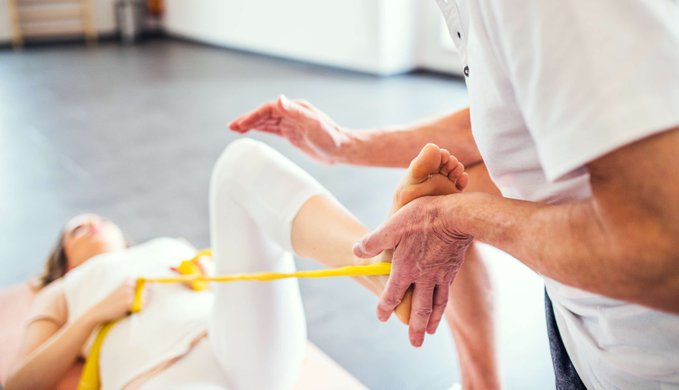


Great post by @the_raphaelbender!!!When we give someone an exercise and their pain improves afterwards, it’s easy to assume their improvement in pain is a result of better biomechanics.
Surprisingly there is very minimal evidence for this.
What’s MUCH more likely, is that exercise helps pain by some combination of more systemic effects, including:
•Reducing systemic inflammation
•Releasing endorphins
•Increasing neuroplasticity
•Promoting tissue remodeling
•Increasing self-efficacy
•Improving mental health
•Providing social support
•Building expectation of recovery
•Enabling return to valued activities
All of these (and there are more) are general, not specific effects of exercise. In other words it doesn’t really matter WHICH exercise you do. They all help.
So what’s the best exercise for pain?
The one you:
* Enjoy
* Find most accessible
* Expect will help
Thanks @modernpaincare
#exerciseismedicine#exercise#physiomart#wotkout#fitnessmotivation#fit#sportsphysio#physiotherapy#physiotherapist#fitness#personaltrainer#injuryprevention#injurypreventiontraining2d
There are steady accounts of medics’ battle to save the lives of Covid patients. Amid the reports it becomes clear the task is a marathon and not a sprint, with no one-size-fits-all approach to treatment and recovery. Physiotherapists are among those in it for the immediate and then longer haul. This is the story of the specialists whose daily lives have changed.
There are those who get Covid-19 and are asymptomatic. Others show mild effects. And some have more severe reactions requiring hospital treatment.
Those patients may need just a helping hand to get them through. But some will need intensive care, or even be placed in induced comas.
In such cases, whether during or after, organs and limbs are tested by Covid. And even beating the virus may not mean a steady road ahead without long rehabilitation.
Think of those whose lungs were aided by mechanical ventilators. Or the people coming out of comas to take their first steps after days – or weeks.
For some physiotherapists, thinking about them is all they do.
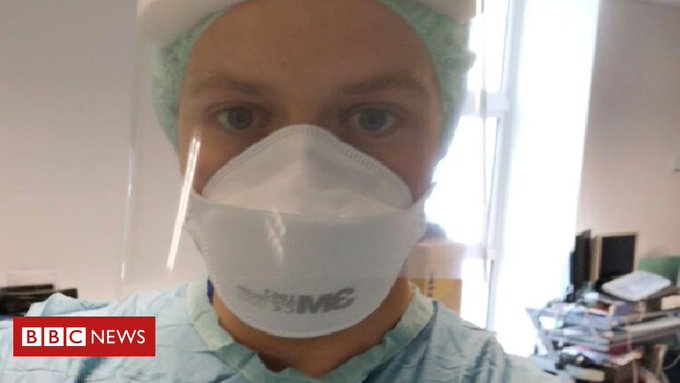
“Covid for us is 24/7,” said Will Hook, a senior physiotherapist in intensive care at a hospital in Dudley, West Midlands.


 Healthaware