Only 130 calories per serving, this dessert deserves your attention
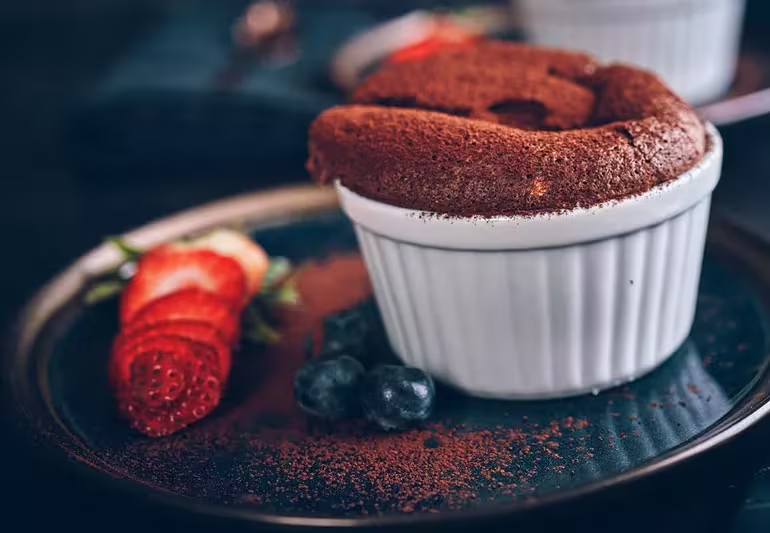
These delicious chocolate soufflés are perfect to share with someone you love. With rich chocolate flavor, strawberries, cinnamon and even a little Cognac, they’re only 130 calories per serving.
Ingredients
1 1/2 teaspoons oil-based butter spread
1/4 cup plus 1 teaspoon sugar
1 tablespoon ground toasted almonds
3 tablespoons plus 1 teaspoon good-quality cocoa
4 large egg whites, at room temperature
1 tablespoon Cognac
1/2 teaspoon ground cinnamon
1 teaspoon confectioners’ sugar
12 strawberries, thinly sliced
Directions
Preheat the oven to 375 F. Grease/flour 6-ounce soufflé cups with the butter spread.
Mix 1 teaspoon of the sugar with the almonds and 1 teaspoon of the cocoa. Coat the insides and bottom of the soufflé cups, tapping the sides to make sure they’re coated.
Heat 2 tablespoons water with the remaining sugar in a nonstick small pot. Bring to a simmer and cook until the mixture becomes thick, about 3 minutes. Don’t allow the syrup to color. Brush down the sugar crystals on the sides of the pot with a wet pastry brush as the syrup thickens. It will be quite hot so be careful.
While the sugar and water are simmering, beat the egg whites until stiff in the bowl of an electric mixer. While continuing to beat, slowly and carefully pour the hot sugar syrup into the egg whites. Add the 3 tablespoons cocoa, the Cognac and cinnamon.
Spoon the mixture into the soufflé cups, tapping each cup to make sure there aren’t any bubbles. Bake for 10 minutes, or until the soufflés are puffed and set. Immediately place the soufflés on dessert plates. Sift the confectioners’ sugar over the tops and decorate each plate with 3 strawberries. Serve immediately.
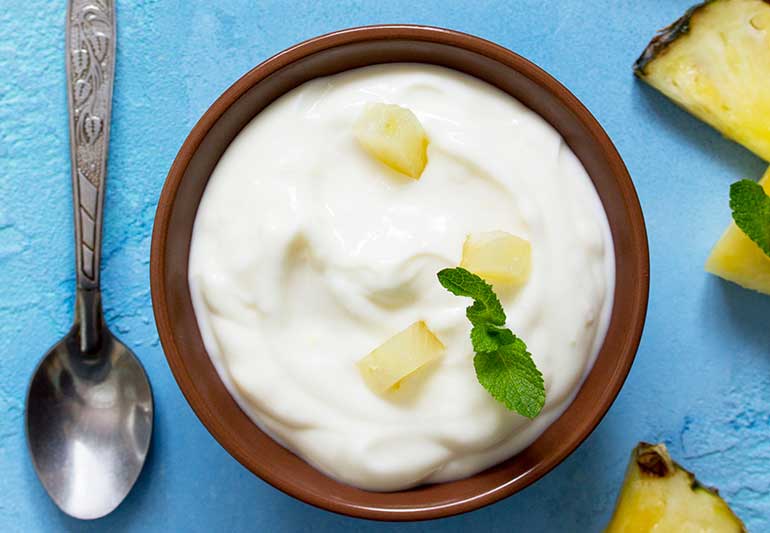
This is a last-minute dessert that can be made post-dinner, while you brew the coffee and finish clearing the table. Have ingredients and equipment ready beforehand — just be sure to turn the pineapple once and give the skillet a couple of shakes and voila! You’ll have a delightfully sweet dessert ready at your fingertips.
Ingredients
1/4 cup sugar 1/4 cup sugar substitute 1 pineapple, peeled, cored and sliced into six wedges lengthwise Butter-flavored cooking spray, refrigerated 1 tablespoon trans-fat free margarine 2 tablespoons Cognac or fresh orange juice 1 cup fresh raspberries
Directions
Combine the sugar and sugar substitute. Sprinkle half of the mixture over one side of the pineapple. Turn and sprinkle the rest on the other side.
Lightly coat a large non-stick skillet with cooking spray. Add the margarine and melt over high heat. Place the pineapple in the skillet and cook, turning once and shaking the pan often, until it turns golden brown, 10 to 15 minutes. (The pineapple can be prepared to this point and held for one hour.)
Transfer the pineapple wedges to six dessert dishes, leaving the sauce that has formed in the pan.
Stir the cognac into the pan to thin the sauce. Heat briefly. Drizzle the sauce over the pineapple and sprinkle with equal portions of the raspberries. Serve warm.
Nutritional information (per serving)
Makes 6 servings
Calories: 118 Total fat: 3 g Protein: 0.1 g Carbohydrate: 22 g Dietary fiber: 2 g Cholesterol: 0 mg Sodium: 0 mg Potassium: 122 mg
“When you create a meal centered around vegetables, you’re taking steps to improve and maximize your health,” says Liz Moore, registered dietitian at Beth Israel Deaconess Medical Center. Try these three meals today. — #HarvardHealth#Diet#Nutrition
Meatless Mondays, meet summer’s bounty: a wide variety of colorful, fresh summer vegetables now available in grocery stores, backyard gardens, and farmer’s markets. We’re talking sunshiny golden corn on the cob, deep purple eggplant, red beets, peppers of all hues, not to mention tomatoes, zucchini, green beans, cucumbers, and more. With a bit of simple prep, they’re ready to take center stage on your plate, reinforcing the joy of summer.
“Vegetables in our diet provide many benefits. And when you create a meal centered around them, you’re taking steps to improve and maximize your health,” says Liz Moore, the author of a heart-healthy cookbook and a registered dietitian at Harvard-affiliated Beth Israel Deaconess Medical Center.
Centering healthy vegetables on your plate
Making vegetables the stars of a meal is part of the “veg-centric” movement, which teaches people how to elevate even average vegetables to creative entrées and side dishes. The trend gives vegetables bold flavors by grilling, layering, caramelizing, or roasting them — steps you can take with a backyard grill or stovetop skillet.
Summer veggie meals have lots of important health perks. “Vegetables such as eggplant and beets of all colors are rich in fiber, Moore says. “Eating a high-fiber diet helps lower cholesterol and is linked to heart health, digestive health, and helping to maintain stable blood sugar levels. For those trying to lose weight, vegetables are low in calories and provide volume, which helps keep you full.”
Summer vegetables also have a wide variety of essential vitamins, minerals, and phytochemicals (beneficial plant chemicals) like flavonoids. “For example, carotenoids in cooked tomatoes are rich in lycopene, which is associated with inhibiting cancer growth and boosting the immune system. And beets are a good source of folate and potassium,” Moore says.
Three easy summer vegetable meals
Wondering what to do with the colorful harvest available to you? Moore suggests keeping it simple by making a meal of vegetables paired with whole grains or legumes (beans or lentils). Here are three meals that fill the bill.
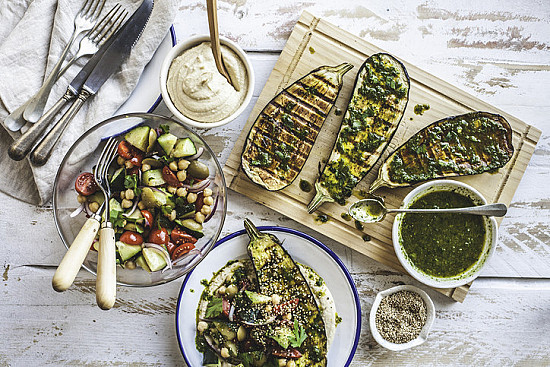
Grilled eggplant steak with cucumber, tomato, onion, chickpea, and feta salad
Slice an eggplant (from root to stem) into three-inch thick “steaks.” On each side, drizzle olive oil and a little black pepper. Grill on both sides until tender.
Dice two tomatoes, one cucumber, and half a red onion. Add a can of rinsed, drained chickpeas. Toss with a dressing of olive oil, a little red wine vinegar, and oregano to taste.
Serve the salad over the eggplant steak. Top with some diced feta cheese, if you like.
Veggie pita pocket with gazpacho
Put a couple of tomatoes, a cucumber, a green pepper, half a red onion, some bread crusts, and a little olive oil into a blender. Blend until chunky or finer, as you prefer. Add salt, pepper, and cumin to taste, blending for a few more seconds. Chill for 30 minutes.
Open a whole-wheat pita and spread a tablespoon of hummus inside. Add slices of zucchini and carrots, and some arugula, salad greens, or other vegetables that appeal to you.
Serve the pita with half a cup of the gazpacho.
Quinoa-stuffed red peppers
Based on a recipe from BIDMC’s CardioVascular Institute’s Hungry Heart Cookbook by Liz Moore, RD, LDN
Cut peppers in half, remove seeds, and lay them open side up on a dish.
Mix cooked quinoa, diced tomatoes, and corn off the cob (you can grill the corn first and cut off the kernels for a special summer flair). Add low-fat grated cheddar cheese, canned (rinsed) black beans, one egg, and some spices to taste, such as a bit of cumin, chili powder, salt, and pepper.
Use the mixture to stuff the peppers evenly, and then cook them on the grill in a grilling basket for about 30 minutes. You can also cook them in the oven at 350° F on a cookie sheet or in a roasting pan, checking at 30 minutes to see if they are done.
Other ideas include
grilled veggie kebabs with chunks of eggplant, zucchini, cherry tomatoes, and mushrooms. Serve on a bed of lettuce and add a little goat cheese.
whole-wheat pasta with a mix of sautéed vegetables that appeal to you.
salad with green leaf lettuce, raw green beans, cherry tomatoes, Kalamata or black olives, and half a hard-boiled egg. Top with a dressing you enjoy.
Which combinations of summer vegetables you choose can depend on cost, taste preferences, and how much time you want to spend cooking. If you’re in a hurry, go with a salad. If you have more time, try grilling or sautéing vegetables.
Finally, be open to inspiration from the bounty you see at the market. “Focus on getting a variety of colors in the vegetables you choose. The more colors there are on the plate, the more nutrients you’ll be consuming,” Moore says. “And try something new. Explore vegetables you’ve never tried before or new methods of cooking. Think of it as one of summer’s glorious adventures.”
Heidi Godman is the executive editor of the Harvard Health Letter. Before coming to the Health Letter, she was an award-winning television news anchor and medical reporter for 25 years. Heidi was named a journalism fellow … See Full Bio
Try our lighter carrot cake, which the entire family will love. It has just the right texture, like a slightly sweetened, light corn bread. It’s great on its own or with a dollop of frozen whipped topping or nonfat ice cream.
Ingredients
No-stick baking spray with flour
1 cup unbleached all-purpose flour
½ cup whole wheat flour
½ cup granulated sugar substitute
¼ cup packed light brown sugar
¼ cup nonfat dry milk
1 ¼ teaspoons baking soda
1 ½ teaspoons baking powder
1 teaspoon ground cinnamon
¼ teaspoon ground cloves
½ teaspoon ground nutmeg
½ teaspoon ground allspice
¼ cup canola oil
1 large egg
¾ cup egg substitute
1 ½ cups finely grated carrots
2 tablespoons finely chopped walnuts
2 tablespoons golden raisins
One 6-ounce can unsweetened crushed pineapple, drained
2 tablespoons confectioners’ sugar, optional
Directions
Preheat the oven to 350ºF. Coat a 10-inch pan with baking spray.
Sift the white and whole wheat flours into a large bowl. Add the sugar substitute, brown sugar, dry milk, baking soda, baking powder and spices. Stir to mix well. Using the medium setting of an electric mixer, beat in the oil, egg and egg substitute until the batter is smooth. Fold in the carrots, walnuts, raisins and pineapple.
Spread the batter into the prepared pan and bake for 30 minutes, until a toothpick inserted in the center of the cake comes out clean. Cool in the pan. Remove the outer ring of the pan and sift confectioners’ sugar over the top, if desired. Serve at room temperature.
Dietitian’s Note: Never has carrot cake tasted so good, and been so guiltless! When compared to traditional carrot cake with icing, you save 180 calories, 12 grams of fat, and 4 grams of saturated fat.
Omelets are a great choice for a one-skillet meal, and our recipe delivers on nutrition and taste! This meatless dinner option provides 100% of your daily vitamin C and is a good source of calcium.
Cook potatoes in boiling water until tender, about 12 minutes.
In a nonstick pan, add vegetable spray and warm at medium heat.
Add onion and sauté until brown. Add vegetables and sauté until tender but not brown.
In a medium mixing bowl, slightly beat eggs and egg whites, pepper, garlic powder, oregano and low-fat mozzarella cheese. Stir egg-cheese mixture into the cooked vegetables.
In a 10-inch pie pan or ovenproof skillet, add vegetable spray and transfer potatoes and egg mixture to pan. Sprinkle with low-fat parmesan cheese and bake until firm and brown on top, about 20 to 30 minutes.
Remove omelet from oven, cool for 10 minutes, and cut into five pieces.
Ingredient health benefits
Potatoes: Don’t let their higher carb and caloric content scare you; in moderation, these starchy vegetables are delicious and nutritious. Potatoes are full of vitamins and minerals like vitamin C , which boosts your immune system, and vitamin B6, which suppresses inflammation and promotes brain health. To get the most out of your potatoes, cook them with the skin on.
Onions: This allium is more famous for its potent aroma than its health perks, but rest assured, there are plenty to go around. For instance, onions have chemicals called flavonoids that fight inflammation and help lower blood pressure. And in addition to being a good source of fiber, onions contain prebiotics, which feeds the good bacteria in your gut so they can keep your whole body healthy.
Zucchini: If you’re looking for foods with head-to-toe benefits, consider adding squashes like zucchini to your diet. Nutritional highlights include calcium, vitamin A and vitamin C — all of which support strong bones and healthy eyes. Squashes are also a good plant source of iron, which keeps your blood cells happy.
Red bell peppers: These members of the nightshade family are an excellent, nutrient-dense addition to any meal. Red bell peppers are chock full of vitamins like vitamin E and vitamin B9 (folate). They also contain anthocyanins, which are natural plant pigments that protect your heart, help lower your blood pressure and might support your brain function.
Mushrooms: Though these fungi may be small, they’re a mighty culinary ingredient. Mushrooms are full of antioxidants, which help protect your cells from damage by free radicals. And they have compounds that stimulate your immune system to fight invaders and, potentially, cancer. Other properties found in mushrooms also support the health of your heart, gut and brain!
Eggs: A perfect example of how good things come in small, oval-shaped packages. Eggs are rich in vitamins like vitamin B12, which is essential for your blood cells and nerve cells to work properly. Eggs also have lutein, a carotenoid that helps preserve your vision. Egg whites have about 60% of the protein found in an egg.
Nutrition information (per serving)
Makes 5 servings
Calories: 290 Total fat: 6 g Saturated fat: 2.5 g Trans fat: 0 g Cholesterol: 120mg Sodium: 250 mg Total carbohydrate: 43 g Fiber: 6 g Sugars: 5 g Protein: 18 g
— Recipe courtesy of Digestive Disease Health Team Dietitians.
Peru has been cultivating potatoes for more than 6,000 years in the high Andean slopes near Lake Titicaca.
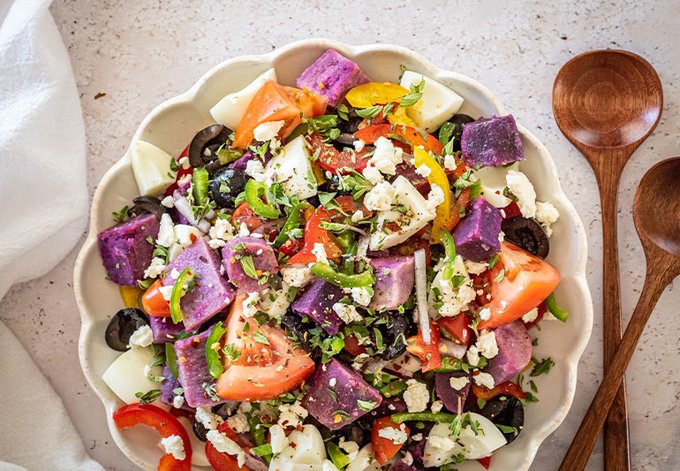
A stroll through the public markets reveals a startling number of sizes, shapes and colors — including the famous Peruvian blue potatoes with their purplish-blue skin and flesh.
It’s fun to use these blue potatoes, but if your market doesn’t carry them or if you prefer other potatoes, you can always use small red or white potatoes.
Ingredients
Kosher salt 1 1/4 pounds small Peruvian blue potatoes 1/4 cup minced red onions 1 red bell pepper, seeded and diced 1 yellow bell pepper, seeded and diced 1 large tomato, seeded and chopped 1 jalepeño, seeded and minced 3 tablespoons red wine vinegar 3 tablespoons extra virgin olive oil 1 teaspoon sugar substitute 2 hard-boiled egg whites, chopped 2 tablespoons chopped fresh oregano 1/2 cup crumbled reduced-fat feta cheese 2 tablespoons sliced black olives, optional
Directions
Bring a pot of lightly salted water to a boil. Simmer the potatoes until cooked through, 15 to 20 minutes, depending on size. Drain and cool. Quarter or slice into bite-sized pieces and place in a bowl.
Combine the potatoes and the onion, bell peppers, tomato, jalepeño, vinegar, oil, 1/4 teaspoon salt (if using), sugar substitute, egg whites, oregano and cheese. Refrigerate until ready to serve. Garnish with olives, if using.
Nutritional information (per serving)
Makes 8 servings
Calories: 200 calories (31% from fat) Total fat: 7 g Saturated fat: 1.5 g Protein: 7 g Carbohydrate: 31 g Dietary fiber: 2 g Cholesterol: 5 mg Sodium: 95 mg Potassium: 109 mg
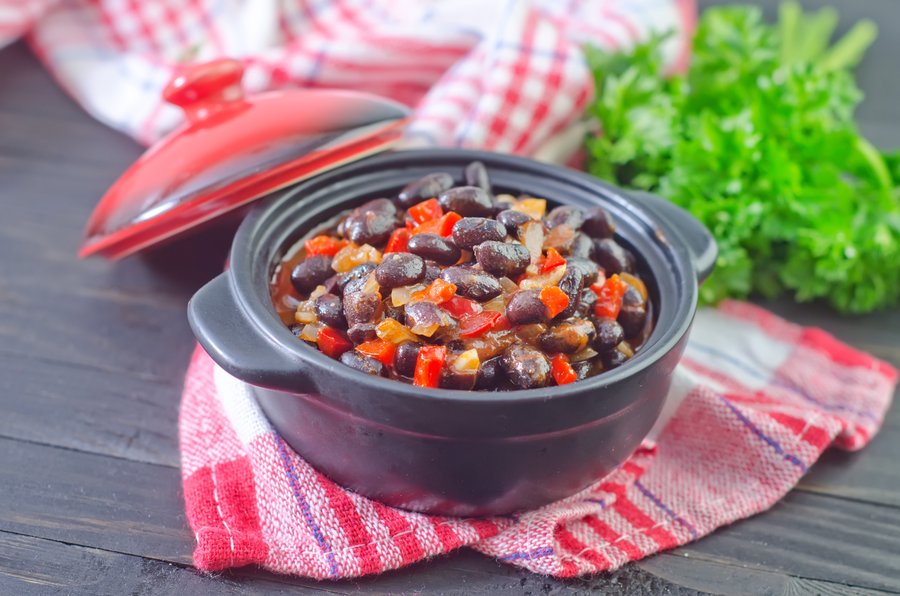
This vegetarian chili is so satiating and flavorful, you won’t miss the meat. Tempeh, a protein source made from organic soybeans and often combined with millet, brown rice, and barley, is a traditional ingredient in Indonesian and Japanese cuisine. To serve this dish as a family meal, top with cheddar cheese, sour cream, and sliced scallions. You can find this recipe and 100 more delicious and safe recipes designed for busy caregivers in Cooking for Dysphagia and Other Swallowing Disorders by Diane Wolff.
Servings: 6
Serving Size: 1 cup
Nutritional Information Per Serving
165 calories
4 g total fat
1 g saturated fat
214 mg sodium
27 g total carbohydrate
6 g dietary fiber
6 g total sugars
10 g protein
Ingredients
2 tablespoons extra-virgin olive oil
6 ounces tempeh, cut into ½-inch cubes
2 teaspoons low-sodium soy sauce
red onion, finely diced
1 garlic clove, sliced
½ jalapeno pepper, stemmed, seeded, and finely diced
1 red bell pepper, diced
2 cups kabocha squash, cut into 2-inch pieces
3 large portobello mushrooms, cut into 2-inch pieces
leeks, white parts only, cleaned and sliced
1 (15-ounce) can diced tomatoes
1 (8-ounce) can tomato sauce
¼ cup tomato paste
1 (15-ounce) can black beans, drained
1 teaspoon Worcestershire sauce
2 tablespoons red wine (optional)
1 teaspoon chili powder (optional)
Directions
Warm the oil in a pot over medium heat or in a slow cooker with a sauté function. Add the tempeh and sauté, stirring occasionally, until lightly golden. Season with the soy sauce and stir to coat. Transfer the tempeh to a plate.
Add the onion, garlic, jalapeno, bell pepper, kabocha, portobellos, and leeks to the pot. Sauté, stirring occasionally, until softened and lightly caramelized, about 10 minutes. Add the diced tomatoes, tomato sauce, tomato paste, beans, Worcestershire, red wine, and chili powder, if using.
Return the tempeh to the pot and stir. If using a stove, bring to a boil, lower to a simmer, and cook, covered, with the lid ajar, about 1 hour. If using a slow cooker, cook on high for 1 hour. Set aside any servings for family meals
For the puree, blend chili in batches, filling the pitcher only two-thirds full and venting the lid. Blend until you achieve the desired texture, transferring each batch to a large bowl.
Test as you go and at time of serving to see if a thickening agent, thickened sauce, or thickened stock is needed; use IDDSI Testing Methods (iddsi.org) to help achieve the desired IDDSI level. See pages 42-47.
Serve immediately or divide into servings for storage or freezing, following the directions for Serving, page 77.
Notes:
The dishes shown in the photos accompanying the recipes that follow are IDDSI Level 7. Please use the IDDSI instructions (pages 42-47) to modify the texture of each dish to the individual IDDSI level prescribed by your healthcare provider. Please refer to Andrew Cullum’s section (pages 74-75) on piping to create a beautiful plate.
The recipes that follow allow for serving right away to yourself, to the person with dysphagia, or to family and friends. Generally, if not serving immediately, divide the extra servings (the beauty of the batch-cooking method!) between freezer- and oven-safe glass storage dishes. Allow to cool completely, cover, and refrigerate for up to 48 hours or freeze for up to 3 months (exceptions noted in individual recipes).
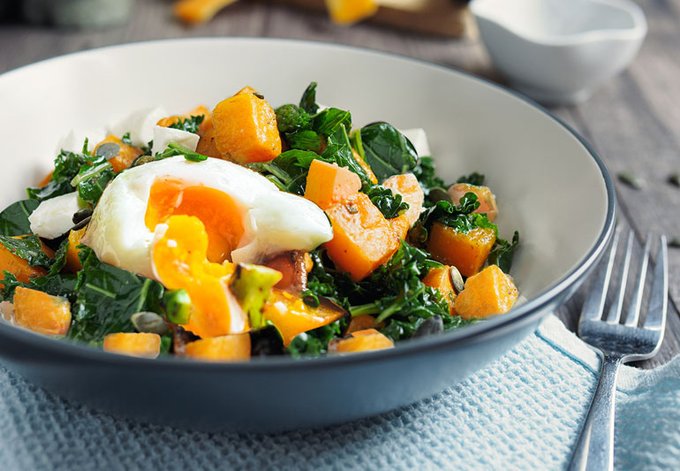
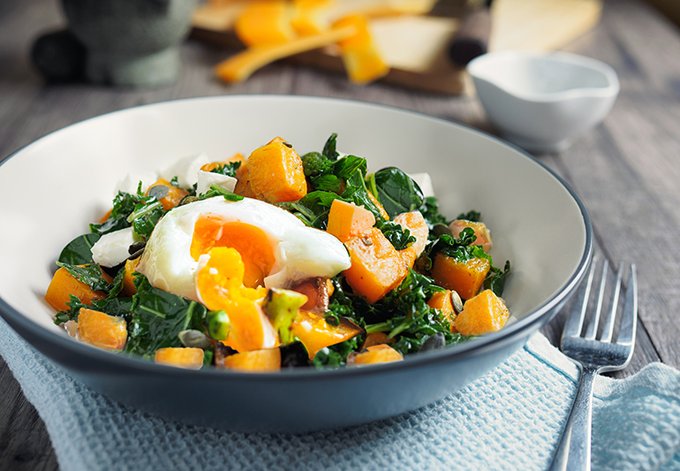
Fuel up with protein and healthy fats for breakfast!
A meal that’s heavy in sugar and starch is no way to start your day – especially if you’re following the ketogenic diet.
These recipes from functional medicine specialist Mark Hyman, MD, are a great way for anyone — keto or not — to bring real, whole, fresh foods (including non-starchy vegetables) to your plate first thing in the morning.