
Fuel up with protein and healthy fats for breakfast! @ClevelandClinic

cleveland keto breakfast

Cleveland Clinic
@ClevelandClinic

Fuel up with protein and healthy fats for breakfast!

A meal that’s heavy in sugar and starch is no way to start your day – especially if you’re following the ketogenic diet.

These recipes from functional medicine specialist Mark Hyman, MD, are a great way for anyone — keto or not — to bring real, whole, fresh foods (including non-starchy vegetables) to your plate first thing in the morning.

Jicama Hash with Turkey Bacon and Avocado

The jicama serves as a lighter alternative to traditional potato, while turkey bacon is a stand-in for pork.

Scrambled Eggs With Tomatoes, Herbs and Goat Cheese

This versatile, protein-packed meal is easy on your digestive system and always a hit with the kids, too.

Ginger Spice Smoothie

A creamy, low-carb smoothie is a great way to start your day and get into fat-burning mode. And ginger is great for digestions.

Sauteed Veggies With Avocado & Poached Egg

What’s the easiest way to upgrade a plate of greens? Put an egg on top! This tasty and comforting dish is good for breakfast – or lunch or dinner.

Non-Coffee Vanilla Latte

For those who don’t want coffee, this latte is a great morning drink that provides healthy fat without caffeine.

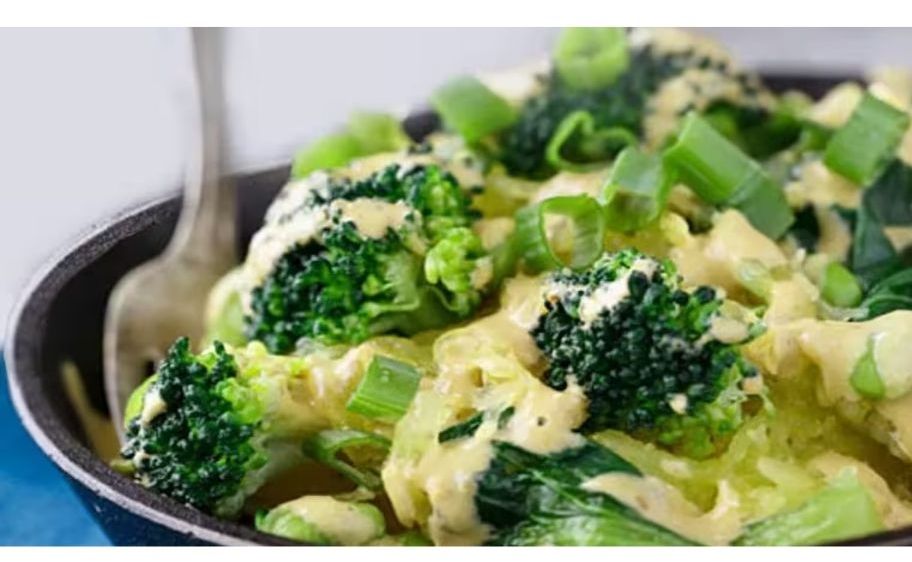
Broccoli Sausage Frittata

With a few veggies and precooked sausage, you can have this satisfying, savory frittata on the table in under 45 minutes.

https://health.clevelandclinic.org/keto-breakfast-ideas-6-ways-to-start-the-day-without-a-lot-of-carbs/?utm_campaign=cc+tweets&utm_medium=social&utm_source=twitter&utm_content=191209&cvosrc=social%20network.twitter.cc+tweets&cvo_creative=191209

Recipe: Sesame Cucumber Salad @ClevelandClinic. Cucumbers are more than 90% water making them an ultimate superfood for #beauty


Cleveland Clinic

@ClevelandClinic
·


Stir up a simple salad for a light summer side dish! Cucumbers are more than 90% water, making them an ultimate superfood for beauty.

Cucumbers are abundant in silica, too, a trace mineral that may actually increase skin elasticity and help keep you looking young.

Ingredients

1 tablespoon rice wine vinegar
1 teaspoon olive oil
1/2 teaspoon toasted sesame oil
1/2 teaspoon soy sauce
Dash cayenne pepper
2 cucumbers, cut into 1/4-inch-thick slices
1/2 bunch chives, minced
1 teaspoon sesame seeds

Directions

  1. Combine vinegar, olive oil, sesame oil, soy sauce and cayenne pepper in a medium bowl. Mix well.
  2. Add cucumbers, chives and sesame seeds.
  3. Mix well and serve.

Nutrition information (per serving)

Makes 2 servings

Calories: 100
Total fat: 4.5 g
Saturated fat: .5 g
Cholesterol: 0 mg
Sodium: 105 mg
Fiber: 3 g
Carbohydrate: 12 g
Sugar: 8 g
Protein: 4 g

Recipe: Berry Smoothie Bowl @ClevelandClinic

Recipe: Berry Smoothie Bowl

A creamy smoothie with crunchy toppings — in a bowl!

Ingredients

Smoothie base

  • 1 1/2 cups plain yogurt
  • 1 banana, frozen
  • 1/2 cup orange juice
  • 1 cup berries of your choice
  • 1 tablespoon flaxseeds
  • 1 scoop vanilla plant-based protein powder, optional

Toppings

  • 1 tablespoon slivered almonds
  • 1 teaspoon chia seeds
  • 1 tablespoon pomegranate seeds

Directions

  1. Blend all base ingredients together until smooth, adjusting for sweetness and thickness.
  2. Serve immediately in a large bowl with toppings.

Ingredient health benefits

  • Yogurt: With probiotics and prebiotics to go around, yogurt is a great way to show your stomach some love. Yogurt is also a complete protein, which means it has all nine essential amino acids that your body needs to function properly (but can’t make on its own). And, most famously, it has calcium to keep your bones happy and healthy.
  • Bananas: Most everyone knows that bananas are a great source of potassium, but there’s so much more to this zany-looking fruit than popular knowledge conveys. Bananas also have magnesium and vitamin B6, which help regulate blood pressure and metabolism. And they have fiber to keep your gut working properly.
  • Flaxseed: This little seed really is worth the hype. Flaxseed is a source of omega-3 fatty acids (omega-3s, for short), which are vital for your body to function as it should. Flaxseed also has fiber and antioxidants that fight damaging free radicals and chronic inflammation.
  • Almonds: This nut may seem ordinary, but its benefits certainly aren’t. Almonds are rich in calcium and unsaturated fats that raise your “good” (HDL) cholesterol. Your brain will also thank you for the flavonoids and vitamin E.
  • Chia seeds: Another tiny seed with plenty of perks, chia seeds improve your digestion and promote the growth of good bacteria that keep your gut healthy. Their quirky ability to expand in fluid can help you stay fuller for longer when they’re in your stomach juices, which can be helpful if you’re trying to lose weight.
  • Pomegranate seeds: These little gems are as good for you as they taste. The squishy packets around the seeds contain juice that’s high in antioxidants, which might support the health of your heart. Pomegranate juice may also have cancer-fighting abilities, but research is ongoing. Still, incorporating pomegranates into a hearty, nutritious diet wouldn’t hurt!

Nutrition information (per serving)

Makes 4 servings
Serving = 3/4 cup

Calories: 160
Carbohydrate: 27 g
Sugars: 17 g
Fiber: 4 g
Saturated fat: 0.5 g
Cholesterol: 5 mg
Protein: 9 g
Sodium: 70 mg

Recipe: Peruvian Blue Potato Salad @ClevelandClinic

Peru has been cultivating potatoes for more than 6,000 years in the high Andean slopes near Lake Titicaca.

A stroll through the public markets reveals a startling number of sizes, shapes and colors — including the famous Peruvian blue potatoes with their purplish-blue skin and flesh.

It’s fun to use these blue potatoes, but if your market doesn’t carry them or if you prefer other potatoes, you can always use small red or white potatoes.

Ingredients

Kosher salt
1 1/4 pounds small Peruvian blue potatoes
1/4 cup minced red onions
1 red bell pepper, seeded and diced
1 yellow bell pepper, seeded and diced
1 large tomato, seeded and chopped
1 jalepeño, seeded and minced
3 tablespoons red wine vinegar
3 tablespoons extra virgin olive oil
1 teaspoon sugar substitute
2 hard-boiled egg whites, chopped
2 tablespoons chopped fresh oregano
1/2 cup crumbled reduced-fat feta cheese
2 tablespoons sliced black olives, optional

Directions

  1. Bring a pot of lightly salted water to a boil. Simmer the potatoes until cooked through, 15 to 20 minutes, depending on size. Drain and cool. Quarter or slice into bite-sized pieces and place in a bowl.
  2. Combine the potatoes and the onion, bell peppers, tomato, jalepeño, vinegar, oil, 1/4 teaspoon salt (if using), sugar substitute, egg whites, oregano and cheese. Refrigerate until ready to serve. Garnish with olives, if using.

Nutritional information (per serving)

Makes 8 servings

Calories: 200 calories (31% from fat)
Total fat: 7 g
Saturated fat: 1.5 g
Protein: 7 g
Carbohydrate: 31 g
Dietary fiber: 2 g
Cholesterol: 5 mg
Sodium: 95 mg
Potassium: 109 mg

Source: Cleveland Clinic Healthy Heart Lifestyle Guide and Cookbook (© 2007 Broadway Books).

Recipe: Salmon Marsala @ClevelandClinic

This recipe switches up chicken marsala by swapping in salmon. It’s a great way to get delicious and healthy fish on the menu. You should be able to find Marsala wine in the cooking wines or condiments section of your local grocery store.

Ingredients

  • 1 tablespoon olive oil
  • 1 onion, cut into wedges
  • 1 teaspoon minced garlic
  • 10 fresh mushrooms, sliced (or one 7-ounce can of sliced mushrooms, drained)
  • 4 (4 ounces each) skinless salmon filets
  • 1/3 cup Marsala wine
  • 2/3 cup chicken broth (1/3 less sodium)
  • 1/4 teaspoon salt (optional)
  • 4 teaspoons cornstarch
  • 4 grinds of fresh ground pepper

Directions

  1. Prep the onions and mushrooms.
  2. Heat oil in nonstick skillet over medium-high heat; add onion, garlic and mushrooms to the skillet and begin sautéing.
  3. Add the salmon filets to the skillet, cooking for 10 minutes per inch of thickness (turn them over midway in the cooking time).
  4. Mix together the wine, broth, cornstarch and fresh ground pepper; when the fish is nearly done (you can tell by twisting the center of the thickest part — if it flakes easily, it’s done), add the wine/broth mixture to the salmon.
  5. Stir gently, as the liquid turns into a thick gravy within one minute. Serve over whole-grain pasta or brown rice, with steamed asparagus or vegetable of your choice.

Ingredient health benefits

  • Olive oilOlive oil is one of those ingredients that’s actually worth the hoopla. It has fat-soluble vitamins like vitamins D and K, which support your bones and blood cells. It’s also home to unsaturated fats that help decrease your LDL (“bad”) cholesterol and increase your HDL (“good”) cholesterol, helping your heart stay happy. And if you need another reason to use olive oil beyond this recipe, it has polyphenols and other antioxidants to fight inflammation and free radicals, keeping your cells in peak condition and helping to prevent diseases down the road.
  • Onions: They may not be the most “a-peel-ing” ingredient in the produce aisle, but looks can be deceiving. Onions have prebiotics and fiber to feed your “good” gut bacteria and support healthy digestion. And that’s not all those layers have to offer! There are also vitamin C and flavonoids that help lower inflammation while boosting your immunity.
  • Garlic: Like onions, these alliums aren’t the most exciting of foods. But “unremarkable” doesn’t mean “devoid of nutrition.” On the contrary, garlic is considered a superfood! Aside from keeping vampires away, eating garlic may strengthen your immunity as part of a well-balanced eating plan. It might also help regulate your blood pressure, and certain natural compounds in garlic can lower inflammation and protect your cells from damage.
  • Mushrooms: They may not be plants or animals, but mushrooms are just as nutritious! They’re packed with antioxidants like selenium and zinc that promote healing and may enhance your immune cells’ ability to fight diseases like cancer. Mushrooms are also a surprising source of B vitamins — like vitamins B3,B5 and B6 — which are crucial for creating and fixing DNA, as well as helping your body turn the food you eat into usable energy. Even your heart can benefit from the potassium found in these fantastic fungi, which helps regulate your blood pressure and keep the beat.
  • Salmon: Not just for the bears! This hearty fish is a complete protein that’s pescatarian-friendly, meaning it has all the amino acids your body needs to keep moving. Salmon is also low in mercury content and high in omega-3s, heart-helpful fats that are essential for your head-to-toe health. And that’s not all for omega-3s! They also double as an anti-inflammatory that promotes your immune system.

Nutrition information (per serving)

Makes 4 servings

Calories: 450
Fat: 12 g
Fiber: 9 g
Sodium: 147 mg (doesn’t include the optional salt)
Carbohydrates: 44 g
Protein: 37 g

— Recipe courtesy of Speaking of Women’s Health.

Recipe: Oats and Honey Bread @ClevelandClinic

A homemade loaf that’s sure to impress and please

Whether you prefer to knead and bake it in the oven or use your bread machine, this recipe will be a family favorite. Oats and honey add flavor to traditional bread, giving it an extra kick your family will love. The quick oats are healthy and add texture, and the slight honey-sweet taste is sure to please!

Ingredients

  • 2 teaspoons of olive oil
  • 1 3/4 cups warm unsweetened almond milk (directions below)
  • 2 packets of active dry yeast (or 1 1/2 tablespoons)
  • 3/4 cup quick-cooking oats and additional for garnish
  • 1/3 cup honey
  • 3 tablespoons vegetable oil
  • 2 1/2 teaspoon salt
  • 5 cups (approximately) all-purpose flour, or try a 50/50 white and wheat blend for added flavor
  • 1 large egg

Directions

  1. In a microwave, heat the almond milk for 1 minute and 40 seconds to be very hot. Let sit to reduce temperature to 100 to 110 F.
  2. In a stand mixer or large bowl, add the hot milk. Stir in beaten egg, honey, oil and salt. Add the yeast until fully mixed.
  3. Slowly add in the flour and oats to the large bowl of liquid mixture and mix on low. You should use a bread attachment if using a stand mixer.
  4. Coat another large bowl with oil. Transfer the dough to the bowl and turn it to coat.
  5. Cover with plastic wrap (spray with cooking spray first to keep it from sticking to the dough), then cover with a kitchen towel and let rise at room temperature until doubled in volume, about 1 hour.
  6. Oil two 8 1/2-inch x 4 1/2-inch x 2 1/2-inch loaf pans.
  7. Punch down the dough; shape into two loaves. Place one loaf in each pan. Cover and let rise in a warm, draft-free area until almost doubled in volume, about 20 minutes.
  8. Preheat oven to 350 F.
  9. Sprinkle with additional oats for garnish.
  10. Bake until brown on top and tester inserted into center comes out clean, about 40 minutes. Cool completely.

Ingredient health benefits

  • Olive oil: This cooking oil is as ancient as it is nutritious! Olive oil is loaded with unsaturated fats that help raise your “good” (HDL) cholesterol while lowering your “bad” (LDL) cholesterol. And they’re not the only heart-healthy compounds in town: Polyphenols help lower inflammation that can lead to certain health conditions in the long term, like cancer and heart disease. Olive oil also has fat-soluble vitamins like vitamins D and K for strong bones and muscles and healthy blood cells.
  • Almond milk: A vegan-friendly dairy alternative, almond milk is a good source of vitamin E. This essential vitamin is famous for promoting your skin health, but it protects your eyes and immune system from disease as well. Almond milk is also a lower-calorie option compared to cow’s milk, if that’s something you want to keep an eye on.
  • Oats: When it comes to whole grains, oats just may be the GOAT (grain of all time). They’re packed with digestion-friendly fiber and vitamin B5 (pantothenic acid) to help lower your cholesterol levels, making them a smart choice for your heart. Oats also have magnesium, phosphorus, iron and copper, and they’re high in manganese. These minerals are important for supporting the health of your bones and blood cells. You can also count on vitamin B1 (thiamine) and zinc to keep your immune cells in peak condition.
  • Honey: It’s not just a sweet deal for your taste buds! Honey is full of antioxidants like polyphenols and flavonoids, which help protect your cells from harm. They do this by fighting inflammation and free radicals, tiny particles that damage your cells and contribute to disease if left unchecked.
  • Eggs: They’re easy to add to just about any recipe, but are eggs really all they’re cracked up to be? The answer is yes! Scrambled or sunny side up, eggs are a meat-free complete protein, meaning that they have you covered for all the amino acids you need and can’t make by yourself. They also have luteinvitamin A, vitamin E and vitamin B12 — all of which are excellent for your eyes and vision! And last but not least, there’s vitamin B9 (folate) for head-to-toe health.

Nutrition information (per serving)

Serving = 2 slices
Each loaf makes about 16 slices

Calories: 100
Protein: 2.2 g
Carbohydrates: 16 g
Fat: 2.2 g (0.7 g saturated fat)
Calcium: 6 mg

Recipe: Caramelized Pineapple With Raspberries @ClevelandClinic


Cleveland Clinic

@ClevelandClinic
·


This is a last-minute dessert that can be made post-dinner, while you brew the coffee and finish clearing the table

This is a last-minute dessert that can be made post-dinner, while you brew the coffee and finish clearing the table. Have ingredients and equipment ready beforehand — just be sure to turn the pineapple once and give the skillet a couple of shakes and voila! You’ll have a delightfully sweet dessert ready at your fingertips.

Ingredients

1/4 cup sugar
1/4 cup sugar substitute
1 pineapple, peeled, cored and sliced into six wedges lengthwise
Butter-flavored cooking spray, refrigerated
1 tablespoon trans-fat free margarine
2 tablespoons Cognac or fresh orange juice
1 cup fresh raspberries

Directions

  1. Combine the sugar and sugar substitute. Sprinkle half of the mixture over one side of the pineapple. Turn and sprinkle the rest on the other side.
  2. Lightly coat a large non-stick skillet with cooking spray. Add the margarine and melt over high heat. Place the pineapple in the skillet and cook, turning once and shaking the pan often, until it turns golden brown, 10 to 15 minutes. (The pineapple can be prepared to this point and held for one hour.)
  3. Transfer the pineapple wedges to six dessert dishes, leaving the sauce that has formed in the pan.
  4. Stir the cognac into the pan to thin the sauce. Heat briefly. Drizzle the sauce over the pineapple and sprinkle with equal portions of the raspberries. Serve warm.

Nutritional information (per serving)

Makes 6 servings

Calories: 118
Total fat: 3 g
Protein: 0.1 g
Carbohydrate: 22 g
Dietary fiber: 2 g
Cholesterol: 0 mg
Sodium: 0 mg
Potassium: 122 mg

Cleveland Clinic Healthy Heart Lifestyle Guide and Cookbook (© 2007 Broadway Books).