·
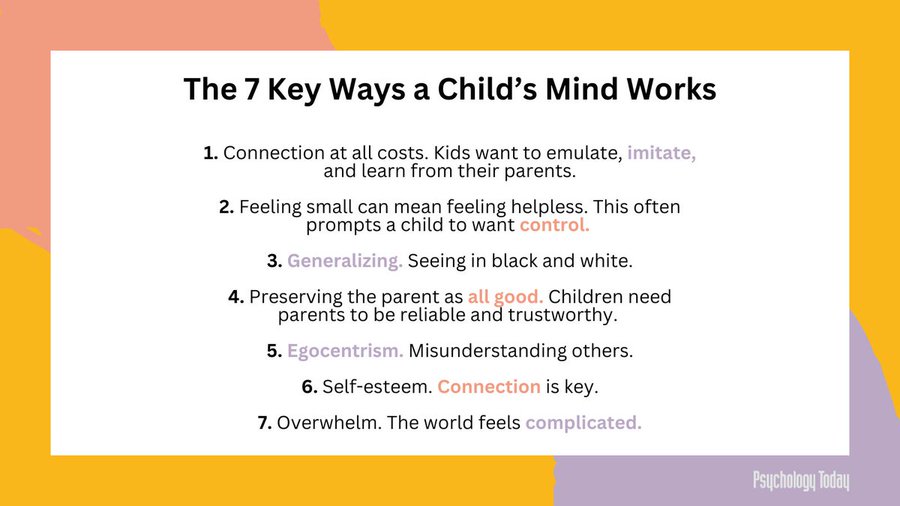
The next time your child acts up, ask yourself what’s at the root of it. You’ll likely find that one or more of these qualities is at play. https://psychologytoday.com/us/blog/a-deep-dive-into-narratives/202503/the-7-key-ways-a-childs-mind-works

Health is Wealth
·
The next time your child acts up, ask yourself what’s at the root of it. You’ll likely find that one or more of these qualities is at play. https://psychologytoday.com/us/blog/a-deep-dive-into-narratives/202503/the-7-key-ways-a-childs-mind-works
·
The next time your child acts up, ask yourself what’s at the root of it. You’ll likely find that one or more of these qualities is at play. https://psychologytoday.com/us/blog/a-deep-dive-into-narratives/202503/the-7-key-ways-a-childs-mind-works


·
Alcohol is a Group-1 carcinogen—but one that happens to be woven into our daily lives and often viewed as a go-to way to cope with stress or disappointment. Here are 5 ways to change that mindset, writes
The Hidden Cost of an Evening Glass of Wine
“I need a stiff drink!” “Let’s drown our sorrows.” “I just need to unwind with a glass of wine.”
Phrases like these are so common, we barely think twice about them. Alcohol has become deeply woven into our daily lives and culture. It’s often seen as a go-to way to cope with stress, disappointment, or just the pressures of everyday life. Got bad news? Feeling overwhelmed? Need to relax? Society has taught us that it’s totally normal—even expected—to pour a big glass of wine, toss back a couple of tequila shots, or order a double whiskey.
In fact, using alcohol to handle stress is often not only accepted but actively encouraged by friends, coworkers, and the media. Movies and TV shows constantly show characters doing the same, reinforcing the idea that this is just how we deal with life.
But here’s the truth: alcohol is the one of the most widely used drugs in the world. And the way we’ve normalized it’s use as a coping mechanism deserves a closer look.
Alcohol is a toxic, psychoactive substance that can lead to dependence. It’s also been officially classified as a Group 1 carcinogen by the International Agency for Research on Cancer—putting it in the same category as asbestos, radiation, and tobacco. Research shows that alcohol contributes to at least seven different types of cancer, including some of the most common, like colon cancer and breast cancer. In fact, earlier this year, former U.S. Surgeon General Vivek H. Murthy issued a public health advisory warning about the clear link between alcohol use and cancer risk.
What’s concerning is that less than half of Americans are aware that drinking alcohol increases their risk of cancer. As a psychiatrist who often discusses alcohol use with patients, this lines up with what I see in practice. Many people simply don’t know that alcohol is a carcinogen. Even more common is the belief that low levels of alcohol—like a glass of wine a day—are actually good for your health, especially for the heart and brain. But that idea is being seriously questioned. In January 2023, the World Health Organization published a statement in The Lancet Public Health making it clear: When it comes to alcohol, there is no safe amount that doesn’t affect your health.
Facebook image: Just Life/Shutterstock
 Healthaware