Harvard HealthVerified account @HarvardHealth
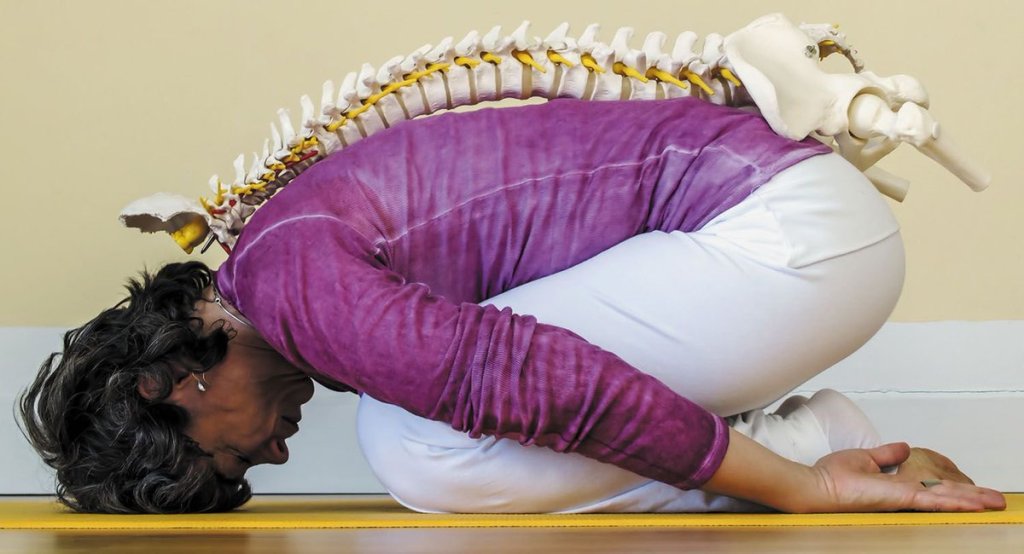
The best medicine for back pain may be good old-fashioned movement and exercise. http://bit.ly/2TArb8A #HarvardHealth #exercise

Harvard HealthVerified account @HarvardHealth
The best medicine for back pain may be good old-fashioned movement and exercise. http://bit.ly/2TArb8A #HarvardHealth #exercise


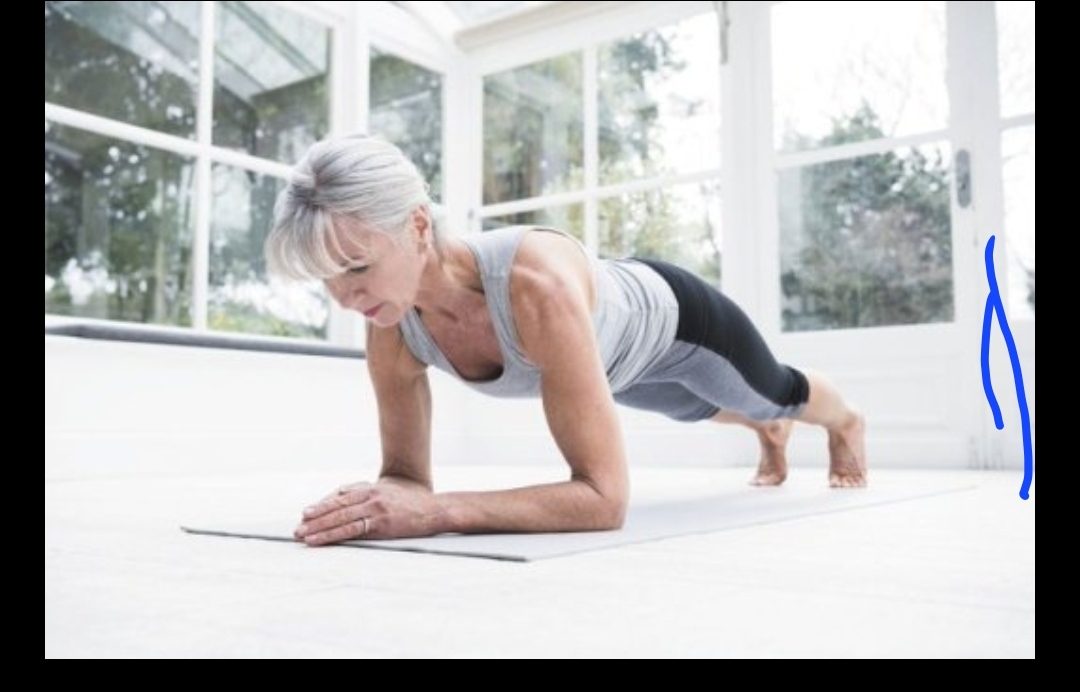
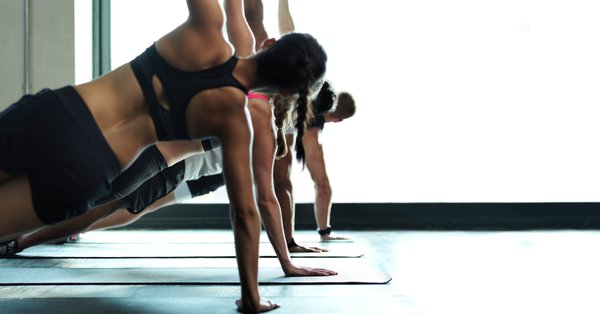
Plank exercises, in which you assume a position and hold it, are the gold standard for working your #core while classic sit-ups and crunches have fallen out of favor. Why the shift?


You may not realize it, but we all start losing 1 percent of muscle mass each year after age 30. That’s why your diet in later years should not look the same as it did when you were younger, says endocrinologist Susan Williams, MD.
Skipping breakfast, eating fast food and being inactive in your 20s and early 30s might not hurt your health in the short term. However, poor nutrition and lifestyle habits take their toll over time.
People who embrace good habits early on really get ahead of the game, Dr. Williams says. But it’s never too late to start eating better and taking better care of your body.
Whether you’re 30 or 50, Dr. Williams offers three important tips to get started in eating right when you are thinking about your long-term health.
RELATED: Do You Know How Much Exercise You Really Need?
A roller coaster of weight gain and loss can change your body composition and leave you with more fat mass and less lean muscle mass.
You also want to limit your snacks in between. The word “balanced” is especially important because eating a wide variety of foods will help you prevent nutritional deficiencies.
Dr. Williams suggests this simple shopping list:
Steer clear of cookies, cakes, pies, ice creams, juices and rich desserts. If that sounds like no fun, Dr. Williams advises treating these foods as treats. Save them for dining out or special occasions, but don’t make them part of your daily diet.
RELATED: Which Bread Is Best For You — Whole-Grain, Multigrain or Whole Wheat?
Eating protein and being physically active are equal partners in the quest for maximum health, Dr. Williams says. Muscles are made of protein, but simply eating protein is not enough to save them.
“Muscles in your body are a use-or-lose proposition,” she says. “You need to use them to keep them strong.”
Can’t carve out time for the gym? Try this daily routine:
Even a half hour of physical activity can make a world of difference, especially if you make it a habit in your 30s. “Don’t let your weight creep up while your muscle mass creeps down over your 30s and 40s,” Dr. Williams says. The longer you wait, the harder it will be to get started — and the more muscle you will have already lost.



Cleveland ClinicVerified account @ClevelandClinic 20 hours ago
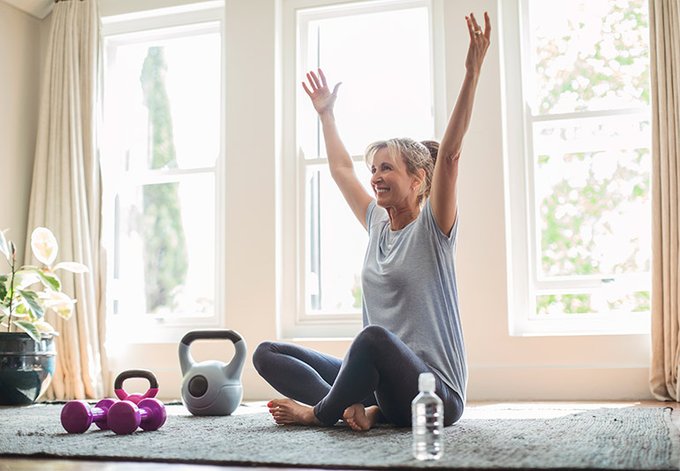
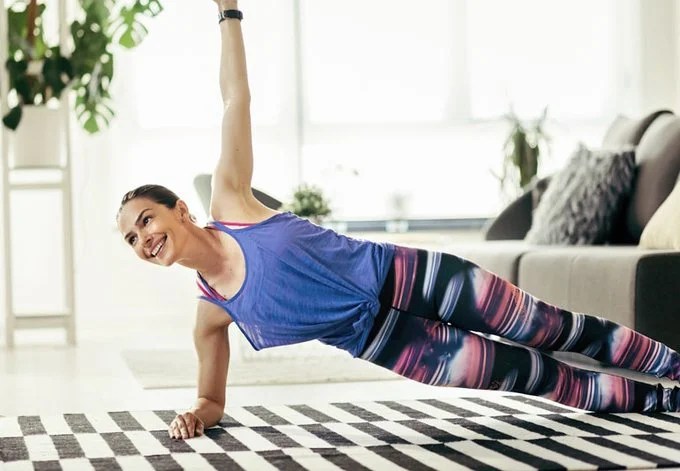
Engage your abdominal muscles with these yoga poses that build a strong & stable center!
Contributor: Certified yoga instructor Patti Kopasakis, PT, DPT, SCS, RYT-200
Your abdominal muscles are just one component of your core. The gluteal muscles, diaphragm, hip flexors, and hip adductor muscles also comprise your core. These large muscle groups help control the movements you make throughout the day. Strengthening these muscles helps to absorb forces from daily activities and decrease the forces that move through joints.
Here is a group yoga poses that can help to improve your core muscles. Try holding them for two to three breaths at first, then increase the number of breaths to challenge yourself. On the one-sided poses, be sure to repeat on the other side!
Note: Poses should be entered into and moved out of slowly to protect muscles and joints. If you are having specific pain that has been ongoing for longer than two weeks or you have a specific injury, it is always best consult a qualified health care provider, such as a physical therapist, who can develop a plan specific to your needs.
https://health.clevelandclinic.org/yoga-poses-that-can-strengthen-your-core-muscles/?


Chartered Society of PhysiotherapyVerified account @thecsp 37 minutes ago
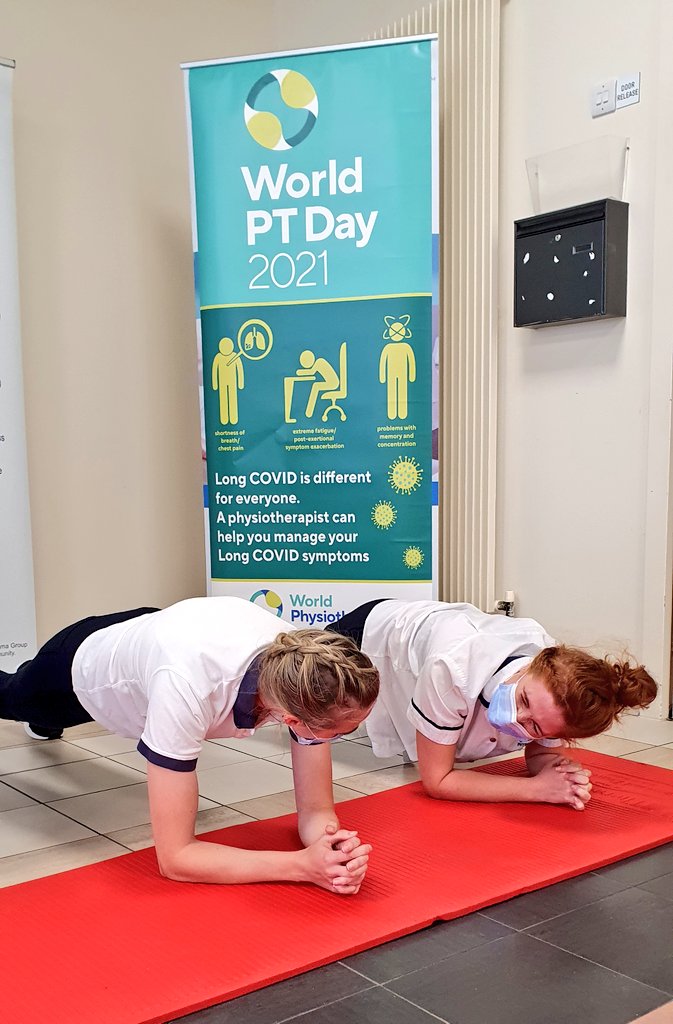
There are many myths surrounding back pain, read our guide ’10 things you need to know about your back’ with the latest physio advice: http://www.csp.org.uk/yourback #LiveWellforLonger


You may not realize it, but we all start losing 1 percent of muscle mass each year after age 30. That’s why your diet in later years should not look the same as it did when you were younger, says endocrinologist Susan Williams, MD.
Skipping breakfast, eating fast food and being inactive in your 20s and early 30s might not hurt your health in the short term. However, poor nutrition and lifestyle habits take their toll over time.
People who embrace good habits early on really get ahead of the game, Dr. Williams says. But it’s never too late to start eating better and taking better care of your body.
Whether you’re 30 or 50, Dr. Williams offers three important tips to get started in eating right when you are thinking about your long-term health.
RELATED: Do You Know How Much Exercise You Really Need?
A roller coaster of weight gain and loss can change your body composition and leave you with more fat mass and less lean muscle mass.
You also want to limit your snacks in between. The word “balanced” is especially important because eating a wide variety of foods will help you prevent nutritional deficiencies.
Dr. Williams suggests this simple shopping list:
Steer clear of cookies, cakes, pies, ice creams, juices and rich desserts. If that sounds like no fun, Dr. Williams advises treating these foods as treats. Save them for dining out or special occasions, but don’t make them part of your daily diet.
RELATED: Which Bread Is Best For You — Whole-Grain, Multigrain or Whole Wheat?
Eating protein and being physically active are equal partners in the quest for maximum health, Dr. Williams says. Muscles are made of protein, but simply eating protein is not enough to save them.
“Muscles in your body are a use-or-lose proposition,” she says. “You need to use them to keep them strong.”
Can’t carve out time for the gym? Try this daily routine:
Even a half hour of physical activity can make a world of difference, especially if you make it a habit in your 30s. “Don’t let your weight creep up while your muscle mass creeps down over your 30s and 40s,” Dr. Williams says. The longer you wait, the harder it will be to get started — and the more muscle you will have already lost.