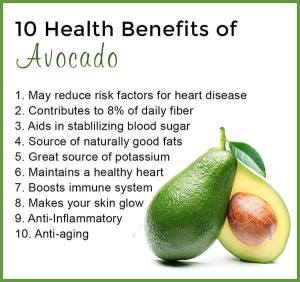
-
10 Health benefits of Avocado
#HealthTips#HealthFoods
 healthcareatoz

Health is Wealth
https://www.instagram.com/reel/Cs38Vg2AMYT/?igshid=MTc4MmM1YmI2Ng==
 clevelandclinic

Chartered Society of PhysiotherapyVerified account @thecsp 37 minutes ago
There are many myths surrounding back pain, read our guide ’10 things you need to know about your back’ with the latest physio advice: http://www.csp.org.uk/yourback #LiveWellforLonger

Stay hearty and healthy no matter how cold it gets
Skies are gray, clouds are lowering and the temperature is dropping. And with the changing weather usually comes a transition in food, from the lighter fare of summer to more hearty winter meals.
But what’s the best way to make the switch and stay healthy? Should you really switch up your diet that much? And what’s the best way to adapt your meal planning during the coronavirus pandemic so you don’t have to leave your house as much for grocery runs?
To figure out the best way to approach your winter meal planning, we talked to registered dietitian Lisa Burnett, RD, about some important tips and tricks to getting through the long, cold season with your nutrition intact.
You’ve probably heard a lot about the need to up your vitamin D intake, especially during the winter. That’s because vitamin D not only is essential to muscle and bone health, deficiency in vitamin D has also been linked to decreased immunity and fatigue. And it’s harder to keep your vitamin D up in winter.
“We’re supposed to get most of our vitamin D from sunlight but there’s less sunlight in winter, especially in certain regions,” says Burnett. Certain foods like fortified dairy products and cold-water fish (like salmon and tuna) are good sources of vitamin D.
The bottom line, she says, is getting plenty of fruits, vegetables, whole grains and lean proteins. And it’s important to remember that even if the seasons change, your body still needs the same maintenance.
“While your tastes may change, your needs don’t change a lot in terms of the vitamins and nutrients you need,” she notes. “It’s always important to eat well and keep eating fruits and vegetables to get those vitamins and minerals.”
Other nutrients Burnett suggests getting in your regular cold season diet as it’s better for your body to absorb these through digestion than through supplements.
“Vitamin C can boost your immunity so it’s a great thing to include however if you’re getting two-to-three servings of fruit and three-plus servings of vegetables each day, you should be able to get adequate amount of vitamin C,” she says.
And getting those vegetables doesn’t mean you have to eat a huge serving, either. Generally, a half-cup is good.
Bell peppers are a good veggie source for vitamin C, Burnett says. And for fruits, the reliable citrus fruits are good sources as are cranberries, which are more in-season, especially during the holidays.
When the season gets colder and drier, many people complain of dry, itchy and flakey skin. vitamin E can reduce inflammation and can help skin health and if you’re keeping that fruit-and-veggie intake up, you should get plenty of that, too.
B vitamins are also important, she says, as they’re antioxidants and influence your energy and brain functions. “Your dark, leafy greens are good sources for those vitamins as are legumes, like beans and lentils,” she adds.
Speaking of tastes changing with the seasons, colder weather often brings on a wave of heartier, heavier foods. But, while these meals may be beloved cold-weather traditions, Burnett says to beware of starches.
“Winter squashes are considered vegetables, but, nutritionally, they look a lot more like starches,” she points out. “They do have vitamins and minerals but they also have a lot of carbohydrates.”
One way to moderate that intake, she says, is to make sure you include another vegetable into your meal plan instead of another starch. “For instance, if you’re eating chicken with butternut squash, have a salad on the side instead of bread or potatoes. That helps keeps down the starch portion of your plate.
Soups are very popular in winter for a variety of reasons: they’re easy to make, they warm you up in the cold, they can keep in your freezer or fridge and they offer a wide range of flavors and combinations.
But one thing you should be wary of, Burnett says, is sodium. “That high sodium content is always a fear with soups. If you check the labels of a lot of popular store-bought soups or soups you can buy at restaurants, they have those high sodium levels.”
Instead, she says, consider making your own soups. Not only can you make your own flavor combinations but you can ensure they’re healthier options. And when it comes to bases, she also suggests choosing broth over cream.
“In cream-based soups, you’ll have those saturated fats from whatever dairy was used to make that cream base,” she says. “A great idea is to use low-sodium broth and use real, fresh ingredients.”
One more advantage of soup? A welcomed versatility in a time of social isolation.
Because of the ongoing pandemic, it’s best to minimize trips to the grocery store (to protect yourself) and minimize those grocery delivery orders (to protect workers). That makes long-term meal planning and meal freezing an overlooked yet key step to staying safe and nutritious this winter.
And that’s where soups can be a big help. Says Burnett, “Soups are great to freeze so they last a long period of time. You can always pair it with a salad or, if it’s a lean protein-based soup, it could be a whole meal by itself. That’s also true of stews, too, as long as you stick healthy, fresh ingredients.”
Burnett says that batch-cooking – cooking many meals in one batch – is a big plus for the winter. “You can make several plates of three or four meals, free them and then work through them over the course of a few weeks,” she says.
She adds that crockpots are a good way to prepare those batch-cooked meals. “With a crockpot, you not only can cook large portions to break up over time but you can also get in everything you need, from proteins to your vegetables with necessary nutrients and minerals.”
The one thing to keep an eye on, besides ingredients, is portion size, she adds. “Certain comfort foods, like lasagna, do well with freezing and keeping for a while. You just need to be aware of portion size and what other vegetables and food options you’re cycling in to go with it.”
Fresh fruits and veggies are always the best options if you can swing it. But certain items may be out of season depending on the time of year. Or maybe you’re looking to minimize trips to the grocery store or get certain produce in bulk.
In that case, you’re faced with a decision: canned or frozen?
According to Burnett, go with frozen. “Frozen vegetables and fruit have come a long way. Steamer bags make it much easier and have helped improve the quality. And nutrient-wise, those frozen options are fairly comparable to the fresh options.”
With the canned options, you run into issues like higher sodium in canned vegetables and higher sugars in the syrup with canned fruits. “There are some options that are healthier, like low sodium canned vegetables,” she says, “but you’ll just need to keep an eye on the nutrition labels and looked for those added sugars and salt.”FACEBOOKTWITTERLINKEDINPINTERESTEmailmeal plannutrientsvitamin cvitamin D
Cleveland Clinic is a non-profit academic medical center. Advertising on our site helps support our mission. We do not endorse non-Cleveland Clinic products or services. Policy
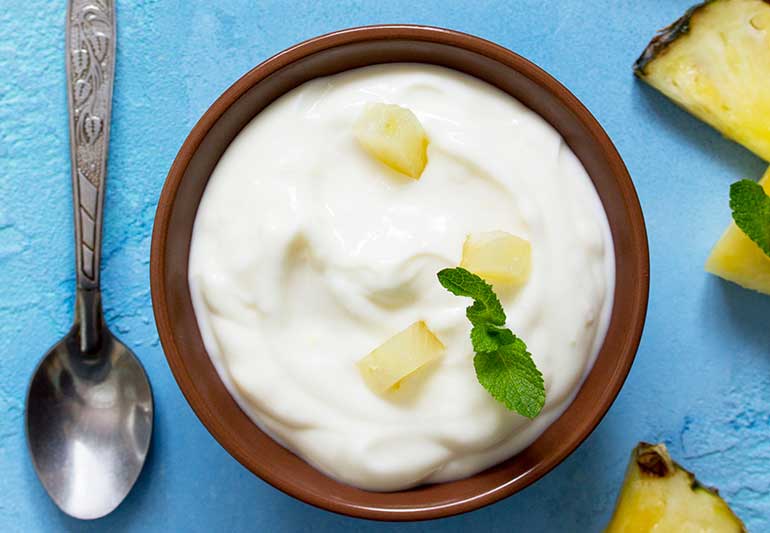
Make fruit more fun for kids — and adults!
Makes 6 servings
Calories: 140
Fat: 0 g
Saturated fat: 0 g
Sodium: 15 mg
Protein: 4 g
Carbohydrates: 32 g
Sugars: 24 g
Dietary fiber: 3 g



Mayo ClinicVerified account @MayoClinic 7 hours ago
#WomensWellness: Pregnancy can take a toll on your body. But as much as you need #sleep during #pregnancy, it doesn’t always come easily. Understand how pregnancy affects sleep and what you can do to rest comfortably. https://mayocl.in/2I5CmQn @WHMayoClinic


A physical therapist says it boils down to two key things
health.clevelandclinic.org

Recipe: Spanish Omelet With Veggies and Cheese
Omelets are a great choice for a one-skillet meal, and our recipe delivers on nutrition and taste! This meatless dinner option provides 100% of your daily vitamin C and is a good source of calcium.
Makes 5 servings
Calories: 290
Total fat: 6 g
Saturated fat: 2.5 g
Trans fat: 0 g
Cholesterol: 120mg
Sodium: 250 mg
Total carbohydrate: 43 g
Fiber: 6 g
Sugars: 5 g
Protein: 18 g
— Recipe courtesy of Digestive Disease Health Team Dietitians.
 Healthaware