
Harvard HealthVerified account @HarvardHealth
Another reason to include that cup of #coffee in your morning routine – coffee may help your skin stay healthy! #HarvardHealth http://bit.ly/2zn0MyF

Health is Wealth
Harvard HealthVerified account @HarvardHealth
Another reason to include that cup of #coffee in your morning routine – coffee may help your skin stay healthy! #HarvardHealth http://bit.ly/2zn0MyF


Wearing no clothes could lead to cooler skin temperatures that put ZZZs within reach
Many people believe they were born with the only pajamas needed for a good night’s sleep, but here’s the naked truth: No research directly confirms that sleeping in the buff leads to better slumber.
There is, however, some validity behind the idea of sleeping naked — namely regarding how a cooler skin temperature improves sleep quality.
So, should you consider stripping down at bedtime before sliding under the sheets? Let’s look at the potential benefits (and risks) with behavioral sleep disorders specialist Michelle Drerup, PsyD, DBSM.
There are some possible perks to nude sleeping … so, maybe? Here are a few reasons why you might want to slip off your clothes before slipping off to sleep.
Your body naturally works to lower its thermostat to doze off at night through its circadian rhythm, which regulates your sleep/wake cycle. The faster you cool off, the faster you typically catch some ZZZs, says Dr. Drerup.
That’s also one of the reasons why sleep experts recommended that you keep your bedroom temperature between 60 degrees Fahrenheit and 67 degrees Fahrenheit (15.5 degrees Celsius to 19.44 degrees Celsius) for optimal snoozing.
Ever toss and turn in bed because you’re too hot? Sleeping naked certainly removes any possibility of pajama-induced overheating interfering with a good night’s rest. It’s the absolute final move in shedding layers to stay cool.
“There’s no question that cooler is better than warmer for overall sleeping,” says Dr. Drerup.
And getting enough rest is key to … well, just about everything in day-to-day life. Waking up refreshed can help you manage stress more effectively, improve focus, boost performance and make you a more pleasant person.
Tight-fitting underwear can trap heat and moisture between your legs. What makes a yeast infection thrive? Yep — heat and moisture.
Sleeping naked (or even in loose-fitting cotton bottoms) allows for some air circulation around your vagina. Keeping the area cooler and drier may help reduce your chances of getting a yeast infection, too.
Heat isn’t a friend of male fertility. Regular exposure to higher temperatures for your testicles can cause sperm counts to drop. Wearing underwear that keeps things packed tight doesn’t exactly offer a cooling effect.
Studies show that men who wear boxers have a higher sperm count than their buddies in briefs. So if loose-fitting boxes help that much, imagine what 8 hours of no clothing might do.
Sleepwalkers may want to give the idea some extra thought to going au natural to avoid any potential awkward encounters, notes Dr. Drerup.
And if you’re not a fan of doing laundry, consider this: Your washing schedule for bedding may need to increase with more skin-to-sheet contact. (Gross fact: The skin cells you shed in a day can feed 1 million dust mites. You don’t want to turn your bed into their buffet.)
Going to bed “nearly” naked while wearing lightweight and loose-fitting garments can bring you similar quality sleep results as taking everything off. “Tank tops and boxer-style briefs don’t possess a ton of warming qualities,” says Dr. Drerup.
And while being cool is desirable for sleep, you also don’t want to be cold. There’s even evidence that wearing socks to bed to warm your tootsies can help you drift off to sleep.
Ultimately, what you wear to sleep is a personal choice. “There’s no proven benefit or harm to sleeping naked,” says Dr. Drerup. “Just do what feels right and then rest easy with your decision.”
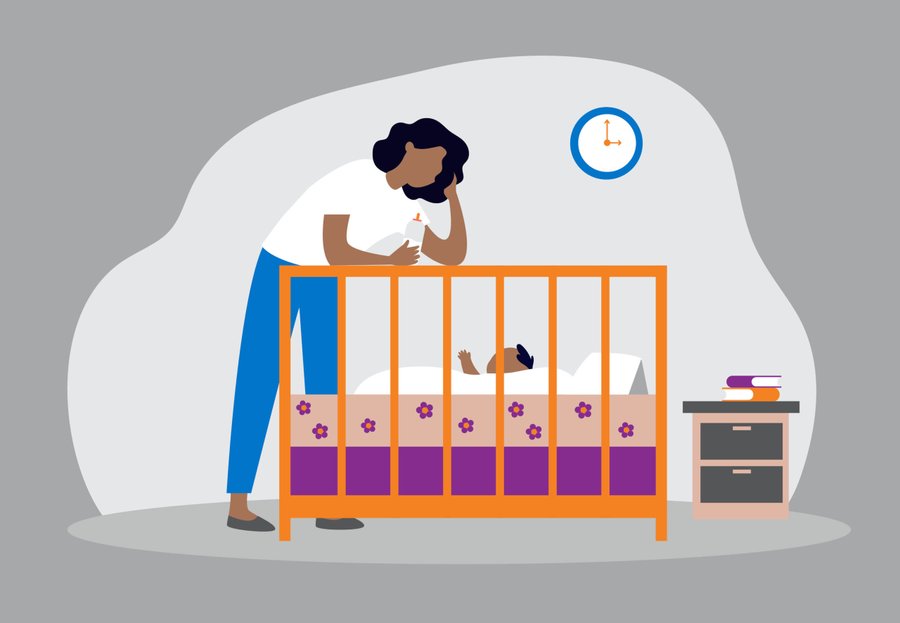
It’s uncommon in kids under 3, but providers may test under certain circumstances
We’ve all done it
Stared into the mirror, flashlight trained on our open mouths, searching for the telltale white patches that typically indicate strep throat. If we see them, we’re off to our primary care practitioner or nearest medical express center for a rapid strep test and, if needed, a course of antibiotics. No big deal.
But when it comes to your baby or toddler, any hint of illness does feel like a big deal.
The fact that untreated strep can cause complications makes the guessing game all the more stressful. That’s why we asked pediatrician Wadie Shabab, MD, FAAP, whether it’s possible for children under 3 to contract strep throat and what worried parents should do if they think their wee one has it.
Acute streptococcal pharyngitis (strep throat) is a highly contagious bacterial infection. It can spread through respiratory droplets or through direct contact, like sharing a cup or touching an infected surface. Strep has an incubation period — the time when you’re contagious but aren’t yet showing any symptoms — of two to five days, which makes it easy to spread, especially in crowded places like schools and daycare facilities.
Strep throat is most common in kids between the ages of 5 and 15. Certain strains of strep throat can cause a red rash known as scarlet fever or a skin infection called impetigo. Luckily, antibiotics can speed up the recovery process and reduce the amount of time a person’s contagious.
Left untreated, strep throat can cause rheumatic fever or a serious kidney problem called acute glomerulonephritis. But these complications are rare. Where we see do see rheumatic fever and glomerulonephritis, it’s usually in resource-poor countries with limited access to antibiotics.
That’s the cloud. Here’s the silver lining: “In general, it’s uncommon for children younger than 3 to have strep throat,” Dr. Shabab says. It’s much more likely that a virus is causing your kiddo’s discomfort.
And there’s more good news: Strep infections also tend to be milder and cause fewer dangerous complications in infants and toddlers than they do in older kids.
While rare, it is possible for a very young child to contract strep throat. And the infection can cause different symptoms than the ones you see in older children and adults. Here are some things to look out for:
Even if your baby ticks most of those boxes, Dr. Shabab says it’s possible a healthcare provider will decide not to test or treat for strep.
Why would your pediatrician opt out of strep testing your sick child? Dr. Shabab says that in addition to contracting strep being rare, the likelihood of complications is also rare.
“We treat strep to decrease the duration of the symptoms and prevent complications such as sinus infections, ear infections and abscesses in the throat area,” he explains. “But the most important reason we treat strep throat is to prevent acute rheumatic fever and acute glomerulonephritis.”
According to Dr. Shabab, it’s very rare for children under 3 to develop these complications, so providers frequently opt not to test and let whatever is happening resolve on its own.
But as with any rule, there are important exceptions to be aware of.
More often than not, a child under 3 isn’t going to have strep throat. But that doesn’t mean there aren’t times when it’s important to be sure.
Your healthcare provider will likely perform a throat swab on your child if they’re ill and:
If your little one’s test comes back positive, their provider might prescribe antibiotics.
The single best way to reduce your risk of strep throat is by practicing good hygiene. Unfortunately, children under 3 aren’t known for their cleanliness. Still, getting your children in the habit of washing their hands for 20 seconds with soap and warm water throughout the day, before eating and after sneezing or coughing is a great first step. And modeling the behavior will help you avoid getting sick, which improves your kiddo’s chances of staying healthy, too!
Here are a few other things you can do to minimize the chances of strep making its way into your home:
It’s rare for children under the age of 3 to get strep throat — and still more unusual for them to get seriously ill as a result. Again, healthcare providers rarely test for it as a result, unless your child is ill and:
Very young children tend not to have the same symptoms as older children with strep throat. If you’re concerned about their symptoms — especially if they have a fever — contact their pediatrician immediately.

Chartered Society of PhysiotherapyVerified account @thecsp 37 minutes ago
There are many myths surrounding back pain, read our guide ’10 things you need to know about your back’ with the latest physio advice: http://www.csp.org.uk/yourback #LiveWellforLonger



Why not try your hand at making homemade tomato sauce? The freshness of the tomatoes and the smokiness of the roasted vegetables make this a great topping for spaghetti. If you don’t have your own garden, use canned Roma tomatoes for a tasty dish that includes roasted mushrooms, broccoli and peppers.
Tomato sauce
Olive oil cooking spray
2 garlic cloves, minced
1 small carrot, minced
1 shallot, minced
4 cups peeled, seeded, and diced ripe tomatoes or one 28-ounce can no-salt-added diced tomatoes, drained
1/4 cup dry red wine
1 1/2 tablespoons balsamic vinegar
1/4 teaspoon crushed red pepper flakes, optional
1/4 cup chopped fresh basil
Pasta
1/2 pound whole wheat spaghetti
3/4 pound broccoli florets and stalks, peeled and cut into bite-size pieces
2 portobello mushrooms, halved and thinly sliced
1 red, yellow or orange bell pepper, seeded and coarsely chopped
1 1/2 tablespoons extra-virgin olive oil
1 1/2 tablespoons balsamic vinegar
Freshly grated pepper
2 tablespoons freshly grated Parmesan cheese
Makes 4 servings
Calories: 363
Total fat: 4 g
Protein: 15 g
Carbohydrate: 71 g
Dietary fiber: 4 g
Cholesterol: 0 mg
Sodium: 100 mg
Potassium: 93 mg
— Cleveland Clinic Healthy Heart Lifestyle Guide and Cookbook (© 2007 Broadway Books).

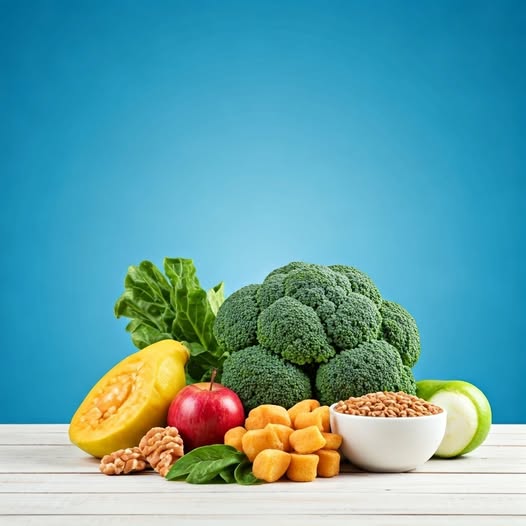
“Eat your broccoli,” may be a familiar refrain from your childhood. Maybe you didn’t love broccoli as a kid, but your parents were onto something. The “little trees” are full of fiber, folate, vitamins and more.
Broccoli is a member of the Brassica genus of plants, also known as the cabbage family. Broccoli’s relatives include Brussels sprouts, cabbage, cauliflower, chard and watercress. Many Brassicas have strong flavors and mix well with meats and other vegetables.
“A pile of steamed broccoli doesn’t appeal to everyone,” recognizes registered dietitian Beth Czerwony, RD, LD. “But broccoli is incredibly versatile and can be used in so many different dishes. Toss it in with your stir fry, chop it fresh in a salad or roast it with your baby potatoes. And with an abundance of nutrients, there are many benefits of eating broccoli.”
A cup of chopped raw broccoli has approximately:
In addition, a cup of raw broccoli offers:
Source: U.S. Department of Agriculture
It’s worth finding ways to add broccoli to your diet because it’s a health-boosting dynamo. Here’s some motivation for you to get your green on: Some of the beneficial substances in broccoli are somewhat unique to the Brassica family of vegetables. Broccoli provides nutrients that may:
As a superfood status, broccoli can improve your health with these five components:
“Broccoli offers some powerful molecules that protect your cells from damage,” says Czerwony. “Some of them even destroy cancer cells.”
Cancer-fighting molecules in broccoli include DIM, indole-3-carbinol and sulforaphane. According to studies, they may help:
These anticancer molecules are in several of broccoli’s cruciferous veggie relatives, too. These nutrients don’t survive cooking or freezing. So, to get the benefits, raw broccoli is best.
“Some of these compounds are even more concentrated in broccoli sprouts,” notes Czerwony. “You can find broccoli sprouts in health food stores and many grocery stores. Sprouts are also easy to grow at home using a sprouting kit.”
Both human and lab studies suggest compounds in broccoli may help lower blood sugar in people with Type 2 diabetes. This effect may be due to the antioxidants in broccoli, like vitamin C.
Research shows that fiber can also help with blood sugar management. At 2.5 grams of fiber per cup, broccoli is a good source of this nutrient.
In a nonhuman study, researchers found that broccoli can help protect the lining of your small intestine. Compounds found in broccoli, called aryl hydrocarbon receptor ligands, help keep small intestine cells working well.
Why do those cells matter so much? When your small intestine lining is healthy, it only allows water and nutrients to pass through it into your bloodstream.
But when the cells of the lining are damaged, undigested food particles, bacteria and other disease-causing particles may pass through. A damaged small intestine lining can lead to infections and inflammation. It can also prevent you from absorbing the nutrients you need.
Vitamin C is well-studied as an immune-boosting nutrient. When you don’t have enough vitamin C, you’re more likely to get infections.
The antioxidant effects of vitamin C also help your body keep free radicals under control. “Free radical damage is linked to all kinds of problems, including Alzheimer’s disease, autoimmune diseases, cancer, heart disease and Parkinson’s disease,” says Czerwony. When you don’t have enough antioxidants to neutralize free radicals, they damage your cells.
Surprising but true: Broccoli has more vitamin C than oranges. In 1 cup of the green cruciferous veggie, you get a whopping 81 milligrams of vitamin C. That’s 90% of the daily U.S. recommended dietary allowance (RDA) for adults. (An orange has about 70 milligrams.)
Research suggests certain bioactive compounds in broccoli may boost your heart health in a variety of ways. It may:
“If you want those anticancer compounds like sulforaphane, choose fresh broccoli,” advises Czerwony. Freezing inactivates sulforaphane.
“Frozen broccoli also loses a bit of its vitamin content. But overall, frozen broccoli is still very healthy. It’s better than not eating any broccoli because you still get a lot of the health benefits,” she continues.
Need some broccoli-inspired meals? Try these easy recipes:
 Healthaware