Skip to content
Healthaware

Healthaware

Health is Wealth

  • Home

Tag: physiotherapy

Posted on August 30, 2024August 30, 2024

Lovely rose keeps the bees 😊 #loveleitrim

Lough Rynn Castle Estate and Gardens
Posted on August 30, 2024

Starting a Workout Routine – Tips to start moving and grooving @ClevelandClinic #physicalactivity


Exercise
 is a vital part of a healthy lifestyle. But if you’ve gotten out of the habit of being active — or have never found an exercise routine that works — it might feel like an impossible task to get started.
Luckily, it’s never too late to figure out a workout routine. Here’s how to start exercising — and tips to stay motivated when all you want to do is hang out on the couch instead.
What should I include in my exercise program?
Every exercise session should include a warm-up, a conditioning phase and a cool-down phase.
The warm-up
In a nutshell, a warm-up helps your body adjust slowly from rest to exercise. Making this part of your routine reduces the stress on your heart and muscles, and slowly increases your breathing, circulation (heart rate) and body temperature. A warm-up can also help improve your flexibility and reduce muscle soreness.
The best warm-up includes stretching, range of motion activities and beginning the activity at a low-intensity level.
Conditioning phase
The conditioning phase follows the warm-up and is the time when you’re burning calories and moving and grooving.
During the conditioning phase, you should monitor the intensity of your activity. The intensity is how hard you’re exercising, which can be measured by checking your heart rate.
Over time, you can work on increasing the duration of the activity. The duration is how long you exercise during one session.
Cool-down phase
The cool-down phase is the last phase of your exercise session. It allows your body to gradually recover from the conditioning phase. Your heart rate and blood pressure will return to near-resting values.
However, a cool down does not mean to sit down. In fact, for safety reasons, don’t sit, stand still or lie down right after exercise. This might cause you to feel dizzy, lightheaded or have heart palpitations (fluttering in your chest).
The best cool down is to slowly decrease the intensity of your activity. You might also do some of the same stretching activities you did in the warm up.
General exercise guidelines
In general, experts recommend doing a five-minute warm up, including stretching exercises, before any aerobic activity, and include a five- to 10-minute cool down after the activity. Stretching can be done while standing or sitting.
Here are some other things to keep in mind when starting a workout routine:
Determine the best exercise routine for your lifestyle
Not everybody likes to hop out of bed in the morning and go for a run. Figuring out a routine that fits your lifestyle can help you be more successful.
Here are some questions you can think about before choosing a routine:
What physical activities do I enjoy?
Do I prefer group or individual activities?
What programs best fit my schedule?
Do I have physical conditions that limit my choice of exercise?
What goals do I have in mind?
(These might include losing weight, strengthening muscles or improving flexibility, for example.)
Don’t try and exercise too much too fast
Gradually increase your activity level, especially if you haven’t been exercising regularly. Guidelines around how often to exercise also differ depending on your age, any health conditions you have and your fitness history.
Set big and small goals — and be specific
If you’re looking to reach a particular goal, exercise specialist Ben Kuharik suggests setting mini goals to achieve along the way. This ensures your motivation stays strong over the long haul.
Setting a specific goal is also important. “For example, if you want to lose some weight, it’s hard to be motivated or stick to a plan,” he says. “That’s because you don’t have the excitement in knowing you are getting closer to achieving it.”
Having smaller goals or milestones to reach in between the big ones keeps you on track. “If you want to lose 8 pounds in two months — and you set a mini goal of losing 1 pound a week in the process — you get the sense of accomplishment that reaffirms your efforts,” Kuharik says. “And this can snowball into achieving even greater goals.”
This also applies if you fall short of your goal. “If you only lose 7 pounds in two months, you’re still 7 pounds down than when you started,” Kuharik affirms. “You’ll feel great about the progress you’ve already made.”
Schedule exercise into your daily routine
Plan to exercise at the same time every day, such as in the mornings when you have more energy or right after work. Add a variety of exercises so you don’t get bored.
Where exercise is concerned, something is also always better than nothing. “Not every day will go as planned,” Kuharik notes. “If you unexpectedly have a tight schedule or are even just having an off day, doing half of your planned workout that day is much more rewarding and beneficial than skipping it altogether.”
Exercise at a steady pace
Keep a pace that allows you to still talk during the activity. Be sure not to overdo it! You can measure the intensity of your exercise using the Rated Perceived Exertion (RPE) scale. The RPE scale runs from 0 to 10 and rates how easy or difficult you find an activity.
For example, 0 (nothing at all) would be how you feel when sitting in a chair; 10 (very, very heavy) is how you feel at the end of an exercise stress test or after a very difficult activity. In most cases, you should exercise at a level that feels 3 (moderate) to 4 (somewhat heavy).
Keep an exercise record
Keep a record of how much and when you exercise. This can help you look at goal-setting, as well as get a sense of how much activity you’re doing in a given week.
Time your eating and drinking properly
Wait at least one and a half hours after eating a meal before exercising. When drinking liquids during exercise, remember to follow any fluid restriction guidelines you might have.
Only buy what you need
Exercise doesn’t have to put a strain on your wallet. Avoid buying expensive equipment or health club memberships unless you’re sure you’ll use them regularly. But you’ll want to dress for the weather (if working out outside) and wear protective footwear. Sneakers are the one thing you should prioritize, as you want to make sure your feet are protected.
Stick with it
If you exercise regularly, it’ll soon become part of your lifestyle. Make exercise a lifetime commitment. Finding an exercise “buddy” can also help you stay motivated.
Don’t forget to have fun
Exercising should be fun and not feel like a chore. “Consistency is key — but to do something consistently, it’s important to find a way to enjoy it,” Kuharik says.
So, above all, choose an activity you enjoy! You’ll be more likely to stick with an exercise program if you don’t dread working out.
“Try to look at exercise as an opportunity to get away from stress, clear your mind and leave nagging thoughts at the door,” Kuharik encourages. “With this in mind, over time, you will look forward to giving your mind a break and feeling good after a great workout session!”
Exercise: Where To Start
You should always talk to your doctor before starting an exercise routine. Together, you can figure out a plan to ease into regular physical activity.
And walking and climbing stairs are two easy ways to start an exercise program.
Walking guidelines
Start with a short walk. See how far you can go before you become breathless. Stop and rest whenever you’re short of breath.
Count the number of steps you take while you inhale. Then exhale for twice as many steps. For example, if you inhale while taking two steps, exhale through pursed lips while taking the next four steps. Learn to walk so breathing in and exhaling out become a habit once you find a comfortable breathing rate.
Try to increase your walking distance. When setting specific goals, you might find you can go farther every day. Many people find that an increase of 10 feet a day is a good goal.
Set reasonable goals. Don’t walk so far that you can’t get back to your starting point without difficulty breathing. Remember, if you’re short of breath after limited walking, stop and rest.
Never overdo it. Always stop and rest for two or three minutes when you start to become short of breath.
Stair climbing
Hold the handrail lightly to keep your balance and help yourself climb.
Take your time.
Step up while exhaling or breathing out with pursed lips. Place your whole foot flat on each step. Go up two steps with each exhalation.
Inhale or breathe in while taking a rest before the next step.
Going downstairs is much easier. Hold the handrail and place each foot flat on the step. Count the number of steps you take while inhaling, and take twice as many steps while exhaling.
Whichever activity you choose, remember, even a little exercise is better than none!

FACEBOOK
TWITTER
LINKEDIN
PINTEREST

Email
aerobic exercise exercise exercise and heart health exercise plan moderate exercise
Posted on August 29, 2024

Cardiovascular exercise, which gets the heart pumping, the muscles moving, and the sweat glands working, is one of the best medicines for overall health. @HarvardHealth


Harvard Health

@HarvardHealth
¡
9h

Cardiovascular #exercise, which gets the #heart pumping, the muscles moving, and the sweat glands working, is one of the best medicines for overall health. And what’s good for the body also benefits the brain: https://bit.ly/3sln7dp #HarvardHealth
Posted on August 28, 2024

Movement is Life 🧬@HealthBlackrock 💜❤️

Blackrock Health

@HealthBlackrock

¡

Feb 9

Blood pressure, cholesterol, alcohol, diabetes, smoking, overweight, stress and sleep all affect the risk of developing heart disease. Learn more about your modifiable risks and help protect your heart here.

Risk Factors

Risk Factors • Croi Heart & Stroke Charity

Risk Factors For Heart Disease & Stroke A risk factor is anything that raises a person’s chance of developing heart disease and stroke. There are two types of risk factor, … Risk Factors Read More »

Posted on August 28, 2024

Physiotherapists allowed to refer patients for medical radiological procedures for the first time – RCSI University of Medicine and Health Sciences

RCSI welcomes progress in physiotherapist referral for medical radiological procedures

RCSI University of Medicine and Health Sciences has welcomed the policy decision to permit physiotherapists to refer patients for medical radiological procedures, and the progress made in implementing this important new measure which will make it quicker for patients to access a diagnosis and begin their treatment.

Physiotherapist referral for medical radiological procedures results in fewer health professionals being involved in the patient pathway. At present, physiotherapists with advanced training can refer their patients for radiological investigations, such as X-ray, in several jurisdictions including England, Sweden, Canada and New Zealand. 

Physiotherapists in Ireland will soon be invited to undertake advanced training which will allow them to refer their patients for radiological procedures. Initially, clinical specialist physiotherapists working in roles in specific clinical areas in the HSE are being invited to train for the authority to refer. In early 2025, application to the training programmes will then be opened more widely.

Professor Suzanne McDonough, Head of the RCSI School of Physiotherapy, said: “This is an important development which will lead to efficiencies in the patient pathway and reduce barriers to effective treatment for a range of musco-skeletal conditions.

“The evidence from the countries which already permit physiotherapist referral for radiological procedures is positive, with no serious adverse events reported and with many advantages for the patient and the health system,” added Professor McDonough. 

An Expert Working Group was established in March 2024 to support the development and implementation of this policy. The group includes representation from Department of Health, Health Service Executive, CORU, UCD and the Irish Society of Chartered Physiotherapists.

Established in 1999, the RCSI School of Physiotherapy aims to educate professionally safe, competent, reflective and analytical physiotherapists.
Posted on August 26, 2024

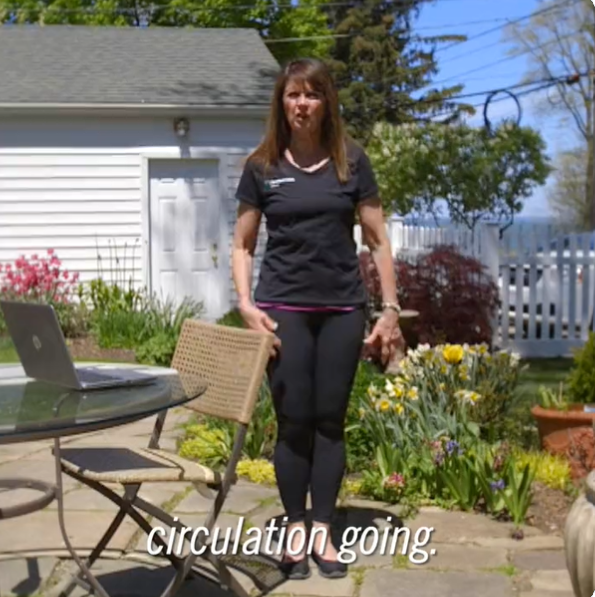
Looking to firm up your abs and strengthen your core? @ClevelandClinic

health.clevelandclinic.org
Try These Ab Workouts to Strengthen Your Core
Break a sweat with these ab exercises

Posted on August 25, 2024

Judi Bar shares stretches you can do wherever you are @ClevelandClinic #yoga

Taking short breaks throughout the day is beneficial for your mental health.
Cleveland Clinic Yoga Program Manager, Judi Bar, shares stretches you can do wherever you are. #NationalYogaMonth pic.twitter.com/hIdb9GQkQO

— Cleveland Clinic (@ClevelandClinic) September 13, 2022
Posted on August 23, 2024

Physiotherapists allowed to refer patients for medical radiological procedures for the first time – RCSI University of Medicine and Health Sciences

RCSI welcomes progress in physiotherapist referral for medical radiological procedures

RCSI University of Medicine and Health Sciences has welcomed the policy decision to permit physiotherapists to refer patients for medical radiological procedures, and the progress made in implementing this important new measure which will make it quicker for patients to access a diagnosis and begin their treatment.

Physiotherapist referral for medical radiological procedures results in fewer health professionals being involved in the patient pathway. At present, physiotherapists with advanced training can refer their patients for radiological investigations, such as X-ray, in several jurisdictions including England, Sweden, Canada and New Zealand. 

Physiotherapists in Ireland will soon be invited to undertake advanced training which will allow them to refer their patients for radiological procedures. Initially, clinical specialist physiotherapists working in roles in specific clinical areas in the HSE are being invited to train for the authority to refer. In early 2025, application to the training programmes will then be opened more widely.

Professor Suzanne McDonough, Head of the RCSI School of Physiotherapy, said: “This is an important development which will lead to efficiencies in the patient pathway and reduce barriers to effective treatment for a range of musco-skeletal conditions.

“The evidence from the countries which already permit physiotherapist referral for radiological procedures is positive, with no serious adverse events reported and with many advantages for the patient and the health system,” added Professor McDonough. 

An Expert Working Group was established in March 2024 to support the development and implementation of this policy. The group includes representation from Department of Health, Health Service Executive, CORU, UCD and the Irish Society of Chartered Physiotherapists.

Established in 1999, the RCSI School of Physiotherapy aims to educate professionally safe, competent, reflective and analytical physiotherapists.

Posted on August 23, 2024August 23, 2024

Physiotherapists allowed to refer patients for medical radiological procedures for the first time – RCSI University of Medicine and Health Sciences

RCSI welcomes progress in physiotherapist referral for medical radiological procedures

RCSI University of Medicine and Health Sciences has welcomed the policy decision to permit physiotherapists to refer patients for medical radiological procedures, and the progress made in implementing this important new measure which will make it quicker for patients to access a diagnosis and begin their treatment.

Physiotherapist referral for medical radiological procedures results in fewer health professionals being involved in the patient pathway. At present, physiotherapists with advanced training can refer their patients for radiological investigations, such as X-ray, in several jurisdictions including England, Sweden, Canada and New Zealand. 

Physiotherapists in Ireland will soon be invited to undertake advanced training which will allow them to refer their patients for radiological procedures. Initially, clinical specialist physiotherapists working in roles in specific clinical areas in the HSE are being invited to train for the authority to refer. In early 2025, application to the training programmes will then be opened more widely.

Professor Suzanne McDonough, Head of the RCSI School of Physiotherapy, said: “This is an important development which will lead to efficiencies in the patient pathway and reduce barriers to effective treatment for a range of musco-skeletal conditions.

“The evidence from the countries which already permit physiotherapist referral for radiological procedures is positive, with no serious adverse events reported and with many advantages for the patient and the health system,” added Professor McDonough. 

An Expert Working Group was established in March 2024 to support the development and implementation of this policy. The group includes representation from Department of Health, Health Service Executive, CORU, UCD and the Irish Society of Chartered Physiotherapists.

Established in 1999, the RCSI School of Physiotherapy aims to educate professionally safe, competent, reflective and analytical physiotherapists.

Posted on August 23, 2024

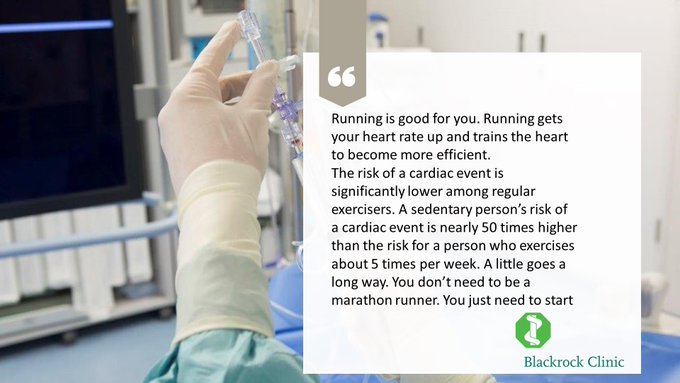
Running is good for your ❤️💜 @deirdrewate @brc_clinic#physiotherapy


Blackrock Clinic

@brc_clinic

¡
1h

Promoting #HeartHealth this spring @brc_clinic
Consultant Cardiologist Dr Deirdre Waterhouse inspires us with a personal take on exercise. Full disclosure from Deirdre, she currently jogs a daily 5k with her 11 year old son @Irishheart_ie
@deirdrewate
https://blackrock-clinic.ie/consultant/wat

Posts pagination

Previous page Page 1 … Page 76 Page 77 Page 78 … Page 239 Next page

Tags

  • Alcohol
  • Cleveland Clinic
  • Depression
  • diet
  • exercise
  • Female health
  • fitness
  • Harvard Health
  • Healthaware
  • heartaware
  • heart health
  • nutrition
  • physical activity
  • physiotherapy
  • yoga

Recent Posts

  • The Focus of our Treatment is Exercise Prescription #physiotherapy at Trinity College Dublin
  • “Walking, cycling or swimming and some form of strength training is critically important” Dr. Nathan LeBrasseur @MayoClinic #agingprocess
  • Colorful fruits and vegetables are packed with phytonutrients that help calm inflammation @MayoClinic 🌈 🏳️‍🌈 đŸŒˆ
  • The colour 😍 ✨️ ♥️  đŸŒˇ
  • Cherry blossoms are the national flower of Japan, representing a time of renewal and optimism. @StPatricks #mentalhealth 🌸 🌼 â™Ľď¸
  • It’s fun and healthy to make pizza on the grill. It’s also quick and easy — and sure to be a family favorite. @ClevelandClinic
  • To get a clear 20/20 view of just how special eyes are, take a peek at these 11 facts! @ClevelandClinic
  • The colour 😍 ✨️ ♥️  đŸŒˇ
  • It’s fun and healthy to make pizza on the grill. It’s also quick and easy — and sure to be a family favorite. @ClevelandClinic
  • As more people are drinking less, here are some of the benefits: better sleep, less anxiety/depression, memory is better, fewer tummy problems…@ClevelandClinic
  • “Eat your broccoli,” may be a familiar refrain from your childhood. Maybe you didn’t love broccoli as a kid, but your parents were onto something. The “little trees” are full of fiber, folate, vitamins and more. Beth Czerwony, RD, LD. @ClevelandClinic
  • Vitamin D is one of the most powerful nutrients for supporting the immune system @ClevelandClinic  🌞
  • Does honey work to soothe a sore throat and cough? Yes, says family medicine physician Elizabeth Rainbolt, MD.@ClevelandClinic 🍯
  • Probiotics are good bacteria that keep the gut healthy and help fight #infections and #inflammation @HarvardHealth
  • Types of holidays we need @motherandbaby
  • Jessie Buckley dedicates her Oscar to “The Beautiful Chaos of a Mother’s Heart” on #mothersday  ❤️ 💙 đŸ’œ@rtenews
  • The best medicine for back pain may be good old-fashioned movement and exercise. @HarvardHealth
  • Distract your mind @HarvardHealth #negativethoughts
  • Tulipa Carnaval de Nice @the_rhs
  • Yoga, tai chi and pilates can improve balance and flexibility, lower blood pressure and reduce stress @HarvardHealth #physicaltherapy
Blog at WordPress.com.
  • Subscribe Subscribed
    • Healthaware
    • Join 1,723 other subscribers
    • Already have a WordPress.com account? Log in now.
    • Healthaware
    • Subscribe Subscribed
    • Sign up
    • Log in
    • Report this content
    • View site in Reader
    • Manage subscriptions
    • Collapse this bar
 

Loading Comments...