Sadly, too many of us don’t eat enough of the fresh fruits, vegetables and other foods we need to keep ourselves healthy year-round. Healthy foods provide many substances including vitamins and minerals to keep us strong and healthy. You can’t just eat an orange or grapefruit or pop a vitamin pill and expect one quick burst of vitamin C to prevent a cold and to boost your immune system.
“A truly healthy immune system depends on a balanced healthy diet over time,” says registered dietitian Maxine Smith. “It’s like training for a battle and preparing your body ahead of time so it can through a good punch when attacked by viruses, bacteria and toxins. Other lifestyle practices such as regular exercise and good sleep will better prepare you for the battle.”
With some exceptions, it’s best to get your vitamins and minerals from your food rather than in pill form. Smith shares some tips for some of the top vitamins and minerals your immune system needs to perform:
1. Vitamin C
Vitamin C may help prevent infections or shorten their stay. Citrus fruits are a standout, but did you know there are other good sources? It’s true! Smith recommends the following:
Spinach.
Kale.
Bell peppers.
Brussels sprouts.
Strawberries.
Papaya.
Fun fact: vitamin C is in so many foods that most people may not need to take supplements unless a doctor advises it. Consult with your doctor before taking any vitamin C supplements
2. Vitamin E
Like vitamin C, vitamin E can be a powerful antioxidant that helps your body fight off infection. This important vitamin — part of nearly 200 biochemical reactions in your body — is critical in how your immune system functions. To get your vitamin E, think high-fat plant foods such as:
Almonds.
Peanuts/peanut butter.
Sunflower seeds.
Oils such as sunflower, safflower, and soybean oil.
Hazelnuts.
3. Vitamin A#
Vitamin A is an infection-fighter and comes in two forms: preformed such as in animal foods such as fish, meat and dairy or from plant carotenoids. Tuna is a great source of preformed vitamin A. When it comes to carotenoids, go colorful:
Carrots.
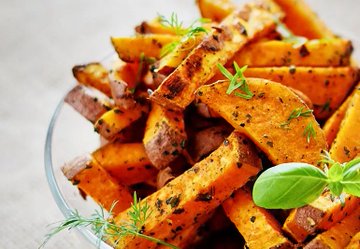
Sweet potatoes.
Pumpkin.
Butternut squash.
Cantaloupe.
Dark green leafy vegetables.
4. Vitamin D
Known as the sunshine vitamin, it’s one of the most important and powerful nutrients for supporting the immune system. Food sources are limited but include:
Salmon.
Mackerel.
Tuna.
Sardines.
Vitamin D fortified like milk, orange juice and cereals.
In general, it’s best to get most of your vitamins from food, but vitamin D may be the exception to that rule. Talk with your doctor to find out if you need a supplement.
5. Folate/folic acid
Folate is the natural form and folic acid is the synthetic form, often added to foods because of its health benefits. To get more folate, add more beans and lentils to your plate on a regular basis, as well as leafy green vegetables. Avocado is another tasty source. You can also get folic acid in fortified foods (check the label first).
Enriched pasta.
Enriched bread.
Enriched rice.
6. Iron
Iron, which helps your body carry oxygen to cells, plays a part in many of the immune system processes. It comes in different forms. Your body can more easily absorb heme iron (aka iron from animal products), which is abundant in:
Red meat (limit to smaller amounts and less often).
Chicken.
Turkey.
Canned sardines.
Oysters.
Clams.
Mussels.
Canned light tuna.
If you’re a vegetarian, have no fear. You can still find iron in:
Beans.
Broccoli.
Kale.
Iron-fortified cereals.
7. Selenium
Selenium seems to have a powerful effect on the immune system being important for preventing infections. Animal foods are the best sources, with the exception of Brazil nuts, that offer a whopping greater than 100% daily value in one nut. However, too much can be a problem, so keep to no more than one to two of these in a day. Look for selenium in:
Seafood (tuna, halibut, sardines).
Meat and liver.
Poultry.
Cottage cheese.
8. Zinc
Zinc is needed for the production of new immune system cells. It’s found primarily in animal foods but can be also found in some vegetarian food like.
Oysters.
Crab.
Lean meats and poultry.
Baked beans.
Yogurt.
Chickpeas.
Choose frozen when you can’t get fresh
Depending on where you live and what time of year it is, you can’t always get your hands on high-quality fresh produce. Keep in mind that buying frozen is a good option and can be quite convenient in our time-crunched world. Frozen food can still boost your immune system.
“Manufacturers freeze frozen fruits and veggies at ‘peak’ ripeness, which means they’ll pack a similar nutritional value as their fresh counterparts,” she says. “Just choose plain frozen foods rather than those with added sugars or sodium.”