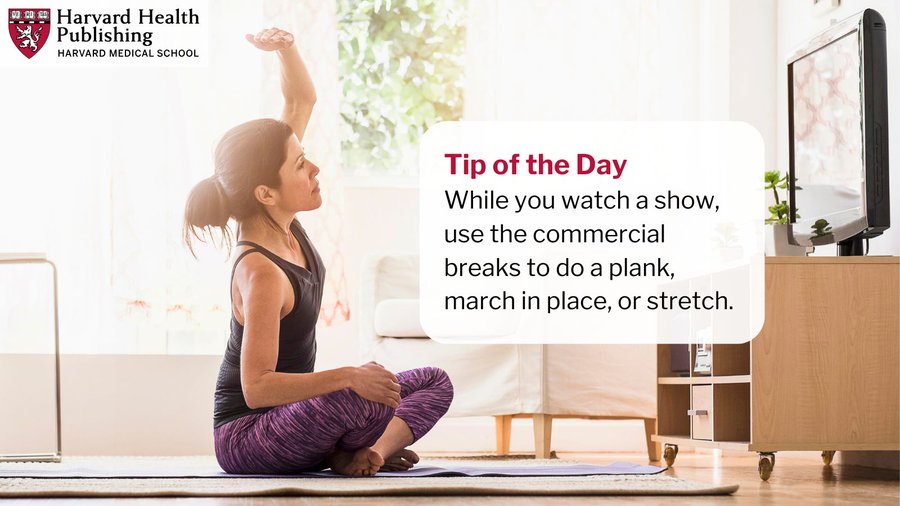

Add more exercise into your day: While you watch a show, use the commercial breaks to do a plank, march in place, or stretch. #HarvardHealth #TipoftheDay https://bit.ly/41Xbvis

Health is Wealth
Add more exercise into your day: While you watch a show, use the commercial breaks to do a plank, march in place, or stretch. #HarvardHealth #TipoftheDay https://bit.ly/41Xbvis

RCSI welcomes progress in physiotherapist referral for medical radiological procedures
RCSI University of Medicine and Health Sciences has welcomed the policy decision to permit physiotherapists to refer patients for medical radiological procedures, and the progress made in implementing this important new measure which will make it quicker for patients to access a diagnosis and begin their treatment.
Physiotherapist referral for medical radiological procedures results in fewer health professionals being involved in the patient pathway. At present, physiotherapists with advanced training can refer their patients for radiological investigations, such as X-ray, in several jurisdictions including England, Sweden, Canada and New Zealand.
Physiotherapists in Ireland will soon be invited to undertake advanced training which will allow them to refer their patients for radiological procedures. Initially, clinical specialist physiotherapists working in roles in specific clinical areas in the HSE are being invited to train for the authority to refer. In early 2025, application to the training programmes will then be opened more widely.
Professor Suzanne McDonough, Head of the RCSI School of Physiotherapy, said: “This is an important development which will lead to efficiencies in the patient pathway and reduce barriers to effective treatment for a range of musco-skeletal conditions.
“The evidence from the countries which already permit physiotherapist referral for radiological procedures is positive, with no serious adverse events reported and with many advantages for the patient and the health system,” added Professor McDonough.
An Expert Working Group was established in March 2024 to support the development and implementation of this policy. The group includes representation from Department of Health, Health Service Executive, CORU, UCD and the Irish Society of Chartered Physiotherapists.
Established in 1999, the RCSI School of Physiotherapy aims to educate professionally safe, competent, reflective and analytical physiotherapists.

A meal that’s heavy in sugar and starch is no way to start your day – especially if you’re following the ketogenic diet.
These recipes from functional medicine specialist Mark Hyman, MD, are a great way for anyone — keto or not — to bring real, whole, fresh foods (including non-starchy vegetables) to your plate first thing in the morning.
The jicama serves as a lighter alternative to traditional potato, while turkey bacon is a stand-in for pork.
This versatile, protein-packed meal is easy on your digestive system and always a hit with the kids, too.
A creamy, low-carb smoothie is a great way to start your day and get into fat-burning mode. And ginger is great for digestions.
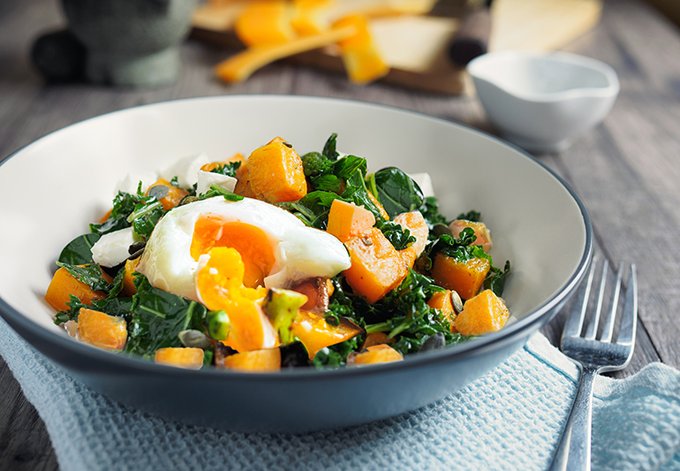
What’s the easiest way to upgrade a plate of greens? Put an egg on top! This tasty and comforting dish is good for breakfast – or lunch or dinner.
For those who don’t want coffee, this latte is a great morning drink that provides healthy fat without caffeine.
With a few veggies and precooked sausage, you can have this satisfying, savory frittata on the table in under 45 minutes.

We all want to protect our kids whether it be from falls, bumps and bruises — or avoidable infections and diseases. To help your child avoid illness, it’s important to encourage good habits and take steps to boost their immune system from an early age.
“Most of what makes a child’s immune system strong is common sense,” says pediatrician Adriane Lioudis, MD. If you keep these five tips in mind, you’ll stack the deck in your child’s favor for a healthier life.
While it’s a very personal decision (that isn’t always possible), if you are able to exclusively breastfeed your child for at least six months, it may have benefits. Some research shows that breastfeeding your child might possibly reduce allergies, Dr. Lioudis says.
Eighty percent of infections are spread by touch. Teach your little one to take the time to wash their hands after sneezing, coughing and going to the bathroom. Washing hands with warm water and soap for at least 20 seconds can remove bacteria and viruses and can reduce the chance of lung infections by up to 45%.
Follow your pediatrician’s advice when it comes to the childhood vaccination schedule. Immunizations start in infancy and continue to adulthood and prevent measles, mumps, chickenpox, rotavirus and other infections.
“Get the flu shot for your child yearly, as well,” Dr. Lioudis says. This is particularly important for children with asthma and other chronic health conditions.
Also, if your family will be traveling internationally, it’s important to seek advice from your child’s healthcare provider about any needed vaccinations.
To maximize immunity, children must get enough sleep.
Sleep requirements for each night vary by age:
Not getting enough sleep limits the body’s ability to produce proteins called cytokines that help fight infection and reduce inflammation.
A healthy diet is also important for your child’s immune system.
Dr. Lioudis recommends encouraging your child to “eat the rainbow” when it comes to fruits and vegetables. A good selection of whole grains should be part of their diet as well. Keep processed foods to a minimum. Proper food choices can help ensure that your child gets enough vitamins — such as vitamin A and E. These vitamins are needed to maintain good health and a strong immune system.
“Even if you follow these tips, your child might still get between seven and 11 colds each year,” says Dr. Lioudis. She adds that you can expect each one to last up to two weeks.
Also, keep in mind that some things billed as common “remedies” aren’t effective in boosting immunity. For example, there’s no definitive proof that large amounts of vitamin C or echinacea help prevent colds or shorten them, she says.
However, if your child has a compromised immune system, work closely with your pediatrician to find ways to improve his or her immunity. Each child needs a personalized approach because their individual immune system varies, Dr. Lioudis says.
“There’s generally a different protocol with immunocompromised children. There are some vaccines we have to add in on top of what most children have, but it’s something that we must determine on a case-by-case basis.
·
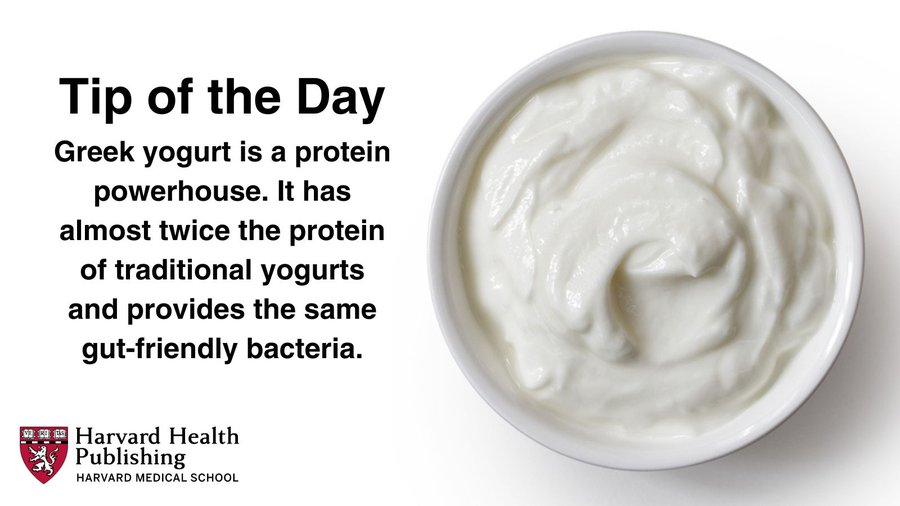
Protein in Greek yogurt: Greek yogurt is a protein powerhouse. It has almost twice the protein of traditional yogurts and provides the same gut-friendly bacteria. #HarvardHealth

Mayo ClinicVerified account @MayoClinic
#MayoClinicRecipes: Smoked #Gouda and vegetable poached #EggSandwich —Try this great sandwich for breakfast or a brunch this weekend. You can also roast peppers by placing them directly over a gas burner or grill for 5 to 10 minutes. Enjoy! https://mayocl.in/2umGUda
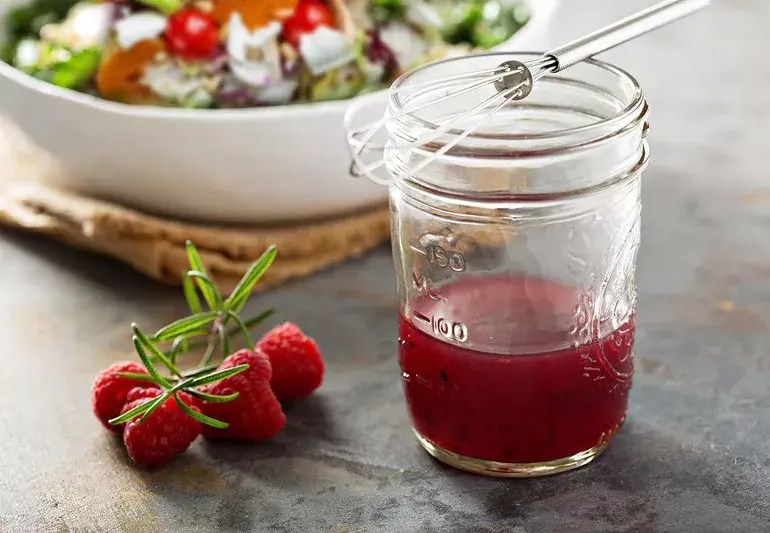
A salad combination you may not have thought of, but will now be hooked on
This salad is a perfect addition to a large dinner menu when you have guests over for dinner and have a lot of other dishes to prepare. It’s bright and flavorful, and you can make the dressing a day or two ahead to prep!
Dressing
1 1/2 cups frozen raspberries, thawed
2 to 4 tablespoons orange juice (depending on thickness desired)
1 tablespoon white wine vinegar
1 teaspoon sugar
1 tablespoon orange zest
4 tablespoons chopped fresh chives
Salad
1 pound romaine lettuce, washed, dried and torn into bite-sized pieces
1 pound radicchio, washed, dried, shredded
3 carrots, peeled and grated
1 cup mandarin oranges, drained, patted dry
20 cherry tomatoes, quartered
Calories: 107
Total fat: 0.5 g
Saturated fat: 0.1 g
Protein: 3 g
Carbohydrate: 25 g
Fiber: 5.4 g
Sodium: 37 mg
—Recipe developed and copyrighted by Kristine Napier, MPH, RD, LD.



Registered dietitian Lara Whitson, RD, LD, shares how watermelon is actually healthy for you, along with five watermelon recipes.
Watermelon is 92% water. No surprise there, considering it’s in the name. But more than keeping you hydrated during hot summer days, watermelon has a number of other health benefits. It’s packed with antioxidants like lycopene that can help protect against chronic diseases like diabetes and cardiovascular disease.
And when eaten regularly as part of a healthy balanced diet, it can help make you feel fuller longer. With a low amount of calories, sodium and cholesterol, alongside higher amounts of calcium, vitamin C and magnesium, watermelon is one fruit you don’t want to miss out on year-round. Even the rind and its seeds offer some benefits.
“You can stir-fry the rinds with other vegetables and add spices to the seeds, like you might do with pumpkin seeds, for an easy and healthful snack,” says Whitson.
This shaved ice dessert gets a fruity twist with watermelon chunks. It also pulls in star ingredients like fresh lime juice and basil leaves, which offer their own health benefits for a refreshing mid-afternoon sweet escape.

Calorie-conscious dishes can still go big on flavor. This refreshing salad, perfect for picnics and cookouts, pairs watermelon with tomatoes bountiful in benefits, alongside red wine vinegar, fresh mint, almonds and feta cheese.

This is just one of several ways to crank up your chill summer drinks: Puree 1-1 1/2 cups chopped watermelon with 1 cup ice and a little water or fresh juice for a sip-worthy smoothie as you soak in the sun.

This recipe doubles down on the use of veggies by incorporating beefsteak tomatoes, cucumber, a fresh ear of corn and basil, along with a hearty serving of watermelon for a subtly sweet finish.

Not only is this sweet snack filling, but it also puts a dessert-like twist on classic Vietnamese and Thai spring rolls. By wrapping julienned watermelon, green apple and pineapple in spring roll wrappers made from rice paper, and creating a dipping sauce with Greek yogurt and tahini, this recipe makes for a great palate cleanser for any summer cookout.
 Healthaware