Harvard HealthVerified account @HarvardHealth
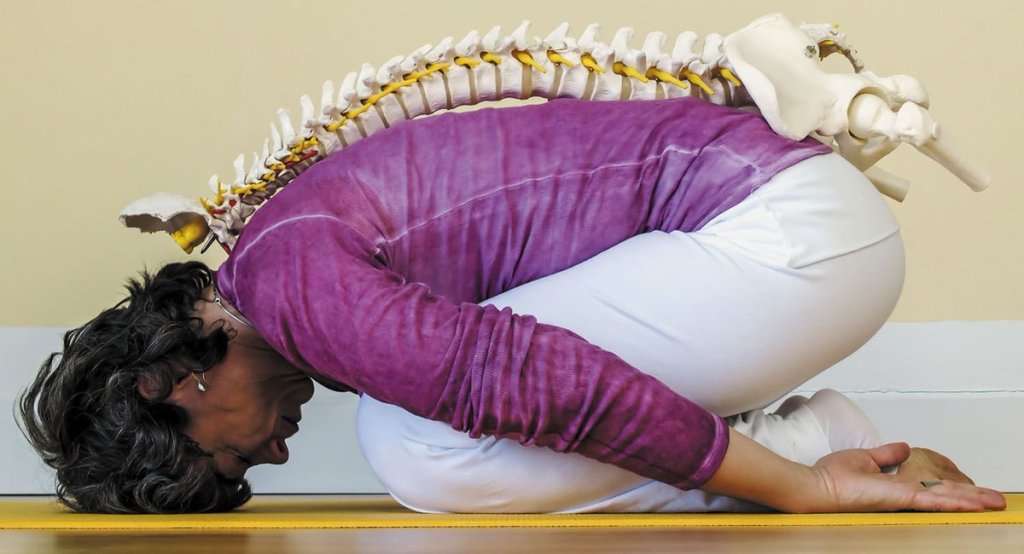
The best medicine for back pain may be good old-fashioned movement and exercise. http://bit.ly/2TArb8A #HarvardHealth #exercise

Health is Wealth
Harvard HealthVerified account @HarvardHealth
The best medicine for back pain may be good old-fashioned movement and exercise. http://bit.ly/2TArb8A #HarvardHealth #exercise

·
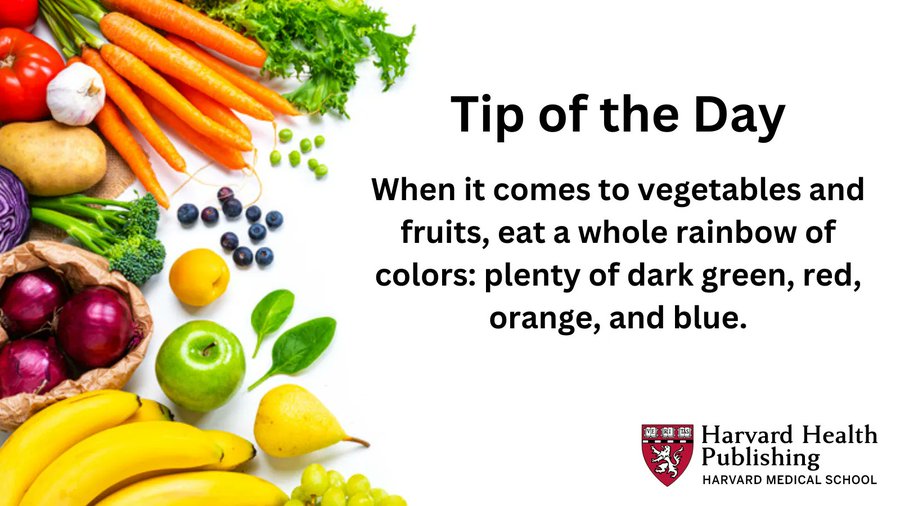
Tip of the day: Eat a range of produce. When it comes to vegetables and fruits, eat a whole rainbow of colors: plenty of dark green, red, orange, and blue. — #HarvardHealthTipoftheDay #HarvardHealth #HealthyEating #DietandNutrition

This dairy product can help you lose weight, manage blood sugar and strengthen bones
Cottage cheese doesn’t typically receive a lot of attention. It gets left out from the fancy cheese counter at the grocery store. It doesn’t make the cut for a charcuterie (meat and cheese) board. And it isn’t typically included in recipes for favorite foods such as pizza, grilled cheese or baked ziti.
It’s a soft, white, fresh cheese that’s different in texture and taste than more popular cheddar, Parmesan and blue cheeses. But cottage cheese holds a prominent place in the dairy aisle for good reasons, says registered dietitian Julia Zumpano, RD, LD.
“It’s a portable food that’s easy to add to your diet,” she says. “And cottage cheese offers lots of health benefits.”
As a dairy product, cottage cheese is a great calcium source, which is important for bone health. Having healthier bones makes you less likely to get osteoporosis (weak bones). Cottage cheese in your diet can even help with your blood sugar levels.
Thinking about giving cottage cheese a go? Zumpano explains what you need to know.
Cottage cheese is low in calories while providing protein and vital nutrients, Zumpano says, making it one of the healthiest cheeses you can eat. It’s made by curdling pasteurized (sterilized) cow’s milk — when milk turns acidic, the milk protein separates and forms curds (clumps). These loose curds serve as the base for cottage cheese.
Depending on the fat content of curdled dairy milk, cottage cheese is available as nonfat, low fat (1% or 2%) or whole fat. The milk type affects the nutritional content.
“To get the most bang for your buck, choose a low-fat or even full-fat cottage cheese,” Zumpano advises. “Nonfat cottage cheese may sound like a good idea, but it contains less protein and won’t be as satisfying.” Full-fat cottage has 1.5 grams more of saturated fat when compared to 2% but can be the most satisfying.
Cottage cheese may be mild in flavor, but it packs a punch when it comes to potential health benefits. Some of the many benefits of cottage cheese include:
A 100-gram serving (just under a half cup) of low-fat (2%) cottage cheese provides:
Source: U.S. Department of Agriculture
Three factors make cottage cheese a great choice if you’re looking to lose pounds or maintain your weight:
Cottage cheese isn’t the only dairy food to provide these advantages. Greek yogurt can also check these boxes. But if you’re deciding between the two, Zumpano recommends cottage cheese. “Full-fat cottage cheese and full-fat Greek yogurt have the same amount of fat, but cottage cheese has 25% more protein.”
Cottage cheese is rich in casein (pronounced “KAY-seen”) protein. It’s a complete protein that provides essential amino acids, which are all the building blocks of protein that your body needs.
Amino acids help your body work smoothly. They affect your:
“Eating cottage cheese as part of a balanced diet is an easy way to ensure your body gets everything it needs,” says Zumpano.
Cottage cheese has three nutrients that help promote healthy bones:
“Bone health is critical as you age,” Zumpano shares. “Adding cottage cheese to your diet is an easy way to strengthen them.”
Plain cottage cheese is low in carbohydrates, making it a great option for anyone watching their blood sugar. The slow-digesting casein protein in cottage cheese also helps prevent blood sugar spikes.
“To get this benefit of cottage cheese, choose plain cottage cheese,” Zumpano recommends. “Avoid cottage cheese pre-packaged with fruit and check the label for added sugar.”
Probiotics are live microorganisms that can improve the balance of good and bad bacteria in your gut (gut microbiota). The curdling process used to produce cottage cheese adds beneficial bacteria that can promote better gut health. But unlike Greek and regular yogurt, which almost always contain probiotics, not all cottage cheese is created equal.
“If you want cottage cheese that provides probiotics,” Zumpano says, “check the label to see if it says it contains ‘live and active cultures.’”
The slow-release protein in cottage cheese doesn’t just help with digestion. It’s also important for building muscle tissue and helping your muscles recover after a workout.
“Casein protein provides your cells with amino acids consistently over a longer period, which helps muscles recover instead of breaking down,” Zumpano explains. Consider having cottage cheese after a workout to get the maximum benefit for your muscles.
Research shows that increasing dairy intake may lower your risk for some (though not all) cancers. “There’s still a lot to learn about the connection between dairy and cancer prevention,” Zumpano states. “But it’s clear there are protective benefits to including dairy in a balanced diet.”
Experts believe getting more calcium may offer protection from:
The United States Department of Agriculture (USDA) recommends that adults get three cups of dairy daily. Cottage cheese can help you reach that goal.
When you incorporate cottage cheese into your diet, remember to:

Physiotherapy (also known as physical therapy) places full and functional movement at the heart of what it means to be healthy. It involves treating patients of all ages with a range of illnesses and conditions, including those with back and neck problems, sports injuries, arthritis, or those recovering from strokes and operations. The focus of our treatment is exercise prescription.
Physiotherapists may be part of a multidisciplinary medical team that includes physicians, nurses, speech and language therapists, psychologists, occupational therapists and social workers among others. Alternatively, they may work from clinics or specialise in particular areas of the discipline.
Physiotherapy is both physically and academically demanding and an interest in working with people is an requirement, alongside strong communication skills. Visiting a local general hospital or other area where physiotherapists work will give you a good understanding of what exactly is involved.
Physiotherapy is based in the Trinity Centre for Health Sciences in a purpose built complex at St. James’s Hospital. This complex houses other health science disciplines and allows physiotherapy students to share courses with those in the other health sciences to give a multidisciplinary approach to studying and working. The centre is about 3km from the main campus and is beside a Luas station on the line running between Tallaght and Connolly Station.
All students will have clinical placements at Trinity’s associated teaching hospitals of St. James’s and AMNCH in Tallaght, where there is an established expertise in most areas of physiotherapy. These placements allow students to gain experience in some of the specialist areas of physiotherapy including neurology, respiratory care, coronary care, orthopaedics, women’s health, care of the elderly, sports and out-patients.
Successful completion of the course entitles you to membership of the Irish Society of Chartered Physiotherapists, the accrediting body for physiotherapy in Ireland. Physiotherapists are sought throughout the world and you will be able to work with a wide range of conditions or to specialise, as you wish. There is also great scope for you to continue to develop your skills and expertise in areas such as sports medicine, neurology, cardiology, respiratory, research, education, management or private practice. Students may also work with a professional sports team as part of multidisciplinary athlete support.
The major objective of this four-year course is to enable you to become a competent professional with the ability to work independently with patients. There are two components to Physiotherapy: theory and clinical practice. In the first year the emphasis is on laying a foundation of theoretical knowledge and the second year introduces students to the clinical skills and procedures used by physiotherapists. Clinical sciences are taught mainly in the second and third years. In the third and fourth years students spend up to fifty percent of their time on clinical placement. In the fourth-year, students have an opportunity to develop specialist knowledge in a particular area of physiotherapy and undertake a research project.
In first and second year as you will have approximately 20 hours of teaching each week, divided between lecture and practical classes.
Courses covered in the first two years include: Physiology, Anatomy, Physics, Chemistry, Pathology, and Exercise. You will also start to study various conditions and specialities frequently seen in physiotherapy, such as respiratory conditions and musculoskeletal conditions.
At the end of second year you will start clinical placements under the supervision of skilled and experienced tutors. These may be taken in hospitals, clinics, day centres or within private and community practice.
In the third year, half of the time is spent on academic studies and the other half on clinical placements in a variety of settings both within and outside the Dublin area.
In fourth year, you will undertake an investigative project and study the following subjects: sports and exercise medicine, ergonomics, professional issues and advances in physiotherapy.
End-of-year written examinations and tests in certain subjects, such as anatomy, make up the theoretical assessment structure. There are a number of submitted assignments in third and fourth years.
In addition, you will be continuously assessed during your clinical placement and will have practical exams on the skills element of the course, including your assessment of a patient while on a clinical placement.
Click here for further information on modules/subjects.


12/19/2024 by Luke Hafdahl, M.D.

As the Earth completes another trip around the sun, many people reflect on the previous year’s weight-loss resolutions that didn’t work out as planned. You have undoubtedly seen an explosion of weight-loss medication advertisements over the last year. While these medicines can potentially be helpful, they need to be used in conjunction with healthy lifestyle changes. Here are some tips to make 2025 the year your weight-loss resolutions stick!
Start with a diet to lose weight. Weight loss is 20% in exercise and 80% in the kitchen. You will get far more weight loss by focusing on diet to start.
Think small! Aim to lose about three to five pounds per month. Rapid weight loss is usually a sign that you’re doing something that will be hard to keep up. Don’t go on a “diet,” instead make a “lifestyle change” by focusing on small things you can sustain for the rest of your life. Remember: Small changes over a long period yield big results.
Rethink your drink. Calories are experts at sneaking into your diet without you even noticing, especially in beverages. Reducing or eliminating sugary drinks and alcohol can make a HUGE difference. Consider these simple substitutions: diet soda instead of regular soda, skim milk instead of whole milk for your coffee, flavored water instead of fruit juice, etc.
Avoid portion pitfalls. Oversized portions derail the best weight-loss plans. Give these quick fixes a try:
Ease into exercise. Exercise is key to a healthy life, but if you’re not doing much exercise to start, going from zero to 60 is a recipe for crash and burn. Start low and go slow. Start with 10 minutes of exercise per week. Add 10 minutes weekly and slowly build up to 30 minutes five days a week. How do you know if you’re exercising right? If you’re breathing hard enough that it would be challenging to have a conversation with someone, then you’re doing it right!
Put a dietitian in your pocket. Have a smartphone or tablet device? Use it to work for you! Knowing which foods are good and bad is only part of the struggle. MyFitnessPal is a fantastic, free app that helps you set weight-loss goals and track your calories.
Most important: Don’t focus on weight too much! Weight is only one piece of the health puzzle! We tend to focus on weight as it is the easiest to see and measure, but being healthy is much more than your weight. The quality of the food you eat, the exercise you get and the unhealthy choices you avoid are just as important!
Remember that your healthcare clinician is there for you. Don’t hesitate to ask for guidance and talk about available tools to lose weight and be healthy. Make 2025 the year your weight-loss resolutions stick so you have many more trips around the sun.
Luke Hafdahl, M.D., is a Community Internal Medicine, Geriatrics and Palliative Care physician. He has a particular interest in medical education.

You know exercise builds muscles, strengthens bones, keeps your heart healthy and your mind sharp. But it also does something that you might not think much about: It helps keep your immune system — your internal defenses against infection — in tip-top shape.
If you take time for some physical exertion each day, it helps get your body ready to attack bacteria, viruses and toxins that can sneak in and make you sick.
But how much exercise is effective? Do too little or too much, and it won’t have the best effect on your immune system.
Clinical immunologist Leonard Calabrese, DO, answers common questions about how exercise can impact your immunity and how to use your workouts to shut out a world of would-be invaders.
A: If you exercise moderately on a regular basis, it tunes up the immune system in many ways. It enhances your broad-based defenses against viral infections, such as those causing upper respiratory infections.
Working out regularly also reduces the risk of many chronic diseases such as cardiovascular, respiratory illnesses and metabolic diseases, such as type 2 diabetes.
A: Fortunately, you don’t have to push yourself to the limit to rev up your immune system. In fact, your immune system needs less of a workout than you get with your average cardio routine.
Focus on getting 20-30 minutes of moderate exercise, five days a week, and your immune system will thank you.
A: Moderate exercises, including biking or walking briskly in your neighborhood, are good ways to get your blood flowing. Swimming is also a good option for non-weight-bearing exercise for your joints.
Also try mind-body exercises such as Tai-Chi, Qi Gong and yoga, which are all options that help keep your joints flexible. These exercises also reduce chronic stress, which in itself is a powerful immune booster. These exercises can also help alleviate osteoarthritis and fibromyalgia symptoms.
A: Yes, though, the level to which it can slow your system down is still up for debate.
Research shows that exercising for more than 1.5 hours without refueling your body or giving it enough time to recover suppresses your immune responses for up to a few days. During that time, your cortisol levels rise, your white blood cell count drops and you’re more likely to develop a respiratory infection.
This problem usually affects elite athletes, such as marathon runners, most.
On the flip side, staying sedentary also increases your risk of infection, inflammation and chronic disease.
A: Yes, it can. This is a complex issue, but I like to tell my patients to do a “neck check.” If your symptoms are mostly of a mild cold without fever or lower respiratory symptoms, such as a productive cough, wheezing or shortness of breath, mild exercise can actually reduce congestion and may make you feel better.
If your symptoms are primarily in your lungs or you have a significant fever its better to rest until things settle down. Regardless, good hydration is important.


and
Liked by tinasjourney123 and others