
Harvard Health
@HarvardHealth
·
How does #exercise reduce stress? Here are some surprising answers to this question and more: https://bit.ly/3vU3UOV #HarvardHealth

Health is Wealth


·
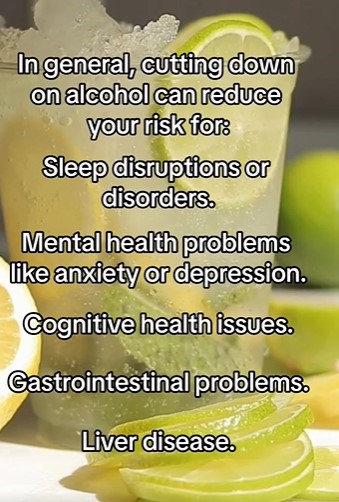
As more people are drinking less, there’s been an uptick in more drink companies creating nonalcoholic options. But it can still be tough to figure out which of these options are healthy. Keep an eye on ingredients like sugar, artificial sweeteners and caffeine. If you’re choosing nonalcoholic alternatives, consider options that are low in added sugars and free from unnecessary additives. Consulting a healthcare provider can help ensure your choices support your overall well-being.
Show more


·
According to the most recent ONS statistics, from 2018, liver disease is consistently among the top three causes of death each year among women aged 39-45 Binge Drinking and Me is on
now and
at 8pm #BBCPanorama

Why the idea that “a little red wine is good for your heart” doesn’t hold up anymore.
I used to drink.
A lot more than I should have.
And while I had some seriously good times when I was drinking, it came at a huge cost.
Brutal hangovers. Terrible sleep. Wrecked weekends.
Even a broken back.
(But that’s a story for another day.)
I still drink.
But just very little these days.
As a cardiologist, I am asked almost every day if ‘Alcohol is good or bad for your health?’.
Let’s find out.
There is no getting away from the fact that, at its most basic chemical foundation, alcohol is a toxin.
Globally, alcohol is responsible for 3 million deaths per year; in the United States, it is the third leading cause of preventable death¹².
Alcohol is a factor in³:
Alcohol is a factor in 1 in 5 emergency department presentations⁴.
No pun intended, but these statistics make for some sober reading.
‘Red Wine Is Good For Your Heart.’
Now come on.
Did you really think that was true?
I have heard this phrase over and over again in my clinical practice.
High levels of exercise are good for your heart, but oddly enough, most people seem to be far less enthusiastic about this approach than regular alcohol consumption.
Let’s see what the data says.
Up until very recently, it was believed that drinking 1-2 drinks per day was actually protective when it came to dying prematurely⁵.

This data was based on observational studies that cannot fully control for all confounders and can therefore not infer causality.
When you examine the people who drink only 1 to 2 drinks per day, you consistently find that they are much less likely to smoke, be overweight or engage in any other risky health behaviours.
So in truth, it probably wasn’t the alcohol that was driving the effect.
More recent studies have attempted to control for this variable more carefully, and the relationship is clear.
The more you drink.
The higher the risk.
Take coronary artery disease. Higher alcohol intake equates to a higher risk.
The same applies to high blood pressure⁶.

The same applies to stroke⁷.
The list goes on⁸:
You get the point.
With all this information to hand, why is it then that I and billions of others continue to drink alcohol?…
Become a paying subscriber of Dr Paddy Barrett to get access to this post and other subscriber-only content.
 | Subscriber Only Posts & Access To Full Archive |
| 25% Discount On Live Education Sessions & AMA’s |
| Discounts On Courses & Live Education Sessions & AMA’s |
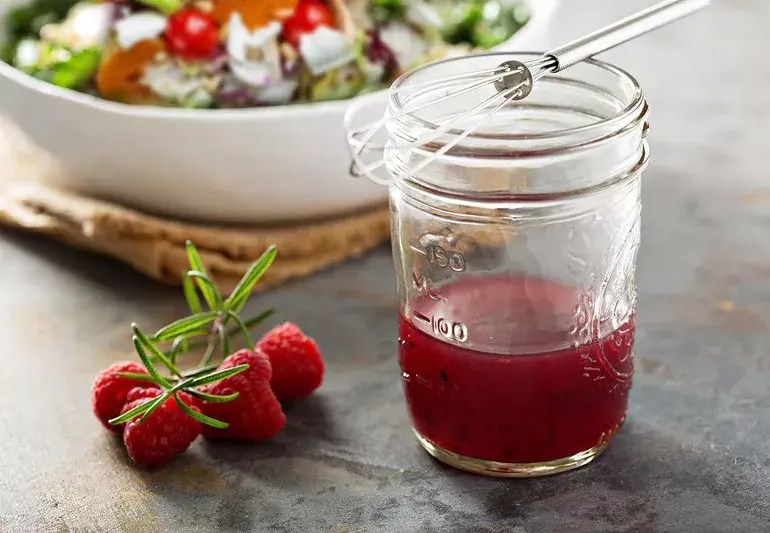
A salad combination you may not have thought of, but will now be hooked on
This salad is a perfect addition to a large dinner menu when you have guests over for dinner and have a lot of other dishes to prepare. It’s bright and flavorful, and you can make the dressing a day or two ahead to prep!
Dressing
1 1/2 cups frozen raspberries, thawed
2 to 4 tablespoons orange juice (depending on thickness desired)
1 tablespoon white wine vinegar
1 teaspoon sugar
1 tablespoon orange zest
4 tablespoons chopped fresh chives
Salad
1 pound romaine lettuce, washed, dried and torn into bite-sized pieces
1 pound radicchio, washed, dried, shredded
3 carrots, peeled and grated
1 cup mandarin oranges, drained, patted dry
20 cherry tomatoes, quartered
Calories: 107
Total fat: 0.5 g
Saturated fat: 0.1 g
Protein: 3 g
Carbohydrate: 25 g
Fiber: 5.4 g
Sodium: 37 mg
—Recipe developed and copyrighted by Kristine Napier, MPH, RD, LD.

Registered dietitian Lara Whitson, RD, LD, shares how watermelon is actually healthy for you, along with five watermelon recipes.
Watermelon is 92% water. No surprise there, considering it’s in the name. But more than keeping you hydrated during hot summer days, watermelon has a number of other health benefits. It’s packed with antioxidants like lycopene that can help protect against chronic diseases like diabetes and cardiovascular disease.
And when eaten regularly as part of a healthy balanced diet, it can help make you feel fuller longer. With a low amount of calories, sodium and cholesterol, alongside higher amounts of calcium, vitamin C and magnesium, watermelon is one fruit you don’t want to miss out on year-round. Even the rind and its seeds offer some benefits.
“You can stir-fry the rinds with other vegetables and add spices to the seeds, like you might do with pumpkin seeds, for an easy and healthful snack,” says Whitson.
This shaved ice dessert gets a fruity twist with watermelon chunks. It also pulls in star ingredients like fresh lime juice and basil leaves, which offer their own health benefits for a refreshing mid-afternoon sweet escape.

Calorie-conscious dishes can still go big on flavor. This refreshing salad, perfect for picnics and cookouts, pairs watermelon with tomatoes bountiful in benefits, alongside red wine vinegar, fresh mint, almonds and feta cheese.

This is just one of several ways to crank up your chill summer drinks: Puree 1-1 1/2 cups chopped watermelon with 1 cup ice and a little water or fresh juice for a sip-worthy smoothie as you soak in the sun.

This recipe doubles down on the use of veggies by incorporating beefsteak tomatoes, cucumber, a fresh ear of corn and basil, along with a hearty serving of watermelon for a subtly sweet finish.

Not only is this sweet snack filling, but it also puts a dessert-like twist on classic Vietnamese and Thai spring rolls. By wrapping julienned watermelon, green apple and pineapple in spring roll wrappers made from rice paper, and creating a dipping sauce with Greek yogurt and tahini, this recipe makes for a great palate cleanser for any summer cookout.
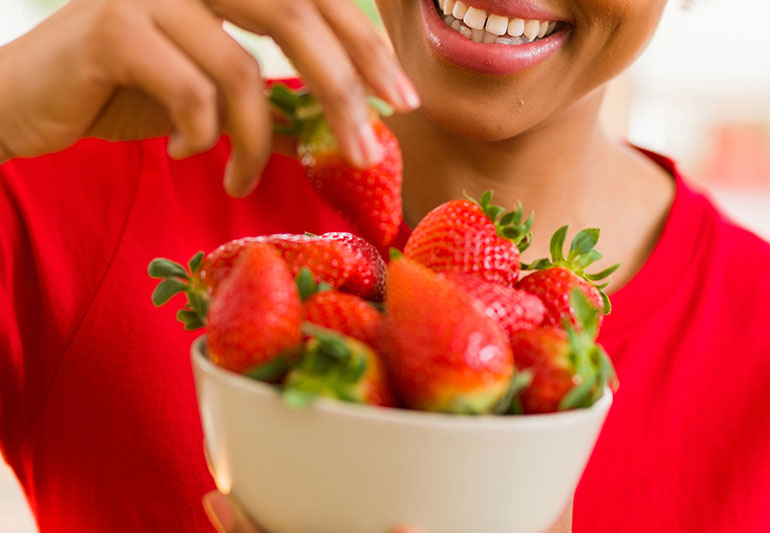
Strawberries are an iconic summer fruit — delicious in lemonade, on shortcakes or just straight out of the basket. And it turns out they may be the sweetest way to stay healthy, too. Registered dietitian Bailey Flora, MS, RDN, LD, explains the benefits of strawberries and what nutrients they contain that make strawberries so good for you.
“Strawberries give you a lot of nutritional value for very few calories,” says Flora. “They’re tasty but naturally low in sugar. That’s a combination that’s hard to beat.”
For starters, strawberries are loaded with vitamin C. Eight medium strawberries contain 160% of your daily recommended amount — the amount that the U.S. Food and Drug Administration (FDA) recommends you eat every day. That’s more vitamin C than you get from an orange, the fruit famous for its vitamin C.
Strawberries are also packed with antioxidants, which protect cells from damage. The primary antioxidant in strawberries is anthocyanin, which gives the fruit its color. The amount of anthocyanin in strawberries increases as the fruit ripens. So, the redder the berry, the more antioxidants it contains.
Strawberries also have fiber and several other important vitamins and minerals, including manganese, potassium and folic acid. And strawberries have less natural sugar than other popular fruits such as apples and bananas.
Strawberries are a nutrient-rich snack that can:
As your brain ages, it can lose some of its mental sharpness. But according to research, eating strawberries protects your brain’s processing powers as you get older.
The Nurses’ Health Study measured brain function in more than 16,000 participants over six years. It found that people who ate the most blueberries and strawberries had less cognitive decline — their thinking and processing abilities didn’t weaken as much. They had the brain power of someone up to two and a half years younger.
In more good news for strawberry lovers: The results of the Rush Memory and Aging Project showed that people who ate strawberries were 34% less likely to develop Alzheimer’s disease.
Researchers believe the protective effects are due to the antioxidants that safeguard cells. Some of the antioxidants in strawberries also reduce systemic inflammation, when your body is in a state of constant inflammation (swelling and irritation). Systemic inflammation is a key factor in the development of Alzheimer’s disease.
Strawberries are a great source of vitamin C (ascorbic acid), which you need to get from food, as your body can’t produce it. In rare cases, people who don’t get enough of this crucial vitamin develop scurvy, a disease that causes bleeding, bruising and anemia.
Vitamin C plays an important role in wound healing. And it may prevent and treat respiratory and systemic infections too. Research shows that vitamin C increases the production of:
Vitamin C is also anti-inflammatory, lowering your stress response triggered by illness or just your busy life. To ward off germs, researchers suggest getting 100 to 200 milligrams (mg) of vitamin C a day — and more when you’re sick. As eating eight medium strawberries gives you 160 mg, it takes just a handful of berries to help keep your immune system in good shape.
“There isn’t enough evidence to say whether vitamin C can prevent colds and the flu,” says Flora. “And it can be more beneficial to choose vitamin-C-rich foods like strawberries over vitamin C supplements, as you get additional health benefits. With strawberries, that includes fiber and other phytonutrients and vitamins that cannot be replicated in a vitamin supplement.”
Flora says that popping a few strawberries in your mouth isn’t just a way to stave off hunger — it’s also a heart-healthy food choice. Research shows that strawberries can help prevent several conditions that can lead to heart disease and stroke, as well as diabetes, which increases the likelihood of heart disease. Eating more strawberries can help you:
In one small study, participants consumed two drinks a day, each made with 25 milligrams of freeze-dried strawberry powder blended with water. That’s about the same as eating 3.5 cups of fresh strawberries a day. After a month, the participants’ total cholesterol was 5% lower.
The cholesterol-lowering results of that study were echoed in another study that gave participants the same amount of freeze-dried strawberry powder. But this time, they consumed the drink for two months. Researchers compared the results to a group that just drank more water. Those who sipped the strawberry drink saw their cholesterol decrease by 10%.
Triglycerides are fats found in your blood. Having high triglycerides increases your risk of heart disease. And when triglycerides break down, they leave byproducts that trigger inflammation, attracting sticky deposits to blood-vessel walls. That material can clog your arteries (atherosclerosis), explains Flora.
But eating a pound of strawberries a day may reduce triglycerides by 20%. That’s the result of one study, which also found that strawberries reduced total cholesterol by 8%.
Widespread internal inflammation contributes to multiple diseases, including heart disease. Lifestyle factors like a poor diet, low physical activity and smoking can lead to inflammation.
Eating more strawberries is a step in the right direction to boost your heart health, says Flora. That’s because the most prevalent antioxidants in strawberries are anthocyanins, known for their anti-inflammatory effects.
Too much glucose (sugar in your blood) is a risk factor for Type 2 diabetes, making you more likely to develop heart disease, too. If you’re watching your blood sugar levels, strawberries are a good way to satisfy your sweet tooth.
In a Finnish study, people who ate strawberries with a piece of white bread released 26% less insulin compared with eating bread with a cucumber. Participants also ate the bread with other berries, including raspberries and cranberries. Only strawberries weakened the post-meal blood sugar spike.
Strawberries are a great addition to a healthy diet, especially when you eat them on their own — Flora advises laying off the calorie-laden whipped cream, cake or ice cream. (Sorry!) They’re delicious, full of good-for-you nutrients and low in sugar. Try this strawberry smoothie. (Surprise — it’s green!) And for a strawberry treat that’s not too sweet, make these strawberry pretzel squares at your next get-together.FACEBOOKTWITTER
https://www.instagram.com/reel/DFbPVPjyBfK/?igsh=MXVyb2hzNDk2eWltdw==

•
Follow
Giulio Cercato•Click (Instrumental)
Liked by emilyarbutina and others
 clevelandclinic

