Staying hydrated is essential, but how much water do you really need each day? While the general goal is around 100 ounces for men and 73 ounces for women, your actual needs depend on factors like activity, weather and metabolism. Water isn’t just about quenching thirst—it supports blood flow, glowing skin and even your teeth. Learn more in the Cleveland Clinic Diet App, located in the app store today!5d
Only 130 calories per serving, this dessert deserves your attention
These delicious chocolate soufflés are perfect to share with someone you love. With rich chocolate flavor, strawberries, cinnamon and even a little Cognac, they’re only 130 calories per serving.
Ingredients
1 1/2 teaspoons oil-based butter spread
1/4 cup plus 1 teaspoon sugar
1 tablespoon ground toasted almonds
3 tablespoons plus 1 teaspoon good-quality cocoa
4 large egg whites, at room temperature
1 tablespoon Cognac
1/2 teaspoon ground cinnamon
1 teaspoon confectioners’ sugar
12 strawberries, thinly sliced
Directions
Preheat the oven to 375 F. Grease/flour 6-ounce soufflé cups with the butter spread.
Mix 1 teaspoon of the sugar with the almonds and 1 teaspoon of the cocoa. Coat the insides and bottom of the soufflé cups, tapping the sides to make sure they’re coated.
Heat 2 tablespoons water with the remaining sugar in a nonstick small pot. Bring to a simmer and cook until the mixture becomes thick, about 3 minutes. Don’t allow the syrup to color. Brush down the sugar crystals on the sides of the pot with a wet pastry brush as the syrup thickens. It will be quite hot so be careful.
While the sugar and water are simmering, beat the egg whites until stiff in the bowl of an electric mixer. While continuing to beat, slowly and carefully pour the hot sugar syrup into the egg whites. Add the 3 tablespoons cocoa, the Cognac and cinnamon.
Spoon the mixture into the soufflé cups, tapping each cup to make sure there aren’t any bubbles. Bake for 10 minutes, or until the soufflés are puffed and set. Immediately place the soufflés on dessert plates. Sift the confectioners’ sugar over the tops and decorate each plate with 3 strawberries. Serve immediately.
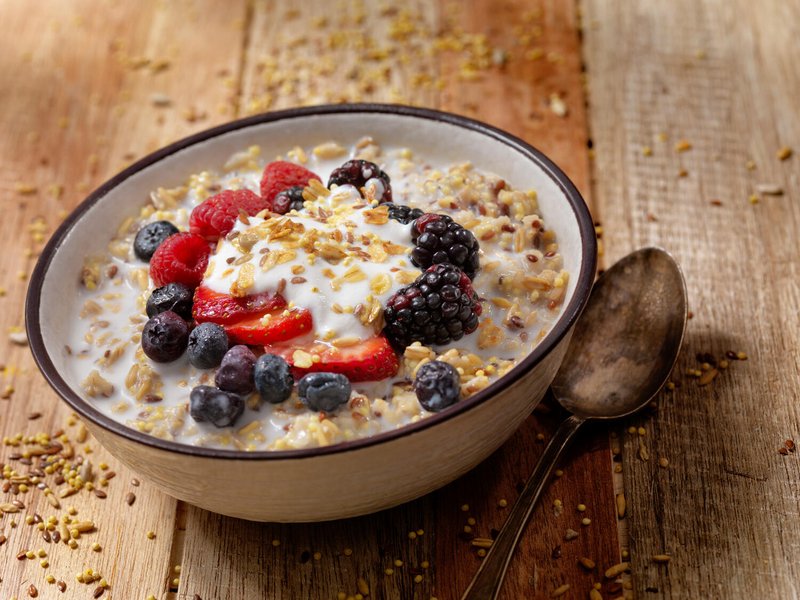
Start your day with a hearty and nutritious 6-grain hot cereal that will keep you energized and satisfied. Prepare a big batch over the weekend and enjoy a warm, comforting breakfast all week long. Top it with your favorite fruits or a dollop of yogurt for added natural sweetness.
Servings: 14 Serving Size: ½ cup
Nutritional Information Per Serving
114 calories
1 g total fat
0 g saturated fat
0 g transfat
0 g monounsaturated fat
0 mg cholesterol
74 mg sodium
21 g total carbohydrate
3 g dietary fiber
0 g total sugars
4 g protein
Ingredients
½ cup uncooked pearl barley
½ cup uncooked red wheat berries
½ cup uncooked brown rice
¼ cup uncooked steel cut oats
3 tablespoons uncooked quinoa
2 tablespoons of flaxseed
½ teaspoon kosher salt
1 ½ quarts water
Directions
In a large saucepan, combine the barley, wheat berries, rice, oats, quinoa, flaxseed and salt.
Pour water over ingredients, stir and bring to a boil over medium heat.
Reduce heat to low and simmer for 45 minutes, stirring occasionally.
Dietitian’s tip:
Make a big batch of this cereal on the weekend and reheat all week. Top with fruit or yogurt to add natural sweetness.
Spending time in nature has always been a source of comfort and strength. Gardens and green spaces provide not only beauty and joy, but also vital support for our mental, physical and spiritual wellbeing.
Today the Royal Horticultural Society are announcing a new Rose, “Catherine’s Rose”, grown by Harkness Roses. The proceeds from this rose will support The Royal Marsden Cancer Charity, helping patients across the country live well with, and beyond, cancer 🌹1w
Can eating the rainbow help to reduce inflammation?
11/6/2025 by Tamara Soerense
n
Inflammation is a natural process initiated by the immune system in response to illness, trauma, toxins, physical stress and chronic disease. While acute inflammation is protective and allows our bodies to heal, it can become harmful if it persists, leading to chronic inflammation. Chronic inflammation, in turn, can lead to conditions such as arthritis, heart disease, and diabetes.
Several foods can contribute to inflammation. These include highly processed foods, refined carbohydrates, or foods high in added sugars. Conversely, other foods can help calm the immune system, decreasing inflammation.
Let’s explore which foods help lower inflammation and how they can be incorporated into an anti-inflammatory diet.
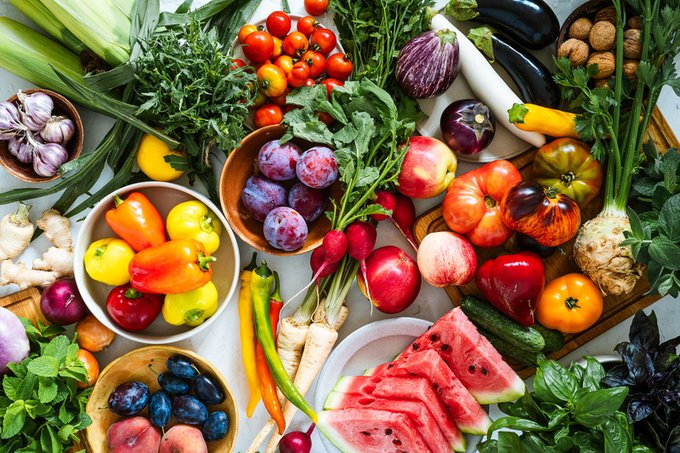
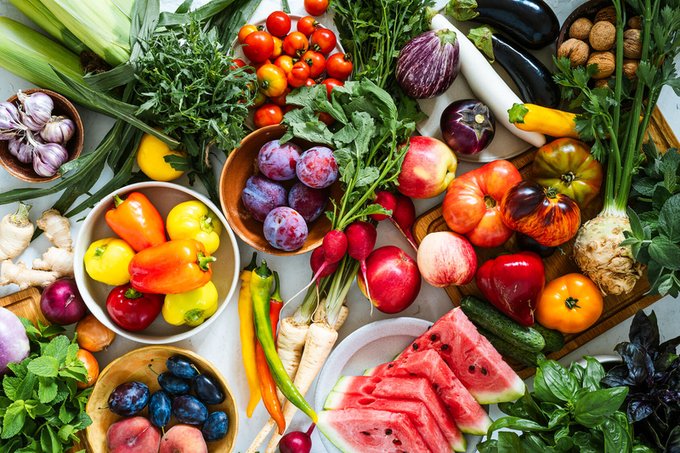
Fruits and Vegetables: Colorful fruits and vegetables naturally contain various phytonutrients and bioactive compounds that help keep inflammation in check. These foods form the foundation of the anti-inflammatory diet and can be enjoyed in abundance. For an extra boost of protection, try drizzling antioxidant-rich olive oil on your veggies..
Protein: Choose primarily from plant-based sources such as legumes, soy, nuts, and seeds, with smaller amounts from lean cuts of animal protein and fatty fish. The fats in these proteins, mainly monounsaturated and omega-3, play a significant role in combating inflammation. The American Heart Association recommends 6 to 8 ounces of fatty fish and 5 ounces of legumes, nuts, and seeds per week.
Whole grains: Whole grains contain all parts of the grain, whereas refined grains remove the germ and bran, eliminating important inflammation-reducing compounds. Of these, fiber is a bit of a superstar, shown to help reduce blood sugar and cholesterol levels. Aim for at least 50% of your grains from whole grain sources, such as rolled oats and brown rice.
Herbs and Spices: Herbs and spices add flavor to your food and help reduce oxidative stress, which can trigger inflammation. Add ginger, turmeric, clove, cinnamon, oregano, and garlic to your next meal.
What change can you make today to shift your body into a less inflamed state?
Consider adding one colorful fruit or vegetable to your diet each day. Suggestions include tomatoes, oranges, yellow bell peppers, arugula, blueberries, pumpkin and broccoli.
Tamara Soerensen completed her bachelor’s degree in biology at the University of California, Santa Barbara and her master’s in nutrition at Bastyr University. She is currently a dietetic intern at Mayo Clinic in Rochester, Minnesota. Special interests include digestive health and the utilization of diet for disease prevention.
Staying hydrated is one of the most important things you can do for your overall health. It’s an easy way to help your body run like it should. pic.twitter.com/PU5LTjRwhR



 clevelandclinic