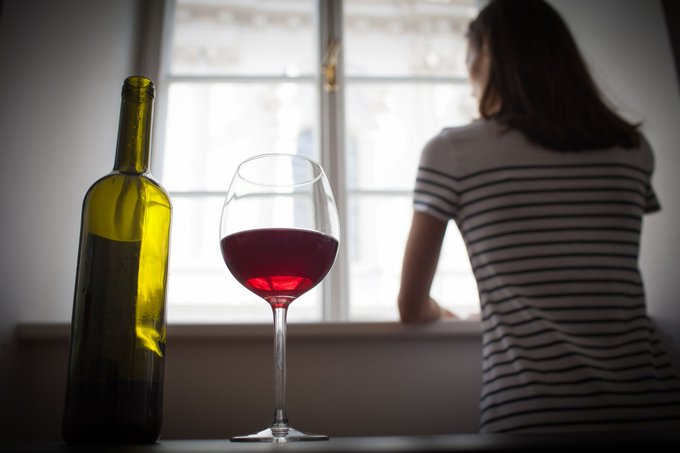
Excessive alcohol use is a common response to coping with stress, but the physical, mental, and emotional impacts of the #COVID19 pandemic have had a disproportionate effect on women: https://bit.ly/3fNWJlN#HarvardHealth
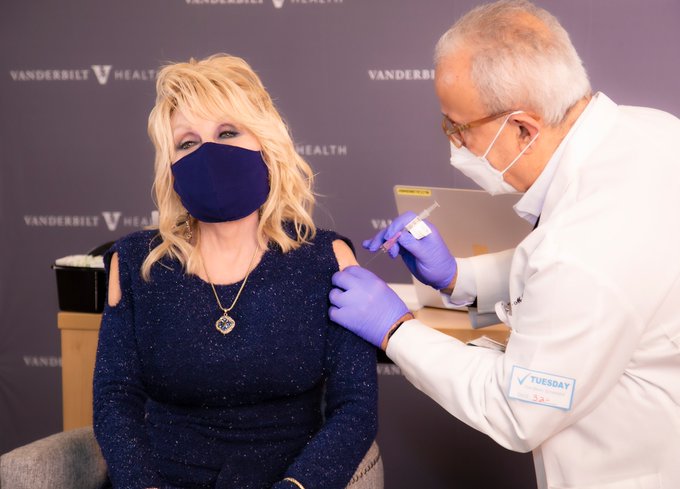
We love hearing @DollyParton sing “vaccine, vaccine, vaccine, vacciiiiiiiinnnnne” on our campus today, just before she got hers. Dolly’s generous support helped fund early research at Vanderbilt Health into what is now a vaccine that’s helping end the pandemic. THANK YOU, DOLLY!Mandatory Credit: Photo by Stephen Lovekin/Shutterstock (10472108hg)
Dolly Parton
53rd Annual CMA Awards, Arrivals, Bridgestone Arena, Nashville, USA – 13 Nov 2019
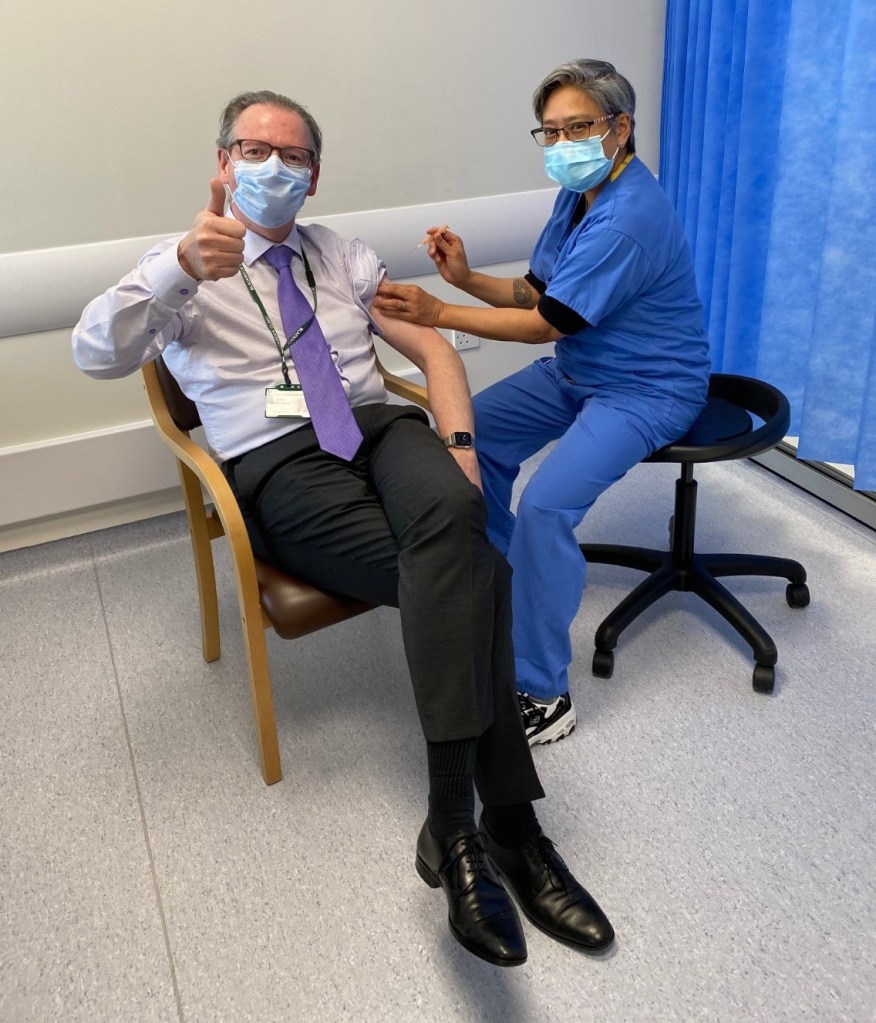
Remarkable about this pic is that whilst our CEO James is our last arm to take the #CovidVaccine 1st dose, his vaccinator Priscilla was our first vaccine recipient. We love that symmetry. This picture tells the whole story #CovidVaccine#InThisTogether
Blackrock Clinic@brc_clinic·A big thank you to the Prendergast Group & Cuisine de France for a generous donation of sweet treats yesterday. That brought a welcome lift to our break times #cake#StaySafe@CDFIreland
There are steady accounts of medics’ battle to save the lives of Covid patients. Amid the reports it becomes clear the task is a marathon and not a sprint, with no one-size-fits-all approach to treatment and recovery. Physiotherapists are among those in it for the immediate and then longer haul. This is the story of the specialists whose daily lives have changed.
There are those who get Covid-19 and are asymptomatic. Others show mild effects. And some have more severe reactions requiring hospital treatment.
Those patients may need just a helping hand to get them through. But some will need intensive care, or even be placed in induced comas.
In such cases, whether during or after, organs and limbs are tested by Covid. And even beating the virus may not mean a steady road ahead without long rehabilitation.
Think of those whose lungs were aided by mechanical ventilators. Or the people coming out of comas to take their first steps after days – or weeks.
For some physiotherapists, thinking about them is all they do.
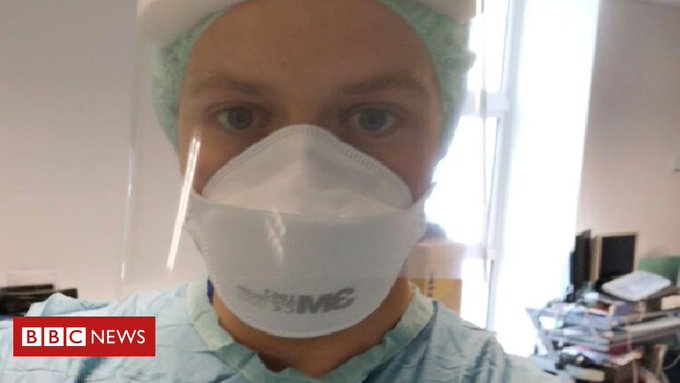
“Covid for us is 24/7,” said Will Hook, a senior physiotherapist in intensive care at a hospital in Dudley, West Midlands.
There are steady accounts of medics’ battle to save the lives of Covid patients. Amid the reports it becomes clear the task is a marathon and not a sprint, with no one-size-fits-all approach to treatment and recovery. Physiotherapists are among those in it for the immediate and then longer haul. This is the story of the specialists whose daily lives have changed.
There are those who get Covid-19 and are asymptomatic. Others show mild effects. And some have more severe reactions requiring hospital treatment.
Those patients may need just a helping hand to get them through. But some will need intensive care, or even be placed in induced comas.
In such cases, whether during or after, organs and limbs are tested by Covid. And even beating the virus may not mean a steady road ahead without long rehabilitation.
Think of those whose lungs were aided by mechanical ventilators. Or the people coming out of comas to take their first steps after days – or weeks.
For some physiotherapists, thinking about them is all they do.
“Covid for us is 24/7,” said Will Hook, a senior physiotherapist in intensive care at a hospital in Dudley, West Midlands.
Our new arrangement with @HSELive means that @brc_clinic is one of the first private hospitals to provide support for urgent care in Ireland. We are committed to helping patients in need in any way we can #InThisTogether






 Healthaware