We all want to protect our kids whether it be from falls, bumps and bruises — or avoidable infections and diseases. To help your child avoid illness, it’s important to encourage good habits and take steps to boost their immune system from an early age.
“Most of what makes a child’s immune system strong is common sense,” says pediatrician Adriane Lioudis, MD. If you keep these five tips in mind, you’ll stack the deck in your child’s favor for a healthier life.
1. For newborns, consider breastfeeding
While it’s a very personal decision (that isn’t always possible), if you are able to exclusively breastfeed your child for at least six months, it may have benefits. Some research shows that breastfeeding your child might possibly reduce allergies, Dr. Lioudis says.
2. Promote regular hand washing
Eighty percent of infections are spread by touch. Teach your little one to take the time to wash their hands after sneezing, coughing and going to the bathroom. Washing hands with warm water and soap for at least 20 seconds can remove bacteria and viruses and can reduce the chance of lung infections by up to 45%.
“Get the flu shot for your child yearly, as well,” Dr. Lioudis says. This is particularly important for children with asthma and other chronic health conditions.
Also, if your family will be traveling internationally, it’s important to seek advice from your child’s healthcare provider about any needed vaccinations.
4. Make sleep a priority
To maximize immunity, children must get enough sleep.
Babies between 0 and 3 months need 14 to 17 hours of sleep. Those between 4 and 12 months need 12 to 16 hours of sleep.
Children between the ages of 1 and 2 need between 11 and 14 hours.
Kids between the ages of 3 and 5 should get from10 to 13 hours.
Children ages 6 to 12 should get between 9 and 12 hours.
Teens between the ages of 13 to 18 need 8 to 10 hours.
Not getting enough sleep limits the body’s ability to produce proteins called cytokines that help fight infection and reduce inflammation.
5. Encourage a healthy diet
A healthy diet is also important for your child’s immune system.
Dr. Lioudis recommends encouraging your child to “eat the rainbow” when it comes to fruits and vegetables. A good selection of whole grains should be part of their diet as well. Keep processed foods to a minimum. Proper food choices can help ensure that your child gets enough vitamins — such as vitamin A and E. These vitamins are needed to maintain good health and a strong immune system.
You can’t avoid all illness, but some kids need extra protection
“Even if you follow these tips, your child might still get between seven and 11 colds each year,” says Dr. Lioudis. She adds that you can expect each one to last up to two weeks.
Also, keep in mind that some things billed as common “remedies” aren’t effective in boosting immunity. For example, there’s no definitive proof that large amounts of vitamin C or echinacea help prevent colds or shorten them, she says.
However, if your child has a compromised immune system, work closely with your pediatrician to find ways to improve his or her immunity. Each child needs a personalized approach because their individual immune system varies, Dr. Lioudis says.
“There’s generally a different protocol with immunocompromised children. There are some vaccines we have to add in on top of what most children have, but it’s something that we must determine on a case-by-case basis.
If you run regularly, whether it’s an easy jog around the block to stay fit or an intense training regimen to prepare for a marathon, you need proper nutrition.
Here are some tips to help keep runners well-nourished and ready to win.
Foods for Runners and Joggers
A good diet can boost your physical health and help you meet your fitness goals. Make sure your meals emphasize the following basic components:
Fruit and vegetables for vitamins, minerals and antioxidants
Lean protein such as fish, poultry, beans, lentils and tofu
Healthy fats such as olive oil, avocado and nuts
Healthy carbohydrates such as rice, whole grain breads/pastas and oatmeal
Individuals may have different optimal balances, but in general, people who include running or jogging as part of their fitness regimen should get 60% to 70% of their calories from carbohydrates, with lean protein and healthy fats each accounting for 15% to 20% of their remaining calories.
Don’t skimp on carbohydrates
Although low carbohydrate diets are popular go-to’s for people wanting to lose weight, they’re not ideal for distance runners, who thrive on carbohydrates for endurance.
That is why very low carbohydrate diets, such as the ketogenic diet, plus running is not a good idea. Experts do not recommend keto to runners unless they have been told by their doctor that this a medically safe option for them and they are being monitored while in ketosis.
Distance runners need more carbs than people who aren’t training. Undereating carbohydrates can be hard on your body and affect your recovery after your run.
Here’s why: Running uses both glucose in the blood and your stores of glycogen. Glucose is the form of sugar that circulates in the bloodstream, and glycogen is the sugar stored in your liver and muscles that acts as the primary fuel for endurance exercise.
Eating plenty of carbs helps ensure that these energy stores are ready to support your training. When those stores get too low, runners are more likely to run out of energy and “burn out” or “hit a wall” while training.
Running Diet — Vitamins and Minerals
Running changes your body and your nutritional needs. Often when people start a running regimen, they are trying to lose weight or get in shape quickly, and they don’t realize they need to adjust their diet.
Especially in women runners, dietitians report seeing a tendency to overdo the running while not eating enough, and this can have an effect on health if they do not adequately replenish lost vitamins and minerals in their diet.
For women in particular, calcium and vitamin D are essential for bone health to avoid loss of bone mineral density and the risk of stress fractures.
For more vitamin D, include these foods in your meals:
Vitamin D-fortified dairy and almond, soy or rice based beverages
Eggs
Cereal fortified with vitamin D
Tuna
Salmon
For more calcium, try:
Yogurt and cheese
Tofu
Edamame
Almonds
Canned fish with bones (such as sardines)
Iron deficiency can affect women and even have an impact on their running performance. Menstruation puts people at higher risk of iron deficiency, and if iron isn’t replenished in the diet, decreases in hemoglobin can occur and bring on anemia. Hemoglobin is what carries oxygen throughout the body, including the muscles, so if there is a deficit, the muscles may feel the effect of insufficient oxygen during exercise.
Iron-rich foods include:
Poultry and other meat
Legumes, such as peas and beans
Dark, leafy green vegetables such as kale
Dried fruits and raisins
Iron-fortified breads and cereals
Dietitians recommend eating eating iron rich foods in combination with foods high in vitamin C, such as citrus, bell peppers or berries, since vitamin C helps increase the body’s absorption of iron.
What to Eat Before Running ― and When
The best time to eat a full meal is about two to three hours before you hit the road, track or trail. Have a good source of carbs paired with protein, making sure the meal focuses on a healthy carb source.
If it’s been more than three to four hours since you’ve eaten, a carbohydrate-rich snack a half-hour before running can ensure you have adequate glucose available before you head out. Directly before a run, it’s best to stick with easy-to-digest carbohydrates to avoid gastrointestinal [GI] distress such as cramping or diarrhea.
Try these:
Bananas
Applesauce
Crackers, pretzels or cereal
White bread
Potatoes
Glucose Boosters for Long Distance Runners
If you are training for a marathon or distance event and are going to be out for over an hour, you will want to bring some fuel with you. Energy drinks, gel tubes and other sources of quick blood-glucose boosters are available, but you can also use something as simple as fruit snacks.
Try practicing with these items as you train so you can pick the formulas that are best for you, and you can work on accessing and ingesting them smoothly without breaking stride.
What foods should runners avoid?
Before a run or the night before a big race, Eidel recommends going easy on:
Spicy foods or foods overly high in fat, which can cause GI upset
Foods that are very high in fiber, which can cause gas and cramping
Caffeine ― Although it is tempting to grab a caffeine boost right before a run, runners should remember that for some people, caffeine can stimulate the GI tract, which can result in diarrhea or the need for an emergency bathroom break
Does carb-loading work?
It might. Carb loading is the practice of eating a lot of carbohydrates ― particularly those that are easily absorbed, such as white bread, pasta and rice ― for 24 to 48 hours before a big race or distance run, to shore up your body’s stores of glycogen and lessen the risk of burnout before finishing the event.
Some studies show carb loading is beneficial for people preparing for a race, but it’s important to make sure during that time you’re also allowing your body to rest and giving it time to store what you are ingesting. The number of carbohydrate grams will be differ from person to person, but in general, evidence shows carb loading can be beneficial prior to a distance event.
In contrast, casual runners likely do not need to carb load. Ensuring that their day-to-day diets include extra carbohydrates can be sufficient.
What to Eat After a Run
It’s common for people not to feel hungry after a run, but a snack or light meal of complex carbohydrates and protein within the first hour after running can help replenish glycogen stores and to support recovery and rebuild stressed muscles. For example:
Peanut butter and banana
Egg on toast
Sandwich with deli meat
Pasta with meat or plant-based protein
Veggie burger on a bun
Protein shake or smoothie
Running to Lose Weight
If you’re interested in running as part of a weight loss plan, getting adequate nutrition is a must. Even casual running or jogging burns calories and can be hard on the body. Runners can become undernourished at first because they don’t understand how much energy they’re burning when they run and what they need to properly recover.
Eating enough is also essential to building muscles, which can aid in fat burning ― a plus for people working on achieving or maintaining a healthy weight.
For optimal weight loss, your plan should not rely on running alone but also include strength training and proper nutrition.
Listen to your body
If you run regularly, you should pay attention to the effects of what you eat and when, especially on running performance. Learning what works best for you can take some time and a little trial and error, but it is worth it, since running, jogging and other regular aerobic exercise offers so many health advantages.
Always feel free to consult a dietitian or doctor, and listen to your body if you’re not keeping up with your training goals.
If you run regularly, whether it’s an easy jog around the block to stay fit or an intense training regimen to prepare for a marathon, you need proper nutrition.
Here are some tips to help keep runners well-nourished and ready to win.
Foods for Runners and Joggers
A good diet can boost your physical health and help you meet your fitness goals. Make sure your meals emphasize the following basic components:
Fruit and vegetables for vitamins, minerals and antioxidants
Lean protein such as fish, poultry, beans, lentils and tofu
Healthy fats such as olive oil, avocado and nuts
Healthy carbohydrates such as rice, whole grain breads/pastas and oatmeal
Individuals may have different optimal balances, but in general, people who include running or jogging as part of their fitness regimen should get 60% to 70% of their calories from carbohydrates, with lean protein and healthy fats each accounting for 15% to 20% of their remaining calories.
Don’t skimp on carbohydrates
Although low carbohydrate diets are popular go-to’s for people wanting to lose weight, they’re not ideal for distance runners, who thrive on carbohydrates for endurance.
That is why very low carbohydrate diets, such as the ketogenic diet, plus running is not a good idea. Experts do not recommend keto to runners unless they have been told by their doctor that this a medically safe option for them and they are being monitored while in ketosis.
Distance runners need more carbs than people who aren’t training. Undereating carbohydrates can be hard on your body and affect your recovery after your run.
Here’s why: Running uses both glucose in the blood and your stores of glycogen. Glucose is the form of sugar that circulates in the bloodstream, and glycogen is the sugar stored in your liver and muscles that acts as the primary fuel for endurance exercise.
Eating plenty of carbs helps ensure that these energy stores are ready to support your training. When those stores get too low, runners are more likely to run out of energy and “burn out” or “hit a wall” while training.
Running Diet — Vitamins and Minerals
Running changes your body and your nutritional needs. Often when people start a running regimen, they are trying to lose weight or get in shape quickly, and they don’t realize they need to adjust their diet.
Especially in women runners, dietitians report seeing a tendency to overdo the running while not eating enough, and this can have an effect on health if they do not adequately replenish lost vitamins and minerals in their diet.
For women in particular, calcium and vitamin D are essential for bone health to avoid loss of bone mineral density and the risk of stress fractures.
For more vitamin D, include these foods in your meals:
Vitamin D-fortified dairy and almond, soy or rice based beverages
Eggs
Cereal fortified with vitamin D
Tuna
Salmon
For more calcium, try:
Yogurt and cheese
Tofu
Edamame
Almonds
Canned fish with bones (such as sardines)
Iron deficiency can affect women and even have an impact on their running performance. Menstruation puts people at higher risk of iron deficiency, and if iron isn’t replenished in the diet, decreases in hemoglobin can occur and bring on anemia. Hemoglobin is what carries oxygen throughout the body, including the muscles, so if there is a deficit, the muscles may feel the effect of insufficient oxygen during exercise.
Iron-rich foods include:
Poultry and other meat
Legumes, such as peas and beans
Dark, leafy green vegetables such as kale
Dried fruits and raisins
Iron-fortified breads and cereals
Dietitians recommend eating eating iron rich foods in combination with foods high in vitamin C, such as citrus, bell peppers or berries, since vitamin C helps increase the body’s absorption of iron.
What to Eat Before Running ― and When
The best time to eat a full meal is about two to three hours before you hit the road, track or trail. Have a good source of carbs paired with protein, making sure the meal focuses on a healthy carb source.
If it’s been more than three to four hours since you’ve eaten, a carbohydrate-rich snack a half-hour before running can ensure you have adequate glucose available before you head out. Directly before a run, it’s best to stick with easy-to-digest carbohydrates to avoid gastrointestinal [GI] distress such as cramping or diarrhea.
Try these:
Bananas
Applesauce
Crackers, pretzels or cereal
White bread
Potatoes
Glucose Boosters for Long Distance Runners
If you are training for a marathon or distance event and are going to be out for over an hour, you will want to bring some fuel with you. Energy drinks, gel tubes and other sources of quick blood-glucose boosters are available, but you can also use something as simple as fruit snacks.
Try practicing with these items as you train so you can pick the formulas that are best for you, and you can work on accessing and ingesting them smoothly without breaking stride.
What foods should runners avoid?
Before a run or the night before a big race, Eidel recommends going easy on:
Spicy foods or foods overly high in fat, which can cause GI upset
Foods that are very high in fiber, which can cause gas and cramping
Caffeine ― Although it is tempting to grab a caffeine boost right before a run, runners should remember that for some people, caffeine can stimulate the GI tract, which can result in diarrhea or the need for an emergency bathroom break
Does carb-loading work?
It might. Carb loading is the practice of eating a lot of carbohydrates ― particularly those that are easily absorbed, such as white bread, pasta and rice ― for 24 to 48 hours before a big race or distance run, to shore up your body’s stores of glycogen and lessen the risk of burnout before finishing the event.
Some studies show carb loading is beneficial for people preparing for a race, but it’s important to make sure during that time you’re also allowing your body to rest and giving it time to store what you are ingesting. The number of carbohydrate grams will be differ from person to person, but in general, evidence shows carb loading can be beneficial prior to a distance event.
In contrast, casual runners likely do not need to carb load. Ensuring that their day-to-day diets include extra carbohydrates can be sufficient.
What to Eat After a Run
It’s common for people not to feel hungry after a run, but a snack or light meal of complex carbohydrates and protein within the first hour after running can help replenish glycogen stores and to support recovery and rebuild stressed muscles. For example:
Peanut butter and banana
Egg on toast
Sandwich with deli meat
Pasta with meat or plant-based protein
Veggie burger on a bun
Protein shake or smoothie
Running to Lose Weight
If you’re interested in running as part of a weight loss plan, getting adequate nutrition is a must. Even casual running or jogging burns calories and can be hard on the body. Runners can become undernourished at first because they don’t understand how much energy they’re burning when they run and what they need to properly recover.
Eating enough is also essential to building muscles, which can aid in fat burning ― a plus for people working on achieving or maintaining a healthy weight.
For optimal weight loss, your plan should not rely on running alone but also include strength training and proper nutrition.
Listen to your body
If you run regularly, you should pay attention to the effects of what you eat and when, especially on running performance. Learning what works best for you can take some time and a little trial and error, but it is worth it, since running, jogging and other regular aerobic exercise offers so many health advantages.
Always feel free to consult a dietitian or doctor, and listen to your body if you’re not keeping up with your training goals.
An eating plan that emphasizes eating A LOT of food, not a little? It isn’t too good to be true — it’s the premise behind volume eating. pic.twitter.com/gMzC25Lsdx
— Cleveland Clinic (@ClevelandClinic) July 2, 2025
An eating plan that emphasizes eating A LOT of food, not a little? It isn’t too good to be true — it’s the premise behind volume eating. pic.twitter.com/gMzC25Lsdx
— Cleveland Clinic (@ClevelandClinic) July 2, 2025
An eating plan that emphasizes eating A LOT of food, not a little? It isn’t too good to be true — it’s the premise behind volume eating. pic.twitter.com/gMzC25Lsdx
— Cleveland Clinic (@ClevelandClinic) July 2, 2025
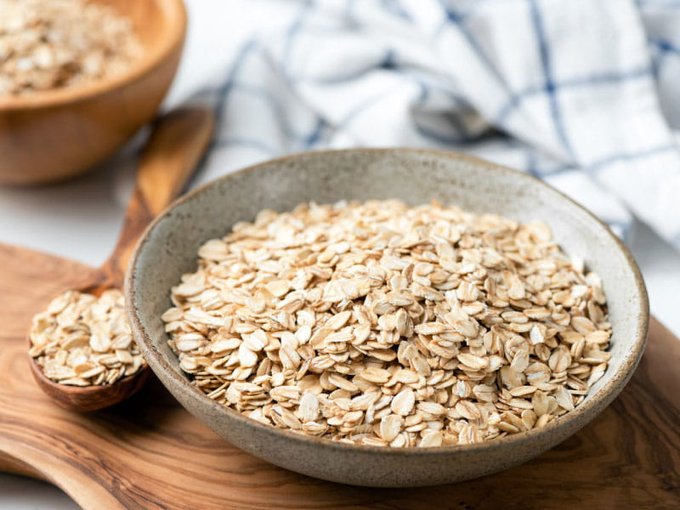
Oats and oatmeal have powers you probably didn’t know about — like nutrients to help lower cholesterol and enough fiber to help you feel fuller longer. They just might be quiet heroes of #BetterBreakfastMonth.
(Arx0nt/Moment via Getty Images)
By Michael Merschel, American Heart Association News
Let’s admit it: Oatmeal is a total nerd. It lacks fashion sense – the color they named after it is somewhere on the drab side of beige. It’s often seen with Sesame Street’s Bert, who also loves bottle caps, paper clips and pigeons.
But when it comes to healthy eating, oatmeal and the oats it comes from can definitely hang with the cool kids at the breakfast table.
“It has many, many good qualities,” said Candida Rebello, director of the nutrition and chronic disease research program at Louisiana State University’s Pennington Biomedical Research Center in Baton Rouge.
Extensive studies have associated oats and oatmeal with plenty of heart-healthy benefits, such as lowering cholesterol (both total and “bad” LDL cholesterol) and helping with weight control.
Oatmeal has a host of vitamins and minerals. Two examples: According to the U.S. Department of Agriculture, a one-cup serving of cooked oatmeal has about 1.8 milligrams of vitamin B1, or thiamin. That’s close to 15% of what an adult needs each day. It also has 1.36 mg of manganese, which is 59% of the daily recommendation for men and 76% for women. Manganese has roles in immunity, blood clotting and the way cholesterol and blood sugar are metabolized.
But that’s not what makes oats stand out, Rebello said. That same cup of cooked oatmeal has just 166 calories and nearly 4 grams of dietary fiber.
And the type of fiber is where oats start to distinguish themselves. It’s called beta-glucan. Put that in the conversation, and it’s like the scene in a movie where oatmeal takes off its glasses and everyone realizes just how beautiful it is.
Not literally. It’s a soluble fiber, which means it dissolves in hot water, where it thickens. “When you eat oatmeal, the kind of sliminess that you see – that comes from this viscosity that beta-glucan generates,” Rebello said.
That helps you feel full longer, she said. And it helps undigested food travel farther down your digestive tract, where it feeds the friendly bacteria living there.
Beta-glucan is abundant in oats and barley and has been shown “quite unequivocally” to help maintain healthy cholesterol levels, Rebello said.
Oats also are rich phytonutrients – plant-derived substances that may boost health. One class of such phytonutrients is avenanthramides, which are found only in oats. Avenanthramides may have antioxidant and anti-inflammatory effects, although Rebello said their possible benefits are not as well-researched as those for beta-glucans.
Oats have been linked to heart-health benefits since the 1960s and come in many forms. The differences involve levels of processing.
Oats grow in an inedible casing called a hull. Inside the hull is a seedlike groat. That groat is encased in bran. “In other whole grains, like in wheat, you can remove that bran layer,” Rebello said. “But in oats, this groat is very soft, so that bran layer cannot really be removed.”
That means oats are almost always a whole-grain food, and those are a key part of a healthy eating pattern.
If oats are labeled “steel cut,” it simply means they were processed with a steel cutter, Rebello said. Rolled oats are steamed first, then pressed with a roller. “If the roller crushes it into thinner flake, then you get quick-cooking oats,” she said. “If it is then rolled into an even thinner flake, you get your instant oats.”
Rebello said that nutritionally, there is little difference between steel cut and rolled oats. Instant oats, however, have a higher glycemic index, meaning they raise your blood sugar faster.
When oats are ground to flour, the coarser portion is extracted and called oat bran. The beta-glucans will be concentrated in the flour rather than the bran, she said.
Oat milk is derived from oats and water, but processing may add ingredients such as sugar, salt, oil and more. Oat milk has some dietary fiber, Rebello said – commonly 2 grams per cup – but the amount of beta-glucan is rather small.
Unfortunately, Rebello ruled out sugar-filled oatmeal cookies as a healthy food (although she’s not averse to having one as a treat now and then).
How, then, to embrace oats? “Just eat regular oatmeal,” she said. Half a cup of rolled oats cooks up quickly and will keep you full a long time.
Oatmeal with your favorite fruit can be a sweet way to start the day. Cook it in low-fat milk for creaminess and add unsalted nuts to bolster its heart-health value. If you’re time-pressed in the morning, try a healthy version of overnight oats, which can be prepared the night before.
It’s important to remember that no single food, even oats, can do it all, Rebello said, noting that if you eat a nutritious breakfast but then load up on sugar and fat the rest of the day, “that’s really not going to help you much.”
But you should go ahead and invite oatmeal into your breakfast club, Rebello said. “I definitely recommend eating oats.”
If you have questions or comments about this American Heart Association News story, please email editor@heart.org.
If you run regularly, whether it’s an easy jog around the block to stay fit or an intense training regimen to prepare for a marathon, you need proper nutrition.
Here are some tips to help keep runners well-nourished and ready to win.
Foods for Runners and Joggers
A good diet can boost your physical health and help you meet your fitness goals. Make sure your meals emphasize the following basic components:
Fruit and vegetables for vitamins, minerals and antioxidants
Lean protein such as fish, poultry, beans, lentils and tofu
Healthy fats such as olive oil, avocado and nuts
Healthy carbohydrates such as rice, whole grain breads/pastas and oatmeal
Individuals may have different optimal balances, but in general, people who include running or jogging as part of their fitness regimen should get 60% to 70% of their calories from carbohydrates, with lean protein and healthy fats each accounting for 15% to 20% of their remaining calories.
Don’t skimp on carbohydrates
Although low carbohydrate diets are popular go-to’s for people wanting to lose weight, they’re not ideal for distance runners, who thrive on carbohydrates for endurance.
That is why very low carbohydrate diets, such as the ketogenic diet, plus running is not a good idea. Experts do not recommend keto to runners unless they have been told by their doctor that this a medically safe option for them and they are being monitored while in ketosis.
Distance runners need more carbs than people who aren’t training. Undereating carbohydrates can be hard on your body and affect your recovery after your run.
Here’s why: Running uses both glucose in the blood and your stores of glycogen. Glucose is the form of sugar that circulates in the bloodstream, and glycogen is the sugar stored in your liver and muscles that acts as the primary fuel for endurance exercise.
Eating plenty of carbs helps ensure that these energy stores are ready to support your training. When those stores get too low, runners are more likely to run out of energy and “burn out” or “hit a wall” while training.
Running Diet — Vitamins and Minerals
Running changes your body and your nutritional needs. Often when people start a running regimen, they are trying to lose weight or get in shape quickly, and they don’t realize they need to adjust their diet.
Especially in women runners, dietitians report seeing a tendency to overdo the running while not eating enough, and this can have an effect on health if they do not adequately replenish lost vitamins and minerals in their diet.
For women in particular, calcium and vitamin D are essential for bone health to avoid loss of bone mineral density and the risk of stress fractures.
For more vitamin D, include these foods in your meals:
Vitamin D-fortified dairy and almond, soy or rice based beverages
Eggs
Cereal fortified with vitamin D
Tuna
Salmon
For more calcium, try:
Yogurt and cheese
Tofu
Edamame
Almonds
Canned fish with bones (such as sardines)
Iron deficiency can affect women and even have an impact on their running performance. Menstruation puts people at higher risk of iron deficiency, and if iron isn’t replenished in the diet, decreases in hemoglobin can occur and bring on anemia. Hemoglobin is what carries oxygen throughout the body, including the muscles, so if there is a deficit, the muscles may feel the effect of insufficient oxygen during exercise.
Iron-rich foods include:
Poultry and other meat
Legumes, such as peas and beans
Dark, leafy green vegetables such as kale
Dried fruits and raisins
Iron-fortified breads and cereals
Dietitians recommend eating eating iron rich foods in combination with foods high in vitamin C, such as citrus, bell peppers or berries, since vitamin C helps increase the body’s absorption of iron.
What to Eat Before Running ― and When
The best time to eat a full meal is about two to three hours before you hit the road, track or trail. Have a good source of carbs paired with protein, making sure the meal focuses on a healthy carb source.
If it’s been more than three to four hours since you’ve eaten, a carbohydrate-rich snack a half-hour before running can ensure you have adequate glucose available before you head out. Directly before a run, it’s best to stick with easy-to-digest carbohydrates to avoid gastrointestinal [GI] distress such as cramping or diarrhea.
Try these:
Bananas
Applesauce
Crackers, pretzels or cereal
White bread
Potatoes
Glucose Boosters for Long Distance Runners
If you are training for a marathon or distance event and are going to be out for over an hour, you will want to bring some fuel with you. Energy drinks, gel tubes and other sources of quick blood-glucose boosters are available, but you can also use something as simple as fruit snacks.
Try practicing with these items as you train so you can pick the formulas that are best for you, and you can work on accessing and ingesting them smoothly without breaking stride.
What foods should runners avoid?
Before a run or the night before a big race, Eidel recommends going easy on:
Spicy foods or foods overly high in fat, which can cause GI upset
Foods that are very high in fiber, which can cause gas and cramping
Caffeine ― Although it is tempting to grab a caffeine boost right before a run, runners should remember that for some people, caffeine can stimulate the GI tract, which can result in diarrhea or the need for an emergency bathroom break
Does carb-loading work?
It might. Carb loading is the practice of eating a lot of carbohydrates ― particularly those that are easily absorbed, such as white bread, pasta and rice ― for 24 to 48 hours before a big race or distance run, to shore up your body’s stores of glycogen and lessen the risk of burnout before finishing the event.
Some studies show carb loading is beneficial for people preparing for a race, but it’s important to make sure during that time you’re also allowing your body to rest and giving it time to store what you are ingesting. The number of carbohydrate grams will be differ from person to person, but in general, evidence shows carb loading can be beneficial prior to a distance event.
In contrast, casual runners likely do not need to carb load. Ensuring that their day-to-day diets include extra carbohydrates can be sufficient.
What to Eat After a Run
It’s common for people not to feel hungry after a run, but a snack or light meal of complex carbohydrates and protein within the first hour after running can help replenish glycogen stores and to support recovery and rebuild stressed muscles. For example:
Peanut butter and banana
Egg on toast
Sandwich with deli meat
Pasta with meat or plant-based protein
Veggie burger on a bun
Protein shake or smoothie
Running to Lose Weight
If you’re interested in running as part of a weight loss plan, getting adequate nutrition is a must. Even casual running or jogging burns calories and can be hard on the body. Runners can become undernourished at first because they don’t understand how much energy they’re burning when they run and what they need to properly recover.
Eating enough is also essential to building muscles, which can aid in fat burning ― a plus for people working on achieving or maintaining a healthy weight.
For optimal weight loss, your plan should not rely on running alone but also include strength training and proper nutrition.
Listen to your body
If you run regularly, you should pay attention to the effects of what you eat and when, especially on running performance. Learning what works best for you can take some time and a little trial and error, but it is worth it, since running, jogging and other regular aerobic exercise offers so many health advantages.
Always feel free to consult a dietitian or doctor, and listen to your body if you’re not keeping up with your training goals.
Oats and oatmeal have powers you probably didn’t know about — like nutrients to help lower cholesterol and enough fiber to help you feel fuller longer. They just might be quiet heroes of #BetterBreakfastMonth.
(Arx0nt/Moment via Getty Images)
By Michael Merschel, American Heart Association News
Let’s admit it: Oatmeal is a total nerd. It lacks fashion sense – the color they named after it is somewhere on the drab side of beige. It’s often seen with Sesame Street’s Bert, who also loves bottle caps, paper clips and pigeons.
But when it comes to healthy eating, oatmeal and the oats it comes from can definitely hang with the cool kids at the breakfast table.
“It has many, many good qualities,” said Candida Rebello, director of the nutrition and chronic disease research program at Louisiana State University’s Pennington Biomedical Research Center in Baton Rouge.
Extensive studies have associated oats and oatmeal with plenty of heart-healthy benefits, such as lowering cholesterol (both total and “bad” LDL cholesterol) and helping with weight control.
Oatmeal has a host of vitamins and minerals. Two examples: According to the U.S. Department of Agriculture, a one-cup serving of cooked oatmeal has about 1.8 milligrams of vitamin B1, or thiamin. That’s close to 15% of what an adult needs each day. It also has 1.36 mg of manganese, which is 59% of the daily recommendation for men and 76% for women. Manganese has roles in immunity, blood clotting and the way cholesterol and blood sugar are metabolized.
But that’s not what makes oats stand out, Rebello said. That same cup of cooked oatmeal has just 166 calories and nearly 4 grams of dietary fiber.
And the type of fiber is where oats start to distinguish themselves. It’s called beta-glucan. Put that in the conversation, and it’s like the scene in a movie where oatmeal takes off its glasses and everyone realizes just how beautiful it is.
Not literally. It’s a soluble fiber, which means it dissolves in hot water, where it thickens. “When you eat oatmeal, the kind of sliminess that you see – that comes from this viscosity that beta-glucan generates,” Rebello said.
That helps you feel full longer, she said. And it helps undigested food travel farther down your digestive tract, where it feeds the friendly bacteria living there.
Beta-glucan is abundant in oats and barley and has been shown “quite unequivocally” to help maintain healthy cholesterol levels, Rebello said.
Oats also are rich phytonutrients – plant-derived substances that may boost health. One class of such phytonutrients is avenanthramides, which are found only in oats. Avenanthramides may have antioxidant and anti-inflammatory effects, although Rebello said their possible benefits are not as well-researched as those for beta-glucans.
Oats have been linked to heart-health benefits since the 1960s and come in many forms. The differences involve levels of processing.
Oats grow in an inedible casing called a hull. Inside the hull is a seedlike groat. That groat is encased in bran. “In other whole grains, like in wheat, you can remove that bran layer,” Rebello said. “But in oats, this groat is very soft, so that bran layer cannot really be removed.”
That means oats are almost always a whole-grain food, and those are a key part of a healthy eating pattern.
If oats are labeled “steel cut,” it simply means they were processed with a steel cutter, Rebello said. Rolled oats are steamed first, then pressed with a roller. “If the roller crushes it into thinner flake, then you get quick-cooking oats,” she said. “If it is then rolled into an even thinner flake, you get your instant oats.”
Rebello said that nutritionally, there is little difference between steel cut and rolled oats. Instant oats, however, have a higher glycemic index, meaning they raise your blood sugar faster.
When oats are ground to flour, the coarser portion is extracted and called oat bran. The beta-glucans will be concentrated in the flour rather than the bran, she said.
Oat milk is derived from oats and water, but processing may add ingredients such as sugar, salt, oil and more. Oat milk has some dietary fiber, Rebello said – commonly 2 grams per cup – but the amount of beta-glucan is rather small.
Unfortunately, Rebello ruled out sugar-filled oatmeal cookies as a healthy food (although she’s not averse to having one as a treat now and then).
How, then, to embrace oats? “Just eat regular oatmeal,” she said. Half a cup of rolled oats cooks up quickly and will keep you full a long time.
Oatmeal with your favorite fruit can be a sweet way to start the day. Cook it in low-fat milk for creaminess and add unsalted nuts to bolster its heart-health value. If you’re time-pressed in the morning, try a healthy version of overnight oats, which can be prepared the night before.
It’s important to remember that no single food, even oats, can do it all, Rebello said, noting that if you eat a nutritious breakfast but then load up on sugar and fat the rest of the day, “that’s really not going to help you much.”
But you should go ahead and invite oatmeal into your breakfast club, Rebello said. “I definitely recommend eating oats.”
If you have questions or comments about this American Heart Association News story, please email editor@heart.org.
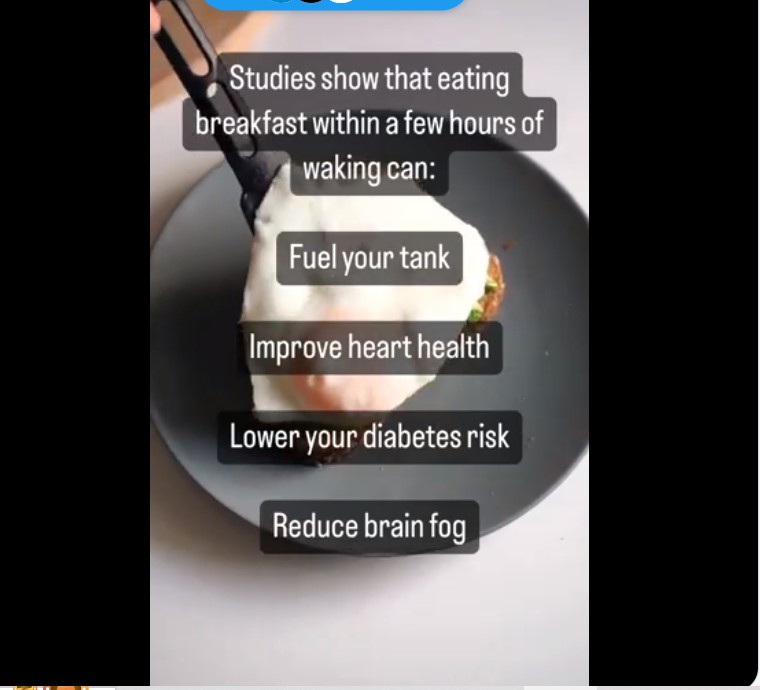
The term “breakfast” means breaking the fast. And at some point in our day, all of us do that, whether it’s at 7 a.m. or noon. Ideally, the recommendation is to put some food in your belly within two hours of getting up for the day.




 Healthaware