Make 2025 the year your health resolution sticks. Small, sustainable changes are the key to success. Health is more than just weight. Prioritize quality food, movement, and healthy habits. @MayoClinic

Making your weight-loss resolution stick

12/19/2024 by Luke Hafdahl, M.D.

Scale_widget

As the Earth completes another trip around the sun, many people reflect on the previous year’s weight-loss resolutions that didn’t work out as planned. You have undoubtedly seen an explosion of weight-loss medication advertisements over the last year. While these medicines can potentially be helpful, they need to be used in conjunction with healthy lifestyle changes. Here are some tips to make 2025 the year your weight-loss resolutions stick!

Start with a diet to lose weight. Weight loss is 20% in exercise and 80% in the kitchen. You will get far more weight loss by focusing on diet to start.

Think small! Aim to lose about three to five pounds per month. Rapid weight loss is usually a sign that you’re doing something that will be hard to keep up. Don’t go on a “diet,” instead make a “lifestyle change” by focusing on small things you can sustain for the rest of your life. Remember: Small changes over a long period yield big results.

Rethink your drink. Calories are experts at sneaking into your diet without you even noticing, especially in beverages. Reducing or eliminating sugary drinks and alcohol can make a HUGE difference. Consider these simple substitutions: diet soda instead of regular soda, skim milk instead of whole milk for your coffee, flavored water instead of fruit juice, etc.

Avoid portion pitfalls. Oversized portions derail the best weight-loss plans. Give these quick fixes a try:

  • At restaurants, put half of your meal in a to-go box as soon as it comes to the table.
  • At home, keep serving dishes away from the dining table to discourage seconds and thirds.
  • With snacking, put your snack in a bowl or container rather than sit and munch with the whole package at hand.
  • Spoil your dinner! A healthy snack before dinner that leads to eating less at your meal is A-OK!

Ease into exercise. Exercise is key to a healthy life, but if you’re not doing much exercise to start, going from zero to 60 is a recipe for crash and burn. Start low and go slow. Start with 10 minutes of exercise per week. Add 10 minutes weekly and slowly build up to 30 minutes five days a week. How do you know if you’re exercising right? If you’re breathing hard enough that it would be challenging to have a conversation with someone, then you’re doing it right!

Put a dietitian in your pocket. Have a smartphone or tablet device? Use it to work for you! Knowing which foods are good and bad is only part of the struggle. MyFitnessPal is a fantastic, free app that helps you set weight-loss goals and track your calories.

Most important: Don’t focus on weight too much! Weight is only one piece of the health puzzle! We tend to focus on weight as it is the easiest to see and measure, but being healthy is much more than your weight. The quality of the food you eat, the exercise you get and the unhealthy choices you avoid are just as important!

Remember that your healthcare clinician is there for you. Don’t hesitate to ask for guidance and talk about available tools to lose weight and be healthy. Make 2025 the year your weight-loss resolutions stick so you have many more trips around the sun.

Luke Hafdahl, M.D., is a Community Internal Medicine, Geriatrics and Palliative Care physician. He has a particular interest in medical education.


This fresh English Pea Pasta recipe is loaded with healthful pea protein and flavored with garlic, mint and grated Parmigiano Reggiano.@ClevelandClinic

There is something special about using fresh peas straight out of the pod. This recipe was inspired by our root-to-stem philosophy of cooking: It always seems like such a waste to throw away the pea pods, but they are relatively inedible. To make use of the pods, we’ve pureed them into a spring-fresh pasta sauce. Remember: Pasta for breakfast is a great choice, especially when it’s loaded with healthful pea protein.

Ingredients

Kosher salt
1 pound fresh English peas in pods (yields about 1 cup shelled peas and about 3 ½ cups pods)
½ cup water
¼ cup extra-virgin olive oil
2 small spring onions or 2 large shallots, chopped
2 small spring garlic (whites) or 3 garlic cloves, minced
2 tablespoons Greek yogurt (optional)
12 ounces whole grain pasta, such as linguine, rigatoni or small shells
Freshly ground black pepper
¼ cup fresh mint (peppermint preferred), thinly sliced
Espelette pepper to taste (optional)
Grated Parmigiano Reggiano cheese (optional)

Directions

  1. Bring a large pot of water to boil and add enough salt to make it salty like the sea.
  2. Meanwhile, wash the peas. Pull off the stem ends: remove the peas and place in a small bowl. Reserve the pods.
  3. Fill a bowl with cold water. Set aside. Add the empty pea pods to the pot of boiling water and cook for 5 minutes. Using a slotted spoon or spider, remove the pods from the boiling water and transfer to the bowl of cold water to cool quickly. Drain the pea pods and add to a Vitamix or high-speed blender. Add ½ cup water. Puree for 2 to 3 minutes.
  4. Place a fine strainer over a bowl and add the pea pod puree to the strainer, pressing on the solids to release as much puree as possible into the bowl. Discard the solids in the strainer. Reserve the puree in the bowl; season to taste with salt and pepper.
  5. Cook the pasta in the pot of boiling water until al dente, stirring occasionally.
  6. Meanwhile, in a large skillet, heat the olive oil over medium heat. Add the onions and garlic and sauté until softened, 3 to 4 minutes. Add the peas and cook 2 minutes. Stir in the reserved pea pod puree and Greek yogurt, if using, and cook just until heated through. (Don’t overcook the peas or puree as the sauce will turn brown).
  7. Using tongs or a spider, transfer the pasta to the sauce in the skillet. Toss until combined. Season to taste with salt and pepper. Transfer the pasta to the serving bowl. Add the basil and mint. Serve with Espelette pepper and grated Parmigiano Reggiano cheese, if using.

Nutritional info (per serving)

Makes 4 servings.

Calories: 554 kcal
Total fiber: 12 g
Soluble fiber: 0.1 g
Protein: 15.5 g
Total fat: 16.7 g
Saturated fat: 2.0 g
Healthy fats: 12.1 g
Carbohydrates: 84 g
Sugars: 7.7 g
Added sugars: 0 g
Sodium: 178 mg
Potassium: 433 mg
Magnesium: 14 mg
Calcium: 134 mg

Source: The What to Eat When Cookbook by Michael F. Roizen, MD, Michael Crupain, MD, MPH and Jim Perko, Sr, CEC, AAC.

Why Your Face Gets Beet Red When You Drink @ClevelandClinic #inflammation

It may come on in those first few sips of alcohol. Or maybe you’re hit with a hot flash whenever you’re a few drinks in. But whenever you drink, you seem to experience a sudden sensation of warmth, and your face, neck and upper chest become covered in red patches and blotchy skin.

Is facial flushing a sign that you can’t handle your alcohol? Or is this a symptom of something more severe? Dermatologist Alok Vij, MD, explains just what causes facial flushing, along with some truth behind some common misconceptions.

What causes your face to turn red when you drink alcohol?

There are a couple of different root causes for facial flushing. More technically termed the “alcohol flush reaction,” this occurs because your body either can’t fully digest the alcohol you’re consuming or because your body is having an inflammatory response to drinking alcohol.

“Your face may flush from alcohol for two reasons: Because of an enzyme deficiency or because of rosacea,” says Dr. Vij. “Both are tied to your ethnicity.”

Enzyme deficiency

Many Asian populations, specifically 35% to 45% of East Asians, have a deficiency in alcohol dehydrogenase, the enzyme that breaks down a specific substance in alcohol called acetaldehyde.

“Alcohol is toxic to cells, and when it gets into the cells of your blood vessels, it makes them dilate,” explains Dr. Vij. “This reddens the skin and can make you feel warm.”

But without enough of this enzyme, you can end up having too much acetaldehyde in your body, and this makes alcohol reach toxic levels much earlier in your cells. This results in your skin becoming flushed.

Rosacea

Fair-skinned people of Northern European backgrounds who flush when they drink may have some degree of rosacea.

“This very common skin condition is marked by vasomotor instability or hyperactivity,” Dr. Vij explains further. “That means lots of things can dilate your blood vessels: alcohol, chocolate, hot beverages and spicy foods — basically, all the good things in life.”

Should I be worried?

You may be asking yourself this question if you’ve ever experienced facial flushing. On the surface, facial flushing might feel cosmetically embarrassing at most and may not come with any other dangerous symptoms. For those with an enzyme deficiency, facial flushing can occasionally be experienced with increased onset of nausea or vomiting because of your body’s inability to fully digest the alcohol you’re consuming.

For the most part, these factors are mostly harmless. But because alcohol is a cellular toxin, anyone who drinks excessively increases their risk for oral cancer and esophageal cancer.

“Alcohol most frequently passes through these sites,” states Dr. Vij. “Toxicity and DNA damage can build up in cells and, eventually, a cancer can form.”

But recent studies report that those who get an alcohol flush because of an enzyme deficiency are also at heightened risk of digestive, liver and respiratory cancers. These populations are more vulnerable to alcohol’s toxicity, as it’s processed and later eliminated in:

  • Your gastrointestinal (GI) tract, especially your stomach, where alcohol is absorbed.
  • Your liver, where alcohol is sent after it’s absorbed by your stomach.
  • Your lungs, where alcohol in your blood is released in your breath.

Is rosacea linked to cancer?

“We don’t think of rosacea as a precancerous disease,” Dr. Vij clarifies. “The biggest problems rosacea causes are a bulbous nose, like W.C. Fields had, and eye inflammation.”

(It was rosacea — not alcoholism — that made the storied comedian’s nose look large, red and bumpy, because of an overgrowth of the sebaceous glands, Dr. Vij adds.)

In addition, rosacea can make your eyes feel itchy, dry and chronically irritated. These eye symptoms can be managed with anti-inflammatory medication.

“We typically prescribe oral antibiotics like doxycycline or minocycline, often at lower doses than are required to kill bacteria,” he continues.

How to prevent facial flushing when drinking

If an alcohol flush makes you feel self-conscious when you drink, certain treatments can help:

  • Topical medications: Medicines like brimonidine (Mirvaso®) can block blood vessels in your skin from dilating.
  • Laser treatments: A series of laser treatments can shrink the superficial blood vessels in your skin. “You usually need three to 10 treatments to get the full effect, but it can last for years, and prevent broken blood vessels in the later stages of rosacea,” notes Dr. Vij.

But because these medications and laser treatments are considered cosmetic, they aren’t typically covered by insurance.

Are some types of alcohol more likely to cause flushing?

So, if your face flushes, are specific kinds of alcohol to blame? And can you avoid some but not others as an at-home treatment approach to facial flushing?

“It’s really patient-specific. Some people with rosacea flush more with red wine; others flush more with hard liquor,” says Dr. Vij.

If you have rosacea and keep track of what happens when you drink, you may be able to find your triggers. But if facial flushing is an issue for you at all, avoiding alcohol in all its forms might be the next best and most equitable solution.

“If flushing bothers you, and you know alcohol is a trigger, the easiest and most cost-effective solution is to avoid it,” suggests Dr. Vij.

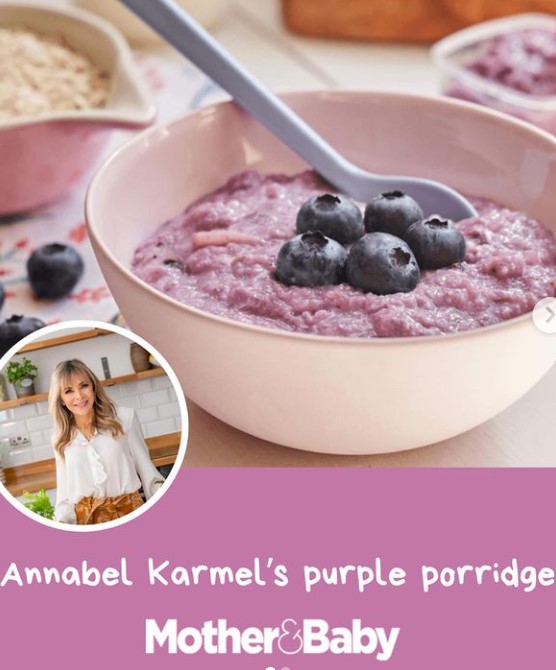
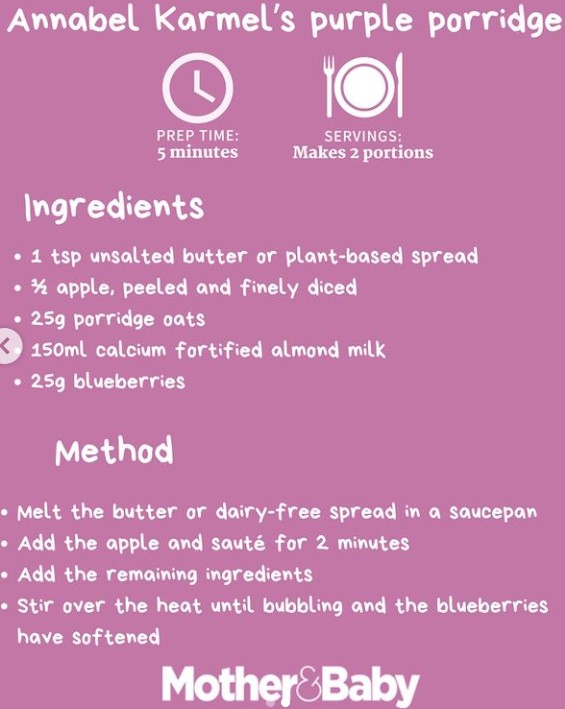
Purple porridge @annabelkarmel @motherandbaby

motherandbaby

Follow

Liked by annabelkarmel and others

  • motherandbaby
  • If you’re up for a breakfast change for your little one, try this no-fail Purple Porridge by cookbook author and child food expert @annabelkarmel. It’s an easy four step recipe. 👩‍🍳

    Packed with nutritious oats for iron and zinc to strengthen the immune system, and sweet blueberries rich in vitamin C and antioxidants to support brain development. It’s a tasty and wholesome start to their day! 💜👶🏻🫐 #motherandbaby