
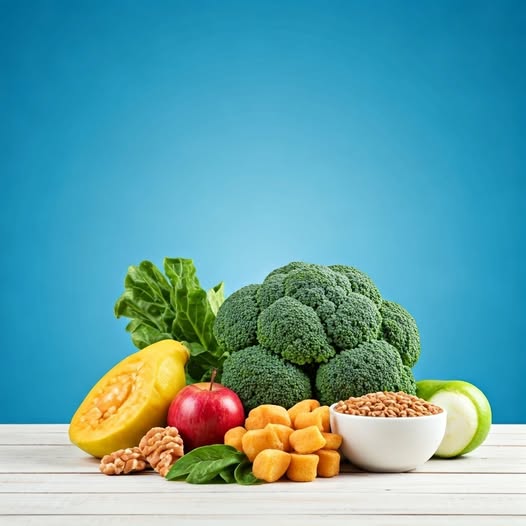
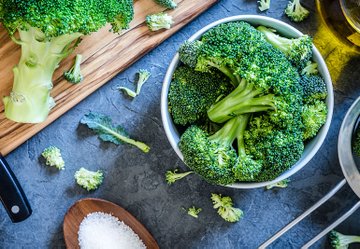
“Eat your broccoli,” may be a familiar refrain from your childhood. Maybe you didn’t love broccoli as a kid, but your parents were onto something. The “little trees” are full of fiber, folate, vitamins and more.
Broccoli is a member of the Brassica genus of plants, also known as the cabbage family. Broccoli’s relatives include Brussels sprouts, cabbage, cauliflower, chard and watercress. Many Brassicas have strong flavors and mix well with meats and other vegetables.
“A pile of steamed broccoli doesn’t appeal to everyone,” recognizes registered dietitian Beth Czerwony, RD, LD. “But broccoli is incredibly versatile and can be used in so many different dishes. Toss it in with your stir fry, chop it fresh in a salad or roast it with your baby potatoes. And with an abundance of nutrients, there are many benefits of eating broccoli.”
Broccoli nutrition facts
A cup of chopped raw broccoli has approximately:
- 31 calories.
- 6 grams of carbohydrates.
- 0 grams of cholesterol.
- 0.3 grams of fat.
- 2 grams of fiber.
- 2.6 grams of protein.
- 30 milligrams of sodium.
- 1.6 grams of sugar.
In addition, a cup of raw broccoli offers:
- 81 milligrams of vitamin C (90% daily value or DV).
- 93 micrograms of vitamin K (78% DV).
- 57 milligrams of folate (11% DV).
- 288 milligrams of potassium (6% DV).
- 19 milligrams of magnesium (5% DV).
Source: U.S. Department of Agriculture
Broccoli benefits
It’s worth finding ways to add broccoli to your diet because it’s a health-boosting dynamo. Here’s some motivation for you to get your green on: Some of the beneficial substances in broccoli are somewhat unique to the Brassica family of vegetables. Broccoli provides nutrients that may:
- Reduce your risk of cancer.
- Help control blood sugar.
- Protect your gut.
- Boost immunity.
As a superfood status, broccoli can improve your health with these five components:
1. Compounds to reduce cancer risk
“Broccoli offers some powerful molecules that protect your cells from damage,” says Czerwony. “Some of them even destroy cancer cells.”
Cancer-fighting molecules in broccoli include DIM, indole-3-carbinol and sulforaphane. According to studies, they may help:
- Detoxify certain substances that promote the growth of cancer cells, which means they don’t remove the substances, but they remove the harmful effects.
- Provide antioxidants, which prevent cell damage that can lead to cancer.
- Stop the growth and spread of cancer cells.
- Support apoptosis, your body’s process for destroying cells that could turn into cancer.
These anticancer molecules are in several of broccoli’s cruciferous veggie relatives, too. These nutrients don’t survive cooking or freezing. So, to get the benefits, raw broccoli is best.
“Some of these compounds are even more concentrated in broccoli sprouts,” notes Czerwony. “You can find broccoli sprouts in health food stores and many grocery stores. Sprouts are also easy to grow at home using a sprouting kit.”
2. Nutrients to help manage blood sugar
Both human and lab studies suggest compounds in broccoli may help lower blood sugar in people with Type 2 diabetes. This effect may be due to the antioxidants in broccoli, like vitamin C.
Research shows that fiber can also help with blood sugar management. At 2.5 grams of fiber per cup, broccoli is a good source of this nutrient.
3. Ligands to protect your gut
In a nonhuman study, researchers found that broccoli can help protect the lining of your small intestine. Compounds found in broccoli, called aryl hydrocarbon receptor ligands, help keep small intestine cells working well.
Why do those cells matter so much? When your small intestine lining is healthy, it only allows water and nutrients to pass through it into your bloodstream.
But when the cells of the lining are damaged, undigested food particles, bacteria and other disease-causing particles may pass through. A damaged small intestine lining can lead to infections and inflammation. It can also prevent you from absorbing the nutrients you need.
4. Vitamin C to boost immunity
Vitamin C is well-studied as an immune-boosting nutrient. When you don’t have enough vitamin C, you’re more likely to get infections.
The antioxidant effects of vitamin C also help your body keep free radicals under control. “Free radical damage is linked to all kinds of problems, including Alzheimer’s disease, autoimmune diseases, cancer, heart disease and Parkinson’s disease,” says Czerwony. When you don’t have enough antioxidants to neutralize free radicals, they damage your cells.
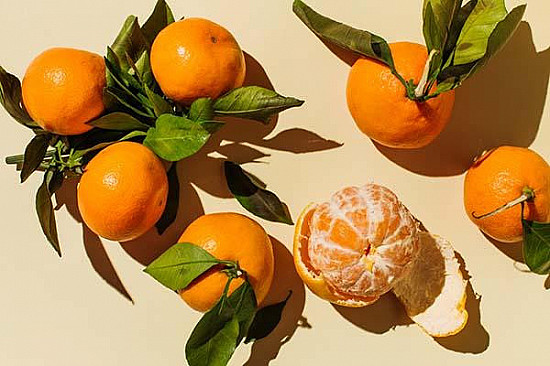
Surprising but true: Broccoli has more vitamin C than oranges. In 1 cup of the green cruciferous veggie, you get a whopping 81 milligrams of vitamin C. That’s 90% of the daily U.S. recommended dietary allowance (RDA) for adults. (An orange has about 70 milligrams.)
5. Nutrients to help heart health
Research suggests certain bioactive compounds in broccoli may boost your heart health in a variety of ways. It may:
- Lower triglycerides and LDL (“bad”) cholesterol: “High LDL can lead to fatty deposits on your artery walls, increasing your risk of artery disease, stroke and heart attack,” Czerwony explains. Research shows that eating broccoli can lower triglycerides, a type of fat, as well as LDL.
- Provide fiber: According to a review of 22 clinical trials, fiber can reduce your risk of cardiovascular and coronary artery disease.
- Reduce calcium buildup in blood vessels: When calcium builds up on your blood vessel walls, it increases your risk of heart attack and stroke. According to research, broccoli can help reduce this calcium buildup.
Is frozen broccoli healthy?
“If you want those anticancer compounds like sulforaphane, choose fresh broccoli,” advises Czerwony. Freezing inactivates sulforaphane.
“Frozen broccoli also loses a bit of its vitamin content. But overall, frozen broccoli is still very healthy. It’s better than not eating any broccoli because you still get a lot of the health benefits,” she continues.
Need some broccoli-inspired meals? Try these easy recipes:










 Healthaware