You may not realize it, but we all start losing 1 percent of muscle mass each year after age 30. That’s why your diet in later years should not look the same as it did when you were younger, says endocrinologist Susan Williams, MD.
Skipping breakfast, eating fast food and being inactive in your 20s and early 30s might not hurt your health in the short term. However, poor nutrition and lifestyle habits take their toll over time.
People who embrace good habits early on really get ahead of the game, Dr. Williams says. But it’s never too late to start eating better and taking better care of your body.
Whether you’re 30 or 50, Dr. Williams offers three important tips to get started in eating right when you are thinking about your long-term health.
RELATED: Do You Know How Much Exercise You Really Need?
1. Keep your weight in check
A roller coaster of weight gain and loss can change your body composition and leave you with more fat mass and less lean muscle mass.
2. Eat three balanced meals a day
You also want to limit your snacks in between. The word “balanced” is especially important because eating a wide variety of foods will help you prevent nutritional deficiencies.
Dr. Williams suggests this simple shopping list:
- Lean proteins. Choose chicken, white fish, oily fish like salmon, eggs, tuna fish and red meat (less frequently than other protein).
- Whole grains. This includes multigrain breads, and long-cooking rice or oats.
- Veggies. Go for fresh or fresh frozen. Choose what’s in season and enjoy a variety to get the vitamins and minerals your body needs.
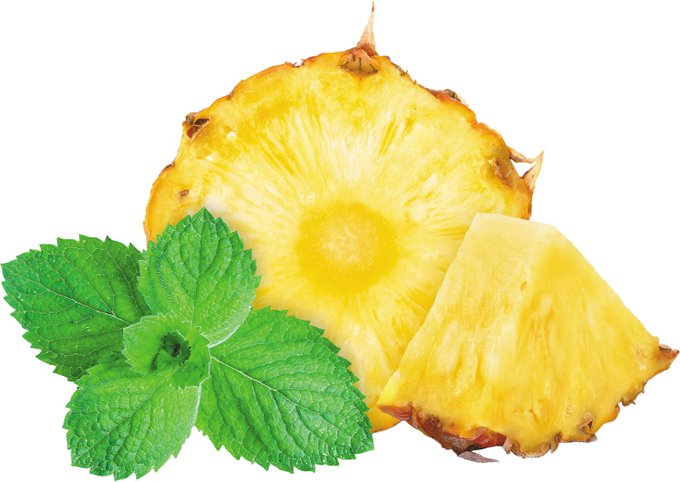
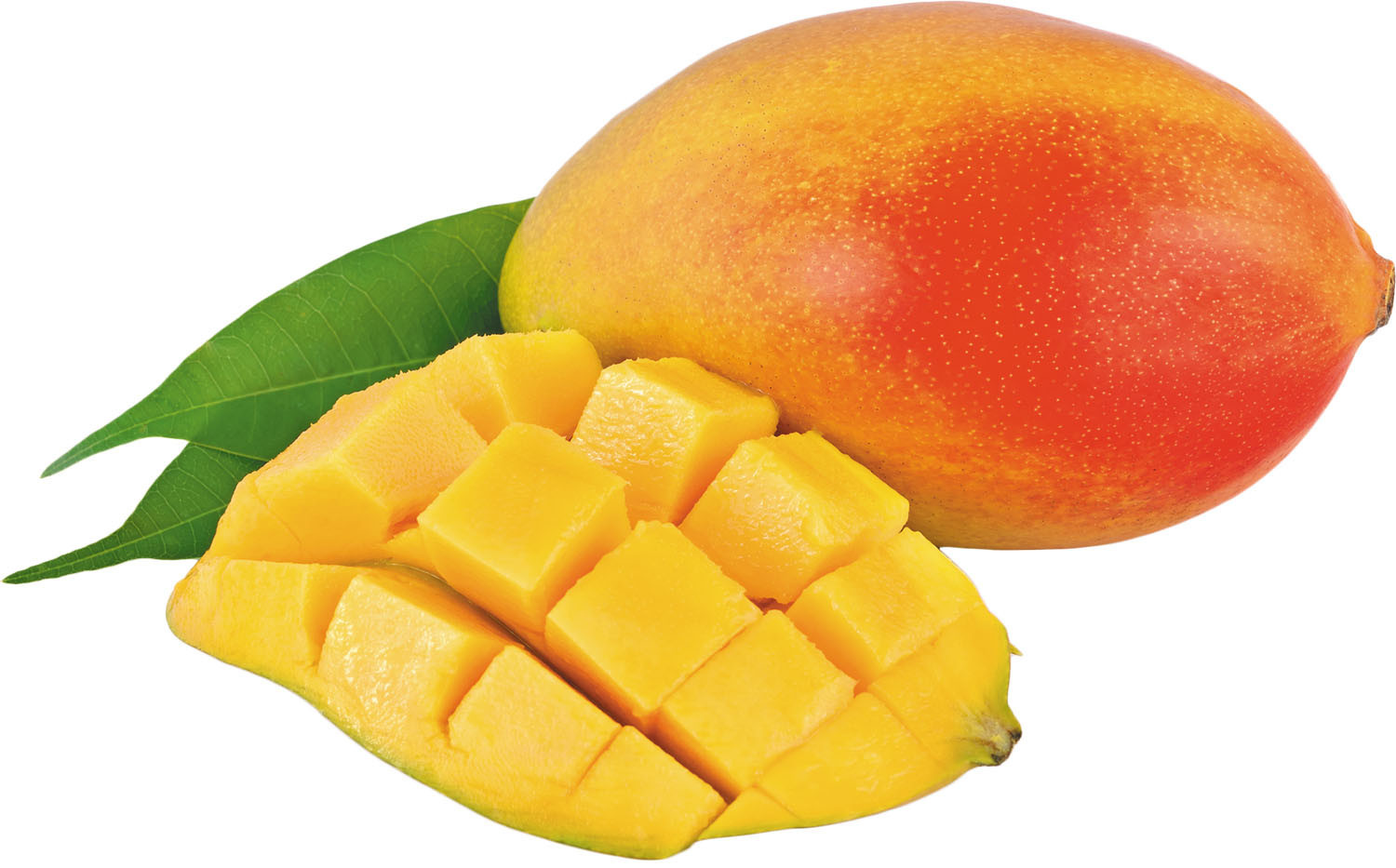
- Fruit. Fresh fruit is best, followed by frozen. Canned fruit can be OK, but choose options in light syrup or water. Check the label and avoid added sugar.
- Dairy. Choose milk, yogurts, cheeses and cottage cheese that are low-fat or fat-free.
Steer clear of cookies, cakes, pies, ice creams, juices and rich desserts. If that sounds like no fun, Dr. Williams advises treating these foods as treats. Save them for dining out or special occasions, but don’t make them part of your daily diet.
RELATED: Which Bread Is Best For You — Whole-Grain, Multigrain or Whole Wheat?
3. Use your muscles
Eating protein and being physically active are equal partners in the quest for maximum health, Dr. Williams says. Muscles are made of protein, but simply eating protein is not enough to save them.
“Muscles in your body are a use-or-lose proposition,” she says. “You need to use them to keep them strong.”
Can’t carve out time for the gym? Try this daily routine:
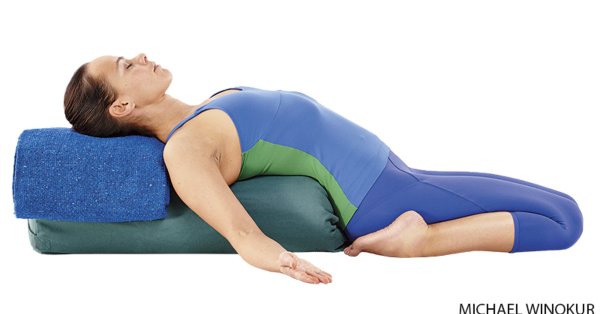
- In the morning, stretch for 10 minutes.
- At lunch, eat and then walk for 10 minutes.
- After dinner, spend 10 minutes with stretch bands or light weights.
Even a half hour of physical activity can make a world of difference, especially if you make it a habit in your 30s. “Don’t let your weight creep up while your muscle mass creeps down over your 30s and 40s,” Dr. Williams says. The longer you wait, the harder it will be to get started — and the more muscle you will have already lost.










 Healthaware