5 surprising benefits of #walking: Any physical activity is a boon to your overall health. But walking in particular comes with a host of benefits. https://bit.ly/3uyNvhI#HarvardHealth
The next time you have a check-up, don’t be surprised if your doctor hands you a prescription to walk. Yes, this simple activity that you’ve been doing since you were about a year old is now being touted as “the closest thing we have to a wonder drug,” in the words of Dr. Thomas Frieden, former director of the Centers for Disease Control and Prevention.
Of course, you probably know that any physical activity, including walking, is a boon to your overall health. But walking in particular comes with a host of benefits. Here’s a list of five that may surprise you.
1. It counteracts the effects of weight-promoting genes. Harvard researchers looked at 32 obesity-promoting genes in over 12,000 people to determine how much these genes actually contribute to body weight. They then discovered that, among the study participants who walked briskly for about an hour a day, the effects of those genes were cut in half.
2. It helps tame a sweet tooth. A pair of studies from the University of Exeter found that a 15-minute walk can curb cravings for chocolate and even reduce the amount of chocolate you eat in stressful situations. And the latest research confirms that walking can reduce cravings and intake of a variety of sugary snacks.
3. It reduces the risk of developing breast cancer. Researchers already know that any kind of physical activity blunts the risk of breast cancer. But an American Cancer Society study that zeroed in on walking found that women who walked seven or more hours a week had a 14% lower risk of breast cancer than those who walked three hours or fewer per week. And walking provided this protection even for the women with breast cancer risk factors, such as being overweight or using supplemental hormones.
4. It eases joint pain. Several studies have found that walking reduces arthritis-related pain, and that walking five to six miles a week can even prevent arthritis from forming in the first place. Walking protects the joints — especially the knees and hips, which are most susceptible to osteoarthritis — by lubricating them and strengthening the muscles that support them.
5. It boosts immune function. Walking can help protect you during cold and flu season. A study of over 1,000 men and women found that those who walked at least 20 minutes a day, at least 5 days a week, had 43% fewer sick days than those who exercised once a week or less. And if they did get sick, it was for a shorter duration, and their symptoms were milder.
Taking short breaks throughout the day is beneficial for your mental health. Cleveland Clinic Yoga Program Manager, Judi Bar, shares stretches you can do wherever you are. #NationalYogaMonthpic.twitter.com/hIdb9GQkQO
RCSI welcomes progress in physiotherapist referral for medical radiological procedures
RCSI University of Medicine and Health Sciences has welcomed the policy decision to permit physiotherapists to refer patients for medical radiological procedures, and the progress made in implementing this important new measure which will make it quicker for patients to access a diagnosis and begin their treatment.
Physiotherapist referral for medical radiological procedures results in fewer health professionals being involved in the patient pathway. At present, physiotherapists with advanced training can refer their patients for radiological investigations, such as X-ray, in several jurisdictions including England, Sweden, Canada and New Zealand.
Physiotherapists in Ireland will soon be invited to undertake advanced training which will allow them to refer their patients for radiological procedures. Initially, clinical specialist physiotherapists working in roles in specific clinical areas in the HSE are being invited to train for the authority to refer. In early 2025, application to the training programmes will then be opened more widely.
Professor Suzanne McDonough, Head of the RCSI School of Physiotherapy, said: “This is an important development which will lead to efficiencies in the patient pathway and reduce barriers to effective treatment for a range of musco-skeletal conditions.
“The evidence from the countries which already permit physiotherapist referral for radiological procedures is positive, with no serious adverse events reported and with many advantages for the patient and the health system,” added Professor McDonough.
An Expert Working Group was established in March 2024 to support the development and implementation of this policy. The group includes representation from Department of Health, Health Service Executive, CORU, UCD and the Irish Society of Chartered Physiotherapists.
Established in 1999, the RCSI School of Physiotherapy aims to educate professionally safe, competent, reflective and analytical physiotherapists.
RCSI welcomes progress in physiotherapist referral for medical radiological procedures
RCSI University of Medicine and Health Sciences has welcomed the policy decision to permit physiotherapists to refer patients for medical radiological procedures, and the progress made in implementing this important new measure which will make it quicker for patients to access a diagnosis and begin their treatment.
Physiotherapist referral for medical radiological procedures results in fewer health professionals being involved in the patient pathway. At present, physiotherapists with advanced training can refer their patients for radiological investigations, such as X-ray, in several jurisdictions including England, Sweden, Canada and New Zealand.
Physiotherapists in Ireland will soon be invited to undertake advanced training which will allow them to refer their patients for radiological procedures. Initially, clinical specialist physiotherapists working in roles in specific clinical areas in the HSE are being invited to train for the authority to refer. In early 2025, application to the training programmes will then be opened more widely.
Professor Suzanne McDonough, Head of the RCSI School of Physiotherapy, said: “This is an important development which will lead to efficiencies in the patient pathway and reduce barriers to effective treatment for a range of musco-skeletal conditions.
“The evidence from the countries which already permit physiotherapist referral for radiological procedures is positive, with no serious adverse events reported and with many advantages for the patient and the health system,” added Professor McDonough.
An Expert Working Group was established in March 2024 to support the development and implementation of this policy. The group includes representation from Department of Health, Health Service Executive, CORU, UCD and the Irish Society of Chartered Physiotherapists.
Established in 1999, the RCSI School of Physiotherapy aims to educate professionally safe, competent, reflective and analytical physiotherapists.
Taking short breaks throughout the day is beneficial for your mental health. Cleveland Clinic Yoga Program Manager, Judi Bar, shares stretches you can do wherever you are. #NationalYogaMonthpic.twitter.com/hIdb9GQkQO
Protect and build muscle while getting essential amino acids and calcium with this protein
Milk really does do a body good. It’s high in calcium, vitamin D and potassium. And it’s also rich in a beneficial protein called casein (pronounced ”KAY-seen“).
If you’re a regular dairy milk drinker, you’re already getting some benefits of casein. But you may want to consider adding more casein to your diet. Athletes and bodybuilders have been using casein protein powder for years. But the benefits of casein aren’t just for pro sports players.
“Protein is a vital part of any balanced diet,” says registered dietitian Elyse Homan, RD, LD. “But different proteins have different effects. Understanding how each protein works is beneficial, especially if you’re supplementing with it.”
What is casein?
Casein is the main protein found in dairy milk, which includes the milk from:
Cows.
Goats.
Sheep.
Casein makes up about 80% of the protein found in milk. The other 20% comes from whey protein.
“When you think of curds and whey,” Homan says, “the solid part is casein protein, and the liquid part is whey protein.”
Help your tissues and organs change and grow as needed.
Protect your body from viruses and bacteria.
Support your body’s movement by providing cell structure.
Casein vs. whey
Casein and whey have a lot in common. They’re both:
Animal-based proteins.
Complete proteins — they contain all the amino acids your body needs.
Excellent sources of calcium.
Found in dairy milk.
The main difference is that casein is a slower-digesting protein than whey. “Casein forms a gel-like substance in your stomach,” Homan explains. “It releases more slowly than other proteins and takes longer for your body to absorb.”
Casein protein benefits
Getting the recommended daily amount of protein helps you stay healthy. But casein’s slow absorption also gives it some added advantages. The health benefits of casein include:
1. Gives you all the essential amino acids
Amino acids combine to form proteins. There are 20 amino acids that your body needs to work correctly, and they join in various ways to create different proteins.
Your body makes some of the amino acids it needs, but there are nine essential amino acids that your body can’t produce — you must get them from food. Casein is a complete protein and has all nine essential amino acids.
2. Reduces muscle breakdown
Your cells rely on regular “feedings” of amino acids to continually make proteins. When you go without eating overnight or during an extended fast, your cells may not get the needed amino acids. As a result, they look for those amino acids elsewhere and break down your body’s muscles to get them.
As a slow-release protein, casein provides your cells with the amino acids they need over a long period. The slow absorption consistently feeds your cells with amino acids, allowing muscles to recover instead of breaking down.
3. Promotes muscle growth
Casein contains a high amount of leucine, an amino acid that regulates metabolism (how your body changes food into energy) and helps build and repair muscles. If you don’t typically consume a lot of protein, adding more leucine-heavy protein to your diet (like casein) can help your muscles grow when also engaging in regular exercise.
4. Provides a good source of calcium
The casein in milk is a good source of calcium, which is essential for teeth and bone health. Not getting enough calcium can lead to a loss of bone mass and increase your risk of osteoporosis (a disease that weakens your bones).
Casein protein powder may contain up to 50% of your recommended calcium intake — but always check the label to make sure that the protein powder is a good source of calcium.
How casein protein powder can help
Casein protein’s general health benefits are good for everyone. But using casein protein powder ensures you’ll get a more significant amount of casein each day. Talk to your healthcare provider about taking casein protein powder for:
Different types of proteins affect you differently after you eat them:
Whey protein, which you absorb quickly, makes you feel full immediately after ingesting it.
Casein’s slow rate of release helps you feel fuller longer.
One study found that participants who consumed casein protein powder before a meal ate less at that meal than people who had whey protein, egg albumin (made from egg whites) or water alone.
“Our bodies only absorb so much protein at one time,” Homan clarifies. “About 30 grams of protein per meal is a good amount to consume. If you plan to have more than one serving of casein powder daily, space it out.” It may help you stave off cravings and decrease snacking between meals, too.
Overnight muscle growth and recovery
Bodybuilders and athletes know that protein is key for building muscle. But keeping your body’s protein levels up overnight can be challenging. That is, unless you ingest casein immediately before going to sleep.
Research shows that consuming casein protein before bed balances your body’s protein level throughout the night. When your protein level stays consistent, muscles can continue to grow and recover — even though you’re not eating.
What to consider before taking casein
For most people, casein doesn’t cause any side effects. But Homan says certain people may need to avoid or limit casein if they have a condition such as:
Casein allergy
If you have a milk allergy, the proteins in milk trigger your immune system and cause it to overreact. People with a milk allergy are allergic to casein, whey or both.
A severe allergy can cause anaphylaxis. More mild symptoms of a milk allergy include:
“Casein allergies are not as common in adults as in children, but they do exist,” notes Homan. If you suspect you have a milk allergy, an allergist can do a test to figure out what you’re allergic to.
Lactose intolerance
Like all dairy products, casein contains the sugar lactose. If you have lactose intolerance, your small intestine can’t digest milk sugar. When you have dairy products, you may develop symptoms including:
“Casein supplements do have lower amounts of lactose,” Homan states. “If you’d like to include casein in your diet but have a lactose sensitivity, the supplement might not trigger it. Talk to your healthcare provider if you’re interested in taking a supplement.”
Protein restrictions
People with kidney disease often need to limit their protein. Too much protein can cause too much waste in your blood. If your kidneys can’t remove the waste, the buildup of toxins can lead to serious health complications.
“People with a protein restriction, such as those with kidney disease, don’t have to avoid casein,” Homan says. “But they do need to watch how much total protein they eat. Your healthcare provider can help you figure out the right amount.”
Sources of casein protein
There are two ways you can add casein to your diet:
Casein supplements
A powdered casein supplement can help you get high amounts of it, according to Homan. The most common form of casein powder is micellar casein, or you can get a rapidly absorbing type (casein hydrolysate). One serving typically contains 24 to 27 grams of protein. Mix with water to create a protein shake, or add it to smoothies, yogurt or baked goods.
“People looking to build muscle or get more protein in their diet should talk to their healthcare provider about adding casein,” she adds. “Supplementing with casein isn’t necessary if you have a healthy, balanced diet, but it can be helpful for some people.”
The U.S. Food and Drug Administration doesn’t regulate supplements. So, it’s a good idea to look for a casein supplement that underwent third-party testing. It’s usually a sign of a higher quality product.
Casein food sources
Anyone can benefit from casein, and you and your family probably already get it from the dairy products you consume, such as:
“Adding a dairy product to your breakfast is an easy way to get some casein every day,” Homan encourages. One glass of milk has 8 grams of protein — 6.4 grams (80%) of that protein is casein. “It’s great to start your day with a good protein source.”FACEBOOK
Stretching promotes flexibility and helps your joints maintain a healthy range of motion—and in doing so, also lowers the chances of joint and muscle strain. https://bit.ly/2YZRu8Y#HarvardHealth
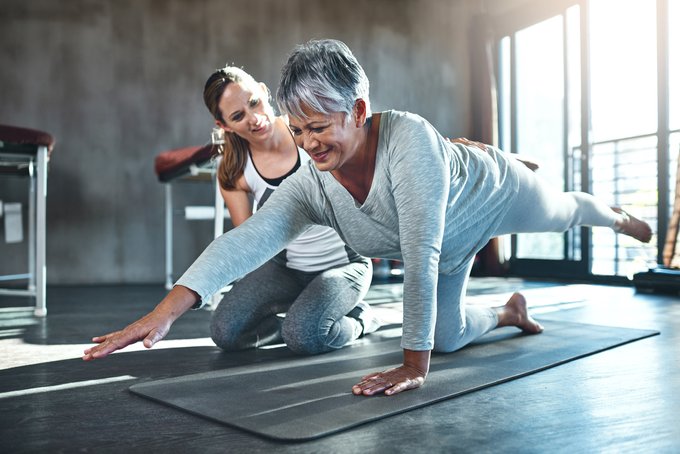
If you’re planning to start an exercise program and wondering where to begin, start with your core first, says physical therapist Brittany Smith, DPT. People often think of the core muscles as being the abdominal muscles, but the core includes the muscles in the abdomen, back and hips, all working together as a group.
“The core muscles provide stability for the entire body as it moves,” says Smith. “These muscles are activated when you stand up, turn, bend, reach, twist, stoop and move in most other ways. Everything starts with your core.”
Strong core muscles help you maintain good posture, while weak ones can lead to slouching and slumping. Poor posture can be a cause of aches and pain, especially in the back.
Getting started with your core
To get your core muscles in shape, you need to exercise.
“Our bodies were made to move, so any physical activity is really important,” says Smith.
She recommends these specific core-strengthening exercises below.
The first one engages the deep muscles in the abdomen, called the transverse abdominis. “These muscles help hold us in a better position to stabilize our core, thereby stabilizing our arms and legs,” says Smith.
“The more you work on these muscles, the more it will become second nature to hold these muscles tight when you’re lifting grocery bags, doing yard work or any other kind of physical activity,” says Smith. This will help support your body.
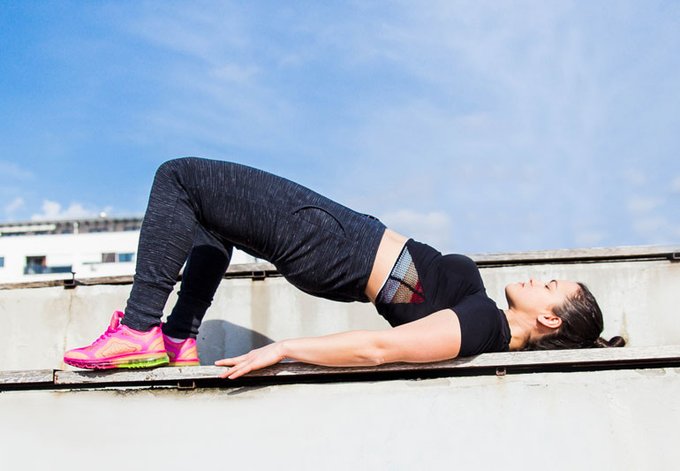
Other muscles that tend to be weak are the gluteus maximus in the buttocks, and the gluteus medius and gluteus minimus on the side of the hip. The bridge and clamshell exercises can help strengthen these muscles.
Smith emphasizes that getting the proper position of these exercises correct is more important than the number of repetitions you do. “It’s better to take your time, maybe do fewer reps, but with better quality,” she says. For that reason, it can be helpful to have the guidance of a physical therapist to get started.
Move on from the core
Core exercises are the starting point of overall fitness because you need to hold those muscles engaged while you strengthen other muscles, such as the biceps in the arms or the quadriceps in the legs.
Smith suggests setting short-term goals (for about a month) and then more long-term goals. Once you have achieved short-term goals, such as getting around more easily, add other types of weight-training or resistance exercises to build muscle elsewhere.
With any exercise you do, always listen to your body, warns Smith. If you have pain other than muscle burn, take it easy. Reduce the number of repetitions, the weight or the duration of the exercises. Then build up gradually. “You don’t have to be in pain to make gains,” she says.
Beginner exercises for core strength
For each of the following, work up to one to two sets of 10 to 15 repetitions once a day.
Abdominal bracing
Lie on your back with your knees bent and feet flat on the floor. Contract your abdominal muscles, and press the arch of your back down toward the floor, pulling your belly button toward your spine. Hold for 5 to 10 seconds. Make sure your lower back stays flat on the floor. Relax and repeat.
Bridge
Lie on your back with your knees bent and feet flat on the floor with your arms at your sides. Squeeze your abdominal and buttocks muscles, push your heels into the floor and slowly lift your buttocks and hips off the floor. Keep your back straight. Hold for 5 to 10 seconds.
Clamshell
Lie on your side with knees bent in line with your hips and back, draw up the top knee while keeping contact of your feet together as shown. Don’t let your pelvis roll back during the lifting movement. Hold for 5 seconds.
Taking short breaks throughout the day is beneficial for your mental health. Cleveland Clinic Yoga Program Manager, Judi Bar, shares stretches you can do wherever you are. #NationalYogaMonthpic.twitter.com/hIdb9GQkQO







 Healthaware