Motherhood is a journey filled with love, but at times can be isolating. Join our campaign to combat loneliness in motherhood and help create a supportive community where every mum feels connected. Visit http://themotherhoodprogramme.ie
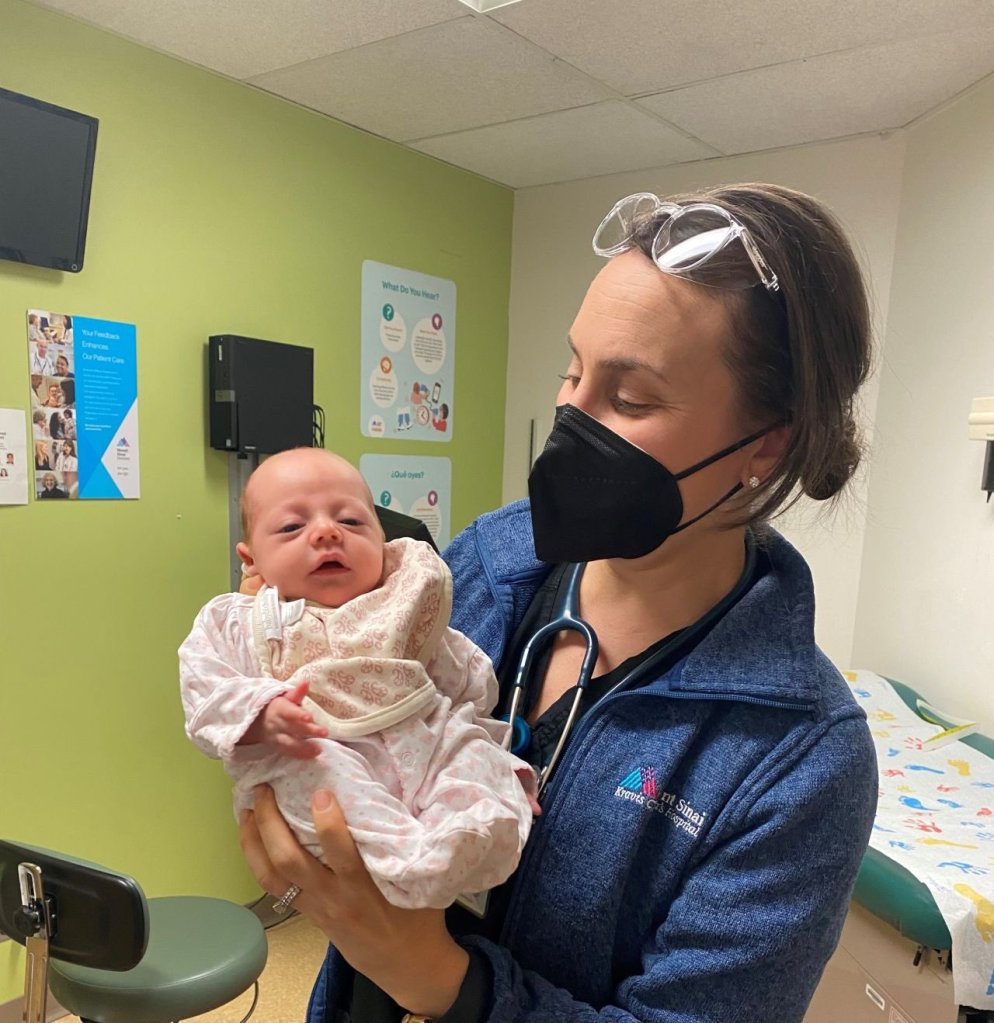
Itโs uncommon in kids under 3, but providers may test under certain circumstances
Weโve all done it
Stared into the mirror, flashlight trained on our open mouths, searching for the telltale white patches that typically indicate strep throat. If we see them, weโre off to our primary care practitioner or nearest medical express center for a rapid strep test and, if needed, a course of antibiotics. No big deal.
But when it comes to your baby or toddler, any hint of illness does feel like a big deal.
The fact that untreated strep can cause complications makes the guessing game all the more stressful. Thatโs why we asked pediatrician Wadie Shabab, MD, FAAP, whether itโs possible for children under 3 to contract strep throat and what worried parents should do if they think their wee one has it.
What is strep throat?
Acute streptococcal pharyngitis (strep throat) is a highly contagious bacterial infection. It can spread through respiratory droplets or through direct contact, like sharing a cup or touching an infected surface. Strep has an incubation period โ the time when youโre contagious but arenโt yet showing any symptoms โ of two to five days, which makes it easy to spread, especially in crowded places like schools and daycare facilities.
Strep throat is most common in kids between the ages of 5 and 15. Certain strains of strep throat can cause a red rash known as scarlet fever or a skin infection called impetigo. Luckily, antibiotics can speed up the recovery process and reduce the amount of time a personโs contagious.
Left untreated, strep throat can cause rheumatic fever or a serious kidney problem called acute glomerulonephritis. But these complications are rare. Where we see do see rheumatic fever and glomerulonephritis, itโs usually in resource-poor countries with limited access to antibiotics.
Can babies get strep?
Thatโs the cloud. Hereโs the silver lining: โIn general, itโs uncommon for children younger than 3 to have strep throat,โ Dr. Shabab says. Itโs much more likely that a virus is causing your kiddoโs discomfort.
And thereโs more good news: Strep infections also tend to be milder and cause fewer dangerous complications in infants and toddlers than they do in older kids.
Symptoms of strep in kids
While rare, it is possible for a very young child to contract strep throat. And the infection can cause different symptoms than the ones you see in older children and adults. Here are some things to look out for:
Red throat with white patches.
Fever.
Crankiness or irritability.
Loss of appetite or excessive drooling.
Difficulty sleeping.
Swollen lymph nodes.
Even if your baby ticks most of those boxes, Dr. Shabab says itโs possible a healthcare provider will decide not to test or treat for strep.
Why do doctors avoid strep tests for kids under age 3?
Why would your pediatrician opt out of strep testing your sick child? Dr. Shabab says that in addition to contracting strep being rare, the likelihood of complications is also rare.
โWe treat strep to decrease the duration of the symptoms and prevent complications such as sinus infections, ear infections and abscesses in the throat area,โ he explains. โBut the most important reason we treat strep throat is to prevent acute rheumatic fever and acute glomerulonephritis.โ
According to Dr. Shabab, itโs very rare for children under 3 to develop these complications, so providers frequently opt not to test and let whatever is happening resolve on its own.
But as with any rule, there are important exceptions to be aware of.
When DO doctors test children under 3 for strep?
More often than not, a child under 3 isnโt going to have strep throat. But that doesnโt mean there arenโt times when itโs important to be sure.
Your healthcare provider will likely perform a throat swab on your child if theyโre ill and:
Thereโs been an outbreak at their daycare or pre-kindergarten class.
Theyโve been in close contact with a person whoโs tested positive.
They see something while examining your child that leads them to suspect a strep infection.
If your little oneโs test comes back positive, their provider might prescribe antibiotics.
Preventing strep throat
The single best way to reduce your risk of strep throat is by practicing good hygiene. Unfortunately, children under 3 arenโt known for their cleanliness. Still, getting your children in the habit of washing their hands for 20 seconds with soap and warm water throughout the day, before eating and after sneezing or coughing is a great first step. And modeling the behavior will help you avoid getting sick, which improves your kiddoโs chances of staying healthy, too!
Here are a few other things you can do to minimize the chances of strep making its way into your home:
Carry hand sanitizer. Small children can make big messes and expose themselves to all sorts of germs in the process. If you arenโt able to get them to a sink to wash their hands, dipping into your hand sanitizer reserves is your next best option.
Keep tissues handy. Teaching kids to wipe their noses with tissues โ not arms, hands, clothes or friends โ is easier said than done. But having tissues available may make it easier.
Cough or sneeze into your elbow. If you happen to catch your little one coughing or sneezing into their hands, make sure they wash up (or at least use some hand sanitizer) as soon as possible.
Sharing isnโt always caring. If somebody in your house is sick โ with strep throat or anything else โ avoid sharing things like utensils, food and cups.
Stay home if youโre unwell. If you or your child test positive for strep throat, stay home from work or daycare (if possible) until youโve been on antibiotics for 48 hours.
The bottom line
Itโs rare for children under the age of 3 to get strep throat โ and still more unusual for them to get seriously ill as a result. Again, healthcare providers rarely test for it as a result, unless your child is ill and:
Has been in close contact with a person who has a confirmed case.
Thereโs been a breakout reported in their daycare center, or anywhere they spend a lot of time.
They see convincing evidence of strep when examining your child.
Very young children tend not to have the same symptoms as older children with strep throat. If youโre concerned about their symptoms โ especially if they have a fever โ contact their pediatrician immediately.
Itโs uncommon in kids under 3, but providers may test under certain circumstances
Weโve all done it
Stared into the mirror, flashlight trained on our open mouths, searching for the telltale white patches that typically indicate strep throat. If we see them, weโre off to our primary care practitioner or nearest medical express center for a rapid strep test and, if needed, a course of antibiotics. No big deal.
But when it comes to your baby or toddler, any hint of illness does feel like a big deal.
The fact that untreated strep can cause complications makes the guessing game all the more stressful. Thatโs why we asked pediatrician Wadie Shabab, MD, FAAP, whether itโs possible for children under 3 to contract strep throat and what worried parents should do if they think their wee one has it.
What is strep throat?
Acute streptococcal pharyngitis (strep throat) is a highly contagious bacterial infection. It can spread through respiratory droplets or through direct contact, like sharing a cup or touching an infected surface. Strep has an incubation period โ the time when youโre contagious but arenโt yet showing any symptoms โ of two to five days, which makes it easy to spread, especially in crowded places like schools and daycare facilities.
Strep throat is most common in kids between the ages of 5 and 15. Certain strains of strep throat can cause a red rash known as scarlet fever or a skin infection called impetigo. Luckily, antibiotics can speed up the recovery process and reduce the amount of time a personโs contagious.
Left untreated, strep throat can cause rheumatic fever or a serious kidney problem called acute glomerulonephritis. But these complications are rare. Where we see do see rheumatic fever and glomerulonephritis, itโs usually in resource-poor countries with limited access to antibiotics.
Can babies get strep?
Thatโs the cloud. Hereโs the silver lining: โIn general, itโs uncommon for children younger than 3 to have strep throat,โ Dr. Shabab says. Itโs much more likely that a virus is causing your kiddoโs discomfort.
And thereโs more good news: Strep infections also tend to be milder and cause fewer dangerous complications in infants and toddlers than they do in older kids.
Symptoms of strep in kids
While rare, it is possible for a very young child to contract strep throat. And the infection can cause different symptoms than the ones you see in older children and adults. Here are some things to look out for:
Red throat with white patches.
Fever.
Crankiness or irritability.
Loss of appetite or excessive drooling.
Difficulty sleeping.
Swollen lymph nodes.
Even if your baby ticks most of those boxes, Dr. Shabab says itโs possible a healthcare provider will decide not to test or treat for strep.
Why do doctors avoid strep tests for kids under age 3?
Why would your pediatrician opt out of strep testing your sick child? Dr. Shabab says that in addition to contracting strep being rare, the likelihood of complications is also rare.
โWe treat strep to decrease the duration of the symptoms and prevent complications such as sinus infections, ear infections and abscesses in the throat area,โ he explains. โBut the most important reason we treat strep throat is to prevent acute rheumatic fever and acute glomerulonephritis.โ
According to Dr. Shabab, itโs very rare for children under 3 to develop these complications, so providers frequently opt not to test and let whatever is happening resolve on its own.
But as with any rule, there are important exceptions to be aware of.
When DO doctors test children under 3 for strep?
More often than not, a child under 3 isnโt going to have strep throat. But that doesnโt mean there arenโt times when itโs important to be sure.
Your healthcare provider will likely perform a throat swab on your child if theyโre ill and:
Thereโs been an outbreak at their daycare or pre-kindergarten class.
Theyโve been in close contact with a person whoโs tested positive.
They see something while examining your child that leads them to suspect a strep infection.
If your little oneโs test comes back positive, their provider might prescribe antibiotics.
Preventing strep throat
The single best way to reduce your risk of strep throat is by practicing good hygiene. Unfortunately, children under 3 arenโt known for their cleanliness. Still, getting your children in the habit of washing their hands for 20 seconds with soap and warm water throughout the day, before eating and after sneezing or coughing is a great first step. And modeling the behavior will help you avoid getting sick, which improves your kiddoโs chances of staying healthy, too!
Here are a few other things you can do to minimize the chances of strep making its way into your home:
Carry hand sanitizer. Small children can make big messes and expose themselves to all sorts of germs in the process. If you arenโt able to get them to a sink to wash their hands, dipping into your hand sanitizer reserves is your next best option.
Keep tissues handy. Teaching kids to wipe their noses with tissues โ not arms, hands, clothes or friends โ is easier said than done. But having tissues available may make it easier.
Cough or sneeze into your elbow. If you happen to catch your little one coughing or sneezing into their hands, make sure they wash up (or at least use some hand sanitizer) as soon as possible.
Sharing isnโt always caring. If somebody in your house is sick โ with strep throat or anything else โ avoid sharing things like utensils, food and cups.
Stay home if youโre unwell. If you or your child test positive for strep throat, stay home from work or daycare (if possible) until youโve been on antibiotics for 48 hours.
The bottom line
Itโs rare for children under the age of 3 to get strep throat โ and still more unusual for them to get seriously ill as a result. Again, healthcare providers rarely test for it as a result, unless your child is ill and:
Has been in close contact with a person who has a confirmed case.
Thereโs been a breakout reported in their daycare center, or anywhere they spend a lot of time.
They see convincing evidence of strep when examining your child.
Very young children tend not to have the same symptoms as older children with strep throat. If youโre concerned about their symptoms โ especially if they have a fever โ contact their pediatrician immediately.