Spending time in nature has always been a source of comfort and strength. Gardens and green spaces provide not only beauty and joy, but also vital support for our mental, physical and spiritual wellbeing.
Today the Royal Horticultural Society are announcing a new Rose, “Catherine’s Rose”, grown by Harkness Roses. The proceeds from this rose will support The Royal Marsden Cancer Charity, helping patients across the country live well with, and beyond, cancer 🌹1w
Chronic Back Pain? You May Find Relief With Behavioral Medicine
Understanding the brain’s relationship to pain
No pain, no gain? Not true for people suffering from chronic back pain. Instead, it’s the opposite: Back pain is one of the main causes of missed work (and missed paychecks).
But could the key to coping with chronic back pain be in your mind? “We actually know that pain is not just a sensory, or physical, experience,” says psychologist Sara Davin, PsyD, MPH. “It is also an emotional experience.”
Dr. Davin explains how you can harness your pain management super-powers by understanding the very real connection between pain and your thoughts.
The 411 on the mind-back pain connection
To understand how it all works, think of pain’s purpose. Pain is your brain’s way of alerting you that something is wrong, whether it’s a stubbed toe or a slipped disk.
How your brain processes an injury, then shares that information, has a direct connection to the level of pain you feel. You’re aware of pain because your brain tells you it’s there. (Psst — your brain also controls your thoughts and emotions.)
“Pain is processed in the brain and the central nervous system. Both have areas connected to the sensory experience, but both also have areas connected to the emotional experience,” Dr. Davin explains. “The sensory and emotional go together to create the output of one’s experience of pain. So to comprehensively treat chronic back pain, we have to look at both sides.”
And while traditional treatments like medications and physical therapy can take the edge off, they often ignore the elephant in the room: your thoughts.
“Managing back pain with behavioral medicine strategies might even prevent the pain from becoming chronic,” Dr. Davin states.
What is cognitive behavioral therapy for pain?
CBT for pain is talk therapy’s more specialized cousin. It’s a behavioral medicine strategy that teaches people how to:
Make the connection between how they think about their pain and the way they interpret it.
Understand how pain impacts their emotions.
Choose coping skills to help with how they function and behave.
Still not sold? Dr. Davin gives this example: Someone who feels that their pain is unbearable may cope by lying in bed and isolating themselves from activities they value. “This cycle can go on and on,” she explains. “The person becomes more helpless and then, from a physical standpoint, becomes weaker. Naturally, they now have even more pain.”
With CBT, that helpless feeling (and associated pain) is kicked to the curb because pain psychologists teach people how to:
Pace activities so they don’t overdo it.
Practice relaxation and meditation to decrease pain and stress.
Soothe their central nervous system, which increases the feeling of pain when under stress.
The proof is in the pudding. Dr. Davin runs an interdisciplinary program that uses physical therapy and CBT to treat chronic back pain. Patients participate in this program for 4 to 10 weeks, depending upon their progress.
“Folks in the program were better when compared to physical therapy alone,” she reports. “We have consistently seen significant improvements across all quality of life measures, including how much pain interferes with someone’s life, levels of fatigue, anxiety and depression, plus improvements in pain-related disability.”
Interestingly, one of the metrics that improves the most in the program is how satisfied participants are in their social roles. “In our program we teach people how to start having fun again and connected with others,” Dr. Davin notes. “I suspect this is why we see people wanting to be more socially active after the program.”
3 ways to put this new knowledge into action
Here’s how you can incorporate behavioral medicine strategies into your back pain management:
Find a good pain management doctor. “You want a doctor who helps you rehabilitate and regain quality of life, but who also thinks about pain beyond its physical components,” Dr. Davin says. “Patients often struggle with the behavioral piece and think it means that their pain isn’t real. But your pain is real — you just need someone to help you manage it better using behavioral medicine skills and strategies. Pain psychologists are trained to do this.”
Get your research on. Dr. Davin suggests powering up your e-reader and searching for books that outline the basic strategies for cognitive behavioral therapy for pain. Your doctor may also recommend an online course or resources that offer science-based education about how to overcome chronic pain.
Don’t neglect physical therapy. Dr. Davin emphasizes that physical therapy is essential to maximizing back pain relief. “A physical therapist who’s trained in pain and neuroscience education can explain why behavioral medicine treatments work, plus help you use them,” she says.
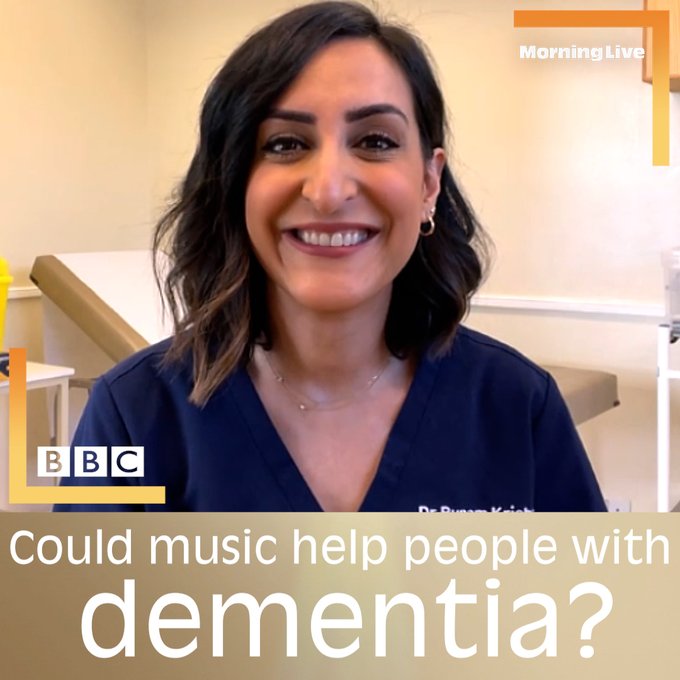
On Friday’s #BBCMorningLive Dr Punam’s looking at the latest health news including how music could help people with dementia and that scientists may have found the cause of Multiple Sclerosis. If you have any health questions, email us morninglive@bbc.co.uk or reply below
A baby who can self-soothe will fall asleep on their own and play calmly without your intervention. It’s a process, and a skill, that will help throughout their lives. Follow these tips to get started.
It’s naptime — thank goodness. But your baby isn’t having it. They cry. They fuss. So, you bounce them, rock them or even drive around town until they fall asleep.
It’s the question on the top of your mind (and you’re not alone): When — and how — will my baby learn to self-soothe and calm down without so much effort?
Pediatrician Matthew Badgett, MD, answers this important question, and shares ways to help your baby learn to self-soothe.
Why is self-soothing important?
When your baby self-soothes, they can calm down on their own and they:
Fall asleep without your help.
Fall back asleep if they wake up in the middle of a nap or during the night.
Sit or play calmly by themselves.
But self-soothing isn’t just for little ones. It’s an important skill throughout your life. Whether you realize it or not, you use your own self-soothing methods to feel better when you’re stressed or anxious.
“Self-soothing is a way of regulating your emotions,” Dr. Badgett explains. “Babies might suck their thumb or hold a stuffed animal. Adults might listen to music, take a walk or do yoga. The type of self-soothing you use changes throughout your life, but it’s a key part of your emotional health.”
When can my baby learn to self-soothe?
Every exhausted parent wants to know: When will my baby lie in their crib and drift off to sleep without my help? Or When can I put them in their bouncy seat for five minutes without screams of protest?
“In general, don’t try to teach your baby to self-soothe before they are 3 months old,” advises Dr. Badgett. “Newborns need you to help soothe them because they don’t have the ability to control their emotions. Learning emotional control is a process that takes years, so don’t expect too much from an infant or toddler.”
And self-soothing is a gradual process — not a switch you can flip. “Self-soothing is really co-soothing because the parent is still involved,” says Dr. Badgett. “Your baby plays a more active role in soothing, but you set them up for success. You figure out how your baby can calm down with less of your help.”
Self-soothing tips and techniques
If your baby is past the newborn stage but still cries relentlessly when you put them down, there is hope. These tips can help your baby gain self-soothing skills:
1. Meet your baby’s needs first
Before you assume that your baby is just cranky, review their list of needs. Your baby won’t be able to self-soothe if:
Their diaper is wet or soiled.
Their clothing is too hot or too cold for the environment.
There are too many distractions in the room, like a noisy TV or other children.
After you’ve ruled out those issues, move on to the next steps.
2. Set a schedule
Babies love routine. Try to put your baby to bed at the same time every day. Don’t skip naps or keep your baby up late. A schedule keeps them from becoming overtired — that’s when any hope of self-soothing goes out the window.
“If your baby goes to bed at the same times each day, their body clock will get used to it,” Dr. Badgett notes. “Then, they will start to feel sleepy right at naptime or bedtime. Babies that are drowsy, but not exhausted, are better able to fall asleep on their own.”
3. Use white noise
The sound of a fan or a white noise machine can be music to your baby’s ears. “Many babies prefer a steady sound over a perfectly quiet room,” Dr. Badgett says. “It helps drown out other sounds that could startle them, and it has a calming effect.”
Turn on the white noise machine when it’s bedtime. This can serve as a cue for your baby to learn when it’s time for dreamland.
4. Stay close without picking them up
After you place your baby in their crib or seat, don’t leave right away.
“If you give your baby some attention without holding them, they learn that being put down isn’t a bad thing,” Dr. Badgett explains. “Talk to them, or gently put your hand on their belly. After a few minutes, calmly leave the room.”
5. Try a pacifier
Pacifiers are a useful tool for babies under the age of 1. But use caution. It can be hard to take the paci away from a baby who can’t calm down without it.
“Pacifiers help young babies learn to self-soothe before they learn other techniques,” Dr. Badgett says. “But limit pacifier use to naptime and bedtime. Use them with other methods, like white noise and a consistent routine. That way, your baby won’t learn to rely on the pacifier alone.”
6. Wean them off feeding to sleep
It’s normal for young babies to fall asleep at the bottle or breast. But as your baby grows, they need to learn other ways to drift off.
“Don’t feed your older baby right at naptime with the sole purpose of getting them to sleep,” Dr. Badgett suggests. “They might end up overeating or relying on the nipple even when they’re already full.”
You can avoid the feed-to-sleep method if you:
Stop feeding if you see your baby getting sleepy.
Gently burp your baby to wake them up a little if they fell asleep feeding. Then, use the other self-soothing techniques to help them calm back down.
With a little persistence, perseverance and patience on your end, your little one could be self-soothing to sleep in no time.
Daily stressors can increase BP in the moment, as well as contribute to habits that can feed long-term hypertension
Feeling stressed? If so, you’re hardly alone, given that stress has been called the health epidemic of the 21st century. But have you ever wondered what all this stress means for your blood pressure?
The answer, it turns out, is more complex than you might think. Let’s take a closer look with preventive cardiologist Luke Laffin, MD.
Does stress raise blood pressure?
Stressful moments can totally send your blood pressure (BP) skyrocketing. You feel it deep in your core, too, as your heart thumps harder and your nerves jangle with a fight-or-flight response.
“If we’re in a stressful situation, the normal physiologic response is to increase blood pressure,” explains Dr. Laffin. “But your body can handle these sorts of acute changes in blood pressure pretty well.”
And once the immediate stressor is gone, your BP should return to its typical level.
Of course, not all stress clocks out like it’s a shift worker. Chronic stress tends to linger — and that can contribute to a long list of physical symptoms, including high blood pressure (hypertension).
The connection between stress and hypertension
Researchers don’t know as much about the direct effects of long-term stress on blood pressure. But they do know that stress can impact lifestyle habits and increase your risk of heart disease and other chronic health issues.
“Stress itself doesn’t necessarily cause sustained elevations in blood pressure,” says Dr. Laffin. “But it often has an impact on lifestyle factors, which can absolutely contribute to long-term elevations in blood pressure.”
When you’re chronically stressed, you can fall into habits that can lead to higher blood pressure and increase your risk of heart disease. These include:
It can be difficult to see when acute stress transitions to chronic stress. But seemingly “temporary” stressors that last for weeks can turn into chronic stressors that need to be addressed for the sake of your heart health.
“What we’re really worried about is chronically elevated blood pressure,” states Dr. Laffin.
Can lowering stress lower your BP?
Finding ways to better manage your stress can help keep your blood pressure from rising and staying at elevated levels, suggests Dr. Laffin. He suggests:
Focusing on fitness: “Working out regularly is a great way to feel better, decrease stress levels and better adapt to difficult situations,” says Dr. Laffin. The positive effects of exercise on heart health are also important for your blood pressure.
Catching ZZZs: The quantity and quality of your sleep matter for your BP. “For stable blood pressure, you need to get about six to eight hours of uninterrupted sleep at night,” he advises.
Minimizing stressors: To reduce stress, you need to address its causes. Of course, that can be easier said than done when stressors involve your job or family. In these cases, additional steps, like therapy, may help you find coping strategies.
Adopting a heart-healthy diet: Foods high in sodium and saturated fats can increase blood pressure even before you add stress to the mix. Embracing a Mediterranean-style diet and eating more antioxidant-rich foods can help keep your BP down.
Calming techniques: Various forms of meditation can help you calm your mind and tamp down stress. There’s evidence that mindfulness-based stress reduction can lower BP within a few months.
Medications like beta-blockers may also be an option if stress seems to be driving blood pressure into danger zones. Antihypertensives can help bring down high blood pressure, too.
“But managing stress-related hypertension usually comes down to lifestyle,” clarifies Dr. Laffin. “Diet, exercise, sleep — those are all factors that play a big role in keeping your heart healthy.”
Excess alcohol and substance use can cause temporary and permanent memory loss
What are blackouts and brownouts?
Blackouts involve complete memory loss caused by your brain’s inability to record new memories for a period of time due to the effects of excessive alcohol, substance misuse or some other condition.
But sometimes, auditory or visual cues can help a person piece together memories of what happened during a blackout. These cues could come in the form of texts, pictures or conversations with people who were present while you were blacked out. The medical term for blackouts is called transient loss of consciousness (TLOC).
The difference between a brownout and a blackout is that brownouts involve partial memory loss. With a brownout, you may be able to remember certain details from the period of time you were affected, but other portions of time can’t be recalled.
“The hippocampus is a part of your brain that takes our experiences and the awareness of all our senses and processes those into memories,” explains Dr. Streem. “It’s sensitive, and it’s the same part of the brain that deteriorates in people with Alzheimer’s disease.”
Excessive alcohol use isn’t the only thing that can cause blackouts or brownouts. Substance misuse on its own or with alcohol can increase your likelihood of experiencing a blackout. Hypnotics or sedatives and benzodiazepines like flunitrazepam (also known as Rohypnol or roofies) can also lead to blackouts or brownouts.
There are other medical conditions that cause blackouts or brownouts, too, including:
“Anything that causes damage to the brain, whether temporary or permanent, can cause memory loss if the damage is in the right spot,” states Dr. Streem.
“When you’re passed out, you’re not awake. A blackout happens to someone who’s still conscious but they’re not coding any new memories,” explains Dr. Streem. “A person who has a blackout is still awake and they have some ability to think, but other parts of their brain may not be working well enough. Often, this is because of intoxication.”
Understanding these definitions and the difference between blackouts and passing out is incredibly important, as it may be difficult for other people to recognize someone is having a blackout because of their seemingly aware state.
How much alcohol can cause a blackout?
How much alcohol or substance use is needed to cause a blackout varies based on a person’s height, weight, sensitivity and assigned sex at birth.
“We know females absorb more alcohol in their bloodstream than males,” says Dr. Streem. “But for most people, it’s going to involve more than the legal blood alcohol limit. In almost all states in the U.S., the blood alcohol limit for driving is .08. Blackouts usually appear at blood alcohol levels that are twice the legal limit or higher.”
Studies have shown that young adults under the age of 25 are particularly vulnerable to experiencing blackouts. Additionally, blackouts may occur at far lower thresholds among younger populations. That’s largely because the parts of your brain responsible for decision-making aren’t fully matured until around age 25. Despite this, intentional binge drinking has been a common practice among young adults.
Regardless of age, recent studies show more frequent blackout experiences are related to an increase in memory lapse and cognitive difficulties even after alcohol misuse is corrected. This means that even after a blackout occurs, you can continue to experience memory loss and other difficulties recalling memories.
Blackout effects on your body
If you’re experiencing a blackout or brownout, you’re at higher risk for falling, injury and unwanted or unsafe sexual experiences. A person who is blacked out may also throw up while sleeping, which could lead to an increased risk of choking or suffocating.
It can be hard to determine when you’re going to have a blackout or brownout. But some signs it may be happening to you in the moment include:
Difficulty standing.
Nausea.
Lightheadedness.
Loss of vision or shrinking of your field of view.
Other signs of substance-related blackouts, specifically blackouts caused by sedatives, hypnotics or benzodiazepines, include:
Loss of bowel or bladder control.
Difficulty breathing.
Feeling drunk when you haven’t consumed alcohol or consumed less than your usual amount.
Sudden body temperature changes.
Sudden increase in dizziness, disorientation, loss of vision or difficulty speaking.
“Hypnotic drugs are prone to cause this kind of impairment and memory loss,” states Dr. Streem. “Sadly, people sometimes use them to take advantage of other people.”
Strategies for managing blackouts
A blackout ends when your body has absorbed the alcohol you consumed and your brain is able to make memories again. Sleep often helps this process along.
Alcohol is dehydrating by nature, so making sure you’re drinking plenty of water and staying hydrated is important. Being aware of potential signs of intoxication can also be helpful in understanding your limitations.
But what if you end up having a blackout anyway?
“The experience of a blackout can sometimes be an opportunity to learn about our bodies and our brains, and what we can and can’t handle,” says Dr. Streem. “But the most important thing to do when you have a blackout is to try and piece together as best we can what happened and whether we were injured. It also might be necessary to try to assess whether you’ve been taken advantage of in some way.”
If you think you’ve been injured, sexually or physically assaulted, it’s important that you get medical attention immediately and talk to the police about everything you can remember.
Other measures you can take to reduce the likelihood of blackouts and brownouts and increase your own safety include:
Drinking with people you trust.
Pairing up with a close friend or group of friends and leaving together.
Not drinking on an empty stomach.
Not taking drinks from other people.
Opening containers yourself or watching your drink being poured.
Taking your drink with you when leaving a room.
Not drinking anything that tastes or smells odd.
Asking for help when you start to feel drunk or intoxicated.
“There’s no way to prevent a blackout or brownout from happening other than to stop consuming so much alcohol or other substances that cause them,” says Dr. Streem. “Beyond that, safety and general physical care can be very helpful in making sure this doesn’t happen to you.”
Excess alcohol and substance use can cause temporary and permanent memory loss
What are blackouts and brownouts?
Blackouts involve complete memory loss caused by your brain’s inability to record new memories for a period of time due to the effects of excessive alcohol, substance misuse or some other condition.
But sometimes, auditory or visual cues can help a person piece together memories of what happened during a blackout. These cues could come in the form of texts, pictures or conversations with people who were present while you were blacked out. The medical term for blackouts is called transient loss of consciousness (TLOC).
The difference between a brownout and a blackout is that brownouts involve partial memory loss. With a brownout, you may be able to remember certain details from the period of time you were affected, but other portions of time can’t be recalled.
“The hippocampus is a part of your brain that takes our experiences and the awareness of all our senses and processes those into memories,” explains Dr. Streem. “It’s sensitive, and it’s the same part of the brain that deteriorates in people with Alzheimer’s disease.”
Excessive alcohol use isn’t the only thing that can cause blackouts or brownouts. Substance misuse on its own or with alcohol can increase your likelihood of experiencing a blackout. Hypnotics or sedatives and benzodiazepines like flunitrazepam (also known as Rohypnol or roofies) can also lead to blackouts or brownouts.
There are other medical conditions that cause blackouts or brownouts, too, including:
“Anything that causes damage to the brain, whether temporary or permanent, can cause memory loss if the damage is in the right spot,” states Dr. Streem.
“When you’re passed out, you’re not awake. A blackout happens to someone who’s still conscious but they’re not coding any new memories,” explains Dr. Streem. “A person who has a blackout is still awake and they have some ability to think, but other parts of their brain may not be working well enough. Often, this is because of intoxication.”
Understanding these definitions and the difference between blackouts and passing out is incredibly important, as it may be difficult for other people to recognize someone is having a blackout because of their seemingly aware state.
How much alcohol can cause a blackout?
How much alcohol or substance use is needed to cause a blackout varies based on a person’s height, weight, sensitivity and assigned sex at birth.
“We know females absorb more alcohol in their bloodstream than males,” says Dr. Streem. “But for most people, it’s going to involve more than the legal blood alcohol limit. In almost all states in the U.S., the blood alcohol limit for driving is .08. Blackouts usually appear at blood alcohol levels that are twice the legal limit or higher.”
Studies have shown that young adults under the age of 25 are particularly vulnerable to experiencing blackouts. Additionally, blackouts may occur at far lower thresholds among younger populations. That’s largely because the parts of your brain responsible for decision-making aren’t fully matured until around age 25. Despite this, intentional binge drinking has been a common practice among young adults.
Regardless of age, recent studies show more frequent blackout experiences are related to an increase in memory lapse and cognitive difficulties even after alcohol misuse is corrected. This means that even after a blackout occurs, you can continue to experience memory loss and other difficulties recalling memories.
Blackout effects on your body
If you’re experiencing a blackout or brownout, you’re at higher risk for falling, injury and unwanted or unsafe sexual experiences. A person who is blacked out may also throw up while sleeping, which could lead to an increased risk of choking or suffocating.
It can be hard to determine when you’re going to have a blackout or brownout. But some signs it may be happening to you in the moment include:
Difficulty standing.
Nausea.
Lightheadedness.
Loss of vision or shrinking of your field of view.
Other signs of substance-related blackouts, specifically blackouts caused by sedatives, hypnotics or benzodiazepines, include:
Loss of bowel or bladder control.
Difficulty breathing.
Feeling drunk when you haven’t consumed alcohol or consumed less than your usual amount.
Sudden body temperature changes.
Sudden increase in dizziness, disorientation, loss of vision or difficulty speaking.
“Hypnotic drugs are prone to cause this kind of impairment and memory loss,” states Dr. Streem. “Sadly, people sometimes use them to take advantage of other people.”
Strategies for managing blackouts
A blackout ends when your body has absorbed the alcohol you consumed and your brain is able to make memories again. Sleep often helps this process along.
Alcohol is dehydrating by nature, so making sure you’re drinking plenty of water and staying hydrated is important. Being aware of potential signs of intoxication can also be helpful in understanding your limitations.
But what if you end up having a blackout anyway?
“The experience of a blackout can sometimes be an opportunity to learn about our bodies and our brains, and what we can and can’t handle,” says Dr. Streem. “But the most important thing to do when you have a blackout is to try and piece together as best we can what happened and whether we were injured. It also might be necessary to try to assess whether you’ve been taken advantage of in some way.”
If you think you’ve been injured, sexually or physically assaulted, it’s important that you get medical attention immediately and talk to the police about everything you can remember.
Other measures you can take to reduce the likelihood of blackouts and brownouts and increase your own safety include:
Drinking with people you trust.
Pairing up with a close friend or group of friends and leaving together.
Not drinking on an empty stomach.
Not taking drinks from other people.
Opening containers yourself or watching your drink being poured.
Taking your drink with you when leaving a room.
Not drinking anything that tastes or smells odd.
Asking for help when you start to feel drunk or intoxicated.
“There’s no way to prevent a blackout or brownout from happening other than to stop consuming so much alcohol or other substances that cause them,” says Dr. Streem. “Beyond that, safety and general physical care can be very helpful in making sure this doesn’t happen to you.”
Excess alcohol and substance use can cause temporary and permanent memory loss
What are blackouts and brownouts?
Blackouts involve complete memory loss caused by your brain’s inability to record new memories for a period of time due to the effects of excessive alcohol, substance misuse or some other condition.
But sometimes, auditory or visual cues can help a person piece together memories of what happened during a blackout. These cues could come in the form of texts, pictures or conversations with people who were present while you were blacked out. The medical term for blackouts is called transient loss of consciousness (TLOC).
The difference between a brownout and a blackout is that brownouts involve partial memory loss. With a brownout, you may be able to remember certain details from the period of time you were affected, but other portions of time can’t be recalled.
“The hippocampus is a part of your brain that takes our experiences and the awareness of all our senses and processes those into memories,” explains Dr. Streem. “It’s sensitive, and it’s the same part of the brain that deteriorates in people with Alzheimer’s disease.”
Excessive alcohol use isn’t the only thing that can cause blackouts or brownouts. Substance misuse on its own or with alcohol can increase your likelihood of experiencing a blackout. Hypnotics or sedatives and benzodiazepines like flunitrazepam (also known as Rohypnol or roofies) can also lead to blackouts or brownouts.
There are other medical conditions that cause blackouts or brownouts, too, including:
“Anything that causes damage to the brain, whether temporary or permanent, can cause memory loss if the damage is in the right spot,” states Dr. Streem.
“When you’re passed out, you’re not awake. A blackout happens to someone who’s still conscious but they’re not coding any new memories,” explains Dr. Streem. “A person who has a blackout is still awake and they have some ability to think, but other parts of their brain may not be working well enough. Often, this is because of intoxication.”
Understanding these definitions and the difference between blackouts and passing out is incredibly important, as it may be difficult for other people to recognize someone is having a blackout because of their seemingly aware state.
How much alcohol can cause a blackout?
How much alcohol or substance use is needed to cause a blackout varies based on a person’s height, weight, sensitivity and assigned sex at birth.
“We know females absorb more alcohol in their bloodstream than males,” says Dr. Streem. “But for most people, it’s going to involve more than the legal blood alcohol limit. In almost all states in the U.S., the blood alcohol limit for driving is .08. Blackouts usually appear at blood alcohol levels that are twice the legal limit or higher.”
Studies have shown that young adults under the age of 25 are particularly vulnerable to experiencing blackouts. Additionally, blackouts may occur at far lower thresholds among younger populations. That’s largely because the parts of your brain responsible for decision-making aren’t fully matured until around age 25. Despite this, intentional binge drinking has been a common practice among young adults.
Regardless of age, recent studies show more frequent blackout experiences are related to an increase in memory lapse and cognitive difficulties even after alcohol misuse is corrected. This means that even after a blackout occurs, you can continue to experience memory loss and other difficulties recalling memories.
Blackout effects on your body
If you’re experiencing a blackout or brownout, you’re at higher risk for falling, injury and unwanted or unsafe sexual experiences. A person who is blacked out may also throw up while sleeping, which could lead to an increased risk of choking or suffocating.
It can be hard to determine when you’re going to have a blackout or brownout. But some signs it may be happening to you in the moment include:
Difficulty standing.
Nausea.
Lightheadedness.
Loss of vision or shrinking of your field of view.
Other signs of substance-related blackouts, specifically blackouts caused by sedatives, hypnotics or benzodiazepines, include:
Loss of bowel or bladder control.
Difficulty breathing.
Feeling drunk when you haven’t consumed alcohol or consumed less than your usual amount.
Sudden body temperature changes.
Sudden increase in dizziness, disorientation, loss of vision or difficulty speaking.
“Hypnotic drugs are prone to cause this kind of impairment and memory loss,” states Dr. Streem. “Sadly, people sometimes use them to take advantage of other people.”
Strategies for managing blackouts
A blackout ends when your body has absorbed the alcohol you consumed and your brain is able to make memories again. Sleep often helps this process along.
Alcohol is dehydrating by nature, so making sure you’re drinking plenty of water and staying hydrated is important. Being aware of potential signs of intoxication can also be helpful in understanding your limitations.
But what if you end up having a blackout anyway?
“The experience of a blackout can sometimes be an opportunity to learn about our bodies and our brains, and what we can and can’t handle,” says Dr. Streem. “But the most important thing to do when you have a blackout is to try and piece together as best we can what happened and whether we were injured. It also might be necessary to try to assess whether you’ve been taken advantage of in some way.”
If you think you’ve been injured, sexually or physically assaulted, it’s important that you get medical attention immediately and talk to the police about everything you can remember.
Other measures you can take to reduce the likelihood of blackouts and brownouts and increase your own safety include:
Drinking with people you trust.
Pairing up with a close friend or group of friends and leaving together.
Not drinking on an empty stomach.
Not taking drinks from other people.
Opening containers yourself or watching your drink being poured.
Taking your drink with you when leaving a room.
Not drinking anything that tastes or smells odd.
Asking for help when you start to feel drunk or intoxicated.
“There’s no way to prevent a blackout or brownout from happening other than to stop consuming so much alcohol or other substances that cause them,” says Dr. Streem. “Beyond that, safety and general physical care can be very helpful in making sure this doesn’t happen to you.”
Wearing no clothes could lead to cooler skin temperatures that put ZZZs within reach
Many people believe they were born with the only pajamas needed for a good night’s sleep, but here’s the naked truth: No research directly confirms that sleeping in the buff leads to better slumber.
There is, however, some validity behind the idea of sleeping naked — namely regarding how a cooler skin temperature improves sleep quality.
So, should you consider stripping down at bedtime before sliding under the sheets? Let’s look at the potential benefits (and risks) with behavioral sleep disorders specialist Michelle Drerup, PsyD, DBSM.
Is sleeping naked better?
There are some possible perks to nude sleeping … so, maybe? Here are a few reasons why you might want to slip off your clothes before slipping off to sleep.
Falling asleep faster
Your body naturally works to lower its thermostat to doze off at night through its circadian rhythm, which regulates your sleep/wake cycle. The faster you cool off, the faster you typically catch some ZZZs, says Dr. Drerup.
That’s also one of the reasons why sleep experts recommended that you keep your bedroom temperature between 60 degrees Fahrenheit and 67 degrees Fahrenheit (15.5 degrees Celsius to 19.44 degrees Celsius) for optimal snoozing.
Improved sleep quality
Ever toss and turn in bed because you’re too hot? Sleeping naked certainly removes any possibility of pajama-induced overheating interfering with a good night’s rest. It’s the absolute final move in shedding layers to stay cool.
“There’s no question that cooler is better than warmer for overall sleeping,” says Dr. Drerup.
And getting enough rest is key to … well, just about everything in day-to-day life. Waking up refreshed can help you manage stress more effectively, improve focus, boost performance and make you a more pleasant person.
For women: reduced risk of yeast infections
Tight-fitting underwear can trap heat and moisture between your legs. What makes a yeast infection thrive? Yep — heat and moisture.
Sleeping naked (or even in loose-fitting cotton bottoms) allows for some air circulation around your vagina. Keeping the area cooler and drier may help reduce your chances of getting a yeast infection, too.
For men: potential fertility boost
Heat isn’t a friend of male fertility. Regular exposure to higher temperatures for your testicles can cause sperm counts to drop. Wearing underwear that keeps things packed tight doesn’t exactly offer a cooling effect.
Studies show that men who wear boxers have a higher sperm count than their buddies in briefs. So if loose-fitting boxes help that much, imagine what 8 hours of no clothing might do.
Reasons to keep your PJs on
Sleepwalkers may want to give the idea some extra thought to going au natural to avoid any potential awkward encounters, notes Dr. Drerup.
And if you’re not a fan of doing laundry, consider this: Your washing schedule for bedding may need to increase with more skin-to-sheet contact. (Gross fact: The skin cells you shed in a day can feed 1 million dust mites. You don’t want to turn your bed into their buffet.)
Can you be cool and clothed?
Going to bed “nearly” naked while wearing lightweight and loose-fitting garments can bring you similar quality sleep results as taking everything off. “Tank tops and boxer-style briefs don’t possess a ton of warming qualities,” says Dr. Drerup.
And while being cool is desirable for sleep, you also don’t want to be cold. There’s even evidence that wearing socks to bed to warm your tootsies can help you drift off to sleep.
So, which is it: off or on?
Ultimately, what you wear to sleep is a personal choice. “There’s no proven benefit or harm to sleeping naked,” says Dr. Drerup. “Just do what feels right and then rest easy with your decision.”









 Healthaware