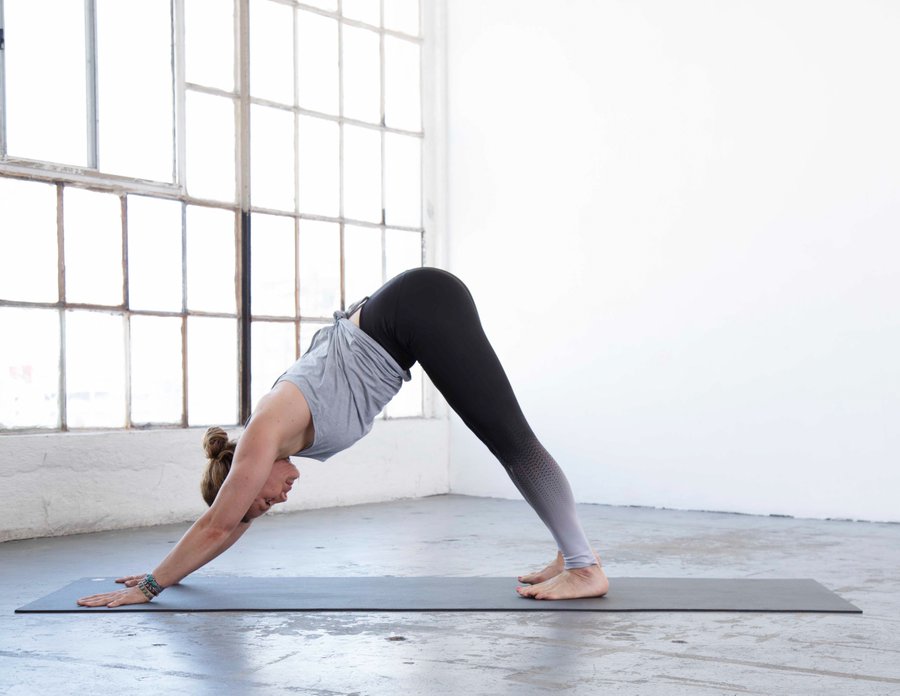
Will you downward dog today? As you grow your practice, your comfortability with downward dog will also grow! It is a full body strengthener and stimulates blood circulation. Eventually, dogward dog becomes a resting pose to help reconnect with your breath. : @MiaTogo
In this special practice (ideal for kids age 4-9), Super Yogis introduces the concept of tapas—Sanskrit for self-discipline. But trust us, it’s A LOT more fun than that sounds! This 25-minute program will delight and engage your Super Yogis! https://bit.ly/3m9inEC
Will you downward dog today? As you grow your practice, your comfortability with downward dog will also grow! It is a full body strengthener and stimulates blood circulation. Eventually, dogward dog becomes a resting pose to help reconnect with your breath. : @MiaTogo
Great post by @the_raphaelbender!!!When we give someone an exercise and their pain improves afterwards, it’s easy to assume their improvement in pain is a result of better biomechanics.
Surprisingly there is very minimal evidence for this.
What’s MUCH more likely, is that exercise helps pain by some combination of more systemic effects, including: •Reducing systemic inflammation •Releasing endorphins •Increasing neuroplasticity •Promoting tissue remodeling •Increasing self-efficacy •Improving mental health •Providing social support •Building expectation of recovery •Enabling return to valued activities
All of these (and there are more) are general, not specific effects of exercise. In other words it doesn’t really matter WHICH exercise you do. They all help.
So what’s the best exercise for pain?
The one you: * Enjoy * Find most accessible * Expect will help Thanks @modernpaincare
When yoga is taught in a way that accommodates feelings of safety, it can facilitate healing. Wellness consultant & YJ contributing editor Anusha Wijeyakumar shares the importance of trauma-informed yoga + practices to help regulate the nervous system.