
Can eating the rainbow help to reduce inflammation?
11/6/2025 by Tamara Soerense
n
Inflammation is a natural process initiated by the immune system in response to illness, trauma, toxins, physical stress and chronic disease. While acute inflammation is protective and allows our bodies to heal, it can become harmful if it persists, leading to chronic inflammation. Chronic inflammation, in turn, can lead to conditions such as arthritis, heart disease, and diabetes.
Several foods can contribute to inflammation. These include highly processed foods, refined carbohydrates, or foods high in added sugars. Conversely, other foods can help calm the immune system, decreasing inflammation.
Letâs explore which foods help lower inflammation and how they can be incorporated into an anti-inflammatory diet.
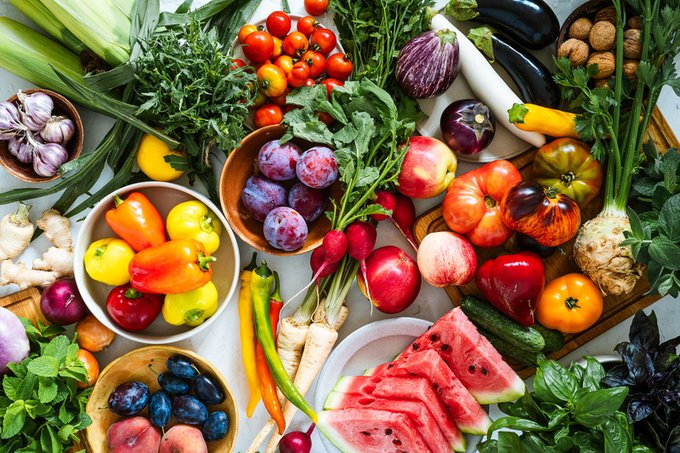
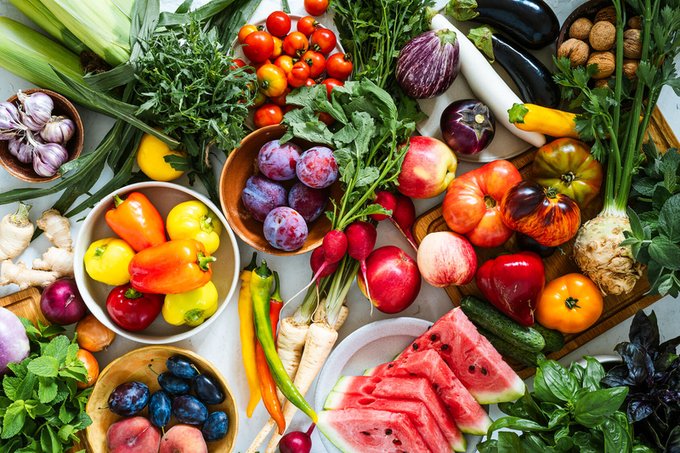
Fruits and Vegetables: Colorful fruits and vegetables naturally contain various phytonutrients and bioactive compounds that help keep inflammation in check. These foods form the foundation of the anti-inflammatory diet and can be enjoyed in abundance. For an extra boost of protection, try drizzling antioxidant-rich olive oil on your veggies..
Protein: Choose primarily from plant-based sources such as legumes, soy, nuts, and seeds, with smaller amounts from lean cuts of animal protein and fatty fish. The fats in these proteins, mainly monounsaturated and omega-3, play a significant role in combating inflammation. The American Heart Association recommends 6 to 8 ounces of fatty fish and 5 ounces of legumes, nuts, and seeds per week.
Whole grains: Whole grains contain all parts of the grain, whereas refined grains remove the germ and bran, eliminating important inflammation-reducing compounds. Of these, fiber is a bit of a superstar, shown to help reduce blood sugar and cholesterol levels. Aim for at least 50% of your grains from whole grain sources, such as rolled oats and brown rice.
Herbs and Spices: Herbs and spices add flavor to your food and help reduce oxidative stress, which can trigger inflammation. Add ginger, turmeric, clove, cinnamon, oregano, and garlic to your next meal.
What change can you make today to shift your body into a less inflamed state?
Consider adding one colorful fruit or vegetable to your diet each day. Suggestions include tomatoes, oranges, yellow bell peppers, arugula, blueberries, pumpkin and broccoli.
Tamara Soerensen completed her bachelorâs degree in biology at the University of California, Santa Barbara and her masterâs in nutrition at Bastyr University. She is currently a dietetic intern at Mayo Clinic in Rochester, Minnesota. Special interests include digestive health and the utilization of diet for disease prevention.
It may come on in those first few sips of alcohol. Or maybe youâre hit with a hot flash whenever youâre a few drinks in. But whenever you drink, you seem to experience a sudden sensation of warmth, and your face, neck and upper chest become covered in red patches and blotchy skin.
Is facial flushing a sign that you canât handle your alcohol? Or is this a symptom of something more severe? Dermatologist Alok Vij, MD, explains just what causes facial flushing, along with some truth behind some common misconceptions.
What causes your face to turn red when you drink alcohol?
There are a couple of different root causes for facial flushing. More technically termed the âalcohol flush reaction,â this occurs because your body either canât fully digest the alcohol youâre consuming or because your body is having an inflammatory response to drinking alcohol.
âYour face may flush from alcohol for two reasons: Because of an enzyme deficiency or because of rosacea,â says Dr. Vij. âBoth are tied to your ethnicity.â
Enzyme deficiency
Many Asian populations, specifically 35% to 45% of East Asians, have a deficiency in alcohol dehydrogenase, the enzyme that breaks down a specific substance in alcohol called acetaldehyde.
âAlcohol is toxic to cells, and when it gets into the cells of your blood vessels, it makes them dilate,â explains Dr. Vij. âThis reddens the skin and can make you feel warm.â
But without enough of this enzyme, you can end up having too much acetaldehyde in your body, and this makes alcohol reach toxic levels much earlier in your cells. This results in your skin becoming flushed.
Rosacea
Fair-skinned people of Northern European backgrounds who flush when they drink may have some degree of rosacea.
You may be asking yourself this question if youâve ever experienced facial flushing. On the surface, facial flushing might feel cosmetically embarrassing at most and may not come with any other dangerous symptoms. For those with an enzyme deficiency, facial flushing can occasionally be experienced with increased onset of nausea or vomiting because of your bodyâs inability to fully digest the alcohol youâre consuming.
âAlcohol most frequently passes through these sites,â states Dr. Vij. âToxicity and DNA damage can build up in cells and, eventually, a cancer can form.â
But recent studies report that those who get an alcohol flush because of an enzyme deficiency are also at heightened risk of digestive, liver and respiratory cancers. These populations are more vulnerable to alcoholâs toxicity, as itâs processed and later eliminated in:
Your gastrointestinal (GI) tract, especially your stomach, where alcohol is absorbed.
Your liver, where alcohol is sent after itâs absorbed by your stomach.
Your lungs, where alcohol in your blood is released in your breath.
Is rosacea linked to cancer?
âWe donât think of rosacea as a precancerous disease,â Dr. Vij clarifies. âThe biggest problems rosacea causes are a bulbous nose, like W.C. Fields had, and eye inflammation.â
(It was rosacea â not alcoholism â that made the storied comedianâs nose look large, red and bumpy, because of an overgrowth of the sebaceous glands, Dr. Vij adds.)
In addition, rosacea can make your eyes feel itchy, dry and chronically irritated. These eye symptoms can be managed with anti-inflammatory medication.
âWe typically prescribe oral antibiotics like doxycycline or minocycline, often at lower doses than are required to kill bacteria,â he continues.
How to prevent facial flushing when drinking
If an alcohol flush makes you feel self-conscious when you drink, certain treatments can help:
Topical medications: Medicines like brimonidine (MirvasoŽ) can block blood vessels in your skin from dilating.
Laser treatments: A series of laser treatments can shrink the superficial blood vessels in your skin. âYou usually need three to 10 treatments to get the full effect, but it can last for years, and prevent broken blood vessels in the later stages of rosacea,â notes Dr. Vij.
But because these medications and laser treatments are considered cosmetic, they arenât typically covered by insurance.
Are some types of alcohol more likely to cause flushing?
So, if your face flushes, are specific kinds of alcohol to blame? And can you avoid some but not others as an at-home treatment approach to facial flushing?
âItâs really patient-specific. Some people with rosacea flush more with red wine; others flush more with hard liquor,â says Dr. Vij.
If you have rosacea and keep track of what happens when you drink, you may be able to find your triggers. But if facial flushing is an issue for you at all, avoiding alcohol in all its forms might be the next best and most equitable solution.
âIf flushing bothers you, and you know alcohol is a trigger, the easiest and most cost-effective solution is to avoid it,â suggests Dr. Vij.
Can eating the rainbow help to reduce inflammation?
11/6/2025 by Tamara Soerense
n
Inflammation is a natural process initiated by the immune system in response to illness, trauma, toxins, physical stress and chronic disease. While acute inflammation is protective and allows our bodies to heal, it can become harmful if it persists, leading to chronic inflammation. Chronic inflammation, in turn, can lead to conditions such as arthritis, heart disease, and diabetes.
Several foods can contribute to inflammation. These include highly processed foods, refined carbohydrates, or foods high in added sugars. Conversely, other foods can help calm the immune system, decreasing inflammation.
Letâs explore which foods help lower inflammation and how they can be incorporated into an anti-inflammatory diet.
Fruits and Vegetables: Colorful fruits and vegetables naturally contain various phytonutrients and bioactive compounds that help keep inflammation in check. These foods form the foundation of the anti-inflammatory diet and can be enjoyed in abundance. For an extra boost of protection, try drizzling antioxidant-rich olive oil on your veggies..
Protein: Choose primarily from plant-based sources such as legumes, soy, nuts, and seeds, with smaller amounts from lean cuts of animal protein and fatty fish. The fats in these proteins, mainly monounsaturated and omega-3, play a significant role in combating inflammation. The American Heart Association recommends 6 to 8 ounces of fatty fish and 5 ounces of legumes, nuts, and seeds per week.
Whole grains: Whole grains contain all parts of the grain, whereas refined grains remove the germ and bran, eliminating important inflammation-reducing compounds. Of these, fiber is a bit of a superstar, shown to help reduce blood sugar and cholesterol levels. Aim for at least 50% of your grains from whole grain sources, such as rolled oats and brown rice.
Herbs and Spices: Herbs and spices add flavor to your food and help reduce oxidative stress, which can trigger inflammation. Add ginger, turmeric, clove, cinnamon, oregano, and garlic to your next meal.
What change can you make today to shift your body into a less inflamed state?
Consider adding one colorful fruit or vegetable to your diet each day. Suggestions include tomatoes, oranges, yellow bell peppers, arugula, blueberries, pumpkin and broccoli.
Tamara Soerensen completed her bachelorâs degree in biology at the University of California, Santa Barbara and her masterâs in nutrition at Bastyr University. She is currently a dietetic intern at Mayo Clinic in Rochester, Minnesota. Special interests include digestive health and the utilization of diet for disease prevention.

You go to the store to pick up some apples. Seems simple enough â until youâre faced with a dozen different varieties in the produce aisle. You want the healthiest apple, so which one will keep the doctor away? Dietitian Mira Ilic, RD, LD, reveals the juicy details about this popular fruit. Big difference in taste, not nutrition Apples have slightly different nutrients depending on their type and color. For instance, Red Delicious apples have polyphenols that are exclusively found in dark red fruits. Polyphenols are plant compounds that may help prevent cancer, heart disease and other conditions. But if the thought of biting into a Red Delicious isnât appealing, donât worry. Any apple you buy will deliver a punch of health-boosting nutrients. âThe nutritional differences among apple varieties are small,â says Ilic. âBut the taste differences are big. Donât choose an apple based on a small nutrient difference if you donât like the taste.â Choose fresh and local apples Whatever apple variety you pick, make sure itâs fresh. Old apples arenât as nutritious, donât taste as good and could be rotten. âChoose a firm apple with no bruises,â says Ilic. âLook for bright color, keeping in mind that some apple varieties are naturally more colorful. Fresh apples usually have a nice aroma, too.â Whenever possible, go with local apples. The less your apple had to travel, the more nutritious it is when it gets to you. July through October is prime apple season in the U.S. During these months, local apples are easy to find. When you choose apples in the off-season, check the sticker for its country of origin. If your apple traveled a long distance, it probably lost some of its nutrition in transport. Try to choose apples that come from a nearby country. âWe donât have the option to eat local apples year-round,â Ilic says. âIn the off-season, we have to get apples from other parts of the world. No matter where they come from, wash them thoroughly.â You donât need any chemicals or tools to wash your apples. Wash your hands first. Then wash your apple with running water. Gently scrub the skin with a cloth or brush. Are organic apples healthier? Some organic fruits may be slightly more nutritious than conventionally grown ones. But you donât need to buy organic apples. They tend to cost more, which can be a downside if youâre sticking to a grocery budget. âGrowers use different growing practices for organic apples and while pesticides are used on conventionally grown apples, some organic growers may actually use pesticides approved for organic farming,â explains Ilic. âThe government has guidelines about what pesticides growers can use. Both types are safe and nutritious. Just wash them well if youâre still concerned about pesticide residue or you can peel your apples, but youâll lose some nutrients and fiber found in the skin.â Have fun with apple sampling With so many apple varieties, youâre bound to find one you like. Hold an apple sampling by picking a few different types. Cut them into bite-sized pieces, put them on a plate and label them. Have your family members try the different apples and choose their favorite. An apple sampling can be a fun way to get kids to eat more apples, too. Kids often like having some control over the types of foods they eat. All apples are amazing Whether your favorite is a sour Granny Smith or a sweet Honeycrisp, you canât go wrong with apples. âAll apples are a good source of fiber, including pectin, which may help lower cholesterol,â Ilic says. âThey also contain phytochemicals like polyphenols, which are antioxidants linked to multiple health benefits. Some studies have suggested that apples may also help reduce the risk of some cancers.â Bottom line: An apple a day is a healthy habit, so donât stress about picking the right one. âEat the apples you like because theyâre all healthy,â Ilic says. FACEBOOK TWITTER LINKEDIN PINTEREST Email applesfiber
Can eating the rainbow help to reduce inflammation?
11/6/2025 by Tamara Soerense
n
Inflammation is a natural process initiated by the immune system in response to illness, trauma, toxins, physical stress and chronic disease. While acute inflammation is protective and allows our bodies to heal, it can become harmful if it persists, leading to chronic inflammation. Chronic inflammation, in turn, can lead to conditions such as arthritis, heart disease, and diabetes.
Several foods can contribute to inflammation. These include highly processed foods, refined carbohydrates, or foods high in added sugars. Conversely, other foods can help calm the immune system, decreasing inflammation.
Letâs explore which foods help lower inflammation and how they can be incorporated into an anti-inflammatory diet.
Fruits and Vegetables: Colorful fruits and vegetables naturally contain various phytonutrients and bioactive compounds that help keep inflammation in check. These foods form the foundation of the anti-inflammatory diet and can be enjoyed in abundance. For an extra boost of protection, try drizzling antioxidant-rich olive oil on your veggies..
Protein: Choose primarily from plant-based sources such as legumes, soy, nuts, and seeds, with smaller amounts from lean cuts of animal protein and fatty fish. The fats in these proteins, mainly monounsaturated and omega-3, play a significant role in combating inflammation. The American Heart Association recommends 6 to 8 ounces of fatty fish and 5 ounces of legumes, nuts, and seeds per week.
Whole grains: Whole grains contain all parts of the grain, whereas refined grains remove the germ and bran, eliminating important inflammation-reducing compounds. Of these, fiber is a bit of a superstar, shown to help reduce blood sugar and cholesterol levels. Aim for at least 50% of your grains from whole grain sources, such as rolled oats and brown rice.
Herbs and Spices: Herbs and spices add flavor to your food and help reduce oxidative stress, which can trigger inflammation. Add ginger, turmeric, clove, cinnamon, oregano, and garlic to your next meal.
What change can you make today to shift your body into a less inflamed state?
Consider adding one colorful fruit or vegetable to your diet each day. Suggestions include tomatoes, oranges, yellow bell peppers, arugula, blueberries, pumpkin and broccoli.
Tamara Soerensen completed her bachelorâs degree in biology at the University of California, Santa Barbara and her masterâs in nutrition at Bastyr University. She is currently a dietetic intern at Mayo Clinic in Rochester, Minnesota. Special interests include digestive health and the utilization of diet for disease prevention.
Can eating the rainbow help to reduce inflammation?
11/6/2025 by Tamara Soerense
n
Inflammation is a natural process initiated by the immune system in response to illness, trauma, toxins, physical stress and chronic disease. While acute inflammation is protective and allows our bodies to heal, it can become harmful if it persists, leading to chronic inflammation. Chronic inflammation, in turn, can lead to conditions such as arthritis, heart disease, and diabetes.
Several foods can contribute to inflammation. These include highly processed foods, refined carbohydrates, or foods high in added sugars. Conversely, other foods can help calm the immune system, decreasing inflammation.
Letâs explore which foods help lower inflammation and how they can be incorporated into an anti-inflammatory diet.
Fruits and Vegetables: Colorful fruits and vegetables naturally contain various phytonutrients and bioactive compounds that help keep inflammation in check. These foods form the foundation of the anti-inflammatory diet and can be enjoyed in abundance. For an extra boost of protection, try drizzling antioxidant-rich olive oil on your veggies..
Protein: Choose primarily from plant-based sources such as legumes, soy, nuts, and seeds, with smaller amounts from lean cuts of animal protein and fatty fish. The fats in these proteins, mainly monounsaturated and omega-3, play a significant role in combating inflammation. The American Heart Association recommends 6 to 8 ounces of fatty fish and 5 ounces of legumes, nuts, and seeds per week.
Whole grains: Whole grains contain all parts of the grain, whereas refined grains remove the germ and bran, eliminating important inflammation-reducing compounds. Of these, fiber is a bit of a superstar, shown to help reduce blood sugar and cholesterol levels. Aim for at least 50% of your grains from whole grain sources, such as rolled oats and brown rice.
Herbs and Spices: Herbs and spices add flavor to your food and help reduce oxidative stress, which can trigger inflammation. Add ginger, turmeric, clove, cinnamon, oregano, and garlic to your next meal.
What change can you make today to shift your body into a less inflamed state?
Consider adding one colorful fruit or vegetable to your diet each day. Suggestions include tomatoes, oranges, yellow bell peppers, arugula, blueberries, pumpkin and broccoli.
Tamara Soerensen completed her bachelorâs degree in biology at the University of California, Santa Barbara and her masterâs in nutrition at Bastyr University. She is currently a dietetic intern at Mayo Clinic in Rochester, Minnesota. Special interests include digestive health and the utilization of diet for disease prevention.
Exercise helps your HDLs and liver do a better job of cleaning out the bad cholesterol from the blood flowing through your arteries and reducing inflammation. Over time, this can translate to a lower LDL level and other health benefits.19h
Watermelon is mostly water, so it helps keep you hydrated. It’s also full of nutrients like potassium (640 mg in two wedges!) and lycopene that help fight inflammation when you exercise in the heat. https://wb.md/3zVwlhQ