Itâs hard to feel sad or stressed with all this cuteness. We have science to prove it! Pets help raise their ownersâ fitness levels, improve blood pressure, cholesterol and blood sugar levels, and boost overall happiness and well-being. pic.twitter.com/onB8EEGK5W
— American Heart Association (@American_Heart) June 27, 2025
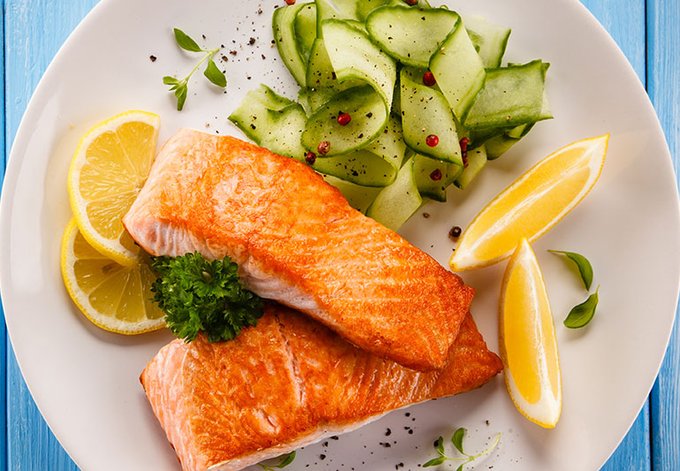
Filled with healthy fats and fresh ingredients, this dish will leave you feeling satisfied, nourished and ready to embrace your weekend warrior: https://cle.clinic/3BSXeDL
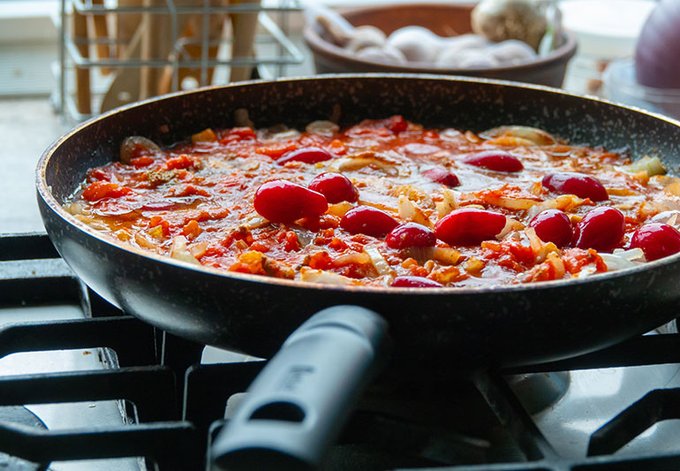
Why not try your hand at making homemade tomato sauce? The freshness of the tomatoes and the smokiness of the roasted vegetables make this a great topping for spaghetti. If you donât have your own garden, use canned Roma tomatoes for a tasty dish that includes roasted mushrooms, broccoli and peppers.
Ingredients
Tomato sauce
Olive oil cooking spray 2 garlic cloves, minced 1 small carrot, minced 1 shallot, minced 4 cups peeled, seeded, and diced ripe tomatoes or one 28-ounce can no-salt-added diced tomatoes, drained 1/4 cup dry red wine 1 1/2 tablespoons balsamic vinegar 1/4 teaspoon crushed red pepper flakes, optional 1/4 cup chopped fresh basil
Pasta
1/2 pound whole wheat spaghetti 3/4 pound broccoli florets and stalks, peeled and cut into bite-size pieces 2 portobello mushrooms, halved and thinly sliced 1 red, yellow or orange bell pepper, seeded and coarsely chopped 1 1/2 tablespoons extra-virgin olive oil 1 1/2 tablespoons balsamic vinegar Freshly grated pepper 2 tablespoons freshly grated Parmesan cheese
Directions
Preheat oven to 400° F. Line a rimmed baking sheet with aluminum foil.
To make the sauce, coat a large pot with cooking spray and saute the garlic, carrot and shallot over low heat until they begin to wilt, about 5 minutes. Stir in the tomatoes, wine, vinegar and red pepper flakes (if using). Cover and simmer slowly for 30 minutes.
Stir in the basil and simmer for 10 minutes more. (To make a smoother sauce, cool and process in batches in either a blender or food processor.) Set aside.
Place the broccoli, mushrooms and bell pepper on the prepared pan. Toss with oil and vinegar. Roast about 10 minutes until crisp or done to your taste. Sprinkle with pepper.
Cook the pasta according to package directions. Drain.
In a large serving bowl, toss the pasta with 2 cups tomato sauce. Top with the roasted vegetables and sprinkle with Parmesan cheese.
Nutrition information (per serving)
Makes 4 servings
Calories: 363 Total fat: 4 g Protein: 15 g Carbohydrate: 71 g Dietary fiber: 4 g Cholesterol: 0 mg Sodium: 100 mg Potassium: 93 mg
Multiple cardiac benefits result from frequent consumption of dark chocolates rich in flavanols, including our response to stress.
Recently when talking with my 7-year-old daughter, I asked her what was the best food she could eat for a snack. As the daughter of a cardiologist you may imagine that she would have been taught the enduring virtues of eating fruits and vegetables and how these are the best foods to use as snacks. She told me that my question was easy and replied, âthe best snack is chocolate.â I asked her where she learned that and she told me her mother told her so. How can you really argue against that logic?
This question posed to my daughter then led to more investigation during my clinic. I asked many patients informally what were their favorite snacks. Since they were in a cardiologistâs office they would often say some sort of fruit or vegetable and then add they only consume it in a small quantity.
I then would ask, “now what really is your favorite snack?”
I particularly enjoyed the response of a couple in their mid 70s. I have seen both of them both for atrial fibrillation for over 5 years. She said, âmy true favorite snack is chocolate.â Then almost immediately after, as if there was a sense of guilt in admitting this, she said, âbut chocolate is healthy right? I try to eat dark chocolate.â Her husband laughed at her and said she eats more than dark chocolate. He then replied, âmy favorite snack is anything you put in front of me.â In my informal poll of true favorite snacks, chocolate was mentioned in about two thirds of my patients. Most of my patients felt dark chocolate in particular was healthy.
Dark chocolate and other cocoa products have gained a lot of attention worldwide as dietary supplements to improve heath. These products are rich in in flavanols. Flavanols are felt to mediate some of the heart healthy properties of chocolate. Flavanols are also found in many other food sources felt to be heart healthy such as grapes, apples, blackberries, legumes, red wine, and green tea. But of all of these food sources, the relative concentration of flavanols is highest in chocolate. As you may have guessed, dark chocolate contains much higher concentrations of flavanols compared to milk or white chocolate. In some chocolates the production process all but eliminates flavanols.
What Are the Heart and Vascular Benefits of Eating Dark Chocolate?
Lower Blood Pressure. Consumption of cocoa increases nitric oxide, studies show. For a good review of benefits, see Cocoa and Cardiovascular Health. Nitric oxide is a naturally occurring chemical in our bodies. Nitric oxide acts on small receptors in our blood vessels and prompts the vessels to dilate. This process lowers blood pressure. High blood pressure as discussed in many of my prior columns is associated with many types of heart disease including heart failure, atrial fibrillation, and atherosclerosis. High blood pressure is also associated with cognitive decline, dementia, and stroke.
Coronary Artery Health and Stability. As our arteries become diseased from atherosclerosis, plaques grow and over time begin to impair blood flow. If the surface of these plaques becomes disrupted or inflamed the plaques may ulcerate. The body responds to the ulceration by forming a clot in an effort to heal the wound. This process can lead to a heart attack. Cocoa may help stabilize plaques and minimize their risk of rupture by reducing smooth muscle cell proliferation (a process that causes plaques to grow), platelet adhesion (a process that results in clot formation in the artery), and preventing leukocyte adhesion and migration (processes that causes these plaques to become inflamed and unstable).
Lower Cholesterol. People with elevated total cholesterol with increased levels of low-density lipoprotein (LDL) cholesterol have a higher risk of cardiac disease, in particular coronary atherosclerosis and heart attacks. Flavanols reduce cholesterol absorption in our gastrointestinal track and also the synthesis of LDL cholesterol, research shows. They may also help raise high-density lipoprotein (HDL) cholesterol, the part of our cholesterol that is felt to be protective of heart disease, a clinical trial reported. Lower LDL and higher HDL levels after cocoa consumption were seen in people with both normal cholesterol levels to begin with and those with elevated levels that needed treatment. Multiple medications reduce LDL cholesterol, but very few things and essentially no medications raise HDL cholesterol consistently.
Dark Chocolate Changes Our Body’s Response to Stress
My wife often says, âI eat chocolate when I am stressed.â As I mentioned in a prior column, stress and our response to it can be a very potent risks of heart disease. In this regard, what if chocolate can improve how we respond to stress?
This brings me to the newest study regarding dark chocolate that I found very interesting. When we are stressed our body signals out chemicals that raise our blood pressure and help us fight the stressor. These chemicals or hormones are stored in the brain (pituitary gland), the adrenal glands, and other parts of the nervous system. A rececent study looked at how the body responded to stress by measuring these chemicals (cortisol, epinephrine, adrenocorticotropic hormone [ACTH], and norepinephrine) in 31 men consuming dark chocolate (âNoir 72 percentâ; Chocolat Frey AG, Buchs/Aargau, Switzerland) versus 34 men that received a placebo chocolate that did not contain flavanols. The men then underwent a significant stress.
The stress was a 5-minute mock job interview and then a 5-minute mental arithmetic task in front of an audience. It is probably easy for most of us to imagine feeling very stressed if we had to try to solve a complex math problem in our head in 5 minutes while others watched, or we had to receive an intense job interview.
What these researchers found about the effect of chocolate was significant. Those men consuming dark chocolate had lower levels of cortisol and epinephrine after the stress. Although their brain response to stress was similar (ACTH levels were identical in both groups) the bodyâs response to the brain signals of stress was blunted. In particular, the response of the adrenal gland, which produces cortisol, was much less. Less released cortisol and epinephrine with stress is important as these are strong stimulants of the heart and blood vessels. With repetitive stress over time, both the heart and blood pressure have be negatively effected. Finally, since the body response was less significant, men consuming dark chocolate reported having less feelings of stress during the process.
My daughter was right, dark chocolate or chocolate rich in flavanols is a healthy food choice. The benefits of dark chocolate need to be carefully considered with the calories consumed, but in general there are multiple heart-related advantages with frequent consumption. In addition, as my wife mentioned to me, dark chocolate also may help you deal with stress, not only how you perceive it mentally, but also how your body responds to it.
Sitting vs. Standing DYK that more standing and less sitting can help you lose weight, increase productivity, and lower risk of heart disease. Take a stand for health and success today! Learn more https://mayocl.in/2Mbvqnm
Itâs hard to feel sad or stressed with all this cuteness. We have science to prove it! Pets help raise their ownersâ fitness levels, improve blood pressure, cholesterol and blood sugar levels, and boost overall happiness and well-being. pic.twitter.com/onB8EEGK5W
— American Heart Association (@American_Heart) June 27, 2025
Even small amounts of alcoholâa single drink per dayâhas been linked to a higher risk of developing #AFib, a potentially dangerous irregular heart rhythm. https://bit.ly/2XRMkif#HarvardHealth