Moderate-to-vigorous exercise appears to boost cardiorespiratory fitness, which quantifies how well the heart & lungs supply oxygen to the muscles. Higher CRF during midlife is linked to a lower risk of heart disease later: https://bit.ly/3rEwvXe#HarvardHealth
A creamy smoothie with crunchy toppings — in a bowl!
Ingredients
Smoothie base
1 1/2 cups plain yogurt
1 banana, frozen
1/2 cup orange juice
1 cup berries of your choice
1 tablespoon flaxseeds
1 scoop vanilla plant-based protein powder, optional
Toppings
1 tablespoon slivered almonds
1 teaspoon chia seeds
1 tablespoon pomegranate seeds
Directions
Blend all base ingredients together until smooth, adjusting for sweetness and thickness.
Serve immediately in a large bowl with toppings.
Ingredient health benefits
Yogurt: With probiotics and prebiotics to go around, yogurt is a great way to show your stomach some love. Yogurt is also a complete protein, which means it has all nine essential amino acids that your body needs to function properly (but can’t make on its own). And, most famously, it has calcium to keep your bones happy and healthy.
Bananas: Most everyone knows that bananas are a great source of potassium, but there’s so much more to this zany-looking fruit than popular knowledge conveys. Bananas also have magnesium and vitamin B6, which help regulate blood pressure and metabolism. And they have fiber to keep your gut working properly.
Flaxseed: This little seed really is worth the hype. Flaxseed is a source of omega-3 fatty acids (omega-3s, for short), which are vital for your body to function as it should. Flaxseed also has fiber and antioxidants that fight damaging free radicals and chronic inflammation.
Chia seeds: Another tiny seed with plenty of perks, chia seeds improve your digestion and promote the growth of good bacteria that keep your gut healthy. Their quirky ability to expand in fluid can help you stay fuller for longer when they’re in your stomach juices, which can be helpful if you’re trying to lose weight.
Pomegranate seeds: These little gems are as good for you as they taste. The squishy packets around the seeds contain juice that’s high in antioxidants, which might support the health of your heart. Pomegranate juice may also have cancer-fighting abilities, but research is ongoing. Still, incorporating pomegranates into a hearty, nutritious diet wouldn’t hurt!
Nutrition information (per serving)
Makes 4 servings Serving = 3/4 cup
Calories: 160 Carbohydrate: 27 g Sugars: 17 g Fiber: 4 g Saturated fat: 0.5 g Cholesterol: 5 mg Protein: 9 g Sodium: 70 mg
Research shows that Generation Z is drinking far less alcohol than previous generations. So what’s behind this trend – and does that mean alcohol and drug use worries are disappearing? Let’s break the topic down in this podcast with addiction psychiatrist Akhil Anand. pic.twitter.com/PrqU7IbBlP
This is a last-minute dessert that can be made post-dinner, while you brew the coffee and finish clearing the table. Have ingredients and equipment ready beforehand — just be sure to turn the pineapple once and give the skillet a couple of shakes and voila! You’ll have a delightfully sweet dessert ready at your fingertips.
Ingredients
1/4 cup sugar 1/4 cup sugar substitute 1 pineapple, peeled, cored and sliced into six wedges lengthwise Butter-flavored cooking spray, refrigerated 1 tablespoon trans-fat free margarine 2 tablespoons Cognac or fresh orange juice 1 cup fresh raspberries
Directions
Combine the sugar and sugar substitute. Sprinkle half of the mixture over one side of the pineapple. Turn and sprinkle the rest on the other side.
Lightly coat a large non-stick skillet with cooking spray. Add the margarine and melt over high heat. Place the pineapple in the skillet and cook, turning once and shaking the pan often, until it turns golden brown, 10 to 15 minutes. (The pineapple can be prepared to this point and held for one hour.)
Transfer the pineapple wedges to six dessert dishes, leaving the sauce that has formed in the pan.
Stir the cognac into the pan to thin the sauce. Heat briefly. Drizzle the sauce over the pineapple and sprinkle with equal portions of the raspberries. Serve warm.
Nutritional information (per serving)
Makes 6 servings
Calories: 118 Total fat: 3 g Protein: 0.1 g Carbohydrate: 22 g Dietary fiber: 2 g Cholesterol: 0 mg Sodium: 0 mg Potassium: 122 mg
🌷🌼 Garden Tour tickets are now available to book!🌼🌷🌻
Join one of our experienced guides and discover the history, inspiration, and unique organic management behind this incredible series of gardens.
Tours take place on selected dates between April and September. You can choose from a classic Garden Tour, an extra-special Champagne Afternoon Tea Tour, a more exclusive Private Tour for up to eight guests, or a Private Champagne Tea Tour.
Book now: link in bio
The sale of Highgrove products, garden tours and events support and enable the work of The King’s Foundation, a charity founded by King Charles III.
Formed in 1986, the Foundation is inspired by His Majesty’s vision to build communities where people, places and the planet can coexist in harmony.
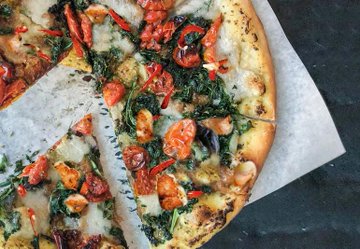
It’s fun and healthy to make pizza on the grill. It’s also quick and easy — and sure to be a family favorite. Experiment with different vegetables and fruits on your grill this season for healthy, tasty meals.
Ingredients
1 package prepared whole-wheat pizza crust (found in refrigerated section)
1/2 cup prepared pesto sauce
4 ounces soft, low-fat goat cheese, cut in small cubes
1 large ripe tomato, sliced thin
1/3 cup fresh or canned roasted red pepper, drained well and cut in thin strips
6 ounces precooked chicken breast, cut into small chunks
Directions
Spray or brush grill grate with oil. Preheat grill to medium-high.
Brush or spray a cutting board or large pan with olive oil. Spread out pizza dough with oiled fingers into the desired crust shape.
Prepare vegetables, chicken and cheese in small cups or bowls. Set aside.
When you’re ready to grill, put pizza dough on grill and cover.
Cook for approximately 2 to 3 minutes, or until the top begins to bubble and the bottom is lightly browned.
Flip over and brush with pesto sauce.
Working quickly, add the tomatoes, roasted red peppers and chicken. Dot with cheese.
Cover and cook for another 2 to 3 minutes or until the cheese is melted. Take off the heat and enjoy!
Nutrition information (per serving)
Makes 6 servings Serving size = one slice
Calories: 428 Protein: 24 g Total fat: 12 g Saturated fat: 5 g Sodium: 540 mg Calcium: 95 mg Fiber: 6 g Sugar: 3 g Potassium: 410 mg Magnesium: 80 mg
Ordinary activities improve health and longevity: Doing ordinary activities like housework and gardening may help you live longer and healthier. #HarvardHealth#TipoftheDayhttps://bit.ly/4b3A8eU
Motherhood is a journey filled with love, but at times can be isolating. Join our campaign to combat loneliness in motherhood and help create a supportive community where every mum feels connected. Visit http://themotherhoodprogramme.ie








 Healthaware