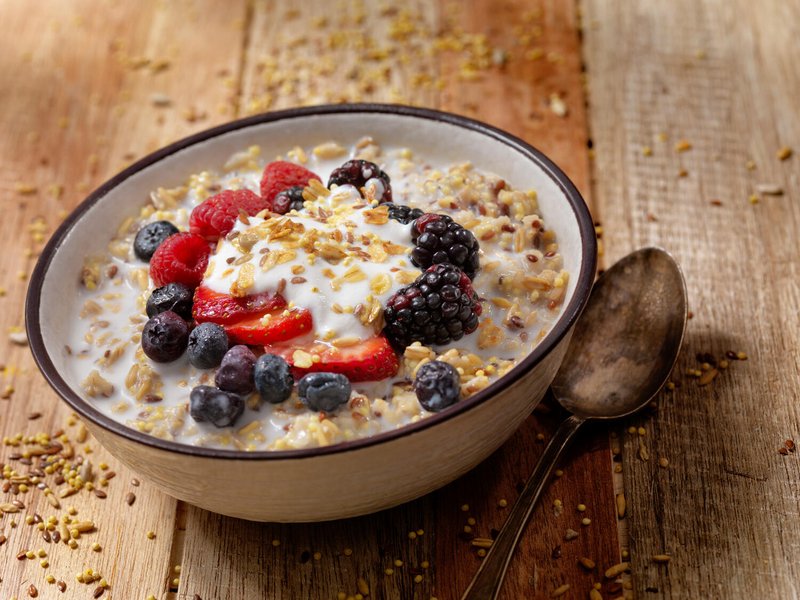
Packed with nutritious oats for iron and zinc to strengthen the immune system @annabelkarmel @motherandbaby

motherandbaby

Follow

Liked by annabelkarmel and others

  • motherandbaby
  • If you’re up for a breakfast change for your little one, try this no-fail Purple Porridge by cookbook author and child food expert @annabelkarmel. It’s an easy four step recipe. 👩‍🍳

    Packed with nutritious oats for iron and zinc to strengthen the immune system, and sweet blueberries rich in vitamin C and antioxidants to support brain development. It’s a tasty and wholesome start to their day! 💜👶🏻🫐 #motherandbaby

No level of alcohol consumption is safe for our health. The WHO

4 January 2023 

News release

Reading time: 3 min (759 words)

Français

Русский

Deutsch

The risks and harms associated with drinking alcohol have been systematically evaluated over the years and are well documented. The World Health Organization has now published a statement in The Lancet Public Health: when it comes to alcohol consumption, there is no safe amount that does not affect health.

It is the alcohol that causes harm, not the beverage

Alcohol is a toxic, psychoactive, and dependence-producing substance and has been classified as a Group 1 carcinogen by the International Agency for Research on Cancer decades ago – this is the highest risk group, which also includes asbestos, radiation and tobacco. Alcohol causes at least seven types of cancer, including the most common cancer types, such as bowel cancer and female breast cancer. Ethanol (alcohol) causes cancer through biological mechanisms as the compound breaks down in the body, which means that any beverage containing alcohol, regardless of its price and quality, poses a risk of developing cancer.

The risk of developing cancer increases substantially the more alcohol is consumed. However, latest available data indicate that half of all alcohol-attributable cancers in the WHO European Region are caused by “light” and “moderate” alcohol consumption – less than 1.5 litres of wine or less than 3.5 litres of beer or less than 450 millilitres of spirits per week. This drinking pattern is responsible for the majority of alcohol-attributable breast cancers in women, with the highest burden observed in countries of the European Union (EU). In the EU, cancer is the leading cause of death – with a steadily increasing incidence rate – and the majority of all alcohol-attributable deaths are due to different types of cancers.

Risks start from the first drop

To identify a “safe” level of alcohol consumption, valid scientific evidence would need to demonstrate that at and below a certain level, there is no risk of illness or injury associated with alcohol consumption. The new WHO statement clarifies: currently available evidence cannot indicate the existence of a threshold at which the carcinogenic effects of alcohol “switch on” and start to manifest in the human body.

Moreover, there are no studies that would demonstrate that the potential beneficial effects of light and moderate drinking on cardiovascular diseases and type 2 diabetes outweigh the cancer risk associated with these same levels of alcohol consumption for individual consumers.

“We cannot talk about a so-called safe level of alcohol use. It doesn’t matter how much you drink – the risk to the drinker’s health starts from the first drop of any alcoholic beverage. The only thing that we can say for sure is that the more you drink, the more harmful it is – or, in other words, the less you drink, the safer it is,” explains Dr Carina Ferreira-Borges, acting Unit Lead for Noncommunicable Disease Management and Regional Advisor for Alcohol and Illicit Drugs in the WHO Regional Office for Europe. 

Despite this, the question of beneficial effects of alcohol has been a contentious issue in research for years.

“Potential protective effects of alcohol consumption, suggested by some studies, are tightly connected with the comparison groups chosen and the statistical methods used, and may not consider other relevant factors”, clarifies Dr Jürgen Rehm, member of the WHO Regional Director for Europe’s Advisory Council for Noncommunicable Diseases and Senior Scientist at the Institute for Mental Health Policy Research and the Campbell Family Mental Health Research Institute at the Centre for Addiction and Mental Health, Toronto, Canada.

We are missing the bigger picture

Globally, the WHO European Region has the highest alcohol consumption level and the highest proportion of drinkers in the population. Here, over 200 million people in the Region are at risk of developing alcohol-attributable cancer.

Disadvantaged and vulnerable populations have higher rates of alcohol-related death and hospitalization, as harms from a given amount and pattern of drinking are higher for poorer drinkers and their families than for richer drinkers in any given society.

“So, when we talk about possible so-called safer levels of alcohol consumption or about its protective effects, we are ignoring the bigger picture of alcohol harm in our Region and the world. Although it is well established that alcohol can cause cancer, this fact is still not widely known to the public in most countries. We need cancer-related health information messages on labels of alcoholic beverages, following the example of tobacco products; we need empowered and trained health professionals who would feel comfortable to inform their patients about alcohol and cancer risk; and we need overall wide awareness of this topic in countries and communities,” adds Dr Ferreira-Borges.

No level of alcohol consumption is safe for our health. The WHO

4 January 2023 

News release

Reading time: 3 min (759 words)

Français

Русский

Deutsch

The risks and harms associated with drinking alcohol have been systematically evaluated over the years and are well documented. The World Health Organization has now published a statement in The Lancet Public Health: when it comes to alcohol consumption, there is no safe amount that does not affect health.

It is the alcohol that causes harm, not the beverage

Alcohol is a toxic, psychoactive, and dependence-producing substance and has been classified as a Group 1 carcinogen by the International Agency for Research on Cancer decades ago – this is the highest risk group, which also includes asbestos, radiation and tobacco. Alcohol causes at least seven types of cancer, including the most common cancer types, such as bowel cancer and female breast cancer. Ethanol (alcohol) causes cancer through biological mechanisms as the compound breaks down in the body, which means that any beverage containing alcohol, regardless of its price and quality, poses a risk of developing cancer.

The risk of developing cancer increases substantially the more alcohol is consumed. However, latest available data indicate that half of all alcohol-attributable cancers in the WHO European Region are caused by “light” and “moderate” alcohol consumption – less than 1.5 litres of wine or less than 3.5 litres of beer or less than 450 millilitres of spirits per week. This drinking pattern is responsible for the majority of alcohol-attributable breast cancers in women, with the highest burden observed in countries of the European Union (EU). In the EU, cancer is the leading cause of death – with a steadily increasing incidence rate – and the majority of all alcohol-attributable deaths are due to different types of cancers.

Risks start from the first drop

To identify a “safe” level of alcohol consumption, valid scientific evidence would need to demonstrate that at and below a certain level, there is no risk of illness or injury associated with alcohol consumption. The new WHO statement clarifies: currently available evidence cannot indicate the existence of a threshold at which the carcinogenic effects of alcohol “switch on” and start to manifest in the human body.

Moreover, there are no studies that would demonstrate that the potential beneficial effects of light and moderate drinking on cardiovascular diseases and type 2 diabetes outweigh the cancer risk associated with these same levels of alcohol consumption for individual consumers.

“We cannot talk about a so-called safe level of alcohol use. It doesn’t matter how much you drink – the risk to the drinker’s health starts from the first drop of any alcoholic beverage. The only thing that we can say for sure is that the more you drink, the more harmful it is – or, in other words, the less you drink, the safer it is,” explains Dr Carina Ferreira-Borges, acting Unit Lead for Noncommunicable Disease Management and Regional Advisor for Alcohol and Illicit Drugs in the WHO Regional Office for Europe. 

Despite this, the question of beneficial effects of alcohol has been a contentious issue in research for years.

“Potential protective effects of alcohol consumption, suggested by some studies, are tightly connected with the comparison groups chosen and the statistical methods used, and may not consider other relevant factors”, clarifies Dr Jürgen Rehm, member of the WHO Regional Director for Europe’s Advisory Council for Noncommunicable Diseases and Senior Scientist at the Institute for Mental Health Policy Research and the Campbell Family Mental Health Research Institute at the Centre for Addiction and Mental Health, Toronto, Canada.

We are missing the bigger picture

Globally, the WHO European Region has the highest alcohol consumption level and the highest proportion of drinkers in the population. Here, over 200 million people in the Region are at risk of developing alcohol-attributable cancer.

Disadvantaged and vulnerable populations have higher rates of alcohol-related death and hospitalization, as harms from a given amount and pattern of drinking are higher for poorer drinkers and their families than for richer drinkers in any given society.

“So, when we talk about possible so-called safer levels of alcohol consumption or about its protective effects, we are ignoring the bigger picture of alcohol harm in our Region and the world. Although it is well established that alcohol can cause cancer, this fact is still not widely known to the public in most countries. We need cancer-related health information messages on labels of alcoholic beverages, following the example of tobacco products; we need empowered and trained health professionals who would feel comfortable to inform their patients about alcohol and cancer risk; and we need overall wide awareness of this topic in countries and communities,” adds Dr Ferreira-Borges.

Kickstart your health resolutions with these top nutrition tips from our Senior Dietitians at Blackrock Health Hermitage Clinic.

Blackrock Health

tospndeoSrmrtcy89u1hn08m6a:3h390u9210J10t a a0730m9fl 2aa86u  · 

Kickstart your New Year’s health resolutions this month with these top nutrition tips from our Senior Dietitians at Blackrock Health Hermitage Clinic. Prioritise your health this year by following some simple guidelines:

– Prioritise whole foods: Swap processed snacks for nourishing, nutrient-dense snacks such as nuts and dried fruits, fruit and yogurt, cheese and crackers, nutty flapjacks, oat snacks. When opting for convenience snacks be aware of the ingredient list, some snacks which may label themselves as ‘healthy’ alternatives may have a long list of ingredients, generally the more whole ingredients and the shorter the list the better!

– Stay hydrated: Start each day with a glass of water and aim for 8 glasses throughout the day. Proper hydration is key for energy and overall well-being.

– Limit alcohol: Alcohol dehydrates and can cause fatigue which leads to poorer food choices as well as negatively impacting overall health. Swap alcoholic drinks for non-alcoholic alternatives where possible and aiming for at least three alcohol free days per week.

– Stay active: Incorporating some daily movement (outside if possible) will support overall mood, energy levels and health.

– Plan ahead: Try not let busy schedules derail your healthy eating goals. Meal prepping, batch cooking and planning snacks will help you stay on track.

At Blackrock Health, our Dietetics and Clinical Nutrition department is made up of Registered Dietitians who help manage and support a variety of nutritional and medical concerns to patients across our clinics.

If you are interested in outpatient dietetic support please visit our Dietetics & Nutrition pages (https://www.blackrockhealth.com/treat…/dietetics-nutrition) where you will find the many options available.

Recipe: Spanish Omelet With Veggies and Cheese #nutrition

Recipe: Spanish Omelet With Veggies and Cheese

Omelets are a great choice for a one-skillet meal, and our recipe delivers on nutrition and taste! This meatless dinner option provides 100% of your daily vitamin C and is a good source of calcium.

Ingredients

  • 5 small potatoes, sliced
  • Vegetable cooking spray
  • 1/2 medium onion, minced
  • 1 small zucchini, sliced
  • 1 1/2 cups green/red peppers, sliced thin
  • 5 medium mushrooms, sliced
  • 3 whole eggs, beaten
  • 5 egg whites, beaten
  • 1/4 teaspoon pepper
  • 1/2 teaspoon garlic powder
  • 1/4 teaspoon oregano
  • 3 ounces shredded part-skim low-fat mozzarella cheese
  • 1 tbsp grated Parmesan cheese

Directions

  1. Preheat oven to 375 F.
  2. Cook potatoes in boiling water until tender, about 12 minutes.
  3. In a nonstick pan, add vegetable spray and warm at medium heat.
  4. Add onion and sauté until brown. Add vegetables and sauté until tender but not brown.
  5. In a medium mixing bowl, slightly beat eggs and egg whites, pepper, garlic powder, oregano and low-fat mozzarella cheese. Stir egg-cheese mixture into the cooked vegetables.
  6. In a 10-inch pie pan or ovenproof skillet, add vegetable spray and transfer potatoes and egg mixture to pan. Sprinkle with low-fat parmesan cheese and bake until firm and brown on top, about 20 to 30 minutes.
  7. Remove omelet from oven, cool for 10 minutes, and cut into five pieces.

Ingredient health benefits

  • Potatoes: Don’t let their higher carb and caloric content scare you; in moderation, these starchy vegetables are delicious and nutritious. Potatoes are full of vitamins and minerals like vitamin C , which boosts your immune system, and vitamin B6, which suppresses inflammation and promotes brain health. To get the most out of your potatoes, cook them with the skin on.
  • Onions: This allium is more famous for its potent aroma than its health perks, but rest assured, there are plenty to go around. For instance, onions have chemicals called flavonoids that fight inflammation and help lower blood pressure. And in addition to being a good source of fiber, onions contain prebiotics, which feeds the good bacteria in your gut so they can keep your whole body healthy.
  • Zucchini: If you’re looking for foods with head-to-toe benefits, consider adding squashes like zucchini to your diet. Nutritional highlights include calciumvitamin A and vitamin C — all of which support strong bones and healthy eyes. Squashes are also a good plant source of iron, which keeps your blood cells happy.
  • Red bell peppers: These members of the nightshade family are an excellent, nutrient-dense addition to any meal. Red bell peppers are chock full of vitamins like vitamin E and vitamin B9 (folate). They also contain anthocyanins, which are natural plant pigments that protect your heart, help lower your blood pressure and might support your brain function.
  • Mushrooms: Though these fungi may be small, they’re a mighty culinary ingredient. Mushrooms are full of antioxidants, which help protect your cells from damage by free radicals. And they have compounds that stimulate your immune system to fight invaders and, potentially, cancer. Other properties found in mushrooms also support the health of your heart, gut and brain!
  • Eggs: A perfect example of how good things come in small, oval-shaped packages. Eggs are rich in vitamins like vitamin B12, which is essential for your blood cells and nerve cells to work properly. Eggs also have lutein, a carotenoid that helps preserve your vision. Egg whites have about 60% of the protein found in an egg.

Nutrition information (per serving)

Makes 5 servings

Calories: 290
Total fat: 6 g
Saturated fat: 2.5 g
Trans fat: 0 g
Cholesterol: 120mg
Sodium: 250 mg
Total carbohydrate: 43 g
Fiber: 6 g
Sugars: 5 g
Protein: 18 g

— Recipe courtesy of Digestive Disease Health Team Dietitians.

Recipe: Asparagus Salad With Lemon and Parmesan @ClevelandClinic

This bright, lemony salad is best made with farm-fresh asparagus, which is dressed and eaten raw here. Look for stalks that are bright green with firm, tight tips. Buy it in season from your local farmer’s market.

Ingredients

1 pound fresh asparagus
1 tablespoon fresh lemon juice
1 tablespoon extra virgin olive oil
1/8 teaspoon kosher salt
1/8 teaspoon freshly ground black pepper
1 tablespoon shaved Parmesan
8 fresh chives

Directions

  1. Break off the tough ends of the asparagus and discard.
  2. Use a vegetable peeler to make long thin ribbons of asparagus. Add to a large bowl.
  3. In a small bowl, whisk together the lemon juice, oil, salt and pepper. Drizzle over the asparagus ribbons and toss well.
  4. Use the vegetable peeler to shave thin strips from a piece of fresh Parmesan (about 1 tablespoon) and scatter over the salad.
  5. Use kitchen shears to cut the chives into small pieces directly over the salad.

Nutritional information (per serving)

Makes 4 servings

Calories: 70
Total fat: 4 g
Saturated fat: 1 g
Trans fat: 0 g
Protein: 4 g
Total carbohydrate: 7 g
Fiber: 3 g
Sugar: 2 g
Cholesterol: 0 mg
Sodium: 95 mg

Developed by Sara Quessenberry for Cleveland Clinic Wellness.

Biking is a good way to get your blood flowing..😍😃@ClevelandClinic #physicalactivity

Screenshot_2020-07-27 #biking hashtag on Instagram • Photos and Videos

Cleveland Clinic
@ClevelandClinic


You know exercise builds muscles, strengthens bones, keeps your heart healthy and your mind sharp. But it also does something that you might not think much about: It helps keep your immune system — your internal defenses against infection — in tip-top shape.

If you take time for some physical exertion each day, it helps get your body ready to attack bacteria, viruses and toxins that can sneak in and make you sick.

But how much exercise is effective? Do too little or too much, and it won’t have the best effect on your immune system.

Clinical immunologist  Leonard Calabrese, DO, answers common questions about how exercise can impact your immunity and how to use your workouts to shut out a world of would-be invaders.

Q: How does breaking a sweat boost immunity?

A: If you exercise moderately on a regular basis, it tunes up the immune system in many ways. It enhances your broad-based defenses against viral infections, such as those causing upper respiratory infections.

Working out regularly also reduces the risk of many chronic diseases such as cardiovascular, respiratory illnesses and metabolic diseases, such as type 2 diabetes.

Q: How much exercise do you need?

A: Fortunately, you don’t have to push yourself to the limit to rev up your immune system. In fact, your immune system needs less of a workout than you get with your average cardio routine.

Focus on getting 20-30 minutes of moderate exercise, five days a week, and your immune system will thank you.

Q: What types of exercise are most helpful?

A: Moderate exercises, including biking or walking briskly in your neighborhood, are good ways to get your blood flowing. Swimming is also a good option for non-weight-bearing exercise for your joints.

Also try mind-body exercises such as Tai-Chi, Qi Gong and yoga, which are all options that help keep your joints flexible. These exercises also reduce chronic stress, which in itself is a powerful immune booster. These exercises can also help alleviate osteoarthritis and fibromyalgia symptoms.

Q: Can too much exercise set your immune system back?

A: Yes, though, the level to which it can slow your system down is still up for debate.

Research shows that exercising for more than 1.5 hours without refueling your body or giving it enough time to recover suppresses your immune responses for up to a few days. During that time, your cortisol levels rise, your white blood cell count drops and you’re more likely to develop a respiratory infection.

This problem usually affects elite athletes, such as marathon runners, most.

On the flip side, staying sedentary also increases your risk of infection, inflammation and chronic disease.

Q: Can exercise make an illness worse?

A: Yes, it can. This is a complex issue, but I like to tell my patients to do a “neck check.” If your symptoms are mostly of a mild cold without fever or lower respiratory symptoms, such as a productive cough, wheezing or shortness of breath, mild exercise can actually reduce congestion and may make you feel better.

If your symptoms are primarily in your lungs or you have a significant fever its better to rest until things settle down. Regardless, good hydration is important.