Yogurt is more than a quick snack. It provides calcium, protein and probiotics that support the healthy bacteria in your gut. These microbes help with digestion and play a role in immune function and inflammation. See how simple food choices can help keep your gut working well. https://mcpress.mayoclinic.org/dairy-health/how-yogurt-supports-healthy-digestion/
It’s that time again folks, the holy grail of Christmas markets at @thefumbally
I cannot wait to be back again and immersed in the special atmosphere this market generates without fail every year. There’s something about the combination of team Fumbally, the mix of traders they select, and the friendly supportive souls this market draws in coming together that feels pretty magic.
There are so many talented gorgeous artists and artisans to be found here and it’s a real treat to be part of this dreamy lineup that showcases a taste of the creativity and innovation knocking about this island. The best place to support small independent makers and have an all round beautiful time while you’re at it.
Fri 5th: 12-7 Sat 6th: 10-6 Sun 7th: 10-6
As always another whopper poster by the legend @kiki_na_art1w
Yogurt is more than a quick snack. It provides calcium, protein and probiotics that support the healthy bacteria in your gut. These microbes help with digestion and play a role in immune function and inflammation. See how simple food choices can help keep your gut working well. https://mcpress.mayoclinic.org/dairy-health/how-yogurt-supports-healthy-digestion/
It’s that time again folks, the holy grail of Christmas markets at @thefumbally
I cannot wait to be back again and immersed in the special atmosphere this market generates without fail every year. There’s something about the combination of team Fumbally, the mix of traders they select, and the friendly supportive souls this market draws in coming together that feels pretty magic.
There are so many talented gorgeous artists and artisans to be found here and it’s a real treat to be part of this dreamy lineup that showcases a taste of the creativity and innovation knocking about this island. The best place to support small independent makers and have an all round beautiful time while you’re at it.
Fri 5th: 12-7 Sat 6th: 10-6 Sun 7th: 10-6
As always another whopper poster by the legend @kiki_na_art1w
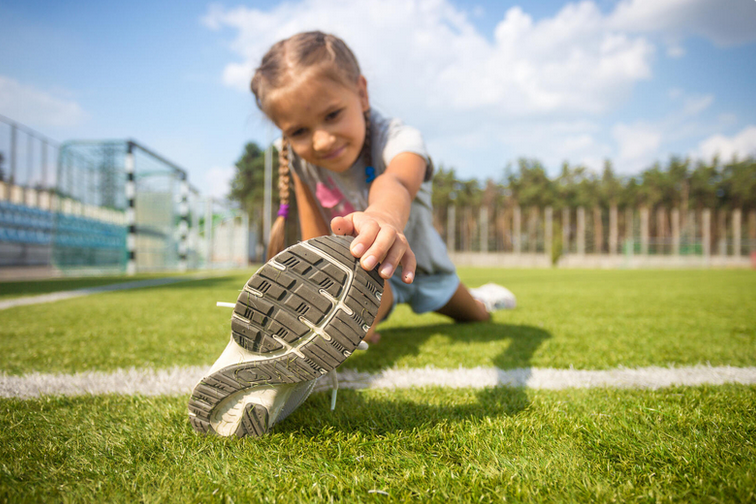
Are your kids interested in sports or just want to feel stronger? Strength training can be safe and beneficial for children when it is done the right way. Light weights, proper form and age appropriate guidance matter. Curious about when kids can start and how to keep it safe?
Strength training: OK for kids?
Strength training offers kids many benefits, but there are important warnings to keep in mind. Here’s what you need to know about youth strength training.By Mayo Clinic Staff
Strength training for kids? Great idea! Done right, it offers many benefits to young athletes. Strength training is good even for kids who just want to look and feel better. In fact, strength training might put your child on a lifetime path to better health and fitness.
Strength training, not weightlifting
Don’t confuse strength training with weightlifting, bodybuilding or powerlifting. Trying to build big muscles can put too much strain on young muscles, tendons and areas of cartilage that haven’t yet turned to bone, called growth plates. Also, being more focused on lifting large amounts of weight than on form can make strength training riskier.
For kids, light weights and controlled movements are best. Using good form and being safe are most important.
Children can do many strength training exercises using their own body weight or resistance tubing. Free weights, machine weights and medicine balls are other options. But keep in mind that some equipment designed for adults might be too large for many children.
What can kids get out of strength training?
Done right, strength training can:
Increase children’s muscle strength.
Help protect children’s muscles and joints from sports injuries.
Help children do better in nearly any sport.
Teach children proper form.
Keep in mind that strength training isn’t only for athletes. Even for children who don’t want to play sports, strength training can:
Strengthen bones.
Help promote healthy blood pressure and cholesterol levels.
Help maintain a healthy weight.
Help kids feel good about themselves.
Increase physical activity overall.
When can a child begin strength training?
During childhood, being active improves kids’ body awareness and control and their balance. Strength training can become a part of a fitness plan as early as age 7 or 8.
Younger children who start sports activities such as baseball or soccer also might benefit from strength training. To strength train, children should be able to follow directions and practice proper form.
The Department of Health and Human Services says that school-age children should get 60 minutes or more of daily activity. As part of this activity, muscle- and bone-strengthening exercises are suggested at least three days a week.
For children who have an interest in strength training, remind them that strength training is meant to increase muscle strength and endurance. Increasing muscle size, also called bulking up, is something else.
You might also check with your child’s healthcare professional for the OK to begin a strength training program. Be sure to check with your child’s healthcare professional if your child has a known or suspected health problem, such as a heart condition, high blood pressure or seizures.
What’s the best way to start a strength training program for kids?
A child’s strength training program isn’t just a scaled-down version of an adult program. Here are some things you can do to help your child train safely:
Talk with a professional. Start with a coach or personal trainer who has worked with youth to strength train. The coach or trainer can create a safe strength training program that works based on your child’s age, size, skills and sports interests. Or enroll your child in a strength training class for kids.
Keep watch. Don’t let your child strength train alone. It’s important to have an adult who knows how to strength train oversee your child’s program.
Keep it fun. Help your child vary the routine to prevent boredom.
Urge your child to:
Warm up and cool down. Your child should begin each strength training session with 5 to 10 minutes of light aerobic activity. This could be walking, jogging in place or jumping rope. This warms the muscles and prepares them for harder activity. Each strength training session should be followed with 10 to 15 minutes of light aerobic activity and gentle stretching. This helps keep blood flowing to the muscles during recovery.
Keep it light. Kids can safely lift light adult-size weights. Children can try to do one or two sets of 8 to 12 repetitions with good form. If they can’t do 10 repetitions, the weight might be too heavy.
Focus on good form. Form and technique are more important than the amount of weight your child lifts. Children can increase the resistance or number of repetitions little by little as they build strength.
Rest between workouts. Make sure your child rests at least one full day between exercising each major muscle group. Major muscle groups are the legs, hips, back, abdomen, chest, shoulders and arms.
Results won’t come overnight. But in time, your child will have more muscle strength and be able to work the muscles harder
Can you prevent heart disease if it runs in your family? A sports cardiologist goes over how people with a family history of heart disease may be able to reduce their risk. pic.twitter.com/dkDf8WRlLv
Can you prevent heart disease if it runs in your family? A sports cardiologist goes over how people with a family history of heart disease may be able to reduce their risk.
Are your kids interested in sports or just want to feel stronger? Strength training can be safe and beneficial for children when it is done the right way. Light weights, proper form and age appropriate guidance matter. Curious about when kids can start and how to keep it safe?
Strength training: OK for kids?
Strength training offers kids many benefits, but there are important warnings to keep in mind. Here’s what you need to know about youth strength training.By Mayo Clinic Staff
Strength training for kids? Great idea! Done right, it offers many benefits to young athletes. Strength training is good even for kids who just want to look and feel better. In fact, strength training might put your child on a lifetime path to better health and fitness.
Strength training, not weightlifting
Don’t confuse strength training with weightlifting, bodybuilding or powerlifting. Trying to build big muscles can put too much strain on young muscles, tendons and areas of cartilage that haven’t yet turned to bone, called growth plates. Also, being more focused on lifting large amounts of weight than on form can make strength training riskier.
For kids, light weights and controlled movements are best. Using good form and being safe are most important.
Children can do many strength training exercises using their own body weight or resistance tubing. Free weights, machine weights and medicine balls are other options. But keep in mind that some equipment designed for adults might be too large for many children.
What can kids get out of strength training?
Done right, strength training can:
Increase children’s muscle strength.
Help protect children’s muscles and joints from sports injuries.
Help children do better in nearly any sport.
Teach children proper form.
Keep in mind that strength training isn’t only for athletes. Even for children who don’t want to play sports, strength training can:
Strengthen bones.
Help promote healthy blood pressure and cholesterol levels.
Help maintain a healthy weight.
Help kids feel good about themselves.
Increase physical activity overall.
When can a child begin strength training?
During childhood, being active improves kids’ body awareness and control and their balance. Strength training can become a part of a fitness plan as early as age 7 or 8.
Younger children who start sports activities such as baseball or soccer also might benefit from strength training. To strength train, children should be able to follow directions and practice proper form.
The Department of Health and Human Services says that school-age children should get 60 minutes or more of daily activity. As part of this activity, muscle- and bone-strengthening exercises are suggested at least three days a week.
For children who have an interest in strength training, remind them that strength training is meant to increase muscle strength and endurance. Increasing muscle size, also called bulking up, is something else.
You might also check with your child’s healthcare professional for the OK to begin a strength training program. Be sure to check with your child’s healthcare professional if your child has a known or suspected health problem, such as a heart condition, high blood pressure or seizures.
What’s the best way to start a strength training program for kids?
A child’s strength training program isn’t just a scaled-down version of an adult program. Here are some things you can do to help your child train safely:
Talk with a professional. Start with a coach or personal trainer who has worked with youth to strength train. The coach or trainer can create a safe strength training program that works based on your child’s age, size, skills and sports interests. Or enroll your child in a strength training class for kids.
Keep watch. Don’t let your child strength train alone. It’s important to have an adult who knows how to strength train oversee your child’s program.
Keep it fun. Help your child vary the routine to prevent boredom.
Urge your child to:
Warm up and cool down. Your child should begin each strength training session with 5 to 10 minutes of light aerobic activity. This could be walking, jogging in place or jumping rope. This warms the muscles and prepares them for harder activity. Each strength training session should be followed with 10 to 15 minutes of light aerobic activity and gentle stretching. This helps keep blood flowing to the muscles during recovery.
Keep it light. Kids can safely lift light adult-size weights. Children can try to do one or two sets of 8 to 12 repetitions with good form. If they can’t do 10 repetitions, the weight might be too heavy.
Focus on good form. Form and technique are more important than the amount of weight your child lifts. Children can increase the resistance or number of repetitions little by little as they build strength.
Rest between workouts. Make sure your child rests at least one full day between exercising each major muscle group. Major muscle groups are the legs, hips, back, abdomen, chest, shoulders and arms.
Results won’t come overnight. But in time, your child will have more muscle strength and be able to work the muscles harder
It’s that time again folks, the holy grail of Christmas markets at @thefumbally
I cannot wait to be back again and immersed in the special atmosphere this market generates without fail every year. There’s something about the combination of team Fumbally, the mix of traders they select, and the friendly supportive souls this market draws in coming together that feels pretty magic.
There are so many talented gorgeous artists and artisans to be found here and it’s a real treat to be part of this dreamy lineup that showcases a taste of the creativity and innovation knocking about this island. The best place to support small independent makers and have an all round beautiful time while you’re at it.
Fri 5th: 12-7 Sat 6th: 10-6 Sun 7th: 10-6
As always another whopper poster by the legend @kiki_na_art1w
It’s that time again folks, the holy grail of Christmas markets at @thefumbally
I cannot wait to be back again and immersed in the special atmosphere this market generates without fail every year. There’s something about the combination of team Fumbally, the mix of traders they select, and the friendly supportive souls this market draws in coming together that feels pretty magic.
There are so many talented gorgeous artists and artisans to be found here and it’s a real treat to be part of this dreamy lineup that showcases a taste of the creativity and innovation knocking about this island. The best place to support small independent makers and have an all round beautiful time while you’re at it.
Fri 5th: 12-7 Sat 6th: 10-6 Sun 7th: 10-6
As always another whopper poster by the legend @kiki_na_art1w









 Healthaware