Why Avocados Are a Healthy — and Delicious — Addition to Your Diet @ClevelandClinic


Cleveland Clinic

@ClevelandClinic

Avocados are jam-packed with nutrients and vitamins and can make a delicious, nutritious addition to your diet.

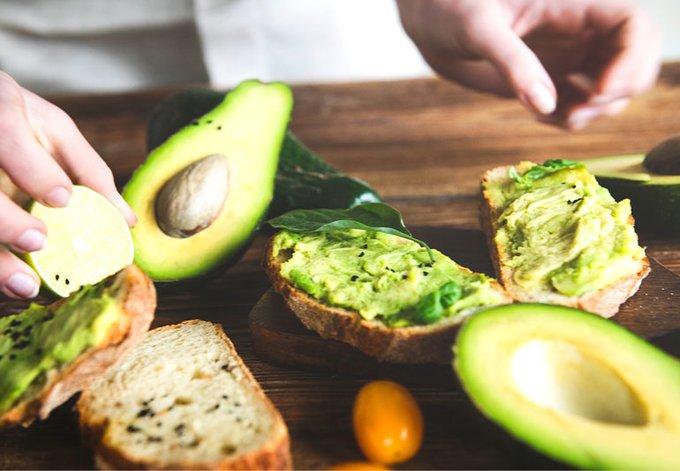
Millenials may get flak for being the “avocado toast generation,” but honestly, they may be onto something! Avocados are as nutritious as they are delicious, and they’re jam-packed with vitamins and nutrients.

Avocados include vitamins C, E, K1, B6 and folate, plus essential minerals like potassium and copper. They’re low in sugar, loaded with fiber and high in monosaturated fats, aka “good” fats. Oh, and did we mention that they taste great and they’re super versatile?!

Registered dietitian Julia Zumpano, RD, LD, shares a few more good reasons to give these wrinkly green fruits a second look — plus, how to add them to your regular rotation.

Are avocados good for you?

“Avocados are a great addition to a healthy diet,” Zumpano confirms, “and there are hundreds of varieties to choose from, ranging from big to small and wrinkly to smooth.”

What they have in common: A big round pit, creamy green flesh and a whole lot of nutrients crammed into a handy, pear-shaped package.

Just don’t go overboard. Avocados are packed with nutrients, but they’re also packed with calories. A 50-gram portion — about a third of a medium-sized avocado — has about 75 calories. And an entire large avocado can add upward of 400 calories to your daily diet.

Like most things, Zumpano says, moderation is key. “As long as you’re paying attention to portion sizes, avocados are very healthy foods to include in your food repertoire.”

Benefits of avocados

Whether you’re adding a slice to a salad or sandwich or using them as an ingredient in a more complicated recipe, Zumpano says avocados have a lot going for them health-wise.

Here are some of the many nutrients and vitamins packed into just a single avocado:

High in ‘good’ fats

You might’ve heard that avocados are high in fat — and that’s true, but it doesn’t mean you should avoid them! A medium avocado has 22 grams of fat, which includes 15 grams of monounsaturated fats, aka “good” fats.

“Avocados are rich in heart-healthy monounsaturated fats, which help lower your LDL, or ‘bad’ cholesterol,” Zumpano says. “Low LDL levels reduce your risk of heart disease and stroke.”

The American Heart Association says most of the fats you eat should be monounsaturated or polyunsaturated, confirming that avocados fit the bill as part of a healthy diet.

You can even swap avocado in for less-healthy fats in your home cooking. Here are some additional ways you can add this smooth, creamy fruit to your diet.

  • Spread avocado on a sandwich in place of mayonnaise.
  • Instead of dunking veggies into dips made with cheese or sour cream, try guacamole.
  • Forego shredded cheese on your salad and add avocado slices instead.
  • In baking recipes, replace butter or oil with mashed avocado, like in these chocolatey avocado brownie bites.

“If you use avocado to replace other fats, you can enjoy the flavor and nutrients and also cut down on saturated fats,” Zumpano says.

Lots of vitamins

Let’s talk vitamins: In simple terms, avocados have a lot of them! Here are the vitamins that are most abundant in avocados and what they do for your health:

  • Vitamin K1, or phylloquinone, is important for blood clotting, which helps stop wounds from bleeding. It also plays a role in strengthening your bones. For most adults, the daily recommended amount of vitamin K ranges from 90 to120 micrograms. Half an avocado has about 21 mcg.
  • Vitamin C, aka ascorbic acid, helps keep your immune system healthy. It also plays a role in the health of your tissues, blood vessels, bones and more. Depending on your age and sex, you need anywhere from 75 to 120 milligrams of vitamin C per day; half an avocado has about 10 mg.
  • Vitamin E, or alpha-tocopherol, is a powerful antioxidant that prevents cell damage and helps maintain muscle function. Most adults only need 15 mg of vitamin C per day, and half an avocado will give you about 4 mg of it.
  • Vitamin B6, also known as pyridoxine, helps your body convert food into energy. You only need a small amount of vitamin B6 each day (just 1.2 to 2 mg, depending on your age and sex), but half an avocado has about .25 mg, putting you well on your way to that daily goal.
  • Folateis a B vitamin that’s important for normal cell function and tissue growth. It helps your body form red blood cells and DNA, which is especially critical when you’re pregnant (but still important if you’re not). Half an avocado has about 20% of your daily recommended amount.

Low in sugar

Though most fruits are high in natural sugars, avocados rank very low on the sweetness scale. “A whole avocado has under 1.5 grams of sugar, while one medium apple, by comparison, has about 19 grams,” Zumpano points out. (Psst: It’s important to note that not all sugars are created equal! Fruit is still super-healthy.)

High in fiber

Avocados are a good source of fiber, which is a type of carbohydrate that your body can’t break down. You need both soluble and insoluble fiber — and lucky for you, avocados have both.

“Fiber can lower cholesterol and blood sugar, keep you regular and help you feel full and satisfied after a meal,” Zumpano states. Most adults need 25 to 35 grams of fiber per day, depending on your age and sex. Half an avocado provides about 7 grams.

Packed with potassium

Surprise! “Avocados actually contain more potassium than bananas,” Zumpano reveals. Half a large avocado provides about 485 mg of potassium, while a whole banana provides about 420 mg. (Most adults need 2,600 to 3,400 mg per day.)

This essential mineral is beneficial for blood pressure control and heart health. Low blood potassium can increase your blood pressure, raise your risk of kidney stones and even pull calcium out of your bones.

Increases your copper intake

Think past pennies: Copper is actually an essential trace mineral that your body needs in order to function correctly. Most Americans don’t get enough of it in their diets, but half an avocado will get you 20% of your daily recommended amount.

“Copper helps your body metabolize iron, and it plays a role in a healthy immune system and nervous system,” Zumpano explains.

Tips for enjoying avocados

“A perfectly ripe avocado is slightly firm but not rock-hard,” Zumpano says. “If it’s not ripe but you can’t wait to eat it, store it in a paper bag on the counter until it gives a little when you squeeze it.”

A ripe-but-not-too-ripe avocado is a time-limited treasure, so dive right in and get creative with your avocado creations, or embrace the millennial method and enjoy some avocado toast.

But if you need to store it for a couple of days, just be sure to keep it in the fridge — not submerged in water, as some TikTokkers recommend. Some people call it a “food hack,” but it can easily lead to foodborne illness.

“You can even freeze avocado slices if you’re worried you won’t use them in time,” Zumpano suggests. “Then, you can easily throw them into a smoothie.”
Top 8 health benefits of pistachio nuts

Published: June 4, 2025 at 3:08 PM

Fuelled by a social media craze for the likes of ‘Dubai chocolate’, a chocolate bar filled with pistachio paste and shredded filo pastry, these colourful little nuts are having their moment. Nutrient-dense and packed with heart-healthy fats, are there other health benefits that set pistachios apart? Registered nutritionist Kerry Torrens investigates.

What are pistachio nuts?

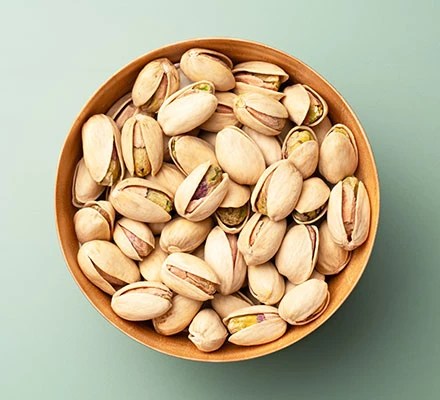
A popular ingredient in desserts and puddings, pistachios or “green nuts” add a splash of colour to dishes. The edible seeds of the Pistacia vera tree are a source of healthy fats, protein, fibre and plant compounds that have a protective antioxidant effect.

Discover our full range of health benefit guides and find out more about the health benefits of nuts. Also check out some of our delicious pistachio recipes from our chicken & pistachio saladto our pistachio, courgette & lemon cake.

The benefits of pistachio may include…

  1. Are antioxidant-rich
  2. Source of plant-based protein
  3. Heart-healthy
  4. May improve blood lipids
  5. May support weight management
  6. May manage blood sugar levels
  7. May support gut health
  8. May support eye health

Nutritional profile of pistachio nuts

A 30g serving of pistachio provides:

  • 169 kcals/706KJ
  • 6.1g protein
  • 13.6g fat
  • 1.7g saturated fat
  • 7.1g mono-unsaturated fat
  • 4.1g poly-unsaturated fat
  • 5.4g carbohydrates
  • 3.1g fibre
  • 308mg potassium
  • 1.18g iron
  • 1.37mg vitamin E

Compared to most tree nuts pistachio have a balanced nutritional profile with less fat, more protein and fibre (both soluble and insoluble) and a high antioxidant value.

Why Experts Say To Avoid Beer Tanning @ClevelandClinic

You’re putting your skin at risk of sunburn and even skin cancer when you pour on the beer

There’s a good chance you think a golden tan makes you look more youthful, healthier and more attractive. And while there are many ways to achieve a faux bronzed glow — think bronzers and sunless tanners — you might be tempted to try an unsafe way to get a suntan.

One of those dangerous trends is beer tanning (yes, you read that right!). The idea is that slathering your skin with beer will help you achieve a darker, richer color.

You can thank social media for spreading the concept of beer tanning. But just because TikTok or Instagram influencers are touting the results of something, doesn’t mean it’s not without its risks (Exhibit A: nasal tanning sprays).

Dermatologist Shilpi Khetarpal, MD, explains how beer tanning can harm your skin and why it’s so important to protect your skin.

What is beer tanning?

Instead of using sunscreen, people use the alcoholic beverage like a tanning lotion. The thought process is that hops — one of the main ingredients in beer — increase your skin’s melatonin.

But Dr. Khetarpal wants to be very clear: There’s no scientific evidence to support this theory. And you’re leaving your skin in a vulnerable state with no SPF protection at all.

“There are many issues with this idea of beer tanning,” she continues. “The first is that if you’re not applying sunscreen, the skin is not protected. It can also increase the chance of getting a sunburn and lead to an increased risk of skin cancer.”

The dangers of beer tanning

Just like tanning beds and using tanning oil, beer tanning is NOT good for you or your skin.

Beer tanning essentially leaves your skin unprotected. Exposure to the sun’s harmful ultraviolet (UV) rays can lead to:

And what might be most concerning is who is following this unsafe idea.

“The age groups that are following these trends are 15- to 34-year-olds — and it’s also the same age group that has a disproportionately high incidence of skin cancer and that’s on the rise,” says Dr. Khetarpal. “We’re going to see that number go up as this population ages.”

The facts on skin cancer — the most commonly diagnosed cancer in the U.S. — paint a scary picture. Here are just some of the alarming stats:

“We get most of our sun exposure during childhood, so it’s important to wear sunscreen every day even if you’re not outdoors,” stresses Dr. Khetarpal. “The increase in UV exposure and tanning beds is why there is an increase in skin cancer that we’re seeing today.”

How to keep your skin protected

Dr. Khetarpal can’t over-emphasize the importance of protecting your skin when you’re outside. So, what should you do? Here are her tips:

  • Wear sunscreen. Opt for a broad-spectrum sunscreen that’s UVA/UVB SPF 30 or higher.
  • Wear UPF clothing. UPF stands for “ultraviolet protection factor,” and certain clothing is made with UPF fabric.
  • Wear a hat and sunglasses. These items can help protect your face, the back of your neck and your eyes.
  • Seek out shady areas when you can. Not only can this help protect your skin, but getting a break from the hot sun can also reduce your chance of dehydration and heat stroke. Consider an umbrella when you’re at the beach.

“Protect your skin by wearing an SPF 30 or higher daily, regardless of the weather and reapply every 2 hours when outdoors,” reiterates Dr. Khetarpal. “You can also look for UPF-protected clothing and seek shade during peak sun hours, which are typically 10 a.m. to 2 p.m.”

Bottom line?

Sure, we get it — our society is somewhat obsessed with suntans and having a bronzed look. But as with most viral trends, beer tanning can do more harm than good. Ask yourself: Is having a tan worth the potential for skin cancer down the road?

And if you’re like us and Dr. Khetarpal, not only is it not worth the risk of sunburn, heat exhaustion and skin cancer, but it’s also not worth the mess it creates.

“Besides everything we know about ultraviolet exposure and putting yourself outside without sunscreen, why would you want to put something sticky and messy all over your body?” asks Dr. Khetarpal.

Take a fresh look at oatmeal – it’s not as simple as you think @American_Heart


American Heart Association

@American_Heart
·


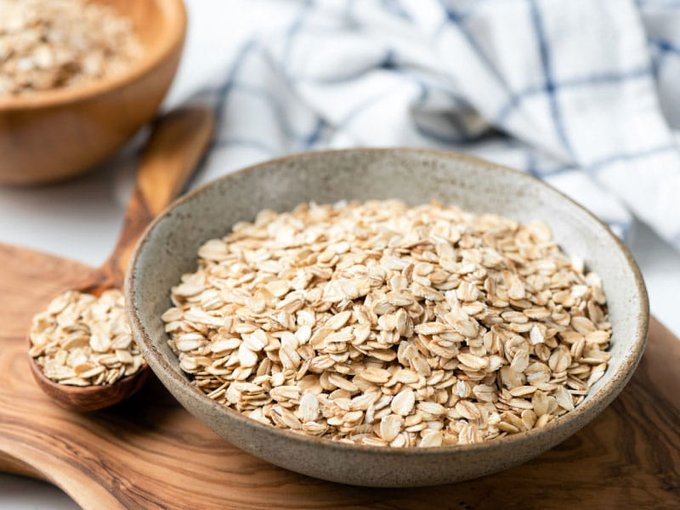
Oats and oatmeal have powers you probably didn’t know about — like nutrients to help lower cholesterol and enough fiber to help you feel fuller longer. They just might be quiet heroes of #BetterBreakfastMonth.

(Arx0nt/Moment via Getty Images)

By Michael Merschel, American Heart Association News

Let’s admit it: Oatmeal is a total nerd. It lacks fashion sense – the color they named after it is somewhere on the drab side of beige. It’s often seen with Sesame Street’s Bert, who also loves bottle caps, paper clips and pigeons.

But when it comes to healthy eating, oatmeal and the oats it comes from can definitely hang with the cool kids at the breakfast table.

“It has many, many good qualities,” said Candida Rebello, director of the nutrition and chronic disease research program at Louisiana State University’s Pennington Biomedical Research Center in Baton Rouge.

Extensive studies have associated oats and oatmeal with plenty of heart-healthy benefits, such as lowering cholesterol (both total and “bad” LDL cholesterol) and helping with weight control.

Oatmeal has a host of vitamins and minerals. Two examples: According to the U.S. Department of Agriculture, a one-cup serving of cooked oatmeal has about 1.8 milligrams of vitamin B1, or thiamin. That’s close to 15% of what an adult needs each day. It also has 1.36 mg of manganese, which is 59% of the daily recommendation for men and 76% for women. Manganese has roles in immunity, blood clotting and the way cholesterol and blood sugar are metabolized.

But that’s not what makes oats stand out, Rebello said. That same cup of cooked oatmeal has just 166 calories and nearly 4 grams of dietary fiber.

And the type of fiber is where oats start to distinguish themselves. It’s called beta-glucan. Put that in the conversation, and it’s like the scene in a movie where oatmeal takes off its glasses and everyone realizes just how beautiful it is.

Not literally. It’s a soluble fiber, which means it dissolves in hot water, where it thickens. “When you eat oatmeal, the kind of sliminess that you see – that comes from this viscosity that beta-glucan generates,” Rebello said.

That helps you feel full longer, she said. And it helps undigested food travel farther down your digestive tract, where it feeds the friendly bacteria living there.

Beta-glucan is abundant in oats and barley and has been shown “quite unequivocally” to help maintain healthy cholesterol levels, Rebello said.

Oats also are rich phytonutrients – plant-derived substances that may boost health. One class of such phytonutrients is avenanthramides, which are found only in oats. Avenanthramides may have antioxidant and anti-inflammatory effects, although Rebello said their possible benefits are not as well-researched as those for beta-glucans.

Oats have been linked to heart-health benefits since the 1960s and come in many forms. The differences involve levels of processing.

Oats grow in an inedible casing called a hull. Inside the hull is a seedlike groat. That groat is encased in bran. “In other whole grains, like in wheat, you can remove that bran layer,” Rebello said. “But in oats, this groat is very soft, so that bran layer cannot really be removed.”

That means oats are almost always a whole-grain food, and those are a key part of a healthy eating pattern.

If oats are labeled “steel cut,” it simply means they were processed with a steel cutter, Rebello said. Rolled oats are steamed first, then pressed with a roller. “If the roller crushes it into thinner flake, then you get quick-cooking oats,” she said. “If it is then rolled into an even thinner flake, you get your instant oats.”

Rebello said that nutritionally, there is little difference between steel cut and rolled oats. Instant oats, however, have a higher glycemic index, meaning they raise your blood sugar faster.

When oats are ground to flour, the coarser portion is extracted and called oat bran. The beta-glucans will be concentrated in the flour rather than the bran, she said.

Oat milk is derived from oats and water, but processing may add ingredients such as sugar, salt, oil and more. Oat milk has some dietary fiber, Rebello said – commonly 2 grams per cup – but the amount of beta-glucan is rather small.

Unfortunately, Rebello ruled out sugar-filled oatmeal cookies as a healthy food (although she’s not averse to having one as a treat now and then).

How, then, to embrace oats? “Just eat regular oatmeal,” she said. Half a cup of rolled oats cooks up quickly and will keep you full a long time.

Oatmeal with your favorite fruit can be a sweet way to start the day. Cook it in low-fat milk for creaminess and add unsalted nuts to bolster its heart-health value. If you’re time-pressed in the morning, try a healthy version of overnight oats, which can be prepared the night before.

It’s important to remember that no single food, even oats, can do it all, Rebello said, noting that if you eat a nutritious breakfast but then load up on sugar and fat the rest of the day, “that’s really not going to help you much.”

But you should go ahead and invite oatmeal into your breakfast club, Rebello said. “I definitely recommend eating oats.”

If you have questions or comments about this American Heart Association News story, please email editor@heart.org.

Make 2025 the year your health resolution sticks. Small, sustainable changes are the key to success. Health is more than just weight. Prioritize quality food, movement, and healthy habits. @MayoClinic

Making your weight-loss resolution stick

12/19/2024 by Luke Hafdahl, M.D.

Scale_widget

As the Earth completes another trip around the sun, many people reflect on the previous year’s weight-loss resolutions that didn’t work out as planned. You have undoubtedly seen an explosion of weight-loss medication advertisements over the last year. While these medicines can potentially be helpful, they need to be used in conjunction with healthy lifestyle changes. Here are some tips to make 2025 the year your weight-loss resolutions stick!

Start with a diet to lose weight. Weight loss is 20% in exercise and 80% in the kitchen. You will get far more weight loss by focusing on diet to start.

Think small! Aim to lose about three to five pounds per month. Rapid weight loss is usually a sign that you’re doing something that will be hard to keep up. Don’t go on a “diet,” instead make a “lifestyle change” by focusing on small things you can sustain for the rest of your life. Remember: Small changes over a long period yield big results.

Rethink your drink. Calories are experts at sneaking into your diet without you even noticing, especially in beverages. Reducing or eliminating sugary drinks and alcohol can make a HUGE difference. Consider these simple substitutions: diet soda instead of regular soda, skim milk instead of whole milk for your coffee, flavored water instead of fruit juice, etc.

Avoid portion pitfalls. Oversized portions derail the best weight-loss plans. Give these quick fixes a try:

  • At restaurants, put half of your meal in a to-go box as soon as it comes to the table.
  • At home, keep serving dishes away from the dining table to discourage seconds and thirds.
  • With snacking, put your snack in a bowl or container rather than sit and munch with the whole package at hand.
  • Spoil your dinner! A healthy snack before dinner that leads to eating less at your meal is A-OK!

Ease into exercise. Exercise is key to a healthy life, but if you’re not doing much exercise to start, going from zero to 60 is a recipe for crash and burn. Start low and go slow. Start with 10 minutes of exercise per week. Add 10 minutes weekly and slowly build up to 30 minutes five days a week. How do you know if you’re exercising right? If you’re breathing hard enough that it would be challenging to have a conversation with someone, then you’re doing it right!

Put a dietitian in your pocket. Have a smartphone or tablet device? Use it to work for you! Knowing which foods are good and bad is only part of the struggle. MyFitnessPal is a fantastic, free app that helps you set weight-loss goals and track your calories.

Most important: Don’t focus on weight too much! Weight is only one piece of the health puzzle! We tend to focus on weight as it is the easiest to see and measure, but being healthy is much more than your weight. The quality of the food you eat, the exercise you get and the unhealthy choices you avoid are just as important!

Remember that your healthcare clinician is there for you. Don’t hesitate to ask for guidance and talk about available tools to lose weight and be healthy. Make 2025 the year your weight-loss resolutions stick so you have many more trips around the sun.

Luke Hafdahl, M.D., is a Community Internal Medicine, Geriatrics and Palliative Care physician. He has a particular interest in medical education.

Biking is a good way to get your blood flowing..😍😃@ClevelandClinic #heartaware

Screenshot_2020-07-27 #biking hashtag on Instagram • Photos and Videos

Cleveland Clinic
@ClevelandClinic


You know exercise builds muscles, strengthens bones, keeps your heart healthy and your mind sharp. But it also does something that you might not think much about: It helps keep your immune system — your internal defenses against infection — in tip-top shape.

If you take time for some physical exertion each day, it helps get your body ready to attack bacteria, viruses and toxins that can sneak in and make you sick.

But how much exercise is effective? Do too little or too much, and it won’t have the best effect on your immune system.

Clinical immunologist  Leonard Calabrese, DO, answers common questions about how exercise can impact your immunity and how to use your workouts to shut out a world of would-be invaders.

Q: How does breaking a sweat boost immunity?

A: If you exercise moderately on a regular basis, it tunes up the immune system in many ways. It enhances your broad-based defenses against viral infections, such as those causing upper respiratory infections.

Working out regularly also reduces the risk of many chronic diseases such as cardiovascular, respiratory illnesses and metabolic diseases, such as type 2 diabetes.

Q: How much exercise do you need?

A: Fortunately, you don’t have to push yourself to the limit to rev up your immune system. In fact, your immune system needs less of a workout than you get with your average cardio routine.

Focus on getting 20-30 minutes of moderate exercise, five days a week, and your immune system will thank you.

Q: What types of exercise are most helpful?

A: Moderate exercises, including biking or walking briskly in your neighborhood, are good ways to get your blood flowing. Swimming is also a good option for non-weight-bearing exercise for your joints.

Also try mind-body exercises such as Tai-Chi, Qi Gong and yoga, which are all options that help keep your joints flexible. These exercises also reduce chronic stress, which in itself is a powerful immune booster. These exercises can also help alleviate osteoarthritis and fibromyalgia symptoms.

Q: Can too much exercise set your immune system back?

A: Yes, though, the level to which it can slow your system down is still up for debate.

Research shows that exercising for more than 1.5 hours without refueling your body or giving it enough time to recover suppresses your immune responses for up to a few days. During that time, your cortisol levels rise, your white blood cell count drops and you’re more likely to develop a respiratory infection.

This problem usually affects elite athletes, such as marathon runners, most.

On the flip side, staying sedentary also increases your risk of infection, inflammation and chronic disease.

Q: Can exercise make an illness worse?

A: Yes, it can. This is a complex issue, but I like to tell my patients to do a “neck check.” If your symptoms are mostly of a mild cold without fever or lower respiratory symptoms, such as a productive cough, wheezing or shortness of breath, mild exercise can actually reduce congestion and may make you feel better.

If your symptoms are primarily in your lungs or you have a significant fever its better to rest until things settle down. Regardless, good hydration is important.