
Harvard Health
@HarvardHealth
·
Even small amounts of alcohol—a single drink per day—has been linked to a higher risk of developing #AFib, a potentially dangerous irregular heart rhythm. https://bit.ly/2XRMkif #HarvardHealth

Health is Wealth

Lough Rynn Castle Estate & Gardens, Co.Leitrim.
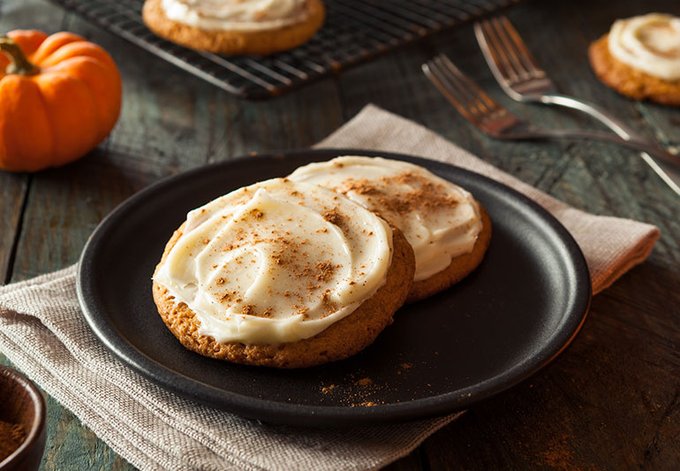
Who says pumpkin spice is only exciting in latte form?
Don’t just reserve pumpkin for pumpkin spice lattes and pie! These easy spice cookies are a great way to spread the pumpkin love throughout the entire season.
If you don’t have any aluminum-free baking powder in your cupboard, pick some up the next time you go shopping. Aluminum may pose potential risks to your health as a neurotoxin. While the dose of aluminum is what makes the poison, some studies show a relationship between aluminum that is stored in your body and neuro-disorders (such as Alzheimer’s disease.) Limiting exposure to all metals is a protective measure we can take to optimize our health.
1 cup pumpkin puree, fresh or canned
1 tablespoon pure maple syrup
1/3 cup unsweetened applesauce
1 teaspoon pure vanilla extract
1/4 cup vegan palm shortening or melted coconut oil
1 cup oat flour
1/2 cup almond flour
1/2 teaspoon baking soda
1/2 teaspoon aluminum-free baking powder
1 teaspoon ground cinnamon
1/2 teaspoon pumpkin pie spice
Pinch sea salt
1/2 cup chopped pecans
1/4 cup mini chocolate chips
Makes 3 dozen cookies
Calories: 43
Total fat: 2 g
Saturated fat: 2 g
Cholesterol: 0 mg
Fiber: 1 g
Protein: 1 g
Carbohydrate: 5 g
Sodium: 25 mg
— Recipe courtesy of Mark Hyman, MD.



8h

Yoga JournalVerified account @Yoga_Journal 6 hours ago
As US Navy pilot Liz Corwin glanced out of her cockpit, there was no question: her wingtip was missing… http://ow.ly/541530mlCxB #yogaformilitary #yogaforvets


Set a date, avoid triggers, and get help and support along the way
Looking to take on a sobriety challenge, like Dry January? Or maybe it’s a pregnancy that made you realize it’s time to stop drinking. Or maybe you’re just looking to improve your health, wake up hangover-free and give your liver (and your heart) a break.
Whatever your reason to quit drinking, know that you’re doing yourself a favor. Alcohol impacts our sleep, relationships, weight, risk for serious chronic conditions and more.
“Increasingly, I’m hearing from a lot of people who don’t necessarily have alcohol use disorder but who realize that they feel better when they drink less or stop drinking altogether,” says addiction psychiatrist David Streem, MD.
But you probably have questions about how to quit drinking. Is it better to wean off gradually? Go cold turkey? How will you keep up a sober lifestyle?
Whether you’re sober curious, know for sure you’re ready to quit, or fall somewhere in between, Dr. Streem shares advice for how to stop drinking. If you’re living with alcohol use disorder (also known as alcoholism), you’ll likely benefit from additional medical interventions. We’ll talk about that, too.
When you consider how to go about giving up alcohol, account for factors like how much you drink and your reasons for drinking.
“At its core, quitting drinking is a behavioral change,” Dr. Streem says. “It’s about breaking a habit and starting new habits.”
But if you’re living with alcohol use disorder, drinking is more than a habit. It’s a medical condition. People with alcohol use disorder can’t stop drinking even when it causes problems, like emotional distress or physical harm to themselves or others.
“If you drink every day — if you crave alcohol and have a compulsion to continue drinking even when the effects of alcohol are obvious — it’s best to seek medical treatment rather than stop drinking on your own,” Dr. Streem advises. “In many cases, it may not be safe for someone with alcohol use disorder to stop drinking without professional support, and you’re less likely to be successful on your own, too.”
In order to change your drinking habits, your first step is to take a close look at your current behaviors and find patterns.
Dr. Streem suggests starting with the World Health Organization’s Alcohol Use Disorders Identification Test (AUDIT). It can be a particularly helpful way to help you get a clearer understanding of your drinking habits and your relationship with alcohol. It’s a 10-question screening test that gives you research-backed, personalized advice for quitting or reducing your intake of alcohol.
Making lists can help, too. Ask yourself questions like:
Laying it all out in black and white can take time and some serious self-examination. That’s OK. Understanding your habits and your motivations to quit drinking can help you understand the change you’re making in your life and reinforce why it’s important.
Dr. Streem says that if your goal is to stop drinking altogether, you’re more likely to have success quitting all at once, rather than weaning off alcohol. But that advice changes if you’re living with alcohol use disorder.
“If a person with alcohol use disorder stops drinking suddenly, it can be dangerous,” Dr. Streem reiterates. “If you’re choosing to quit drinking for your health or for other reasons, though, you have a better chance of success if you choose a date to quit and don’t look back.”
He suggests setting a concrete start date for when you’ll quit drinking. Leading up to that date, talk with your family, friends and other important people in your life. Tell them your plan and ask for their support as you make this life change.
We all become conditioned to have certain responses to triggers throughout our lives. It’s normal for certain stimuli to cause a reaction in your mind and body without even being aware of it.
You smell a pot of chili simmering on the stove and then suddenly feel ravenously hungry. You feel your phone vibrate and then anxiously reach to see who texted. Even dogs do it — you say “walk” and they high-tail it to get their leash.
Drinking works in a similar way, Dr. Streem says. You can become conditioned to reach for a drink when your environment offers up certain cues.
So, when you’re trying to quit drinking, steering clear of triggers will help.
There’s a saying in the Alcoholics Anonymous (AA) community that sums up the triggers that can derail sobriety: “people, places and things.” And it’s not only people in recovery from alcohol use disorder who are well-advised to avoid drinking triggers when trying to quit.
People: If there are certain friends or other people in your life that you typically drink with, you may want to take some time away from them while you’re working on creating new, sober habits. At least, let them know your intentions to quit drinking so they can be supportive.
Places: Here’s another AA saying: “If you hang out in a barbershop long enough, you’re going to get a haircut.” In other words, if you go places where the alcohol is flowing — like bars or house parties — chances are, you’re going to drink. It’s almost inevitable. When you’re cutting alcohol out of your life, you’re best off if you can avoid places where alcohol is abundant.
Things: As you prepare for the date you set to quit drinking, Dr. Streem advises getting rid of all alcohol and drinking accessories (wineglasses, tumblers, flasks, cocktail recipes and so on) — the ol’ “out of sight, out of mind” technique. These physical reminders of drinking can prompt a trigger response that can be counterproductive to your goal of quitting drinking.
A sober life doesn’t have to mean more time at home as you try to block out triggers. It can mean more time for your other interests, and even new interests. More time to meet new people, catch up with old friends and try new things.
Try these alcohol-free ways to enjoy time with new (and old) friends:
Talk therapy is an important part of treatment for alcohol use disorder, but Dr. Streem says just about anyone who is making a life change, like quitting drinking, can benefit from therapy.
“You may learn things about yourself and about your relationship to this substance that you never even thought about,” he adds.
Therapy can help you understand why you drink and learn new habits so you can live a healthy lifestyle that doesn’t rely on alcohol as a crutch. It can also help you gain a new perspective as you consider how your life will change without alcohol.
If your body is used to a certain amount of alcohol, you may feel certain effects when you stop. How you feel when you stop drinking is largely based on how often and how heavily you drink. People who only drink occasionally probably won’t notice any physical or psychological symptoms. If you drank heavily, you may have some mild symptoms. People who have a severe reaction to quitting alcohol should seek emergency treatment.
Emotionally, you may feel some anxiety or sadness about ending a chapter of your life and nervousness about the future. You may feel irritable or have trouble thinking clearly.
Physically, people who drink heavily may experience some mild symptoms like:
Again, severe alcohol withdrawal symptoms, including pain, passing out, hallucinations and more may be a sign that you’re living with alcohol use disorder and should seek professional medical intervention before quitting alcohol.
If you’re living with alcohol use disorder, quitting drinking is important for your health. But quitting on your own can pose risks to your health and is unlikely to be successful. Rehabilitation facilities can help you on your path to sobriety by addressing alcohol withdrawal symptoms and becoming involved in sober living support groups, like AA.
But Dr. Streem knows that it can be hard to recognize signs of alcohol abuse in ourselves. Often, people with alcohol use disorder find that other people in their lives spot their addiction long before they do.
“If there are people around you who are encouraging you to make this change, that should be a big red flag that your alcohol use is problematic,” he says. “People often see us better than we see ourselves, so if someone is telling you that you need to stop drinking, that should be taken seriously.”
Another clue that can be an indication of an unhealthy relationship with alcohol is if you make “rules” around drinking.
“If you say things like, ‘I don’t have a drinking problem because I never drink on Mondays,’ or, ‘I only drink X or Y … never Z,’ and so on, that can be an indication of alcohol use disorder,” Dr. Streem says. “Rules are a way of trying to create an illusion of control when you are, in fact, out of control. People who don’t have an alcohol use disorder don’t make rules about drinking. They don’t have to.”
Other signs of alcohol use disorder include:
If you’re living with alcohol use disorder, treatment at a medical rehabilitation facility is your best option. Through therapy, support groups and medication, you’ll be supported on your path to recovery.
alcohol alcoholism drinking rehabilitation substance abuse
Cleveland Clinic is a non-profit academic medical center. Advertising on our site helps support our mission. We do not endorse non-Cleveland Clinic products or services.


Progressive muscle relaxation is a practice where you alternately tense and relax your muscles. Follow these five steps to lessen anxiety and stress and improve sleep and athletic performance
health.clevelandclinic.org
Relax Your Way to Better Sleep (And More)
Follow these 5 steps
 Healthaware