Registered dietitian Lara Whitson, RD, LD, shares how watermelon is actually healthy for you, along with five watermelon recipes.
Is watermelon healthy?
Watermelon is 92% water. No surprise there, considering it’s in the name. But more than keeping you hydrated during hot summer days, watermelon has a number of other health benefits. It’s packed with antioxidants like lycopene that can help protect against chronic diseases like diabetes and cardiovascular disease.
And when eaten regularly as part of a healthy balanced diet, it can help make you feel fuller longer. With a low amount of calories, sodium and cholesterol, alongside higher amounts of calcium, vitamin C and magnesium, watermelon is one fruit you don’t want to miss out on year-round. Even the rind and its seeds offer some benefits.
“You can stir-fry the rinds with other vegetables and add spices to the seeds, like you might do with pumpkin seeds, for an easy and healthful snack,” says Whitson.
Watermelon basil granita
This shaved ice dessert gets a fruity twist with watermelon chunks. It also pulls in star ingredients like fresh lime juice and basil leaves, which offer their own health benefits for a refreshing mid-afternoon sweet escape.
Watermelon, tomato and herb salad with feta
Calorie-conscious dishes can still go big on flavor. This refreshing salad, perfect for picnics and cookouts, pairs watermelon with tomatoes bountiful in benefits, alongside red wine vinegar, fresh mint, almonds and feta cheese.
Fresh watermelon fruit smoothie
This is just one of several ways to crank up your chill summer drinks: Puree 1-1 1/2 cups chopped watermelon with 1 cup ice and a little water or fresh juice for a sip-worthy smoothie as you soak in the sun.
Watermelon salad with cucumber, tomato and almonds
This recipe doubles down on the use of veggies by incorporating beefsteak tomatoes, cucumber, a fresh ear of corn and basil, along with a hearty serving of watermelon for a subtly sweet finish.
Fruit salad spring rolls
Not only is this sweet snack filling, but it also puts a dessert-like twist on classic Vietnamese and Thai spring rolls. By wrapping julienned watermelon, green apple and pineapple in spring roll wrappers made from rice paper, and creating a dipping sauce with Greek yogurt and tahini, this recipe makes for a great palate cleanser for any summer cookout.
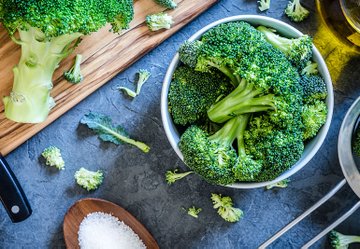
“Eat your broccoli,” may be a familiar refrain from your childhood. Maybe you didn’t love broccoli as a kid, but your parents were onto something. The “little trees” are full of fiber, folate, vitamins and more.
Broccoli is a member of the Brassica genus of plants, also known as the cabbage family. Broccoli’s relatives include Brussels sprouts, cabbage, cauliflower, chard and watercress. Many Brassicas have strong flavors and mix well with meats and other vegetables.
“A pile of steamed broccoli doesn’t appeal to everyone,” recognizes registered dietitian Beth Czerwony, RD, LD. “But broccoli is incredibly versatile and can be used in so many different dishes. Toss it in with your stir fry, chop it fresh in a salad or roast it with your baby potatoes. And with an abundance of nutrients, there are many benefits of eating broccoli.”
It’s worth finding ways to add broccoli to your diet because it’s a health-boosting dynamo. Here’s some motivation for you to get your green on: Some of the beneficial substances in broccoli are somewhat unique to the Brassica family of vegetables. Broccoli provides nutrients that may:
Reduce your risk of cancer.
Help control blood sugar.
Protect your gut.
Boost immunity.
As a superfood status, broccoli can improve your health with these five components:
1. Compounds to reduce cancer risk
“Broccoli offers some powerful molecules that protect your cells from damage,” says Czerwony. “Some of them even destroy cancer cells.”
Detoxify certain substances that promote the growth of cancer cells, which means they don’t remove the substances, but they remove the harmful effects.
Provide antioxidants, which prevent cell damage that can lead to cancer.
Stop the growth and spread of cancer cells.
Support apoptosis, your body’s process for destroying cells that could turn into cancer.
These anticancer molecules are in several of broccoli’s cruciferous veggie relatives, too. These nutrients don’t survive cooking or freezing. So, to get the benefits, raw broccoli is best.
“Some of these compounds are even more concentrated in broccoli sprouts,” notes Czerwony. “You can find broccoli sprouts in health food stores and many grocery stores. Sprouts are also easy to grow at home using a sprouting kit.”
2. Nutrients to help manage blood sugar
Both human and lab studies suggest compounds in broccoli may help lower blood sugar in people with Type 2 diabetes. This effect may be due to the antioxidants in broccoli, like vitamin C.
Research shows that fiber can also help with blood sugar management. At 2.5 grams of fiber per cup, broccoli is a good source of this nutrient.
3. Ligands to protect your gut
In a nonhuman study, researchers found that broccoli can help protect the lining of your small intestine. Compounds found in broccoli, called aryl hydrocarbon receptor ligands, help keep small intestine cells working well.
Why do those cells matter so much? When your small intestine lining is healthy, it only allows water and nutrients to pass through it into your bloodstream.
But when the cells of the lining are damaged, undigested food particles, bacteria and other disease-causing particles may pass through. A damaged small intestine lining can lead to infections and inflammation. It can also prevent you from absorbing the nutrients you need.
4. Vitamin C to boost immunity
Vitamin C is well-studied as an immune-boosting nutrient. When you don’t have enough vitamin C, you’re more likely to get infections.
The antioxidant effects of vitamin C also help your body keep free radicals under control. “Free radical damage is linked to all kinds of problems, including Alzheimer’s disease, autoimmune diseases, cancer, heart disease and Parkinson’s disease,” says Czerwony. When you don’t have enough antioxidants to neutralize free radicals, they damage your cells.
Surprising but true: Broccoli has more vitamin C than oranges. In 1 cup of the green cruciferous veggie, you get a whopping 81 milligrams of vitamin C. That’s 90% of the daily U.S. recommended dietary allowance (RDA) for adults. (An orange has about 70 milligrams.)
5. Nutrients to help heart health
Research suggests certain bioactive compounds in broccoli may boost your heart health in a variety of ways. It may:
Lower triglycerides and LDL (“bad”) cholesterol: “High LDL can lead to fatty deposits on your artery walls, increasing your risk of artery disease, stroke and heart attack,” Czerwony explains. Research shows that eating broccoli can lower triglycerides, a type of fat, as well as LDL.
Reduce calcium buildup in blood vessels: When calcium builds up on your blood vessel walls, it increases your risk of heart attack and stroke. According to research, broccoli can help reduce this calcium buildup.
Is frozen broccoli healthy?
“If you want those anticancer compounds like sulforaphane, choose fresh broccoli,” advises Czerwony. Freezing inactivates sulforaphane.
“Frozen broccoli also loses a bit of its vitamin content. But overall, frozen broccoli is still very healthy. It’s better than not eating any broccoli because you still get a lot of the health benefits,” she continues.
Need some broccoli-inspired meals? Try these easy recipes:
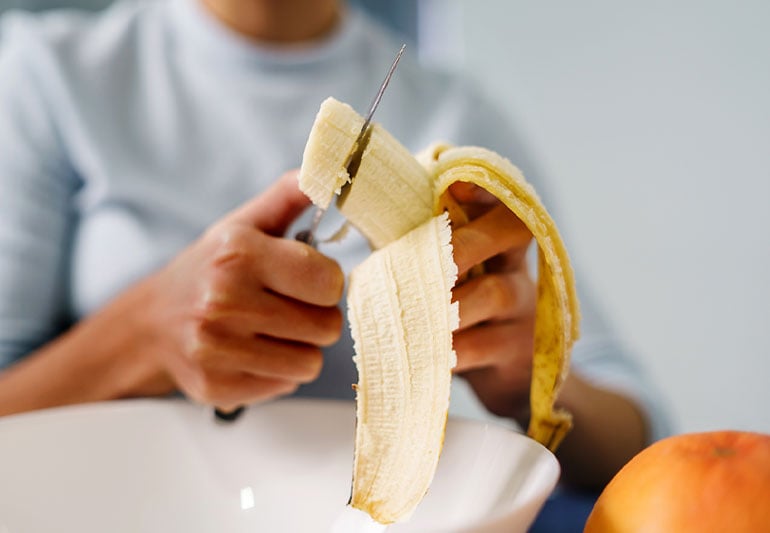
Some have called bananas “nature’s perfect snack,” and it’s easy to see why. The curvy yellow fruits come conveniently packaged, travel well in a lunch bag or purse and are incredibly versatile. They make a great smoothie mixer or a tasty topper on cereal or oatmeal and even have their very own category of (delicious!) muffins and bread.
Are bananas healthy?
“Absolutely,” says registered dietitian Elyse Homan, RD, LD. “They’re full of nutrients and easy on the gut. Very few people have problems digesting bananas.”
So, what are you eating when you peel and enjoy? A medium-sized ripe banana contains:
105 calories.
1 gram of protein.
28 grams of carbohydrates.
15 grams of (natural) sugar.
3 grams of fiber.
Less than 1 gram of fat.
Health benefits of eating bananas
From vitamins to minerals to fiber, bananas are good for you, with lots of nutrition to offer. Plus, they’re easy to digest, reiterates Homan. Here’s a breakdown of banana’s most notable nutritional benefits:
1. Fiber for improved digestion and disease prevention
With 3 grams (g) of fiber, a banana supplies nearly 10% of what you need in a day, based on a 2,000-calorie daily diet, according to the U.S. Department of Agriculture (USDA) dietary guidelines.
You hear “fiber” and probably automatically think of digestion. It’s true — fiber is great for your gut. It helps keep things moving in your intestines, and most of us probably need to eat more.
Vitamin C (ascorbic acid) is a nutrient that helps your body absorb iron and boosts your immune system’s ability to fight illness. Adults need 75 to 90 milligrams (mg) per day. A banana delivers about 10 mg of vitamin C.
Vitamin C is one of many antioxidants you can get from food. Antioxidants are important because they cancel out free radicals in your body. Free radicals can build up and damage your cells, leading to disease. But antioxidants like vitamin C keep free radicals in check.
“One banana will give you one-quarter to one-third of the vitamin B6 you need in a day,” says Homan.
4. Potassium for organ health and lower blood pressure
The USDA recommended daily intake of potassium for adults is 4,700 to 5,000 mg. A banana supplies you with about 422 mg, or a little less than 10% of what you need per day.
Potassium, a mineral, does a lot for your body. It’s essential for the proper function of your:
Heart.
Kidneys.
Muscles.
Nerves.
Getting enough potassium also keeps your blood pressure in a healthy range. Potassium, which lowers blood pressure, balances out sodium, which raises blood pressure.
Homan says potassium also benefits your vascular system — the network of blood vessels and lymph vessels that run through your body’s tissues and organs — and reduces your risk of:
Heart disease.
Kidney failure.
Stroke.
5. Magnesium for improved blood pressure, blood sugar and more
A single medium-sized banana offers about 32 mg of the mineral magnesium, which fulfills around 8% to 10% of your daily magnesium requirement.
Magnesium is involved in many processes in your body, including:
Blood pressure.
Blood sugar levels.
Building proteins.
Maintaining bone.
Muscle function.
Nerve function.
Bananas and resistant starch
Green, or unripe, bananas are high in resistant starch. “Your body can’t digest resistant starch,” notes Homan. “Instead, it’s a prebiotic that promotes the growth of good bacteria in your colon.” Prebiotics improve digestive health and can be helpful if you’re experiencing diarrhea.
“I often hear patients say they avoid bananas since they’ve heard the fruit is too high in sugar,” says Homan. As bananas ripen, much of the resistant starch changes to sugar. But the health benefits of antioxidants and fiber outweigh the naturally occurring sugar. For those worried about blood sugar levels, pair bananas with a protein source such as peanut butter or a cheese stick for better control.
A small word of warning about unripe bananas: “If you’re not used to eating resistant starch, start slowly to let your body get used to it. Some people can experience constipation, gas and bloating at first,” adds Homan.
Another plus of this fruit? In addition to all the health benefits of bananas, they’re less expensive than many other fruits.
Kickstart your New Year’s health resolutions this month with these top nutrition tips from our Senior Dietitians at Blackrock Health Hermitage Clinic. Prioritise your health this year by following some simple guidelines:
– Prioritise whole foods: Swap processed snacks for nourishing, nutrient-dense snacks such as nuts and dried fruits, fruit and yogurt, cheese and crackers, nutty flapjacks, oat snacks. When opting for convenience snacks be aware of the ingredient list, some snacks which may label themselves as ‘healthy’ alternatives may have a long list of ingredients, generally the more whole ingredients and the shorter the list the better!
– Stay hydrated: Start each day with a glass of water and aim for 8 glasses throughout the day. Proper hydration is key for energy and overall well-being.
– Limit alcohol: Alcohol dehydrates and can cause fatigue which leads to poorer food choices as well as negatively impacting overall health. Swap alcoholic drinks for non-alcoholic alternatives where possible and aiming for at least three alcohol free days per week.
– Stay active: Incorporating some daily movement (outside if possible) will support overall mood, energy levels and health.
– Plan ahead: Try not let busy schedules derail your healthy eating goals. Meal prepping, batch cooking and planning snacks will help you stay on track.
At Blackrock Health, our Dietetics and Clinical Nutrition department is made up of Registered Dietitians who help manage and support a variety of nutritional and medical concerns to patients across our clinics.
Kickstart your New Year’s health resolutions this month with these top nutrition tips from our Senior Dietitians at Blackrock Health Hermitage Clinic. Prioritise your health this year by following some simple guidelines:
– Prioritise whole foods: Swap processed snacks for nourishing, nutrient-dense snacks such as nuts and dried fruits, fruit and yogurt, cheese and crackers, nutty flapjacks, oat snacks. When opting for convenience snacks be aware of the ingredient list, some snacks which may label themselves as ‘healthy’ alternatives may have a long list of ingredients, generally the more whole ingredients and the shorter the list the better!
– Stay hydrated: Start each day with a glass of water and aim for 8 glasses throughout the day. Proper hydration is key for energy and overall well-being.
– Limit alcohol: Alcohol dehydrates and can cause fatigue which leads to poorer food choices as well as negatively impacting overall health. Swap alcoholic drinks for non-alcoholic alternatives where possible and aiming for at least three alcohol free days per week.
– Stay active: Incorporating some daily movement (outside if possible) will support overall mood, energy levels and health.
– Plan ahead: Try not let busy schedules derail your healthy eating goals. Meal prepping, batch cooking and planning snacks will help you stay on track.
At Blackrock Health, our Dietetics and Clinical Nutrition department is made up of Registered Dietitians who help manage and support a variety of nutritional and medical concerns to patients across our clinics.
Fuel up with protein and healthy fats for breakfast!
A meal that’s heavy in sugar and starch is no way to start your day – especially if you’re following the ketogenic diet.
These recipes from functional medicine specialist Mark Hyman, MD, are a great way for anyone — keto or not — to bring real, whole, fresh foods (including non-starchy vegetables) to your plate first thing in the morning.
Evidence suggests “one or fewer drinks per day” may elevate the risk for cancers.
January 6, 2025
The US Surgeon General has issued an advisory recommending updates to alcoholic beverage labels to include warnings about the risks of cancer.
The document, titled Surgeon General’s Advisory on Alcohol and Cancer Risk, addressed the “direct link” between alcohol consumption and an increased risk of cancer.
According to the advisory, alcohol is the “third leading preventable cause” of cancer in the US, following tobacco use and obesity.
It underscored that alcohol consumption contributed to cancers of the breast, colorectum, oesophagus, liver, mouth, throat, and voice box, regardless of the alcohol type.
Cancer risk increases with alcohol intake, and evidence suggests that even low levels—such as “one or fewer drinks per day” —can elevate the risk for breast, mouth, and throat cancers, according to a statement from the Surgeon General’s office.
Dr Murthy called for revising the Surgeon General’s health warning labels on alcohol-containing beverages to include information about cancer risks.
This advisory also emphasised the need to reevaluate recommended limits for alcohol consumption based on the latest research to account for cancer risks.
Dr Murthy said: “Alcohol is a well-established, preventable cause of cancer responsible for about 100,000 cases of cancer and 20,000 cancer deaths annually in the US – greater than the 13,500 alcohol-associated traffic crash fatalities per year in the US – yet the majority of Americans are unaware of this risk.
“This advisory lays out steps we can all take to increase awareness of alcohol’s cancer risk and minimise harm.”
The release also urged public health professionals and community groups to emphasise alcohol consumption “as a leading modifiable cancer risk factor” and improve education efforts to raise public awareness.
The surgeon general advised people to consider the link between alcohol consumption and increased cancer risk “when deciding whether to drink or how much to have”.
The action comes in response to a 2020 letter addressed to Dr Murthy by the Center for Science in the Public Interest, American Institute for Cancer Research, Consumer Federation of America, and US Alcohol Policy Alliance, urging an update to alcoholic beverage labels to include cancer warnings.
In May 2023, Ireland became the “first” country in the European Union to mandate health labelling on alcoholic drinks with the law anticipated to take effect from 22 May 2026.
The Canadian Centre on Substance Use and Addiction (CCSA) issued new guidance in 2023, warning that no level of alcohol consumption is risk-free and recommended a maximum of two drinks per week.
Evidence suggests “one or fewer drinks per day” may elevate the risk for cancers.
January 6, 2025
The US Surgeon General has issued an advisory recommending updates to alcoholic beverage labels to include warnings about the risks of cancer.
The document, titled Surgeon General’s Advisory on Alcohol and Cancer Risk, addressed the “direct link” between alcohol consumption and an increased risk of cancer.
According to the advisory, alcohol is the “third leading preventable cause” of cancer in the US, following tobacco use and obesity.
It underscored that alcohol consumption contributed to cancers of the breast, colorectum, oesophagus, liver, mouth, throat, and voice box, regardless of the alcohol type.
Cancer risk increases with alcohol intake, and evidence suggests that even low levels—such as “one or fewer drinks per day” —can elevate the risk for breast, mouth, and throat cancers, according to a statement from the Surgeon General’s office.
Dr Murthy called for revising the Surgeon General’s health warning labels on alcohol-containing beverages to include information about cancer risks.
This advisory also emphasised the need to reevaluate recommended limits for alcohol consumption based on the latest research to account for cancer risks.
Dr Murthy said: “Alcohol is a well-established, preventable cause of cancer responsible for about 100,000 cases of cancer and 20,000 cancer deaths annually in the US – greater than the 13,500 alcohol-associated traffic crash fatalities per year in the US – yet the majority of Americans are unaware of this risk.
“This advisory lays out steps we can all take to increase awareness of alcohol’s cancer risk and minimise harm.”
The release also urged public health professionals and community groups to emphasise alcohol consumption “as a leading modifiable cancer risk factor” and improve education efforts to raise public awareness.
The surgeon general advised people to consider the link between alcohol consumption and increased cancer risk “when deciding whether to drink or how much to have”.
The action comes in response to a 2020 letter addressed to Dr Murthy by the Center for Science in the Public Interest, American Institute for Cancer Research, Consumer Federation of America, and US Alcohol Policy Alliance, urging an update to alcoholic beverage labels to include cancer warnings.
In May 2023, Ireland became the “first” country in the European Union to mandate health labelling on alcoholic drinks with the law anticipated to take effect from 22 May 2026.
The Canadian Centre on Substance Use and Addiction (CCSA) issued new guidance in 2023, warning that no level of alcohol consumption is risk-free and recommended a maximum of two drinks per week.
Evidence suggests “one or fewer drinks per day” may elevate the risk for cancers.
January 6, 2025
The US Surgeon General has issued an advisory recommending updates to alcoholic beverage labels to include warnings about the risks of cancer.
The document, titled Surgeon General’s Advisory on Alcohol and Cancer Risk, addressed the “direct link” between alcohol consumption and an increased risk of cancer.
According to the advisory, alcohol is the “third leading preventable cause” of cancer in the US, following tobacco use and obesity.
It underscored that alcohol consumption contributed to cancers of the breast, colorectum, oesophagus, liver, mouth, throat, and voice box, regardless of the alcohol type.
Cancer risk increases with alcohol intake, and evidence suggests that even low levels—such as “one or fewer drinks per day” —can elevate the risk for breast, mouth, and throat cancers, according to a statement from the Surgeon General’s office.
Dr Murthy called for revising the Surgeon General’s health warning labels on alcohol-containing beverages to include information about cancer risks.
This advisory also emphasised the need to reevaluate recommended limits for alcohol consumption based on the latest research to account for cancer risks.
Dr Murthy said: “Alcohol is a well-established, preventable cause of cancer responsible for about 100,000 cases of cancer and 20,000 cancer deaths annually in the US – greater than the 13,500 alcohol-associated traffic crash fatalities per year in the US – yet the majority of Americans are unaware of this risk.
“This advisory lays out steps we can all take to increase awareness of alcohol’s cancer risk and minimise harm.”
The release also urged public health professionals and community groups to emphasise alcohol consumption “as a leading modifiable cancer risk factor” and improve education efforts to raise public awareness.
The surgeon general advised people to consider the link between alcohol consumption and increased cancer risk “when deciding whether to drink or how much to have”.
The action comes in response to a 2020 letter addressed to Dr Murthy by the Center for Science in the Public Interest, American Institute for Cancer Research, Consumer Federation of America, and US Alcohol Policy Alliance, urging an update to alcoholic beverage labels to include cancer warnings.
In May 2023, Ireland became the “first” country in the European Union to mandate health labelling on alcoholic drinks with the law anticipated to take effect from 22 May 2026.
The Canadian Centre on Substance Use and Addiction (CCSA) issued new guidance in 2023, warning that no level of alcohol consumption is risk-free and recommended a maximum of two drinks per week.
As the Earth completes another trip around the sun, many people reflect on the previous year’s weight-loss resolutions that didn’t work out as planned. You have undoubtedly seen an explosion of weight-loss medication advertisements over the last year. While these medicines can potentially be helpful, they need to be used in conjunction with healthy lifestyle changes. Here are some tips to make 2025 the year your weight-loss resolutions stick!
Start with a diet to lose weight. Weight loss is 20% in exercise and 80% in the kitchen. You will get far more weight loss by focusing on diet to start.
Think small! Aim to lose about three to five pounds per month. Rapid weight loss is usually a sign that you’re doing something that will be hard to keep up. Don’t go on a “diet,” instead make a “lifestyle change” by focusing on small things you can sustain for the rest of your life. Remember: Small changes over a long period yield big results.
Rethink your drink. Calories are experts at sneaking into your diet without you even noticing, especially in beverages. Reducing or eliminating sugary drinks and alcohol can make a HUGE difference. Consider these simple substitutions: diet soda instead of regular soda, skim milk instead of whole milk for your coffee, flavored water instead of fruit juice, etc.
Avoid portion pitfalls. Oversized portions derail the best weight-loss plans. Give these quick fixes a try:
At restaurants, put half of your meal in a to-go box as soon as it comes to the table.
At home, keep serving dishes away from the dining table to discourage seconds and thirds.
With snacking, put your snack in a bowl or container rather than sit and munch with the whole package at hand.
Spoil your dinner! A healthy snack before dinner that leads to eating less at your meal is A-OK!
Ease into exercise. Exercise is key to a healthy life, but if you’re not doing much exercise to start, going from zero to 60 is a recipe for crash and burn. Start low and go slow. Start with 10 minutes of exercise per week. Add 10 minutes weekly and slowly build up to 30 minutes five days a week. How do you know if you’re exercising right? If you’re breathing hard enough that it would be challenging to have a conversation with someone, then you’re doing it right!
Put a dietitian in your pocket. Have a smartphone or tablet device? Use it to work for you! Knowing which foods are good and bad is only part of the struggle. MyFitnessPal is a fantastic, free app that helps you set weight-loss goals and track your calories.
Most important: Don’t focus on weight too much! Weight is only one piece of the health puzzle! We tend to focus on weight as it is the easiest to see and measure, but being healthy is much more than your weight. The quality of the food you eat, the exercise you get and the unhealthy choices you avoid are just as important!
Remember that your healthcare clinician is there for you. Don’t hesitate to ask for guidance and talk about available tools to lose weight and be healthy. Make 2025 the year your weight-loss resolutions stick so you have many more trips around the sun.
Luke Hafdahl, M.D., is a Community Internal Medicine, Geriatrics and Palliative Care physician. He has a particular interest in medical education.





 Healthaware