Skip to content
Healthaware

Healthaware

Health is Wealth

  • Home

Tag: fitness

Posted on August 29, 2024

Cardiovascular exercise, which gets the heart pumping, the muscles moving, and the sweat glands working, is one of the best medicines for overall health. @HarvardHealth


Harvard Health

@HarvardHealth
·
9h

Cardiovascular #exercise, which gets the #heart pumping, the muscles moving, and the sweat glands working, is one of the best medicines for overall health. And what’s good for the body also benefits the brain: https://bit.ly/3sln7dp #HarvardHealth
Posted on August 28, 2024

Movement is Life 🧬@HealthBlackrock 💜❤️

Blackrock Health

@HealthBlackrock

·

Feb 9

Blood pressure, cholesterol, alcohol, diabetes, smoking, overweight, stress and sleep all affect the risk of developing heart disease. Learn more about your modifiable risks and help protect your heart here.

Risk Factors

Risk Factors • Croi Heart & Stroke Charity

Risk Factors For Heart Disease & Stroke A risk factor is anything that raises a person’s chance of developing heart disease and stroke. There are two types of risk factor, … Risk Factors Read More »

Posted on August 26, 2024

Looking to firm up your abs and strengthen your core? @ClevelandClinic

health.clevelandclinic.org
Try These Ab Workouts to Strengthen Your Core
Break a sweat with these ab exercises

Posted on August 25, 2024

Judi Bar shares stretches you can do wherever you are @ClevelandClinic #yoga

Taking short breaks throughout the day is beneficial for your mental health.
Cleveland Clinic Yoga Program Manager, Judi Bar, shares stretches you can do wherever you are. #NationalYogaMonth pic.twitter.com/hIdb9GQkQO

— Cleveland Clinic (@ClevelandClinic) September 13, 2022
Posted on August 20, 2024

“When you wake up in the morning,” said Piglet, “what’s the first thing you say to yourself?” “What’s for breakfast?” said Pooh. “What do you say, Piglet?” “I wonder what’s going to happen exciting today?” said Piglet. “It’s the same thing,” he said.

A.A.Milne‏ @A_AMilne 35m35 minutes ago

“When you wake up in the morning,” said Piglet, “what’s the first thing you say to yourself?” “What’s for breakfast?” said Pooh. “What do you say, Piglet?” “I wonder what’s going to happen exciting today?” said Piglet. “It’s the same thing,” he said. ~A.A.Milne #ThursdayThoughts

Posted on August 19, 2024

Housework and gardening may help you live longer and healthier @HarvardHealth #physicalactivity

Post

See new posts

Conversation

Harvard Health

@HarvardHealth

Ordinary activities improve health and longevity: Doing ordinary activities like housework and gardening may help you live longer and healthier. #HarvardHealth #TipoftheDay https://bit.ly/4b3A8eU

Posted on August 15, 2024

A delicious Greek appetizer with our healthier twist! @ClevelandClinic #spanakopitas

This savory Greek appetizer is usually made with a lot of butter and a lot of feta cheese, which is delicious, but not really heart-healthy. Our just-as-delicious recipe offers a lighter, heart-healthier alternative!

Ingredients

  • Olive oil cooking spray
  • 1 small onion, minced
  • One 10-ounce package frozen, chopped spinach
  • 1/3 cup crumbled reduced-fat feta cheese
  • 1/4 cup 1% cottage cheese
  • 1/8 teaspoon ground nutmeg
  • 1 1/2 tablespoons chopped fresh dill
  • Freshly ground pepper
  • 1 tablespoon egg substitute
  • 5 sheets frozen phyllo dough, thawed
  • Refrigerated butter-flavored cooking spray

Directions

  1. Preheat the oven to 350 F. Coat a baking sheet with olive oil cooking spray.
  2. Coat a large nonstick skillet with olive oil cooking spray. Add the onion and spinach; saute over medium-high heat until the spinach is thawed and the onion begins to wilt, 8 to 10 minutes. Stir frequently to break up clumps of spinach. Add the feta and cottage cheese along with the nutmeg, dill, pepper and egg substitute; mix well. Remove from heat and cool for 5 minutes.
  3. Cut the phyllo dough into four lengthwise strips, covering the dough you’re not using with a damp tea towel so it doesn’t dry out. Coat each strip with the butter-flavored spray. Place a tablespoon of spinach mix on top of a strip of dough and fold over to make a triangle; continue folding over as if folding a flag. Place on the prepared baking sheet. Repeat, using all the remaining phyllo and filling. Coat each triangle with the butter-flavored spray. Bake for about 20 minutes, until browned. Serve warm.

Nutrition information (per serving)

Makes 20 pieces (10 servings/2 pieces serving)

Calories: 50
Total fat: 1.5 g
Protein: 3 g
Carbohydrate: 7 g
Dietary fiber: 0 g
Cholesterol: 0 mg
Sodium: 180 mg
Potassium: 60 mg

— Cleveland Clinic Healthy Heart Lifestyle Guide and Cookbook (© 2007 Broadway Books).

Posted on August 13, 2024

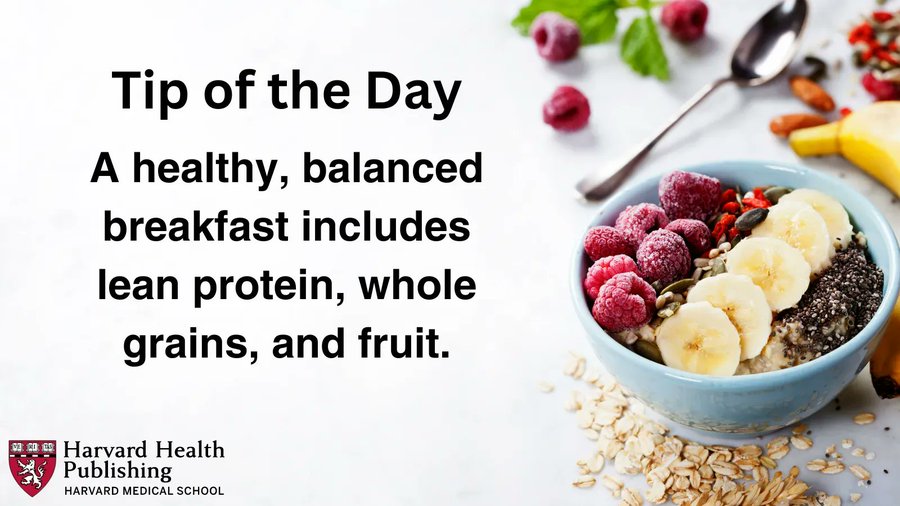
Eating a variety of nutritious foods can help you feel fuller longer and carry you through to lunch. @ClevelandClinic #Breakfast

The term “breakfast” means breaking the fast. And at some point in our day, all of us do that, whether it’s at 7 a.m. or noon. Ideally, the recommendation is to put some food in your belly within two hours of getting up for the day.

To keep your eyes from going half-mast by 10… pic.twitter.com/yqirYsxd8I

— Cleveland Clinic (@ClevelandClinic) March 11, 2024
Posted on August 12, 2024

Milk really does do a body good. It’s high in calcium, vitamin D and potassium. And it’s also rich in a beneficial protein called casein! @ClevelandClinic

Protect and build muscle while getting essential amino acids and calcium with this protein

Milk really does do a body good. It’s high in calcium, vitamin D and potassium. And it’s also rich in a beneficial protein called casein (pronounced ”KAY-seen“).

If you’re a regular dairy milk drinker, you’re already getting some benefits of casein. But you may want to consider adding more casein to your diet. Athletes and bodybuilders have been using casein protein powder for years. But the benefits of casein aren’t just for pro sports players.

“Protein is a vital part of any balanced diet,” says registered dietitian Elyse Homan, RD, LD. “But different proteins have different effects. Understanding how each protein works is beneficial, especially if you’re supplementing with it.”

What is casein?

Casein is the main protein found in dairy milk, which includes the milk from:

  • Cows.
  • Goats.
  • Sheep.

Casein makes up about 80% of the protein found in milk. The other 20% comes from whey protein.

“When you think of curds and whey,” Homan says, “the solid part is casein protein, and the liquid part is whey protein.”

Getting enough protein is important because protein has many jobs. It has to:

  • Carry out chemical reactions (like digestion).
  • Help your tissues and organs change and grow as needed.
  • Protect your body from viruses and bacteria.
  • Support your body’s movement by providing cell structure.

Casein vs. whey

Casein and whey have a lot in common. They’re both:

  • Animal-based proteins.
  • Complete proteins — they contain all the amino acids your body needs.
  • Excellent sources of calcium.
  • Found in dairy milk.

The main difference is that casein is a slower-digesting protein than whey. “Casein forms a gel-like substance in your stomach,” Homan explains. “It releases more slowly than other proteins and takes longer for your body to absorb.”

Casein protein benefits

Getting the recommended daily amount of protein helps you stay healthy. But casein’s slow absorption also gives it some added advantages. The health benefits of casein include:

1. Gives you all the essential amino acids

Amino acids combine to form proteins. There are 20 amino acids that your body needs to work correctly, and they join in various ways to create different proteins.

Your body makes some of the amino acids it needs, but there are nine essential amino acids that your body can’t produce — you must get them from food. Casein is a complete protein and has all nine essential amino acids.

2. Reduces muscle breakdown

Your cells rely on regular “feedings” of amino acids to continually make proteins. When you go without eating overnight or during an extended fast, your cells may not get the needed amino acids. As a result, they look for those amino acids elsewhere and break down your body’s muscles to get them.

As a slow-release protein, casein provides your cells with the amino acids they need over a long period. The slow absorption consistently feeds your cells with amino acids, allowing muscles to recover instead of breaking down.

3. Promotes muscle growth

Casein contains a high amount of leucine, an amino acid that regulates metabolism (how your body changes food into energy) and helps build and repair muscles. If you don’t typically consume a lot of protein, adding more leucine-heavy protein to your diet (like casein) can help your muscles grow when also engaging in regular exercise.

4. Provides a good source of calcium

The casein in milk is a good source of calcium, which is essential for teeth and bone health. Not getting enough calcium can lead to a loss of bone mass and increase your risk of osteoporosis (a disease that weakens your bones).

Casein protein powder may contain up to 50% of your recommended calcium intake — but always check the label to make sure that the protein powder is a good source of calcium.

How casein protein powder can help

Casein protein’s general health benefits are good for everyone. But using casein protein powder ensures you’ll get a more significant amount of casein each day. Talk to your healthcare provider about taking casein protein powder for:

Weight loss

A high-protein diet can help you shed excess pounds and maintain a healthy weight. Protein can help you feel full and improve your satisfaction after the meal.

Different types of proteins affect you differently after you eat them:

  • Whey protein, which you absorb quickly, makes you feel full immediately after ingesting it.
  • Casein’s slow rate of release helps you feel fuller longer.

One study found that participants who consumed casein protein powder before a meal ate less at that meal than people who had whey protein, egg albumin (made from egg whites) or water alone.

“Our bodies only absorb so much protein at one time,” Homan clarifies. “About 30 grams of protein per meal is a good amount to consume. If you plan to have more than one serving of casein powder daily, space it out.” It may help you stave off cravings and decrease snacking between meals, too.

Overnight muscle growth and recovery

Bodybuilders and athletes know that protein is key for building muscle. But keeping your body’s protein levels up overnight can be challenging. That is, unless you ingest casein immediately before going to sleep.

Research shows that consuming casein protein before bed balances your body’s protein level throughout the night. When your protein level stays consistent, muscles can continue to grow and recover — even though you’re not eating.

What to consider before taking casein

For most people, casein doesn’t cause any side effects. But Homan says certain people may need to avoid or limit casein if they have a condition such as:

Casein allergy

If you have a milk allergy, the proteins in milk trigger your immune system and cause it to overreact. People with a milk allergy are allergic to casein, whey or both.

A severe allergy can cause anaphylaxis. More mild symptoms of a milk allergy include:

  • Diarrhea.
  • Hives.
  • Itching.
  • Nausea or vomiting.
  • Rash.
  • Stomach pain.

“Casein allergies are not as common in adults as in children, but they do exist,” notes Homan. If you suspect you have a milk allergy, an allergist can do a test to figure out what you’re allergic to.

Lactose intolerance

Like all dairy products, casein contains the sugar lactose. If you have lactose intolerance, your small intestine can’t digest milk sugar. When you have dairy products, you may develop symptoms including:

  • Bloating.
  • Diarrhea.
  • Gas or gas pain.
  • Nausea and vomiting.
  • Stomach pain.

“Casein supplements do have lower amounts of lactose,” Homan states. “If you’d like to include casein in your diet but have a lactose sensitivity, the supplement might not trigger it. Talk to your healthcare provider if you’re interested in taking a supplement.”

Protein restrictions

People with kidney disease often need to limit their protein. Too much protein can cause too much waste in your blood. If your kidneys can’t remove the waste, the buildup of toxins can lead to serious health complications.

“People with a protein restriction, such as those with kidney disease, don’t have to avoid casein,” Homan says. “But they do need to watch how much total protein they eat. Your healthcare provider can help you figure out the right amount.”

Sources of casein protein

There are two ways you can add casein to your diet:

Casein supplements

A powdered casein supplement can help you get high amounts of it, according to Homan. The most common form of casein powder is micellar casein, or you can get a rapidly absorbing type (casein hydrolysate). One serving typically contains 24 to 27 grams of protein. Mix with water to create a protein shake, or add it to smoothies, yogurt or baked goods.

“People looking to build muscle or get more protein in their diet should talk to their healthcare provider about adding casein,” she adds. “Supplementing with casein isn’t necessary if you have a healthy, balanced diet, but it can be helpful for some people.”

The U.S. Food and Drug Administration doesn’t regulate supplements. So, it’s a good idea to look for a casein supplement that underwent third-party testing. It’s usually a sign of a higher quality product.

Casein food sources

Anyone can benefit from casein, and you and your family probably already get it from the dairy products you consume, such as:

  • Butter.
  • Cheese.
  • Ghee.
  • Ice cream.
  • Infant formula.
  • Milk.
  • Yogurt.

“Adding a dairy product to your breakfast is an easy way to get some casein every day,” Homan encourages. One glass of milk has 8 grams of protein — 6.4 grams (80%) of that protein is casein. “It’s great to start your day with a good protein source.”FACEBOOK

Posted on August 7, 2024

Core exercises improve your balance and stability @mayoclinicsport

mayo core exercises tw 10616

  •  
    Mayo Clinic Sports ‏@mayoclinicsport Jun 4

    Core exercises improve your balance and stability. #GetStrong http://mayocl.in/25h7HTe 


Posts pagination

Previous page Page 1 … Page 46 Page 47 Page 48 … Page 118 Next page

Tags

  • Alcohol
  • Cleveland Clinic
  • Depression
  • diet
  • exercise
  • Female health
  • fitness
  • Harvard Health
  • Healthaware
  • heartaware
  • heart health
  • nutrition
  • physical activity
  • physiotherapy
  • yoga

Recent Posts

  • Cranberry Orange Muffins @MayoClinic
  • The health of mothers and babies is the foundation of healthy families and communities, helping ensure hopeful futures for us all. @WHO
  • Happy 😀 first day of National Physiotherapy Month! 🏋‍♀️ 🏃💪
  • World Maternal Mental Health Day @HSECH07
  • Recipe: Raspberry Chive Salad @ClevelandClinic. A salad combination you may not have thought of, but will now be hooked on
  • Take care of yourself — Reduce stress, rest when possible, hydrate and eat a balanced diet with an extra 500 calories a day @ClevelandClinic
  • Holidays because it’s the hardest work you have ever done @motherandbaby
  • “Drinking alcohol causes liver disease. There is a direct link between alcohol and fatal cancers” Label on bottle of Elvaro wine in Dublin pub restaurant today
  • Recipe: Sauteed Veggies with Avocado & Poached Eggs @ClevelandClinic
  • Chronic Lower-Back Pain. Physical therapy focused on core strengthening is one of the most effective treatments. #depression
  • Running is good for you  👍🙏  #BlackrockHealth
  • “Wellness Coach Training: Podcast Pairing: Healthy Aging with Exercise and Bone Health” @MayoClinicPMR
  • 8 Yoga Poses For a Strong Core
  • Staying hydrated is one of the most important things you can do for your overall health @ClevelandClinic
  • Are your kids interested in sports or just want to feel stronger? @MayoClinic #physicalactivity
  • Recipe: Oats and Honey Bread @ClevelandClinic
  • “Love comes in many forms, but all of them soothe loneliness.”
  • Add more exercise into your day @HarvardHealth #physicaltherapy
  • Intuitive eating is an approach to food that focuses on identifying and trusting your hunger cues @ClevelandClinic
  • The Physical Therapist
Blog at WordPress.com.
  • Subscribe Subscribed
    • Healthaware
    • Join 1,723 other subscribers
    • Already have a WordPress.com account? Log in now.
    • Healthaware
    • Subscribe Subscribed
    • Sign up
    • Log in
    • Report this content
    • View site in Reader
    • Manage subscriptions
    • Collapse this bar

Loading Comments...