Alcohol heightens the risk of dehydration @ClevelandClinic #sugarysweeteners


Cleveland Clinic

@ClevelandClinic
·


What to know before grabbing an ice-cold beer to beat the heat:

It’s a warm summer day and you’re hanging out with friends and family for the first time in over a year, celebrating being vaccinated and just being together. And to help beat the heat, you reach in the cooler for an ice-cold beer.

While that might be refreshing at the moment, though, there’s good reason to grab some water, too. The heat of summer can be brutal, sometimes, and its effects are amplified when you’ve had a little too much alcohol.

To better understand the risks you face when drinking alcohol during this hot vaccine summer, we spoke with registered dietitian Julia Zumpano, RD.

The biggest danger: dehydration

Whenever you’re outside in the heat for prolonged periods – like at the beach or picnic – you’re at risk of dehydration. Consuming alcohol only heightens that risk.

Alcohol reduces the release of the hormone vasopressin, which keeps your body fluids balanced. At the same time, alcohol is also a diuretic which means more urinating and that can lead to dehydration even without the heat. Add in all that sweat from the hot sun and it’s a recipe for dehydration disaster.

One thing Zumprano points out, too, is that caffeine – whether via coffee, soda or as a mixer for liquor – heightens that dehydration risk even further.

Dehydration can also compound certain aspects of intoxication, she notes. “Altered thinking, altered abilities to drive and make reasonable decisions or even just to have conversations are all things that intoxication can cause.”

Liquor versus beer: Is one worse than the other in the heat?

Given that alcohol content is usually higher in spirits than in your average beer, it makes sense that drinking beer instead of mixed drinks might help you avoid dehydration. But the reality is a little more complex, according to Zumpano.

“If you’re consuming liquor at a volume equivalent to the volume of beer, like 12 ounces of margaritas compared to 12 ounces of an average beer, you will get drunk a lot quicker,” she says. “But if you’re drinking what’s considered an alcoholic drink equivalent, there’s not much of a difference because your alcohol intake is the same.”

According to the National Institute of Health, one alcoholic drink equivalent, also referred to as a “standard drink,” contains around 14 grams of pure alcohol. By those measurements, an average 12-ounce can of beer contains the same amount of alcohol as a 5-ounce glass of wine or a typical shot of distilled spirits like rum, vodka, gin or whiskey.

One thing to keep an eye on, though, is the alcoholic content of your beer. While major brands generally run between 4% and 5% alcohol per 12-ounce can or bottle, certain styles of craft beer are as much as 9% alcohol per the same volume. In other words, one can of your favorite local IPA delivers almost twice the amount of alcohol to your system. 

Beware a false sense of hydration

Another mistake you should avoid, Zumpano says, is thinking that drinking all that liquid rehydrates you. “If you’re drinking a lot of beer or alcoholic seltzer, it can feel like you’re drinking a lot of liquid and staying hydrated, but the alcohol offsets that because it’s the dehydrating factor,” she points out.

Not that drinking mixed drinks is any better, according to Zumpano. “If you’re drinking a sugary, sweet mixed drink, you run into the same thing. It feels like you’re staying hydrated because they go down so much smoother than drinking spirits on the rocks. But it’s the same effect as with beer: The alcohol is still dehydrating you unless you’re also drinking enough water.”

Sugar, the hidden villain

All of these drinks have other adverse health effects, too. They can pack a bunch of calories into a single serving – as many as 400 to 500 calories in some mixed drinks and craft beers – and they can come loaded with carbs.

There’s more, though. “If you’re drinking high sugar, high caloric intake beverages and you’re drinking a lot of them, they can be very filling,” Zumpano says. If you’re feeling full, you might not eat any food which can otherwise help absorb some of the alcohol.

How to counter dehydration: water, water, water

So what can you do to avoid dehydration troubles when you’re sipping your favorite boozy beverage by the pool? “To counteract the dehydration risk of alcohol,” Zumpano says, “drink 8 to 12 ounces of water for every alcoholic drink. It slows your intake, keeps you hydrated and can mitigate negative hangover effects.”

She suggests keeping a reusable water bottle with you that you can refill as the day goes on, taking time to drink the necessary water between beers or margaritas. Another option is to buy a pack of 8-ounce bottles of water and alternate with your booze. And you can always infuse your water with fruit to keep it flavorful.

“It’s also important to know what your trigger for over-consumption is,” she adds. “If you’re triggered by over-consuming beer or alcoholic seltzer, you want to be mindful of that. Try to switch a drink you have better control of and keep the water bottle handy.”
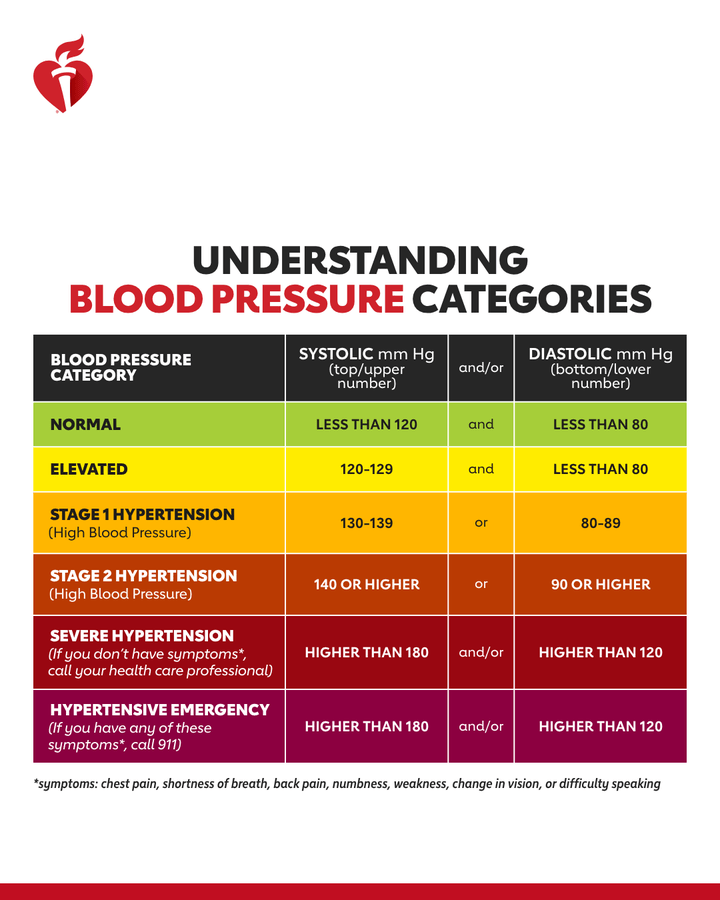

New High Blood Pressure Guidelines @American_Heart

Get your blood pressure checked at least once a year and understand what the numbers mean. Severe high blood pressure combined with symptoms such as chest pain or trouble speaking may be a hypertensive emergency, according to the new high blood pressure guideline, and you should call 911 immediately.

Nutrition Assures Sound Health @ClevelandClinic #Watermelon

Registered dietitian Lara Whitson, RD, LD, shares how watermelon is actually healthy for you, along with five watermelon recipes.

Is watermelon healthy?

Watermelon is 92% water. No surprise there, considering it’s in the name. But more than keeping you hydrated during hot summer days, watermelon has a number of other health benefits. It’s packed with antioxidants like lycopene that can help protect against chronic diseases like diabetes and cardiovascular disease.

And when eaten regularly as part of a healthy balanced diet, it can help make you feel fuller longer. With a low amount of calories, sodium and cholesterol, alongside higher amounts of calcium, vitamin C and magnesium, watermelon is one fruit you don’t want to miss out on year-round. Even the rind and its seeds offer some benefits.

“You can stir-fry the rinds with other vegetables and add spices to the seeds, like you might do with pumpkin seeds, for an easy and healthful snack,” says Whitson.

Watermelon basil granita

This shaved ice dessert gets a fruity twist with watermelon chunks. It also pulls in star ingredients like fresh lime juice and basil leaves, which offer their own health benefits for a refreshing mid-afternoon sweet escape.

A bowl of watermelon salad with feta cheese, herbs and sliced almonds

Watermelon, tomato and herb salad with feta

Calorie-conscious dishes can still go big on flavor. This refreshing salad, perfect for picnics and cookouts, pairs watermelon with tomatoes bountiful in benefits, alongside red wine vinegar, fresh mint, almonds and feta cheese.

Slices of lemon, lime, watermelon and strawberries in a glass of water

Fresh watermelon fruit smoothie

This is just one of several ways to crank up your chill summer drinks: Puree 1-1 1/2 cups chopped watermelon with 1 cup ice and a little water or fresh juice for a sip-worthy smoothie as you soak in the sun.

A salad in a white bowl containing watermelon, tomatoes, corn, cucumbers and almonds

Watermelon salad with cucumber, tomato and almonds

This recipe doubles down on the use of veggies by incorporating beefsteak tomatoes, cucumber, a fresh ear of corn and basil, along with a hearty serving of watermelon for a subtly sweet finish.

fruit spring rolls

Fruit salad spring rolls

Not only is this sweet snack filling, but it also puts a dessert-like twist on classic Vietnamese and Thai spring rolls. By wrapping julienned watermelon, green apple and pineapple in spring roll wrappers made from rice paper, and creating a dipping sauce with Greek yogurt and tahini, this recipe makes for a great palate cleanser for any summer cookout.

Milk really does do a body good. It’s high in calcium, vitamin D and potassium. And it’s also rich in a beneficial protein called casein! @ClevelandClinic

Protect and build muscle while getting essential amino acids and calcium with this protein

Milk really does do a body good. It’s high in calcium, vitamin D and potassium. And it’s also rich in a beneficial protein called casein (pronounced ”KAY-seen“).

If you’re a regular dairy milk drinker, you’re already getting some benefits of casein. But you may want to consider adding more casein to your diet. Athletes and bodybuilders have been using casein protein powder for years. But the benefits of casein aren’t just for pro sports players.

“Protein is a vital part of any balanced diet,” says registered dietitian Elyse Homan, RD, LD. “But different proteins have different effects. Understanding how each protein works is beneficial, especially if you’re supplementing with it.”

What is casein?

Casein is the main protein found in dairy milk, which includes the milk from:

  • Cows.
  • Goats.
  • Sheep.

Casein makes up about 80% of the protein found in milk. The other 20% comes from whey protein.

“When you think of curds and whey,” Homan says, “the solid part is casein protein, and the liquid part is whey protein.”

Getting enough protein is important because protein has many jobs. It has to:

  • Carry out chemical reactions (like digestion).
  • Help your tissues and organs change and grow as needed.
  • Protect your body from viruses and bacteria.
  • Support your body’s movement by providing cell structure.

Casein vs. whey

Casein and whey have a lot in common. They’re both:

  • Animal-based proteins.
  • Complete proteins — they contain all the amino acids your body needs.
  • Excellent sources of calcium.
  • Found in dairy milk.

The main difference is that casein is a slower-digesting protein than whey. “Casein forms a gel-like substance in your stomach,” Homan explains. “It releases more slowly than other proteins and takes longer for your body to absorb.”

Casein protein benefits

Getting the recommended daily amount of protein helps you stay healthy. But casein’s slow absorption also gives it some added advantages. The health benefits of casein include:

1. Gives you all the essential amino acids

Amino acids combine to form proteins. There are 20 amino acids that your body needs to work correctly, and they join in various ways to create different proteins.

Your body makes some of the amino acids it needs, but there are nine essential amino acids that your body can’t produce — you must get them from food. Casein is a complete protein and has all nine essential amino acids.

2. Reduces muscle breakdown

Your cells rely on regular “feedings” of amino acids to continually make proteins. When you go without eating overnight or during an extended fast, your cells may not get the needed amino acids. As a result, they look for those amino acids elsewhere and break down your body’s muscles to get them.

As a slow-release protein, casein provides your cells with the amino acids they need over a long period. The slow absorption consistently feeds your cells with amino acids, allowing muscles to recover instead of breaking down.

3. Promotes muscle growth

Casein contains a high amount of leucine, an amino acid that regulates metabolism (how your body changes food into energy) and helps build and repair muscles. If you don’t typically consume a lot of protein, adding more leucine-heavy protein to your diet (like casein) can help your muscles grow when also engaging in regular exercise.

4. Provides a good source of calcium

The casein in milk is a good source of calcium, which is essential for teeth and bone health. Not getting enough calcium can lead to a loss of bone mass and increase your risk of osteoporosis (a disease that weakens your bones).

Casein protein powder may contain up to 50% of your recommended calcium intake — but always check the label to make sure that the protein powder is a good source of calcium.

How casein protein powder can help

Casein protein’s general health benefits are good for everyone. But using casein protein powder ensures you’ll get a more significant amount of casein each day. Talk to your healthcare provider about taking casein protein powder for:

Weight loss

high-protein diet can help you shed excess pounds and maintain a healthy weight. Protein can help you feel full and improve your satisfaction after the meal.

Different types of proteins affect you differently after you eat them:

  • Whey protein, which you absorb quickly, makes you feel full immediately after ingesting it.
  • Casein’s slow rate of release helps you feel fuller longer.

One study found that participants who consumed casein protein powder before a meal ate less at that meal than people who had whey protein, egg albumin (made from egg whites) or water alone.

“Our bodies only absorb so much protein at one time,” Homan clarifies. “About 30 grams of protein per meal is a good amount to consume. If you plan to have more than one serving of casein powder daily, space it out.” It may help you stave off cravings and decrease snacking between meals, too.

Overnight muscle growth and recovery

Bodybuilders and athletes know that protein is key for building muscle. But keeping your body’s protein levels up overnight can be challenging. That is, unless you ingest casein immediately before going to sleep.

Research shows that consuming casein protein before bed balances your body’s protein level throughout the night. When your protein level stays consistent, muscles can continue to grow and recover — even though you’re not eating.

What to consider before taking casein

For most people, casein doesn’t cause any side effects. But Homan says certain people may need to avoid or limit casein if they have a condition such as:

Casein allergy

If you have a milk allergy, the proteins in milk trigger your immune system and cause it to overreact. People with a milk allergy are allergic to casein, whey or both.

A severe allergy can cause anaphylaxis. More mild symptoms of a milk allergy include:

“Casein allergies are not as common in adults as in children, but they do exist,” notes Homan. If you suspect you have a milk allergy, an allergist can do a test to figure out what you’re allergic to.

Lactose intolerance

Like all dairy products, casein contains the sugar lactose. If you have lactose intolerance, your small intestine can’t digest milk sugar. When you have dairy products, you may develop symptoms including:

“Casein supplements do have lower amounts of lactose,” Homan states. “If you’d like to include casein in your diet but have a lactose sensitivity, the supplement might not trigger it. Talk to your healthcare provider if you’re interested in taking a supplement.”

Protein restrictions

People with kidney disease often need to limit their protein. Too much protein can cause too much waste in your blood. If your kidneys can’t remove the waste, the buildup of toxins can lead to serious health complications.

“People with a protein restriction, such as those with kidney disease, don’t have to avoid casein,” Homan says. “But they do need to watch how much total protein they eat. Your healthcare provider can help you figure out the right amount.”

Sources of casein protein

There are two ways you can add casein to your diet:

Casein supplements

A powdered casein supplement can help you get high amounts of it, according to Homan. The most common form of casein powder is micellar casein, or you can get a rapidly absorbing type (casein hydrolysate). One serving typically contains 24 to 27 grams of protein. Mix with water to create a protein shake, or add it to smoothies, yogurt or baked goods.

“People looking to build muscle or get more protein in their diet should talk to their healthcare provider about adding casein,” she adds. “Supplementing with casein isn’t necessary if you have a healthy, balanced diet, but it can be helpful for some people.”

The U.S. Food and Drug Administration doesn’t regulate supplements. So, it’s a good idea to look for a casein supplement that underwent third-party testing. It’s usually a sign of a higher quality product.

Casein food sources

Anyone can benefit from casein, and you and your family probably already get it from the dairy products you consume, such as:

  • Butter.
  • Cheese.
  • Ghee.
  • Ice cream.
  • Infant formula.
  • Milk.
  • Yogurt.

“Adding a dairy product to your breakfast is an easy way to get some casein every day,” Homan encourages. One glass of milk has 8 grams of protein — 6.4 grams (80%) of that protein is casein. “It’s great to start your day with a good protein source.”FACEBOOK

Milk really does do a body good. It’s high in calcium, vitamin D and potassium. And it’s also rich in a beneficial protein called casein! @ClevelandClinic

Protect and build muscle while getting essential amino acids and calcium with this protein

Milk really does do a body good. It’s high in calcium, vitamin D and potassium. And it’s also rich in a beneficial protein called casein (pronounced ”KAY-seen“).

If you’re a regular dairy milk drinker, you’re already getting some benefits of casein. But you may want to consider adding more casein to your diet. Athletes and bodybuilders have been using casein protein powder for years. But the benefits of casein aren’t just for pro sports players.

“Protein is a vital part of any balanced diet,” says registered dietitian Elyse Homan, RD, LD. “But different proteins have different effects. Understanding how each protein works is beneficial, especially if you’re supplementing with it.”

What is casein?

Casein is the main protein found in dairy milk, which includes the milk from:

  • Cows.
  • Goats.
  • Sheep.

Casein makes up about 80% of the protein found in milk. The other 20% comes from whey protein.

“When you think of curds and whey,” Homan says, “the solid part is casein protein, and the liquid part is whey protein.”

Getting enough protein is important because protein has many jobs. It has to:

  • Carry out chemical reactions (like digestion).
  • Help your tissues and organs change and grow as needed.
  • Protect your body from viruses and bacteria.
  • Support your body’s movement by providing cell structure.

Casein vs. whey

Casein and whey have a lot in common. They’re both:

  • Animal-based proteins.
  • Complete proteins — they contain all the amino acids your body needs.
  • Excellent sources of calcium.
  • Found in dairy milk.

The main difference is that casein is a slower-digesting protein than whey. “Casein forms a gel-like substance in your stomach,” Homan explains. “It releases more slowly than other proteins and takes longer for your body to absorb.”

Casein protein benefits

Getting the recommended daily amount of protein helps you stay healthy. But casein’s slow absorption also gives it some added advantages. The health benefits of casein include:

1. Gives you all the essential amino acids

Amino acids combine to form proteins. There are 20 amino acids that your body needs to work correctly, and they join in various ways to create different proteins.

Your body makes some of the amino acids it needs, but there are nine essential amino acids that your body can’t produce — you must get them from food. Casein is a complete protein and has all nine essential amino acids.

2. Reduces muscle breakdown

Your cells rely on regular “feedings” of amino acids to continually make proteins. When you go without eating overnight or during an extended fast, your cells may not get the needed amino acids. As a result, they look for those amino acids elsewhere and break down your body’s muscles to get them.

As a slow-release protein, casein provides your cells with the amino acids they need over a long period. The slow absorption consistently feeds your cells with amino acids, allowing muscles to recover instead of breaking down.

3. Promotes muscle growth

Casein contains a high amount of leucine, an amino acid that regulates metabolism (how your body changes food into energy) and helps build and repair muscles. If you don’t typically consume a lot of protein, adding more leucine-heavy protein to your diet (like casein) can help your muscles grow when also engaging in regular exercise.

4. Provides a good source of calcium

The casein in milk is a good source of calcium, which is essential for teeth and bone health. Not getting enough calcium can lead to a loss of bone mass and increase your risk of osteoporosis (a disease that weakens your bones).

Casein protein powder may contain up to 50% of your recommended calcium intake — but always check the label to make sure that the protein powder is a good source of calcium.

How casein protein powder can help

Casein protein’s general health benefits are good for everyone. But using casein protein powder ensures you’ll get a more significant amount of casein each day. Talk to your healthcare provider about taking casein protein powder for:

Weight loss

high-protein diet can help you shed excess pounds and maintain a healthy weight. Protein can help you feel full and improve your satisfaction after the meal.

Different types of proteins affect you differently after you eat them:

  • Whey protein, which you absorb quickly, makes you feel full immediately after ingesting it.
  • Casein’s slow rate of release helps you feel fuller longer.

One study found that participants who consumed casein protein powder before a meal ate less at that meal than people who had whey protein, egg albumin (made from egg whites) or water alone.

“Our bodies only absorb so much protein at one time,” Homan clarifies. “About 30 grams of protein per meal is a good amount to consume. If you plan to have more than one serving of casein powder daily, space it out.” It may help you stave off cravings and decrease snacking between meals, too.

Overnight muscle growth and recovery

Bodybuilders and athletes know that protein is key for building muscle. But keeping your body’s protein levels up overnight can be challenging. That is, unless you ingest casein immediately before going to sleep.

Research shows that consuming casein protein before bed balances your body’s protein level throughout the night. When your protein level stays consistent, muscles can continue to grow and recover — even though you’re not eating.

What to consider before taking casein

For most people, casein doesn’t cause any side effects. But Homan says certain people may need to avoid or limit casein if they have a condition such as:

Casein allergy

If you have a milk allergy, the proteins in milk trigger your immune system and cause it to overreact. People with a milk allergy are allergic to casein, whey or both.

A severe allergy can cause anaphylaxis. More mild symptoms of a milk allergy include:

“Casein allergies are not as common in adults as in children, but they do exist,” notes Homan. If you suspect you have a milk allergy, an allergist can do a test to figure out what you’re allergic to.

Lactose intolerance

Like all dairy products, casein contains the sugar lactose. If you have lactose intolerance, your small intestine can’t digest milk sugar. When you have dairy products, you may develop symptoms including:

“Casein supplements do have lower amounts of lactose,” Homan states. “If you’d like to include casein in your diet but have a lactose sensitivity, the supplement might not trigger it. Talk to your healthcare provider if you’re interested in taking a supplement.”

Protein restrictions

People with kidney disease often need to limit their protein. Too much protein can cause too much waste in your blood. If your kidneys can’t remove the waste, the buildup of toxins can lead to serious health complications.

“People with a protein restriction, such as those with kidney disease, don’t have to avoid casein,” Homan says. “But they do need to watch how much total protein they eat. Your healthcare provider can help you figure out the right amount.”

Sources of casein protein

There are two ways you can add casein to your diet:

Casein supplements

A powdered casein supplement can help you get high amounts of it, according to Homan. The most common form of casein powder is micellar casein, or you can get a rapidly absorbing type (casein hydrolysate). One serving typically contains 24 to 27 grams of protein. Mix with water to create a protein shake, or add it to smoothies, yogurt or baked goods.

“People looking to build muscle or get more protein in their diet should talk to their healthcare provider about adding casein,” she adds. “Supplementing with casein isn’t necessary if you have a healthy, balanced diet, but it can be helpful for some people.”

The U.S. Food and Drug Administration doesn’t regulate supplements. So, it’s a good idea to look for a casein supplement that underwent third-party testing. It’s usually a sign of a higher quality product.

Casein food sources

Anyone can benefit from casein, and you and your family probably already get it from the dairy products you consume, such as:

  • Butter.
  • Cheese.
  • Ghee.
  • Ice cream.
  • Infant formula.
  • Milk.
  • Yogurt.

“Adding a dairy product to your breakfast is an easy way to get some casein every day,” Homan encourages. One glass of milk has 8 grams of protein — 6.4 grams (80%) of that protein is casein. “It’s great to start your day with a good protein source.”FACEBOOK

Fatigue is real and you’re not alone – Anna Mathur

The invisible workload of parenting can leave you stuck in mental loops:

🍼 “Which nappy cream again?”
🥦 “Is this snack okay?”
📱 “Should I Google that rash one more time?”

Anna Mathur reminds us: decision fatigue is real, and you’re not alone. Tap the link in our bio to learn more about how you can tackle decision fatigue and how Anna’s new book The Good Decision Diary can help.

Intuitive eating is an approach to food that focuses on identifying and trusting your hunger cues @ClevelandClinic