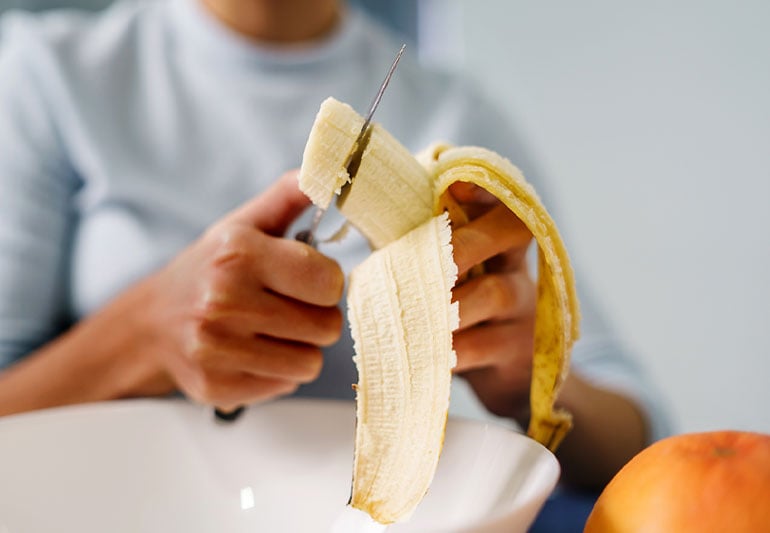
Muscles in your body are a use-or-lose proposition. You need to use them to keep them strong!@ClevelandClinic

cleveland muscles

Cleveland Clinic
@ClevelandClinic

Muscles in your body are a use-or-lose proposition. You need to use them to keep them strong!

You may not realize it, but we all start losing 1 percent of muscle mass each year after age 30. That’s why your diet in later years should not look the same as it did when you were younger, says endocrinologist Susan Williams, MD.

Skipping breakfast, eating fast food and being inactive in your 20s and early 30s might not hurt your health in the short term. However, poor nutrition and lifestyle habits take their toll over time.

People who embrace good habits early on really get ahead of the game, Dr. Williams says. But it’s never too late to start eating better and taking better care of your body.

Whether you’re 30 or 50, Dr. Williams offers three important tips to get started in eating right when you are thinking about your long-term health.

RELATED: Do You Know How Much Exercise You Really Need? 

1. Keep your weight in check

A roller coaster of weight gain and loss can change your body composition and leave you with more fat mass and less lean muscle mass.

2. Eat three balanced meals a day

You also want to limit your snacks in between. The word “balanced” is especially important because eating a wide variety of foods will help you prevent nutritional deficiencies.

Dr. Williams suggests this simple shopping list:

  • Lean proteins. Choose chicken, white fish, oily fish like salmon, eggs, tuna fish and red meat (less frequently than other protein).
  • Whole grains. This includes multigrain breads, and long-cooking rice or oats.
  • Veggies. Go for fresh or fresh frozen. Choose what’s in season and enjoy a variety to get the vitamins and minerals your body needs.
  • Fruit. Fresh fruit is best, followed by frozen. Canned fruit can be OK, but choose options in light syrup or water. Check the label and avoid added sugar.
  • Dairy. Choose milk, yogurts, cheeses and cottage cheese that are low-fat or fat-free.

Steer clear of cookies, cakes, pies, ice creams, juices and rich desserts. If that sounds like no fun, Dr. Williams advises treating these foods as treats. Save them for dining out or special occasions, but don’t make them part of your daily diet.

RELATED: Which Bread Is Best For You — Whole-Grain, Multigrain or Whole Wheat?

3. Use your muscles

Eating protein and being physically active are equal partners in the quest for maximum health, Dr. Williams says. Muscles are made of protein, but simply eating protein is not enough to save them.

“Muscles in your body are a use-or-lose proposition,” she says. “You need to use them to keep them strong.”

Can’t carve out time for the gym? Try this daily routine:

  1. In the morning, stretch for 10 minutes.
  2. At lunch, eat and then walk for 10 minutes.
  3. After dinner, spend 10 minutes with stretch bands or light weights.

Even a half hour of physical activity can make a world of difference, especially if you make it a habit in your 30s. “Don’t let your weight creep up while your muscle mass creeps down over your 30s and 40s,” Dr. Williams says. The longer you wait, the harder it will be to get started — and the more muscle you will have already lost.

Today is #WorldHeartDay, Professor Pat Nash, Consultant Cardiologist at Blackrock Health, explains the types of screening tests available for heart disease.

Today is #WorldHeartDay, and we are shining a light on proactive cardiac health.

Professor Pat Nash, Consultant Cardiologist at Blackrock Health, explains the types of screening tests available for heart disease.

Professor Nash always checks key factors like smoking, diet, weight, lifestyle, exercise, and blood pressure. If there’s a strong family history, a CT Calcium Score – a powerful tool for gaining deeper insights and guiding personalised prevention strategies – might be recommended for more detail.

Knowing your risks is key to a healthy heart. Explore our cardiology services and advanced screening options: https://ow.ly/M2Fu50WP841

#IrishHeartMonth#WorldHeartDay#HeartHealth#HeartScreening#PreventativeCare#BlackrockHealth#BlackrockHealthyHeart

From vitamins to minerals to fiber, bananas are good for you, with lots of nutrition to offer. Plus, they’re easy to digest. @ClevelandClinic

Some have called bananas “nature’s perfect snack,” and it’s easy to see why. The curvy yellow fruits come conveniently packaged, travel well in a lunch bag or purse and are incredibly versatile. They make a great smoothie mixer or a tasty topper on cereal or oatmeal and even have their very own category of (delicious!) muffins and bread.

Are bananas healthy?

 “Absolutely,” says registered dietitian Elyse Homan, RD, LD. “They’re full of nutrients and easy on the gut. Very few people have problems digesting bananas.”

So, what are you eating when you peel and enjoy? A medium-sized ripe banana contains:

  • 105 calories.
  • 1 gram of protein.
  • 28 grams of carbohydrates.
  • 15 grams of (natural) sugar.
  • 3 grams of fiber.
  • Less than 1 gram of fat.

Health benefits of eating bananas

From vitamins to minerals to fiber, bananas are good for you, with lots of nutrition to offer. Plus, they’re easy to digest, reiterates Homan. Here’s a breakdown of banana’s most notable nutritional benefits:

1. Fiber for improved digestion and disease prevention

With 3 grams (g) of fiber, a banana supplies nearly 10% of what you need in a day, based on a 2,000-calorie daily diet, according to the U.S. Department of Agriculture (USDA) dietary guidelines.

You hear “fiber” and probably automatically think of digestion. It’s true — fiber is great for your gut. It helps keep things moving in your intestines, and most of us probably need to eat more.

But fiber also impacts your health in other ways. Researchers who looked at data from nearly 200 studies found that people who ate 25 to 29 g of fiber a day had up to a 30% decreased risk of:

  • Colorectal cancer.
  • Heart disease.
  • High blood pressure.
  • High cholesterol.
  • Stroke.
  • Type 2 diabetes.

2. Vitamin C for better immune health

Vitamin C (ascorbic acid) is a nutrient that helps your body absorb iron and boosts your immune system’s ability to fight illness. Adults need 75 to 90 milligrams (mg) per day. A banana delivers about 10 mg of vitamin C.

Vitamin C is one of many antioxidants you can get from food. Antioxidants are important because they cancel out free radicals in your body. Free radicals can build up and damage your cells, leading to disease. But antioxidants like vitamin C keep free radicals in check.

3. Vitamin B6 for improved metabolism and more

Your body needs vitamin B6 for:

  • Appetite regulation.
  • Immune system functions.
  • Metabolic processes.
  • Nervous system health.
  • Sleep regulation.

“One banana will give you one-quarter to one-third of the vitamin B6 you need in a day,” says Homan.

4. Potassium for organ health and lower blood pressure

The USDA recommended daily intake of potassium for adults is 4,700 to 5,000 mg. A banana supplies you with about 422 mg, or a little less than 10% of what you need per day.

Potassium, a mineral, does a lot for your body. It’s essential for the proper function of your:

  • Heart.
  • Kidneys.
  • Muscles.
  • Nerves.

Getting enough potassium also keeps your blood pressure in a healthy range. Potassium, which lowers blood pressure, balances out sodium, which raises blood pressure.

Homan says potassium also benefits your vascular system — the network of blood vessels and lymph vessels that run through your body’s tissues and organs — and reduces your risk of:

  • Heart disease.
  • Kidney failure.
  • Stroke.

5. Magnesium for improved blood pressure, blood sugar and more

A single medium-sized banana offers about 32 mg of the mineral magnesium, which fulfills around 8% to 10% of your daily magnesium requirement.

Magnesium is involved in many processes in your body, including:

  • Blood pressure.
  • Blood sugar levels.
  • Building proteins.
  • Maintaining bone.
  • Muscle function.
  • Nerve function.

Bananas and resistant starch

Green, or unripe, bananas are high in resistant starch. “Your body can’t digest resistant starch,” notes Homan. “Instead, it’s a prebiotic that promotes the growth of good bacteria in your colon.” Prebiotics improve digestive health and can be helpful if you’re experiencing diarrhea.

“I often hear patients say they avoid bananas since they’ve heard the fruit is too high in sugar,” says Homan. As bananas ripen, much of the resistant starch changes to sugar. But the health benefits of antioxidants and fiber outweigh the naturally occurring sugar. For those worried about blood sugar levels, pair bananas with a protein source such as peanut butter or a cheese stick for better control.

A small word of warning about unripe bananas: “If you’re not used to eating resistant starch, start slowly to let your body get used to it. Some people can experience constipation, gas and bloating at first,” adds Homan.

Another plus of this fruit? In addition to all the health benefits of bananas, they’re less expensive than many other fruits.

Blackrock Health: Nutrition critical to Sound Health

On World Health Day, we are emphasising the importance of proactive health management through informed dietary choices. Nutrition plays a critical role in preventative care, supporting overall well-being and mitigating the risk of chronic diseases.

Adopting a balanced and personalised approach to dietetics can significantly contribute to improved health outcomes.

Our team of experienced dietitians provides comprehensive nutritional assessments and tailored plans to meet individual needs. We are committed to empowering individuals to take control of their health through evidence-based dietary strategies.

Learn more about our Dietetics & Nutrition services and how we can support your health goals: https://ow.ly/mp0q50VsnLX

#WorldHealthDay#Dietetics#Nutrition#ProactiveHealth#PreventativeCare#CorporateWellness#BlackrockHealth#BetterTogether#Healthcare

Blackrock Health: Nutrition critical to Sound Health

On World Health Day, we are emphasising the importance of proactive health management through informed dietary choices. Nutrition plays a critical role in preventative care, supporting overall well-being and mitigating the risk of chronic diseases.

Adopting a balanced and personalised approach to dietetics can significantly contribute to improved health outcomes.

Our team of experienced dietitians provides comprehensive nutritional assessments and tailored plans to meet individual needs. We are committed to empowering individuals to take control of their health through evidence-based dietary strategies.

Learn more about our Dietetics & Nutrition services and how we can support your health goals: https://ow.ly/mp0q50VsnLX

#WorldHealthDay#Dietetics#Nutrition#ProactiveHealth#PreventativeCare#CorporateWellness#BlackrockHealth#BetterTogether#Healthcare

March is #Endometriosis Awareness Month at Blackrock Health

🎗️

Endometriosis abstract concept vector illustration. Endometrium dysfunctionality, gynecological clinic, endometriosis diagnostic and treatment, female reproductive function abstract metaphor.

Blackrock Health

sntSdeproo06m8a39h3661cm37379c0f3186752gl91t937c2i23f3280f4c  · 

🎗️ March is Endometriosis Awareness Month. Did you know this condition affects 1 in 10 women?

Endometriosis can cause debilitating pain, fertility issues, and significantly impact quality of life.

Megan Davenport, MISCP, Senior Physiotherapist in Pelvic Health at Blackrock Clinic, sheds light on the condition and its symptoms:

“Endometriosis can affect women at any age, from puberty to menopause, though its impact may persist throughout life. It is not just “bad period pain”—it is a long-term condition, and each person’s experience with endometriosis is different.

Women with endometriosis experience a wide range of symptoms, with the most commonly recognised including:

– Heavy periods (needing to change pads/tampons every hour or so)

– Painful periods that interfere with daily activities

– Pelvic, abdominal or back pain, sometimes radiating down the thighs

– Pain during or after sex

– Pain with urination or having a bowel motion

Fatigue, bloating and nausea can also be experienced as well as anxiety and depression.

Link to full article:

Recipe: Perfect Chocolate Chia Pudding. 🥰 Sweet mix of coconut, cherries and chocolate @ClevelandClinic

A top-down view of a chocolate smoothie bowl (thick smoothie served in a bowl with a spoon) garnished with chia seeds, large coconut flakes and cacao nibs. Healthy vegan breakfast. The smoothie portion contains banana, chocolate, almond milk and ice.

This pudding is packed with health-promoting chia seeds, almond milk, cinnamon, cocoa, coconut flakes and dried fruit. It’s the perfect chocolate treat.

Ingredients

½ cup Chia seeds
1 cup vanilla almond milk, unsweetened
1 cup 2% milk (may use all almond for non-dairy option)
1½ tablespoons honey
1 tablespoon cocoa powder, unsweetened
1 teaspoon cinnamon
1 teaspoon vanilla extract
2 tablespoons coconut flakes, unsweetened
2 tablespoons dried tart cherries, or other unsweetened dried fruit

Directions

  1. Place chia seeds, milks, honey, cocoa, cinnamon and vanilla in a glass container with a tight lid.
  2. Seal and shake well to combine. Refrigerate for at least 5 hours or overnight.
  3. Serve topped with coconut flakes and dried fruit to garnish.

Note: For a smoother texture, blend pudding in a high power blender before refrigerating. Be sure to blend well to avoid a gritty texture.

Nutrition information

Makes 6 servings

Each 1/2 cup serving contains:

Calories 140
Total fat 7g
Saturated fat 2g
Trans fat 0g
Protein 4g
Total carbohydrate 16g
Fiber 6g
Sugar 7g
Cholesterol 5mg
Sodium 150mg

https://health.clevelandclinic.org/2017/09/recipe-perfect-chocolate-chia-pudding/