https://www.instagram.com/reel/DECnHk8sxuD/?igsh=MTFmdjc4YjR4azlheg==


Health is Wealth

Shoulder pain, stiffness or weakness can make it difficult to carry out everyday tasks, like reaching for something on a high shelf, driving a car or brushing your hair. If you have pain that won’t go away, it’s time to see a doctor.
There are a number of possible causes of shoulder pain, but the most common causes of shoulder pain are rotator cuff injuries, rotator cuff tears and osteoarthritis, says orthopaedic surgeon Mark Schickendantz, MD.
The rotator cuff is a group of four muscles and their tendons that surround the shoulder joint, and connect the shoulder blade to the upper arm bone. Bursae, small sacs near the joint, provide lubricating fluid that decreases friction among the bones, tendons and ligaments.
Rotator cuff problems occur through overuse, and they include tendonitis, strains and partial and complete tears of the tendon.
Tendonitis is when the rotator cuff tendon becomes inflamed and irritated; bursitis is when the bursae swell. Tendonitis and bursitis cause pain in the front and side of the shoulder, and you might also feel some stiffness.
“These two conditions can occur with activities that involve using your arms overhead, like tennis, yoga or painting a room,” Dr. Schickendantz says. “Often the pain will be worse at rest and improve with activity.”
Treatment involves rest, applying ice, and taking nonsteroidal anti-inflammatory drugs (NSAIDs), such as ibuprofen, which is sold under the brand names Advil and Motrin, or naproxen, which is sold under the brand name Aleve. After a few weeks, most people with tendonitis recover, Dr. Schickendantz says.
If you experience shoulder pain at night that makes it difficult to fall asleep or awakens you, you may have a tear in one or more of the rotator cuff tendons.
“Night pain is the hallmark of a rotator cuff injury,” Dr. Schickendantz says.
You also may have this type of injury if you feel pain when lifting your arm overhead and weakness in the shoulder when trying to lift anything above shoulder level.
A rotator cuff tendon can tear from a single event, like falling down on an outstretched arm. It also can happen from a motion that is repeated over time. For example, a plumber who frequently uses his or her arms overhead can develop a rotator cuff tear. The rotator cuff also can weaken with age.
Treatment is rest, avoiding aggravating activities, physical therapy, applying ice, and NSAIDs. Some people with more severe pain may be helped with a corticosteroid injection, which is a powerful anti-inflammatory medication.
“I usually reserve the use of corticosteroids for someone who has severe night pain and is not responding well to oral medications,” Dr. Schickendantz says.
Surgery to repair the rotator cuff tendon is an option if these measures don’t give relief.
Osteroarthritis happens when cartilage, which is the cushioning material that covers the ends of your bones, deteriorates, which leads to pain and stiffness.
Osteoarthritis causes a deep ache in the back of the shoulder. As osteoarthritis worsens, stiffness in the shoulder develops. People with osteoarthritis typically lose the ability reach behind their back.
“Patients often say they are unable to scratch their back or thread a belt,” Dr. Schickendantz says.
Osteoarthritis symptoms develop over time. For some people, an old shoulder injury from sports or some other activity, may kick off the degenerative process that years later results in osteoarthritis. But many people have no specific cause — it’s just wear and tear over time.
Treatment for osteoarthritis of the shoulder is similar to treatment for a rotator cuff tear, involving physical therapy, NSAIDs and ice. If the condition is severe, you can undergo shoulder joint replacement surgery, which is similar to joint replacement for hips and knees.


Check-in with your care team, and focus on low-impact exercises and walking for good gains
If you’re living with advanced prostate cancer, you might be wondering exactly how far you should push yourself when it comes to physical activity and exercise. Should you take it easy and hold back? Or should you try to maintain your exercise routine?
And if you’ve had your prostate surgery or your prostate removed (prostatectomy) you may be concerned about any sort of limitations or restrictions on specific exercises to avoid further pain or injury.
Occupational therapist Maria Pickston, OTR/L, CLT, reminds us that each person’s medical history and cancer treatment is unique. So, before beginning any exercise program during recovery, it’s essential to obtain clearance from your oncologist or healthcare team.
Pickston shares some additional insight on how exercise can help with the process of recovery and why exercise is so important overall.
Your prostate is part of your pelvic floor, an area densely populated with a group of muscles and connective tissues that support the functions of your bowel, bladder and reproductive organs. Your pelvic floor muscles also aid your abdominals (core muscles) and back muscles in providing structural stability to your spine.
When we talk about prostate health, we’re most often talking about modifiable risk factors, which are the things you can do to reduce the likelihood of developing prostate cancer. But if you’re living with prostate cancer, focusing on your overall health is key and exercise is a big part of that.
“When you put the words ‘cancer’ and ‘exercise” together, it can feel like such a road block because it sounds counterintuitive to be exercising when you’re going through cancer treatment,” says Pickston.
“Years ago, people were told not to exert themselves and to take it easy. But in the last 20-plus years, we’ve had an explosion of research supporting the benefits of physical activity for cancer survivors and how exercise can improve the symptoms and side effects of chemotherapy and radiation therapy.”
Exercise can have a huge impact on your physical, mental and emotional health and increase your energy levels — all things that tend to be affected when you have surgery or are going through cancer treatments.
“Prostate cancer treatment can lead to several side effects like loss of muscle mass and physical strength, sexual dysfunction, reduced bone density, increased fatigue, and a higher risk of heart disease and diabetes,” explains Pickston.
Exercise plays a vital role in tackling these challenges and enhancing the physical outcomes of treatment.
“Current research demonstrates that exercise is safe and beneficial before, during and after cancer treatment as it improves energy levels and the overall quality of life, enabling individuals to continue enjoying the activities they love,” notes Pickston. “A physically active lifestyle not only helps in lowering the risk of various cancers, but also reduces the risk of recurrence in some cancers, including prostate cancer.”
Translation: Once you check in with your care team, don’t let your cancer diagnosis stop you from working out.
If you’re living with prostate cancer, are going through cancer treatment or have had a prostatectomy, you want to talk to your healthcare provider first to before you begin any exercise program as you may need to adhere to certain precautions during those first few weeks of recovery.
There’s no one set exercise that specifically focuses on prostate health — but if you focus on improving your overall health, increasing your heart rate, improving your blood flow and getting those endorphins going, you’ll find that those things will have significant positive impact on how you’re feeling overall and your ability to recover from your condition and treatment.
“Individuals who are physically fit or active before their cancer diagnosis are more likely to regain their previous level of functioning compared to those who lead a more sedentary lifestyle,” says Pickston.
“In oncology rehabilitation, personalized programs are designed to cater to each individual’s unique circumstances. Special considerations are taken into account, including your medical history, current fitness level, the type and stage of your cancer, and the specific cancer treatment you are having to ensure that the rehab process is both safe and effective.”
Everyone responds to cancer and cancer treatments differently. What works for someone else might not come as easily for you — and that’s OK.
“Each individual’s journey is different, and your focus should be on finding an approach that suits your specific needs and abilities, fostering progress and overall well-being,” encourages Pickston.
And don’t feel like you have to push yourself too hard — you can, and should, rest when you need it the most. Exercise doesn’t always have to be a one-hour routine, either. It can be as simple as standing up and stretching during commercial breaks, walking to the end of your driveway and back, or making sure you keep up with your daily living activities around the house like laundry, cleaning and showering.
“Just the act of walking or going up and down the stairs is something you can immediately do when you get home after prostate surgery,” says Pickston. “Be patient with yourself and avoid pushing to the point of pain or excessive discomfort or fatigue. If it’s been a while since you’ve been active or your overall fitness level is low, start slowly and gradually build. The key is to be as physically active as your current condition and abilities allow.”
Specifically, aerobic exercise (also known as cardiovascular exercise) has wide-ranging full-body benefits that can impact your heart, brain, joints, skin and muscles. It not only extends your life expectancy, but it can also decrease your blood pressure and heart rate, and increase your blood flow, which has a direct impact on your sexual function, mood, digestion and more.
The American Cancer Society recommends engaging in moderate-intensity aerobic exercise such as brisk walking, jogging, swimming, cycling for 150 to 300 minutes per week. Additionally, you’ll want to perform strength training exercises two days per week using body weight, resistance bands, dumbbells or fitness machines.
Again, if you can’t hit the ground running that fast, you can do small things to work your way back up to that routine.
“Think about all the physical activity you can do like playing with your grandkids, dancing, gardening, carrying groceries or doing chores around the house. But it’s even better if you begin to incorporate intentional exercises like brisk walking, swimming and weightlifting,” says Pickston.
“It’s crucial for those undergoing treatment to understand that exercise is the best way to treat cancer-related fatigue. As your strength and fitness improves, you can engage in meaningful activities more easily.”
One specific side effect mentioned earlier is loss of bone density, which can lead to osteoporosis, a condition where the bones become weak, less dense and more likely to increase your risk of fractures. Weight bearing exercises such as weight training, yoga, Pilates and climbing stairs are ideal for preventing bone density loss.
“Starting slowly with light weights and gradually increasing the load is key to avoid pushing too hard and experiencing pain or exhaustion,” advises Pickston. “With time and consistency, you will notice improvements in your fatigue, strength and overall health, fitness and endurance.”
Cycling is an excellent aerobic exercise, but it’s one you might want to hold off from doing at least in the early weeks after having prostate surgery. The reason is because you tend to put a lot of pressure on your sit bones and your pelvic area while cycling, and this can cause discomfort, pain and swelling if you’re not fully healed.
“You need to be sure you are cleared by your physician before initiating cycling for any amount of time first,” says Pickston. “Once you receive clearance, there are various bike seats and bike shorts available to help cushion or accommodate the perineal area, alleviating some of that pressure.”
After having prostate surgery, it’s common to experience side effects like urinary leakage and erectile dysfunction. Kegel exercises specifically are designed to help strengthen your pelvic floor muscles and reduce the likelihood of those side effects from happening as well as help quicken recovery from those side effects. These exercises are also often recommended for some people before even having surgery so their pelvic floor muscles start off having a strong foundation before going into surgery.
“Your pelvic floor is often compromised after prostate cancer treatment because surgical or radiation treatment can damage the surrounding tissues, including the muscles of the pelvic floor,” explains Pickston. “When the pelvic floor muscles are compromised, it can lead to weakness, pain and dysfunction. Seeking help from a pelvic floor physical therapist can address these issues.”
It’s also common to experience muscle tightness in your pelvic floor and surrounding muscles after treatment, and doing Kegels without proper guidance can worsen this tightness.
“A pelvic floor therapist will help to make sure you are performing your Kegels correctly and help guide you in managing areas of muscle tightness in your pelvic floor,” says Pickston. “Learning how to engage the pelvic floor muscles correctly during daily activities can significantly reduce leakage. Sometimes, just a few simple adjustments in movement can lead to dramatic improvement.”
Having overweight or obesity increases your risk for prostate cancer — but it can also provide additional complications during the recovery process in some cases.
“If you’ve had a prostatectomy, it’s normal to experience emotional ups and downs, but the important thing is that you focus on what small things you can do each day, to feel better every day,” says Pickston. “Physical activity improves both your physical and emotional health. It’s important for managing weight, maintaining or building muscle, reducing your risk of heart disease and keeping your bones strong.”
Mindfulness and meditation can improve your mood and motivation, while flexibility-focused exercises like yoga can provide additional benefits for stretching and getting your muscles moving and activated. By focusing on these low-impact exercises along with daily walking habits, you can develop an increased focus on your overall health while slowly ramping up your physical activity all in an effort to speed up your recovery from cancer.
“You want to get up, go outside and see what’s going on in your neighborhood,” encourages Pickston. “When you start exercising, your sleep improves. When your sleep improves, you’re able to heal better. And the more you can do early on, the more long-term effects you’ll experience along the way.”
Learn m



·
There are many health benefits related to abstaining from alcohol. If you’re looking to cut back or stop drinking altogether, here are 11 tips that can help. #HarvardHealth
Are you concerned about your alcohol intake? Maybe you feel that you’re drinking too much or too often. Perhaps it’s a habit you’d like to better control.
It’s always wise to check with your doctor — she should be able to help you decide whether it is best for you to cut back or to abstain. People who are dependent on alcohol, or have other medical or mental health problems, should stop drinking completely.
But many people may benefit simply by cutting back. If your doctor suggests that you curb your drinking, the National Institute on Alcohol Abuse and Alcoholism (NIAAA) suggests that the following steps may be helpful:
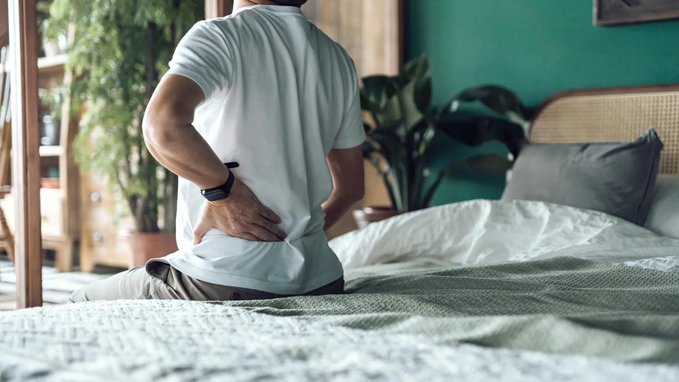
Your sleep position, immobility, mattress and underlying conditions can all cause morning back pain
There’s nothing worse than waking up on the wrong side of the bed. But it can be hard to avoid when you wake with lower back pain in the morning. A back that throbs, aches or sends shooting pain down your legs can quickly set the tone for your day.
Most people experience lower back pain at some point, and more than 20% have chronic lower back discomfort. It’s the second most common reason people in the U.S. visit their primary care provider — behind colds and flu.
Whether you experience lower back pain all day or only in the morning, understanding what’s contributing to the pain may help you fix it. Pain management specialist Tara-Lin Hollins, MD, shares what might be behind your morning back pain and offers tips to help you wake up pain-free.
Back pain and sleep have a complicated relationship. Pain can disrupt your sleep, and poor sleep can make you more likely to have higher pain. Getting to the bottom of your pain may help end the cycle.
Dr. Hollins says several factors can contribute to morning back pain.
You spend a third of your life sleeping or resting, so if your spine is out of alignment while you sleep, it can have a significant impact on your body. Your sleep position affects your alignment and may (or may not) support the natural curvature of your spine.
“It’s common to be so tired at bedtime that you fall into bed and sleep however you hit the bed,” Dr. Hollins says. “But you may not be sleeping in the best position for your spine.”
The most beneficial sleep positions for your back are on your:
Sleeping on your stomach makes you more likely to twist your neck to the side — a quick way to throw your neck and spine out of alignment.
When you sit all day at your desk without moving, it can make you stiff. Similarly, when you sleep, you’re not moving much for seven to eight hours. Lying immobile for a long period could cause you to wake up with back or hip pain.
“Our bodies are not supposed to be stagnant for multiple hours,” Dr. Hollins explains. “Stiffness can settle in, and inflammation can build up. Then, when you try to move in the morning, releasing the inflammation can be painful.”
Tricky, right? After all, you want a good night’s sleep, and lying immobile while you doze is often a sign that you got all of your ZZZs. But to avoid lower back pain, Dr. Hollins advises taking some time to stretch before you jump out of bed.
Your mattress is your main source of back support while you sleep. And your pillow ensures proper neck alignment. A mattress that’s damaged, too soft or sagging can cause your lower abdomen to sink deeper than the rest of the spine, pulling your back out of alignment.
“All too often, people opt for a soft mattress, thinking it will be more comfortable,” Dr. Hollins notes. “You don’t want a hard mattress, but it should feel firm and supportive. You shouldn’t sink into it.”
Need tips for choosing the best mattress for your back? We can help.
Some conditions or chronic diseases may put you at higher risk for morning back pain. Chronic conditions that affect both sleep and morning back pain include:
Pregnancy can also bring back pain in the morning due to:
Lifestyle changes, like achieving a healthy weight and exercising every day, are always helpful for back pain. But Dr. Hollins also recommends actions related to sleeping that may additionally help reduce or eliminate your morning back pain.
Pillows are a great way to support your back’s alignment. Your typical sleep position should guide the pillows you use:
“Look for pillows that are specific to your sleep position,” Dr. Hollins advises. “But no matter which position you use, adding pillows strategically around your body can support your spine and reduce morning pain.”
If you’re used to sleeping in the same position every night, it can be challenging to change it. But small adjustments may help:
“You want to be as comfortable as possible when you go to sleep,” Dr. Hollins says. “That way, you’ll be more likely to stay in a supportive sleep position.”
According to the Sleep Foundation, the general guideline is to replace your mattress every six to eight years. But you may need a new mattress sooner if yours is:
When choosing a new mattress, choose a “medium firm” mattress — level 6 out of 10 on the mattress firmness scale. It may reduce your back pain symptoms by nearly half.
Most people get out of bed as soon as they wake up, Dr. Hollins points out. But taking a few minutes to prepare your back for transitioning to sitting, standing and walking can help with morning back pain.
See your healthcare provider if your back pain worsens or occurs most mornings for two or three months. They can check for underlying back issues and may prescribe physical therapy.
“Don’t wait six or eight months to see your provider,” Dr. Hollins urges. “They can provide guidance about the best stretches to do, and your back will thank you.”
Grain-free, sugar-free and dairy-free

Do you miss seeing a stack of pancakes on the brunch table? Now you don’t have to. These grain-free, sugar-free, dairy-free pancakes are the perfect guilt-free treat. They’re easy to make, and the whole family will love them. Yum!
3 large omega-3 eggs
¾ cup almond milk
½ tablespoon freshly squeezed lemon juice
1 teaspoon pure vanilla extract
½ cup coconut flour
½ teaspoon baking powder
½ teaspoon baking soda
Pinch of sea salt
¼ cup roughly chopped walnuts
coconut oil, for greasing the skillet (about ¼ cup)
1 pint fresh blueberries
½ cup arrowroot
1 teaspoon cinnamon
Makes 2-3 servings.
Calories 423
Total Fat 19 g
Protein 12 g
Fiber 14 g
Sugar 14 g
Sodium 416 mg
— Recipe courtesy of Mark Hyman, MD

This savory Greek appetizer is usually made with a lot of butter and a lot of feta cheese, which is delicious, but not really heart-healthy. Our just-as-delicious recipe offers a lighter, heart-healthier alternative!
Makes 20 pieces (10 servings/2 pieces serving)
Calories: 50
Total fat: 1.5 g
Protein: 3 g
Carbohydrate: 7 g
Dietary fiber: 0 g
Cholesterol: 0 mg
Sodium: 180 mg
Potassium: 60 mg
— Cleveland Clinic Healthy Heart Lifestyle Guide and Cookbook (© 2007 Broadway Books).

·
Generally, anything that’s good for your overall health will be good for your bones, too. Being proactive about your bone health is key to making them solid and strong for the long haul. These strategies in particular can help prevent low bone density and bone loss, the longer you focus on them. 
 Healthaware