Ballybrack , Co Dublin at 4am đ€©đ with thanks to Leila


This dairy product can help you lose weight, manage blood sugar and strengthen bones
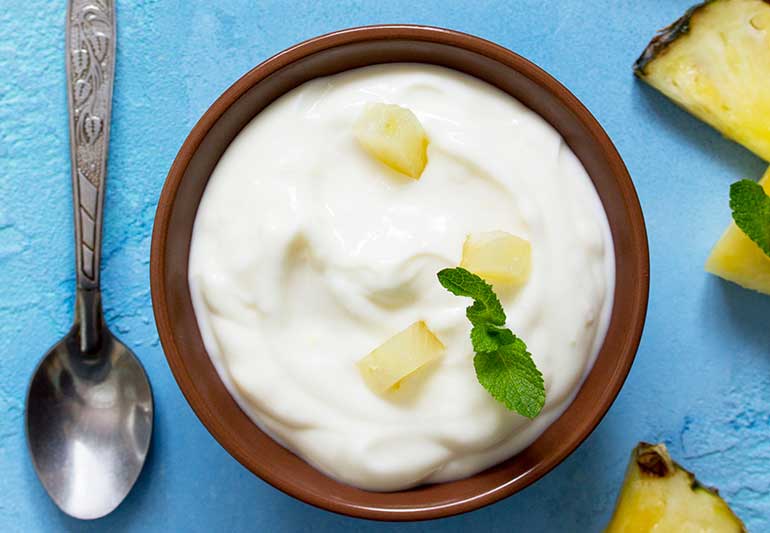
Cottage cheese doesnât typically receive a lot of attention. It gets left out from the fancy cheese counter at the grocery store. It doesnât make the cut for a charcuterie (meat and cheese) board. And it isnât typically included in recipes for favorite foods such as pizza, grilled cheese or baked ziti.
Itâs a soft, white, fresh cheese thatâs different in texture and taste than more popular cheddar, Parmesan and blue cheeses. But cottage cheese holds a prominent place in the dairy aisle for good reasons, says registered dietitian Julia Zumpano, RD, LD.
âItâs a portable food thatâs easy to add to your diet,â she says. âAnd cottage cheese offers lots of health benefits.â
As a dairy product, cottage cheese is a great calcium source, which is important for bone health. Having healthier bones makes you less likely to get osteoporosis (weak bones). Cottage cheese in your diet can even help with your blood sugar levels.
Thinking about giving cottage cheese a go? Zumpano explains what you need to know.
Cottage cheese is low in calories while providing protein and vital nutrients, Zumpano says, making it one of the healthiest cheeses you can eat. Itâs made by curdling pasteurized (sterilized) cowâs milk â when milk turns acidic, the milk protein separates and forms curds (clumps). These loose curds serve as the base for cottage cheese.
Depending on the fat content of curdled dairy milk, cottage cheese is available as nonfat, low fat (1% or 2%) or whole fat. The milk type affects the nutritional content.
âTo get the most bang for your buck, choose a low-fat or even full-fat cottage cheese,â Zumpano advises. âNonfat cottage cheese may sound like a good idea, but it contains less protein and wonât be as satisfying.â Full-fat cottage has 1.5 grams more of saturated fat when compared to 2% but can be the most satisfying.
Cottage cheese may be mild in flavor, but it packs a punch when it comes to potential health benefits. Some of the many benefits of cottage cheese include:
A 100-gram serving (just under a half cup) of low-fat (2%) cottage cheese provides:
Source: U.S. Department of Agriculture
Three factors make cottage cheese a great choice if youâre looking to lose pounds or maintain your weight:
Cottage cheese isnât the only dairy food to provide these advantages. Greek yogurt can also check these boxes. But if youâre deciding between the two, Zumpano recommends cottage cheese. âFull-fat cottage cheese and full-fat Greek yogurt have the same amount of fat, but cottage cheese has 25% more protein.â
Cottage cheese is rich in casein (pronounced âKAY-seenâ) protein. Itâs a complete protein that provides essential amino acids, which are all the building blocks of protein that your body needs.
Amino acids help your body work smoothly. They affect your:
âEating cottage cheese as part of a balanced diet is an easy way to ensure your body gets everything it needs,â says Zumpano.
Cottage cheese has three nutrients that help promote healthy bones:
âBone health is critical as you age,â Zumpano shares. âAdding cottage cheese to your diet is an easy way to strengthen them.â
Plain cottage cheese is low in carbohydrates, making it a great option for anyone watching their blood sugar. The slow-digesting casein protein in cottage cheese also helps prevent blood sugar spikes.
âTo get this benefit of cottage cheese, choose plain cottage cheese,â Zumpano recommends. âAvoid cottage cheese pre-packaged with fruit and check the label for added sugar.â
Probiotics are live microorganisms that can improve the balance of good and bad bacteria in your gut (gut microbiota). The curdling process used to produce cottage cheese adds beneficial bacteria that can promote better gut health. But unlike Greek and regular yogurt, which almost always contain probiotics, not all cottage cheese is created equal.
âIf you want cottage cheese that provides probiotics,â Zumpano says, âcheck the label to see if it says it contains âlive and active cultures.ââ
The slow-release protein in cottage cheese doesnât just help with digestion. Itâs also important for building muscle tissue and helping your muscles recover after a workout.
âCasein protein provides your cells with amino acids consistently over a longer period, which helps muscles recover instead of breaking down,â Zumpano explains. Consider having cottage cheese after a workout to get the maximum benefit for your muscles.
Research shows that increasing dairy intake may lower your risk for some (though not all) cancers. âThereâs still a lot to learn about the connection between dairy and cancer prevention,â Zumpano states. âBut itâs clear there are protective benefits to including dairy in a balanced diet.â
Experts believe getting more calcium may offer protection from:
The United States Department of Agriculture (USDA) recommends that adults get three cups of dairy daily. Cottage cheese can help you reach that goal.
When you incorporate cottage cheese into your diet, remember to:

Leading cause of death of those age 15-49
Stopping for happy hour with colleagues after work. Cracking open a cold beer (or two) while watching the game. Meeting up with girlfriends for a glass of pinot noir. Having an alcoholic beverage of choice is a common way to unwind. But according to a recent study, even casual drinking can put your long-term health at risk.
Liver specialist Jamile Wakim-Fleming, MD, did not take part in the study, but says the research found that alcohol was a leading risk factor for both disease and premature death.
âThey found that alcohol was the seventh leading cause of death worldwide,â she says. âBut even more alarming, is that it was the first leading cause of death of people between the ages of 15-49.â
The study looked at global data from hundreds of previous studies and found that for all ages, alcohol was associated with 2.8 million deaths each year.
Researchers found that alcohol-related cancer and heart disease, infectious diseases, intentional injury, traffic accidents and accidental injury were some of the leading causes of alcohol-related deaths.
Dr. Wakim-Fleming says people often believe that a little bit of alcohol, wine in particular, may be good for their heart. But the study results didnât show any health benefit to drinking any amount of alcohol.
She says this information, along with previous research that has shown more young people are dying from alcohol-related liver disease, indicates that excessive drinking among young adults is a growing problem.
And like any substance-abuse problem, Dr. Wakim-Fleming says the damage to the body from alcohol increases over your lifespan.
âItâs a cumulative effect,â she explains. âIf you do it all at once, then youâre going to have the effect now. If you drink on a regular basis, over years itâs going to be cumulative and you will end up with a problem later on.â
Dr. Wakim-Fleming notes that anything we do in life involves risk, but itâs important to know what the risks are so that we can make the best decisions for our health.
Complete results of the study can be found in The Lancet. Facebook Twitter Linkedin Pinterest alcoholalcohol and healthalcohol-related liver disease

·
“When you create a meal centered around vegetables, you’re taking steps to improve and maximize your health,” says Liz Moore, registered dietitian at Beth Israel Deaconess Medical Center. Try these three meals today. — #HarvardHealth #Diet #Nutrition
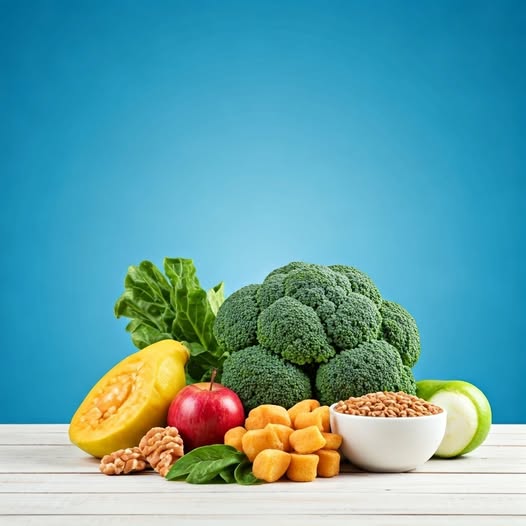
Meatless Mondays, meet summer’s bounty: a wide variety of colorful, fresh summer vegetables now available in grocery stores, backyard gardens, and farmer’s markets. We’re talking sunshiny golden corn on the cob, deep purple eggplant, red beets, peppers of all hues, not to mention tomatoes, zucchini, green beans, cucumbers, and more. With a bit of simple prep, they’re ready to take center stage on your plate, reinforcing the joy of summer.
“Vegetables in our diet provide many benefits. And when you create a meal centered around them, you’re taking steps to improve and maximize your health,” says Liz Moore, the author of a heart-healthy cookbook and a registered dietitian at Harvard-affiliated Beth Israel Deaconess Medical Center.
Making vegetables the stars of a meal is part of the “veg-centric” movement, which teaches people how to elevate even average vegetables to creative entrĂ©es and side dishes. The trend gives vegetables bold flavors by grilling, layering, caramelizing, or roasting them â steps you can take with a backyard grill or stovetop skillet.
Summer veggie meals have lots of important health perks. “Vegetables such as eggplant and beets of all colors are rich in fiber, Moore says. “Eating a high-fiber diet helps lower cholesterol and is linked to heart health, digestive health, and helping to maintain stable blood sugar levels. For those trying to lose weight, vegetables are low in calories and provide volume, which helps keep you full.”
Summer vegetables also have a wide variety of essential vitamins, minerals, and phytochemicals (beneficial plant chemicals) like flavonoids. “For example, carotenoids in cooked tomatoes are rich in lycopene, which is associated with inhibiting cancer growth and boosting the immune system. And beets are a good source of folate and potassium,” Moore says.
Wondering what to do with the colorful harvest available to you? Moore suggests keeping it simple by making a meal of vegetables paired with whole grains or legumes (beans or lentils). Here are three meals that fill the bill.
Grilled eggplant steak with cucumber, tomato, onion, chickpea, and feta salad
Veggie pita pocket with gazpacho
Quinoa-stuffed red peppers
Based on a recipe from BIDMC’s CardioVascular Institute’s Hungry Heart Cookbook by Liz Moore, RD, LDN
Other ideas include
Which combinations of summer vegetables you choose can depend on cost, taste preferences, and how much time you want to spend cooking. If you’re in a hurry, go with a salad. If you have more time, try grilling or sautĂ©ing vegetables.
Finally, be open to inspiration from the bounty you see at the market. “Focus on getting a variety of colors in the vegetables you choose. The more colors there are on the plate, the more nutrients you’ll be consuming,” Moore says. “And try something new. Explore vegetables you’ve never tried before or new methods of cooking. Think of it as one of summer’s glorious adventures.”

Heidi Godman, Executive Editor, Harvard Health Letter
Heidi Godman is the executive editor of the Harvard Health Letter. Before coming to the Health Letter, she was an award-winning television news anchor and medical reporter for 25 years. Heidi was named a journalism fellow ⊠See Full Bio


Shoulder pain, stiffness or weakness can make it difficult to carry out everyday tasks, like reaching for something on a high shelf, driving a car or brushing your hair. If you have pain that wonât go away, itâs time to see a doctor.
There are a number of possible causes of shoulder pain, but the most common causes of shoulder pain are rotator cuff injuries, rotator cuff tears and osteoarthritis, says orthopaedic surgeon Mark Schickendantz, MD.
The rotator cuff is a group of four muscles and their tendons that surround the shoulder joint, and connect the shoulder blade to the upper arm bone. Bursae, small sacs near the joint, provide lubricating fluid that decreases friction among the bones, tendons and ligaments.
Rotator cuff problems occur through overuse, and they include tendonitis, strains and partial and complete tears of the tendon.
Tendonitis is when the rotator cuff tendon becomes inflamed and irritated; bursitis is when the bursae swell. Tendonitis and bursitis cause pain in the front and side of the shoulder, and you might also feel some stiffness.
âThese two conditions can occur with activities that involve using your arms overhead, like tennis, yoga or painting a room,â Dr. Schickendantz says. âOften the pain will be worse at rest and improve with activity.â
Treatment involves rest, applying ice, and taking nonsteroidal anti-inflammatory drugs (NSAIDs), such as ibuprofen, which is sold under the brand names Advil and Motrin, or naproxen, which is sold under the brand name Aleve. After a few weeks, most people with tendonitis recover, Dr. Schickendantz says.
If you experience shoulder pain at night that makes it difficult to fall asleep or awakens you, you may have a tear in one or more of the rotator cuff tendons.
âNight pain is the hallmark of a rotator cuff injury,â Dr. Schickendantz says.
You also may have this type of injury if you feel pain when lifting your arm overhead and weakness in the shoulder when trying to lift anything above shoulder level.
A rotator cuff tendon can tear from a single event, like falling down on an outstretched arm. It also can happen from a motion that is repeated over time. For example, a plumber who frequently uses his or her arms overhead can develop a rotator cuff tear. The rotator cuff also can weaken with age.
Treatment is rest, avoiding aggravating activities, physical therapy, applying ice, and NSAIDs. Some people with more severe pain may be helped with a corticosteroid injection, which is a powerful anti-inflammatory medication.
âI usually reserve the use of corticosteroids for someone who has severe night pain and is not responding well to oral medications,â Dr. Schickendantz says.
Surgery to repair the rotator cuff tendon is an option if these measures donât give relief.
Osteroarthritis happens when cartilage, which is the cushioning material that covers the ends of your bones, deteriorates, which leads to pain and stiffness.
Osteoarthritis causes a deep ache in the back of the shoulder. As osteoarthritis worsens, stiffness in the shoulder develops. People with osteoarthritis typically lose the ability reach behind their back.
âPatients often say they are unable to scratch their back or thread a belt,â Dr. Schickendantz says.
Osteoarthritis symptoms develop over time. For some people, an old shoulder injury from sports or some other activity, may kick off the degenerative process that years later results in osteoarthritis. But many people have no specific cause â itâs just wear and tear over time.
Treatment for osteoarthritis of the shoulder is similar to treatment for a rotator cuff tear, involving physical therapy, NSAIDs and ice. If the condition is severe, you can undergo shoulder joint replacement surgery, which is similar to joint replacement for hips and knees.

Blackrock Health, Blackrock Clinic, through a partnership with healthcare technology company Medtronic and medical drone delivery partners Apian and Wing, will begin receiving medical supplies via drone delivery in the coming days.
The partnership has been designed to trial faster, more reliable, and sustainable medical logistics – supporting patients as they receive the care they need, sooner. Medical drone deliveries have the potential to create more efficient healthcare systems, with less wastage of medical supplies, and more space for patient-facing care facilities as providers receive what they need, when they need it. The program will run over the next several months.
âAt Blackrock Health, innovation is at the core of what we do, and this partnership is a prime example of the opportunities that exist when integrating technology into healthcare industry, with an added benefit of supporting our commitment to sustainability,â shared Dr. Caroline Whelan, CEO of Blackrock Health âWe are excited by the possibilities that come with this drone delivery service, and hope to expand this beyond receiving medical supplies, by extending use to other services in time between our hospitals.â
Currently, hospitals depend on road vehicles to transport medical supplies to hospitals or healthcare centres, but urban locations experience frequent delays due to congestion, as well as associated higher carbon emissions. Wingâs drones, which are being used in this programme, are lightweight and electric, and can make quicker, more reliable deliveries than traditional modes of transport, as seen in its more than 350,000 commercial deliveries across the globe. They will fly more direct routes and at speeds up to approximately 100 km per hour, avoiding the traffic congestion on Dublinâs roads.
To learn more about the partnership, visit Apianâs and Wingâs newsrooms
Grain-free, sugar-free and dairy-free

Do you miss seeing a stack of pancakes on the brunch table? Now you donât have to. These grain-free, sugar-free, dairy-free pancakes are the perfect guilt-free treat. Theyâre easy to make, and the whole family will love them. Yum!
3 large omega-3 eggs
Ÿ cup almond milk
œ tablespoon freshly squeezed lemon juice
1 teaspoon pure vanilla extract
œ cup coconut flour
œ teaspoon baking powder
œ teaspoon baking soda
Pinch of sea salt
Œ cup roughly chopped walnuts
coconut oil, for greasing the skillet (about Œ cup)
1 pint fresh blueberries
œ cup arrowroot
1 teaspoon cinnamon
Makes 2-3 servings.
Calories 423
Total Fat 19 g
Protein 12 g
Fiber 14 g
Sugar 14 g
Sodium 416 mg
â Recipe courtesy of Mark Hyman, MD

Make fruit more fun for kids â and adults!
Makes 6 servings
Calories: 140
Fat: 0 g
Saturated fat: 0 g
Sodium: 15 mg
Protein: 4 g
Carbohydrates: 32 g
Sugars: 24 g
Dietary fiber: 3 g