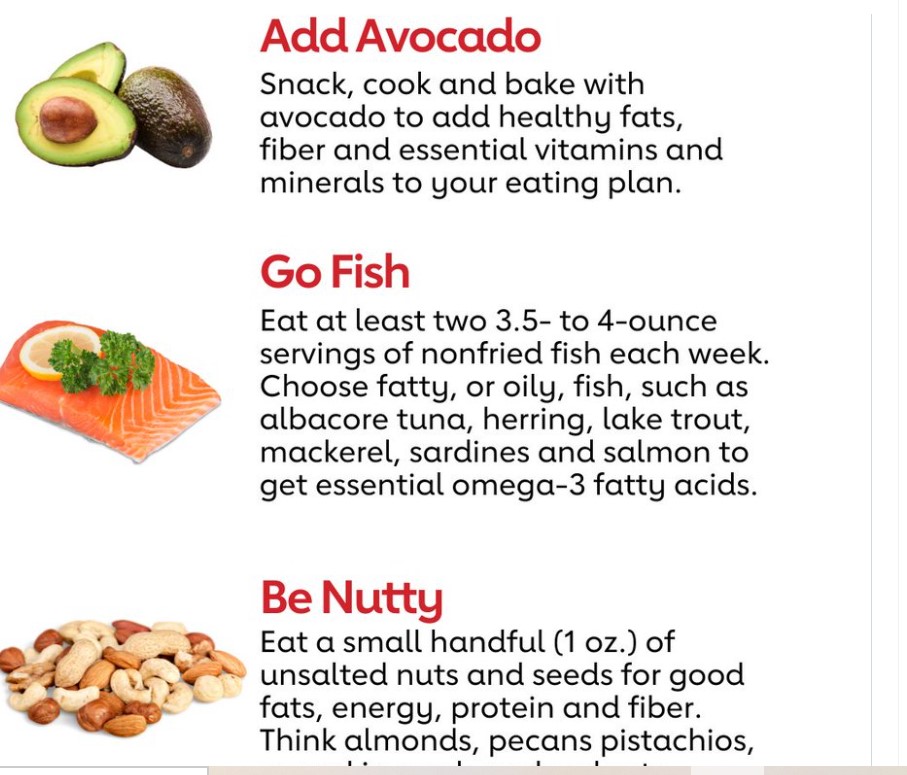
Eating foods with fat is part of a healthy diet, and some are definitely healthier than others. Unsaturated fats – found in avocado, fish and nuts – can help lower bad cholesterol and triglycerides, and give your body the fuel it needs to live a long, healthy life.
Everyone likes a bargain, and lap swimming is a good deal when it comes to exercise. Swimming is a remarkably effective workout because it combines three important types of exercise in one: aerobics, stretching, and strengthening. “Simply keeping yourself afloat activates the core muscles in your back and abdomen. And you have to move all of your muscles to swim,” says Leigh de Chaves, a physical therapist and clinical supervisor of rehabilitation services at Harvard-affiliated Brigham and Women’s Hospital. (She also swam competitively in college.)
Are you a good candidate for lap swimming?
Consider lap swimming if you’re generally healthy, you’re a good swimmer, and your doctor says it’s okay. It’s no problem if you’re not a fan of the crawl: “Any stroke is fine. The breast, side, and back strokes are often favored because a lot of people don’t like putting their face in the water, like you have to do with the crawl,” de Chaves says.
However, lap swimming might be not be doable if you have an underlying condition, such as heart disease or a seizure disorder, that puts you at risk for a life-threatening event in the water. You may also need to skip lap swimming if you’re not strong enough to climb in and out of the pool easily. And you should be careful if you have injuries to your shoulders or neck. Lap swimming may increase your pain.
Start your lap swimming routine slowly
A green light for a lap swimming routine doesn’t mean you should start with 20 laps. Ease into it. “Focus on the amount of time you spend swimming, at first. For example, swim for five or 10 minutes, a few times per week. Gradually increase the amount of time each week, and note how many laps you can do within that time. Eventually, set goals to increase your speed by doing more laps in your set time, so that you can measure your progress,” de Chaves explains.
A big payoff
Once you’re in the swim of things, you’ll notice lots of benefits to lap swimming. It’s easy on the joints, thanks to buoyancy in water, and it has a meditative quality that forces you to focus on your movement and breathing.
Lap swimming also
improves endurance and cardiovascular health
helps lower blood pressure
increases flexibility
helps you control your weight
boosts your balance
reduces fall risk
helps sharpen thinking
helps reduce stress.
Some dos and don’ts for lap swimming
De Chaves points out that it’s important to warm up your muscles before diving into a lap swimming workout. All it takes is a few minutes of gentle paddling, and then static stretches of your shoulder and leg muscles.
Some other dos and don’ts:
Do wear nonslip shoes or sandals when walking on the pool deck.
Don’t forget to apply sunscreen if you’re swimming outdoors.
Don’t forget to stay hydrated before and after a workout.
Don’t skip stretching your muscles after lap swimming. You’ll want to stay flexible so you can get back in the pool.
For the nonswimmers in the pool
If you’re not a lap swimmer, you can still benefit from aquatic exercises — exercising in the shallow end of a pool. You might take a class with a trainer who leads a group through a set of exercises with special water weights or flotation devices (like a pool noodle). Or you can simply try water walking; working against the resistance of the water is good for your muscles and bones.
“If you have balance problems, it’s a good idea to exercise with a friend who can assist you. I also recommend wearing a buoyancy belt around your waist to keep you upright,” de Chaves advises.
Look for aquatic exercise classes — such as strengthening or aerobics — at the local YMCA, a fitness center, or a community center.
About the Author
Heidi Godman, Managing Director
Heidi Godman directs all news gathering for Harvard Health Publishing, and also directs the curation and production of HHP’s four monthly subscription publications (the Harvard Health Letter, Harvard Heart Letter, Harvard Men’s Health Watch, and Harvard Women’s Health … See Full Bio
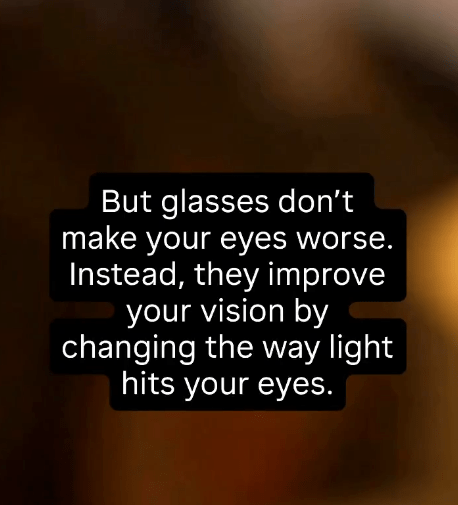
Wearing glasses doesn’t make your eyes weaker. Your eyes are already headed in that direction anyway, thanks to age. Glasses are one of our best tools to help you see more clearly. 👓🤓 pic.twitter.com/YToLhFOmuu
Blackrock Health Womens Health Centre is officially open at 2-5 Warrington Place, Dublin 2!
From gynaecology to menopause, cardiology to pelvic health – we offer a wide range of services for every stage of your health journey.
Don’t delay your well-being and book your appointment today.
You can access our clinic directly through our website, or with a referral from your GP. Learn more about our patient-centred approach and book an appointment here: https://ow.ly/jGy850XsMvR
Wearing no clothes could lead to cooler skin temperatures that put ZZZs within reach
Many people believe they were born with the only pajamas needed for a good night’s sleep, but here’s the naked truth: No research directly confirms that sleeping in the buff leads to better slumber.
There is, however, some validity behind the idea of sleeping naked — namely regarding how a cooler skin temperature improves sleep quality.
So, should you consider stripping down at bedtime before sliding under the sheets? Let’s look at the potential benefits (and risks) with behavioral sleep disorders specialist Michelle Drerup, PsyD, DBSM.
Is sleeping naked better?
There are some possible perks to nude sleeping … so, maybe? Here are a few reasons why you might want to slip off your clothes before slipping off to sleep.
Falling asleep faster
Your body naturally works to lower its thermostat to doze off at night through its circadian rhythm, which regulates your sleep/wake cycle. The faster you cool off, the faster you typically catch some ZZZs, says Dr. Drerup.
That’s also one of the reasons why sleep experts recommended that you keep your bedroom temperature between 60 degrees Fahrenheit and 67 degrees Fahrenheit (15.5 degrees Celsius to 19.44 degrees Celsius) for optimal snoozing.
Improved sleep quality
Ever toss and turn in bed because you’re too hot? Sleeping naked certainly removes any possibility of pajama-induced overheating interfering with a good night’s rest. It’s the absolute final move in shedding layers to stay cool.
“There’s no question that cooler is better than warmer for overall sleeping,” says Dr. Drerup.
And getting enough rest is key to … well, just about everything in day-to-day life. Waking up refreshed can help you manage stress more effectively, improve focus, boost performance and make you a more pleasant person.
For women: reduced risk of yeast infections
Tight-fitting underwear can trap heat and moisture between your legs. What makes a yeast infection thrive? Yep — heat and moisture.
Sleeping naked (or even in loose-fitting cotton bottoms) allows for some air circulation around your vagina. Keeping the area cooler and drier may help reduce your chances of getting a yeast infection, too.
For men: potential fertility boost
Heat isn’t a friend of male fertility. Regular exposure to higher temperatures for your testicles can cause sperm counts to drop. Wearing underwear that keeps things packed tight doesn’t exactly offer a cooling effect.
Studies show that men who wear boxers have a higher sperm count than their buddies in briefs. So if loose-fitting boxes help that much, imagine what 8 hours of no clothing might do.
Reasons to keep your PJs on
Sleepwalkers may want to give the idea some extra thought to going au natural to avoid any potential awkward encounters, notes Dr. Drerup.
And if you’re not a fan of doing laundry, consider this: Your washing schedule for bedding may need to increase with more skin-to-sheet contact. (Gross fact: The skin cells you shed in a day can feed 1 million dust mites. You don’t want to turn your bed into their buffet.)
Can you be cool and clothed?
Going to bed “nearly” naked while wearing lightweight and loose-fitting garments can bring you similar quality sleep results as taking everything off. “Tank tops and boxer-style briefs don’t possess a ton of warming qualities,” says Dr. Drerup.
And while being cool is desirable for sleep, you also don’t want to be cold. There’s even evidence that wearing socks to bed to warm your tootsies can help you drift off to sleep.
So, which is it: off or on?
Ultimately, what you wear to sleep is a personal choice. “There’s no proven benefit or harm to sleeping naked,” says Dr. Drerup. “Just do what feels right and then rest easy with your decision.”
This dairy product can help you lose weight, manage blood sugar and strengthen bones
Cottage cheese doesn’t typically receive a lot of attention. It gets left out from the fancy cheese counter at the grocery store. It doesn’t make the cut for a charcuterie (meat and cheese) board. And it isn’t typically included in recipes for favorite foods such as pizza, grilled cheese or baked ziti.
It’s a soft, white, fresh cheese that’s different in texture and taste than more popular cheddar, Parmesan and blue cheeses. But cottage cheese holds a prominent place in the dairy aisle for good reasons, says registered dietitian Julia Zumpano, RD, LD.
“It’s a portable food that’s easy to add to your diet,” she says. “And cottage cheese offers lots of health benefits.”
As a dairy product, cottage cheese is a great calcium source, which is important for bone health. Having healthier bones makes you less likely to get osteoporosis (weak bones). Cottage cheese in your diet can even help with your blood sugar levels.
Thinking about giving cottage cheese a go? Zumpano explains what you need to know.
Is cottage cheese healthy?
Cottage cheese is low in calories while providing protein and vital nutrients, Zumpano says, making it one of the healthiest cheeses you can eat. It’s made by curdling pasteurized (sterilized) cow’s milk — when milk turns acidic, the milk protein separates and forms curds (clumps). These loose curds serve as the base for cottage cheese.
Depending on the fat content of curdled dairy milk, cottage cheese is available as nonfat, low fat (1% or 2%) or whole fat. The milk type affects the nutritional content.
“To get the most bang for your buck, choose a low-fat or even full-fat cottage cheese,” Zumpano advises. “Nonfat cottage cheese may sound like a good idea, but it contains less protein and won’t be as satisfying.” Full-fat cottage has 1.5 grams more of saturated fat when compared to 2% but can be the most satisfying.
Health benefits of cottage cheese
Cottage cheese may be mild in flavor, but it packs a punch when it comes to potential health benefits. Some of the many benefits of cottage cheese include:
Provides good nutrition
A 100-gram serving (just under a half cup) of low-fat (2%) cottage cheese provides:
Three factors make cottage cheese a great choice if you’re looking to lose pounds or maintain your weight:
High in protein:Research finds that eating a high-protein diet helps curb your appetite and manage hormones associated with appetite, digestion and insulin release.
Low in fat: Full-fat cottage cheese contains less fat than some other cheeses (4% fat versus 30% fat in cheddar), and its high protein makes it an excellent low-fat option.
Provides calcium:Studies show that increasing calcium can help you lose weight when combined with a calorie-restricted diet.
Cottage cheese isn’t the only dairy food to provide these advantages. Greek yogurt can also check these boxes. But if you’re deciding between the two, Zumpano recommends cottage cheese. “Full-fat cottage cheese and full-fat Greek yogurt have the same amount of fat, but cottage cheese has 25% more protein.”
Provides essential amino acids
Cottage cheese is rich in casein (pronounced “KAY-seen”) protein. It’s a complete protein that provides essential amino acids, which are all the building blocks of protein that your body needs.
Amino acids help your body work smoothly. They affect your:
Phosphorus is critical for proper bone development and strength, especially during growth spurts or when healing from a fracture.
Protein helps maintain bone mineral density and can reduce the risk of fractures.
“Bone health is critical as you age,” Zumpano shares. “Adding cottage cheese to your diet is an easy way to strengthen them.”
Helps you control blood sugar levels
Plain cottage cheese is low in carbohydrates, making it a great option for anyone watching their blood sugar. The slow-digesting casein protein in cottage cheese also helps prevent blood sugar spikes.
“To get this benefit of cottage cheese, choose plain cottage cheese,” Zumpano recommends. “Avoid cottage cheese pre-packaged with fruit and check the label for added sugar.”
Contributes to a balanced gut
Probiotics are live microorganisms that can improve the balance of good and bad bacteria in your gut (gut microbiota). The curdling process used to produce cottage cheese adds beneficial bacteria that can promote better gut health. But unlike Greek and regular yogurt, which almost always contain probiotics, not all cottage cheese is created equal.
“If you want cottage cheese that provides probiotics,” Zumpano says, “check the label to see if it says it contains ‘live and active cultures.’”
Promotes muscle development
The slow-release protein in cottage cheese doesn’t just help with digestion. It’s also important for building muscle tissue and helping your muscles recover after a workout.
“Casein protein provides your cells with amino acids consistently over a longer period, which helps muscles recover instead of breaking down,” Zumpano explains. Consider having cottage cheese after a workout to get the maximum benefit for your muscles.
Reduces your risk of some cancers
Research shows that increasing dairy intake may lower your risk for some (though not all) cancers. “There’s still a lot to learn about the connection between dairy and cancer prevention,” Zumpano states. “But it’s clear there are protective benefits to including dairy in a balanced diet.”
Experts believe getting more calcium may offer protection from:
Bladder cancer.
Breast cancer.
Colorectal cancer.
Stomach (gastric) cancer.
Tips for adding cottage cheese to your diet
The United States Department of Agriculture (USDA) recommends that adults get three cups of dairy daily. Cottage cheese can help you reach that goal.
When you incorporate cottage cheese into your diet, remember to:
Check the nutrition label: Single-serve containers of cottage cheese may vary in size and nutritional content.
Consider your lactose tolerance: The lactose in cheese decreases with age. As a fresh, unripened cheese, cottage cheese often contains more lactose than aged cheeses. If you have lactose intolerance, consider a cottage cheese that’s lactose-free.
Keep an eye on sodium: Cottage cheese can be high in sodium, so opt for low-sodium or sodium-free cottage cheese to protect yourself from high blood pressure and heart disease.
Get creative: There are many ways to eat more cottage cheese. Consider adding cottage cheese to your eggs or pancake mix. Bake it into muffins or cakes. Or use it as a substitute for sour cream or ricotta cheese.
Even casual drinking can put your long-term health at risk. Our liver specialist explains the findings of this study.
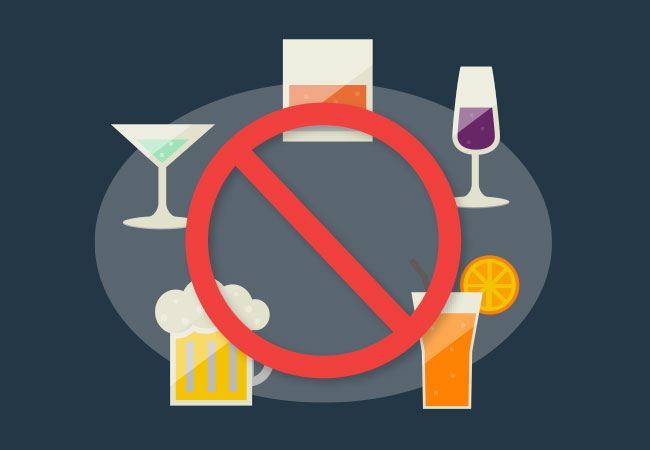
New Study: No Level of Alcohol — Even Casual Drinking — Is Entirely Safe
Leading cause of death of those age 15-49
Stopping for happy hour with colleagues after work. Cracking open a cold beer (or two) while watching the game. Meeting up with girlfriends for a glass of pinot noir. Having an alcoholic beverage of choice is a common way to unwind. But according to a recent study, even casual drinking can put your long-term health at risk.
Liver specialist Jamile Wakim-Fleming, MD, did not take part in the study, but says the research found that alcohol was a leading risk factor for both disease and premature death.
“They found that alcohol was the seventh leading cause of death worldwide,” she says. “But even more alarming, is that it was the first leading cause of death of people between the ages of 15-49.”
What the study examined
The study looked at global data from hundreds of previous studies and found that for all ages, alcohol was associated with 2.8 million deaths each year.
Researchers found that alcohol-related cancer and heart disease, infectious diseases, intentional injury, traffic accidents and accidental injury were some of the leading causes of alcohol-related deaths.
But isn’t alcohol good for your heart?
Dr. Wakim-Fleming says people often believe that a little bit of alcohol, wine in particular, may be good for their heart. But the study results didn’t show any health benefit to drinking any amount of alcohol.
She says this information, along with previous research that has shown more young people are dying from alcohol-related liver disease, indicates that excessive drinking among young adults is a growing problem.
The damage grows over time
And like any substance-abuse problem, Dr. Wakim-Fleming says the damage to the body from alcohol increases over your lifespan.
“It’s a cumulative effect,” she explains. “If you do it all at once, then you’re going to have the effect now. If you drink on a regular basis, over years it’s going to be cumulative and you will end up with a problem later on.”
Dr. Wakim-Fleming notes that anything we do in life involves risk, but it’s important to know what the risks are so that we can make the best decisions for our health.
It’s easy to feel alone and overwhelmed. How bonding with an animal can help with social support and unconditional love.
Therapy animals have long been the trusted companions of people with disabilities. Now, animals of all kinds are proving their value to individuals dealing with a wide range of mental health conditions, including depression and even dementia.
Physiology helps explain why animals are such effective therapists for all of us, says Marwan Sabbagh, MD, Director of Cleveland Clinic’s Lou Ruvo Center for Brain Health: “Simply petting an animal can decrease the level of the stress hormone cortisol and boost release of the neurotransmitter serotonin, resulting in lowered blood pressure and heart rate and, possibly, in elevated mood.”
Pets can bring calm and companionship
Whether you’re an older adult, a patient dealing with mental health conditions or a caregiver, it’s easy to feel alone and overwhelmed. Depression isn’t uncommon, either, a byproduct of isolation and loneliness.
In these cases, bonding with an animal can help fill this void with social support and, from dogs in particular, unconditional love.
An Australian study of 199 patients who were dealing with mental health conditions such as depression, anxiety or post-traumatic stress disorder found that 94% reported a “reduction of anxiety through tactile stimulation” thanks to a psychiatric assistance dog (PAD). Additionally, 51% of the patients reported that their PAD was responsible for “interrupting undesirable behavior.”
Pets can also foster human connections for their owners. Take a dog for a ramble and strangers who would never dream of approaching you in other situations will strike up a conversation centered on the animal. Even a mere smile from a passerby is a connection that can brighten your day.
A survey of 14 community-dwelling adults aged 65 or older with pets by the journal Aging & Mental Health found that their pets might benefit them by “providing companionship, giving a sense of purpose and meaning, reducing loneliness and increasing socialisation.”
But besides living up to the billing as a human’s best friend, there’s yet another benefit that pets, particularly dogs, can bring owners.
The extra benefit of exercise
If your pet is a dog, especially an active one that loves walking, that can yield a second, equally important benefit: physical exercise, which is also key to a brain-healthy lifestyle.
According to the Centers for Disease Control and Prevention, adults need at least 150 minutes a week of moderate-intensity aerobic activity for good health and double that amount for greater health benefits. Brisk walking (at least 3 mph, around 20 minutes per mile) qualifies as moderate-intensity activity.
The payoff extends beyond enhanced brain health to weight control, improved cardiorespiratory fitness and muscular strength and reduced risk of chronic diseases and killers such as heart disease, stroke, cancer and diabetes.
“We know that physical exercise, and aerobic exercise in particular, is very beneficial for maintaining brain health, even in people who are at risk for developing dementia and Alzheimer’s disease (AD),” says neuropsychologist Aaron Bonner-Jackson, PhD. “You can make a major difference in terms of how your body is functioning and, as a result, how your brain is functioning.”