A top-down view of a chocolate smoothie bowl (thick smoothie served in a bowl with a spoon) garnished with chia seeds, large coconut flakes and cacao nibs. Healthy vegan breakfast. The smoothie portion contains banana, chocolate, almond milk and ice.
This pudding is packed with health-promoting chia seeds, almond milk, cinnamon, cocoa, coconut flakes and dried fruit. It’s the perfect chocolate treat.
Ingredients
½ cup Chia seeds
1 cup vanilla almond milk, unsweetened
1 cup 2% milk (may use all almond for non-dairy option)
1½ tablespoons honey
1 tablespoon cocoa powder, unsweetened
1 teaspoon cinnamon
1 teaspoon vanilla extract
2 tablespoons coconut flakes, unsweetened
2 tablespoons dried tart cherries, or other unsweetened dried fruit
Directions
Place chia seeds, milks, honey, cocoa, cinnamon and vanilla in a glass container with a tight lid.
Seal and shake well to combine. Refrigerate for at least 5 hours or overnight.
Serve topped with coconut flakes and dried fruit to garnish.
Note: For a smoother texture, blend pudding in a high power blender before refrigerating. Be sure to blend well to avoid a gritty texture.
Nutrition information
Makes 6 servings
Each 1/2 cup serving contains:
Calories 140
Total fat 7g
Saturated fat 2g
Trans fat 0g
Protein 4g
Total carbohydrate 16g
Fiber 6g
Sugar 7g
Cholesterol 5mg
Sodium 150mg
JUST DROPPED from Kash Beauty… The Eternal Treasure Collection ✨ Inspired by one of the best-loved palettes from @kashbeauty, this new collection has everything you need for creating sultry, sumptuous looks gleaming with coppers, golds and nudes 🖤 Shop now and don’t forget to use your €10 off €50 or €5 off €25 vouchers in store on all things beauty and skincare for even better value 🛍️ #KASHBeauty#dunnesbeauty#eternaltreasure#newlaunch15h
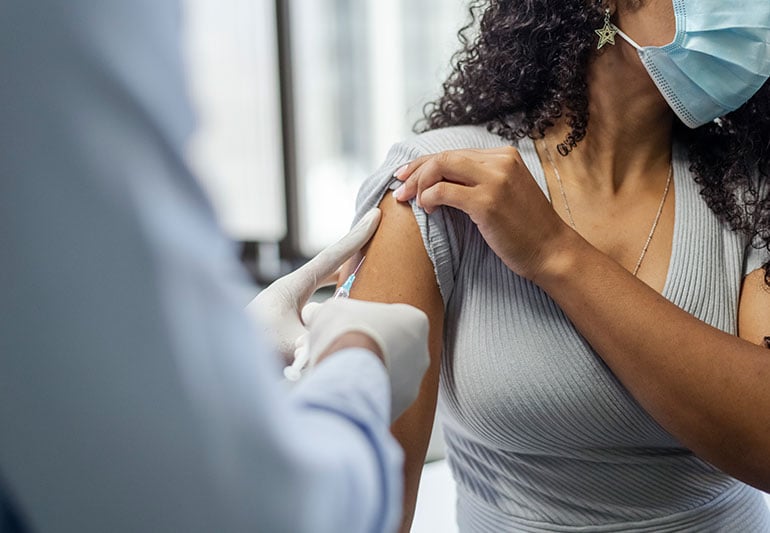
Healthcare providers across the country are bracing for another season of treating respiratory viruses like the flu, respiratory syncytial virus (RSV) and COVID-19.
And while the flu might not seem like something to worry about, it’s a virus we should all be prepared for. So, you may be wondering, Should I get a flu shot?
“Influenza is a very serious disease, and during a normal flu season, around 40,000 or more people die from it,” says infectious disease specialist Kristin Englund, MD. “So, with any preventable disease, we should do everything we can to protect ourselves.”
Getting your flu vaccine is vital to not just keeping you and your family healthy, but also relieving our over-burdened healthcare system.
To learn more about the importance of getting the flu vaccine, we talked to Dr. Englund, along with infectious disease clinical pharmacist Kaitlyn Rivard, PharmD.
Why the vaccine matters
First of all, Dr. Englund notes that it’s just good practice to get a flu shot every year. She adds that the vaccine’s prevention-geared properties are key.
“When people get influenza or get the flu, it’s not only just the symptoms that they have, like a cough, fever and an infection in the lungs,” she says. “It taxes the body and really puts a lot of stress on all of the other systems.”
That can cause some serious complications, she continues. “You can have a heart attack or even a stroke as a side effect from having influenza. So, we want to make sure that we’re keeping everybody healthy from all of these complications.”
Dr. Englund says that a flu shot is especially important this year because other respiratory viruses like COVID-19 and RSV will be circulating.
“We’re going to have influenza, RSV and COVID-19 coexisting and there’s a lot of overlap between the symptoms,” she states. “We also anticipate that there will be some people who have co-infections, which could be difficult.”
When to get the flu vaccine
We bet you’re now wondering: So, when should I get a flu shot?
Dr. Englund and Dr. Rivard advise getting a flu vaccine as soon as it becomes available. Many healthcare providers, including the Cleveland Clinic, begin offering the flu vaccine at the beginning of September.
And in case you were wondering, the flu vaccine doesn’t interfere with the COVID-19 vaccine or the RSV vaccine.
“All available COVID-19 and RSV vaccines can be given at the same time as the flu vaccine,” clarifies Dr. Rivard. “If someone is coming in for their flu shot and they’re eligible for a COVID-19 vaccine or RSV vaccine but haven’t received it yet, we can offer that. In fact, both the CDC [U.S. Centers for Disease Control and Prevention] and the Advisory Committee on Immunization Practices recommend co-administering almost any two vaccines together.”
She adds that there are very few instances in which certain vaccines can’t be administered at the same time, noting that children often receive multiple vaccines during one visit to their pediatrician.
And there’s no concern about overloading our immune systems with multiple vaccines.
“We’re exposed to things that stimulate our immune system all the time,” Dr. Englund says. “Our immune system is constantly responding to various exposures even if you don’t realize it.”
Why it’s important to get a flu shot every year
One reason it’s so important to get your annual flu shot is this: Protecting yourself is a lot easier than treating the flu.
“There are some treatments available for the flu that are evolving,” Dr. Englund says. “But to avoid the disease altogether or to only have a mild case because you’ve been vaccinated is much better than trying to treat it. Prevention is best.”
And that goes equally for kids — it’s also crucial to get them vaccinated for the flu.
“It’s important for children to get the flu vaccine, too, because the circulation of flu in children, if nothing else, puts adults at risk, too,” emphasizes Dr. Englund.
“Influenza is a serious disease and it’s unpredictable, and otherwise healthy children are unfortunately hospitalized and die every year because of it. So, even for normal, healthy children, it’s really important to get vaccinated every year.”
Healthcare providers across the country are bracing for another season of treating respiratory viruses like the flu, respiratory syncytial virus (RSV) and COVID-19.
And while the flu might not seem like something to worry about, it’s a virus we should all be prepared for. So, you may be wondering, Should I get a flu shot?
“Influenza is a very serious disease, and during a normal flu season, around 40,000 or more people die from it,” says infectious disease specialist Kristin Englund, MD. “So, with any preventable disease, we should do everything we can to protect ourselves.”
Getting your flu vaccine is vital to not just keeping you and your family healthy, but also relieving our over-burdened healthcare system.
To learn more about the importance of getting the flu vaccine, we talked to Dr. Englund, along with infectious disease clinical pharmacist Kaitlyn Rivard, PharmD.
Why the vaccine matters
First of all, Dr. Englund notes that it’s just good practice to get a flu shot every year. She adds that the vaccine’s prevention-geared properties are key.
“When people get influenza or get the flu, it’s not only just the symptoms that they have, like a cough, fever and an infection in the lungs,” she says. “It taxes the body and really puts a lot of stress on all of the other systems.”
That can cause some serious complications, she continues. “You can have a heart attack or even a stroke as a side effect from having influenza. So, we want to make sure that we’re keeping everybody healthy from all of these complications.”
Dr. Englund says that a flu shot is especially important this year because other respiratory viruses like COVID-19 and RSV will be circulating.
“We’re going to have influenza, RSV and COVID-19 coexisting and there’s a lot of overlap between the symptoms,” she states. “We also anticipate that there will be some people who have co-infections, which could be difficult.”
When to get the flu vaccine
We bet you’re now wondering: So, when should I get a flu shot?
Dr. Englund and Dr. Rivard advise getting a flu vaccine as soon as it becomes available. Many healthcare providers, including the Cleveland Clinic, begin offering the flu vaccine at the beginning of September.
And in case you were wondering, the flu vaccine doesn’t interfere with the COVID-19 vaccine or the RSV vaccine.
“All available COVID-19 and RSV vaccines can be given at the same time as the flu vaccine,” clarifies Dr. Rivard. “If someone is coming in for their flu shot and they’re eligible for a COVID-19 vaccine or RSV vaccine but haven’t received it yet, we can offer that. In fact, both the CDC [U.S. Centers for Disease Control and Prevention] and the Advisory Committee on Immunization Practices recommend co-administering almost any two vaccines together.”
She adds that there are very few instances in which certain vaccines can’t be administered at the same time, noting that children often receive multiple vaccines during one visit to their pediatrician.
And there’s no concern about overloading our immune systems with multiple vaccines.
“We’re exposed to things that stimulate our immune system all the time,” Dr. Englund says. “Our immune system is constantly responding to various exposures even if you don’t realize it.”
Why it’s important to get a flu shot every year
One reason it’s so important to get your annual flu shot is this: Protecting yourself is a lot easier than treating the flu.
“There are some treatments available for the flu that are evolving,” Dr. Englund says. “But to avoid the disease altogether or to only have a mild case because you’ve been vaccinated is much better than trying to treat it. Prevention is best.”
And that goes equally for kids — it’s also crucial to get them vaccinated for the flu.
“It’s important for children to get the flu vaccine, too, because the circulation of flu in children, if nothing else, puts adults at risk, too,” emphasizes Dr. Englund.
“Influenza is a serious disease and it’s unpredictable, and otherwise healthy children are unfortunately hospitalized and die every year because of it. So, even for normal, healthy children, it’s really important to get vaccinated every year.”
Some have called bananas “nature’s perfect snack,” and it’s easy to see why. The curvy yellow fruits come conveniently packaged, travel well in a lunch bag or purse and are incredibly versatile. They make a great smoothie mixer or a tasty topper on cereal or oatmeal and even have their very own category of (delicious!) muffins and bread.
Are bananas healthy?
“Absolutely,” says registered dietitian Elyse Homan, RD, LD. “They’re full of nutrients and easy on the gut. Very few people have problems digesting bananas.”
So, what are you eating when you peel and enjoy? A medium-sized ripe banana contains:
105 calories.
1 gram of protein.
28 grams of carbohydrates.
15 grams of (natural) sugar.
3 grams of fiber.
Less than 1 gram of fat.
Health benefits of eating bananas
From vitamins to minerals to fiber, bananas are good for you, with lots of nutrition to offer. Plus, they’re easy to digest, reiterates Homan. Here’s a breakdown of banana’s most notable nutritional benefits:
1. Fiber for improved digestion and disease prevention
With 3 grams (g) of fiber, a banana supplies nearly 10% of what you need in a day, based on a 2,000-calorie daily diet, according to the U.S. Department of Agriculture (USDA) dietary guidelines.
You hear “fiber” and probably automatically think of digestion. It’s true — fiber is great for your gut. It helps keep things moving in your intestines, and most of us probably need to eat more.
Vitamin C (ascorbic acid) is a nutrient that helps your body absorb iron and boosts your immune system’s ability to fight illness. Adults need 75 to 90 milligrams (mg) per day. A banana delivers about 10 mg of vitamin C.
Vitamin C is one of many antioxidants you can get from food. Antioxidants are important because they cancel out free radicals in your body. Free radicals can build up and damage your cells, leading to disease. But antioxidants like vitamin C keep free radicals in check.
“One banana will give you one-quarter to one-third of the vitamin B6 you need in a day,” says Homan.
4. Potassium for organ health and lower blood pressure
The USDA recommended daily intake of potassium for adults is 4,700 to 5,000 mg. A banana supplies you with about 422 mg, or a little less than 10% of what you need per day.
Potassium, a mineral, does a lot for your body. It’s essential for the proper function of your:
Heart.
Kidneys.
Muscles.
Nerves.
Getting enough potassium also keeps your blood pressure in a healthy range. Potassium, which lowers blood pressure, balances out sodium, which raises blood pressure.
Homan says potassium also benefits your vascular system — the network of blood vessels and lymph vessels that run through your body’s tissues and organs — and reduces your risk of:
Heart disease.
Kidney failure.
Stroke.
5. Magnesium for improved blood pressure, blood sugar and more
A single medium-sized banana offers about 32 mg of the mineral magnesium, which fulfills around 8% to 10% of your daily magnesium requirement.
Magnesium is involved in many processes in your body, including:
Blood pressure.
Blood sugar levels.
Building proteins.
Maintaining bone.
Muscle function.
Nerve function.
Bananas and resistant starch
Green, or unripe, bananas are high in resistant starch. “Your body can’t digest resistant starch,” notes Homan. “Instead, it’s a prebiotic that promotes the growth of good bacteria in your colon.” Prebiotics improve digestive health and can be helpful if you’re experiencing diarrhea.
“I often hear patients say they avoid bananas since they’ve heard the fruit is too high in sugar,” says Homan. As bananas ripen, much of the resistant starch changes to sugar. But the health benefits of antioxidants and fiber outweigh the naturally occurring sugar. For those worried about blood sugar levels, pair bananas with a protein source such as peanut butter or a cheese stick for better control.
A small word of warning about unripe bananas: “If you’re not used to eating resistant starch, start slowly to let your body get used to it. Some people can experience constipation, gas and bloating at first,” adds Homan.
Another plus of this fruit? In addition to all the health benefits of bananas, they’re less expensive than many other fruits.
A group of adults are taking a fitness class together at the gym. They are working out on exercise mats and are holding a high plank.
A physical therapist answers your questions
If you suffer from back pain, you’ve probably heard that strengthening your core can bring you some relief. But is this always true? And if so, how do you do it? We spoke with Cleveland Clinic physical therapist Patti Mariano, DPT, to find out.
Q: What is your core?
When most people think about the core of the body they think of the abdominal or six-pack area just below the ribs. While the abdominal muscles are an important part of the core, we consider other areas important, too.
Your core includes:
Front abdominal muscles — the rectus abdominis
Muscles along the side of your body — the internal and external obliques
A deep muscle that wraps around the front — the transverse abdominis
Muscles in your back that are located between your spine bones and run along your spine — the erector spinae and multifidi
Your core also includes the diaphragm and muscles of the pelvic floor. I also consider the gluteal muscles as core muscles.
Q: What is the relationship between core strength and back pain?
Theoretically, if your muscles around the low back are weak, your body will rely more on passive structures, including ligaments — the tissue that connects bone to bone — as well as the spinal bones or discs, which lie between the spinal bones, for stability, which can cause pain.
But some studies have shown that specific core exercises are not any more beneficial than general exercise for low back pain. What we know is that exercise in general can help, and focusing on core muscles may provide some additional benefit.
Q: What are some exercises for the core that can help with back pain?
Here are my top five:
Side plank — Sit on the floor with your right hand below your right shoulder and feet stacked. Lift your body, keeping your legs long, abdominals engaged and feet stacked. Hold. Repeat on the other side. You can modify this pose by dropping your bottom knee to the floor for extra support.
Plank — Kneel on all fours. Pull in your abdomen and step your feet behind you until your legs are straight. Keep your hands directly under your shoulders and your neck straight. Hold your abdomen and legs tight and avoid letting your lower back sag. Hold and breathe for 30 seconds. You can modify this pose by lowering your knees.
Bird dog — Kneel on all fours. Reach one arm out in front of you, draw in your abdomen, and extend the opposite leg long behind you. Repeat on the other side.
Scissors — Lie on your back with your arms at your sides and legs pointed straight into the air above your hips. Press your lower back into the mat and tighten your abdomen. Lower your right leg until it’s a few inches from the floor. Raise your right leg up and begin lowering your left leg the same way. Continue switching right and left.
Upward dog — Lie face down with head slightly lifted and hands palm-down under your shoulders. Point your toes. Exhale, then press through your hands and the tops of your feet and raise your body and legs up until your arms are straight and your body and legs are off the ground. Keep your neck relaxed and long and thigh muscles tight as you hold and breathe.
For the plank exercises, start by holding them for 15 seconds to 30 seconds. For bird dog and scissors, try three sets of eight or 10 repetitions. For upward dog, do one set of 10 repetitions.
Q: Can you injure your back by trying to strengthen your core?
Any exercise performed incorrectly, whether it is core-strengthening or otherwise, has the potential to cause discomfort.
Twisting exercises or even incorrectly completing the exercises cited above can cause pain in the low back. But it’s highly unlikely that one repetition of an exercise will seriously harm your body, unless it’s an exercise using a very heavy weight.
The best way to keep your body safe is to listen to body cues such as pain during and immediately after an exercise, and the next day after exercising.
Q: When should you talk to a doctor about your back pain?
If any of the following is going on you should consult with your doctor:
Your pain has been going on for longer than a month, despite resting from activities that make it worse.
Your pain is getting worse.
Your pain wakes you from sleep.
Your pain is in your low back but also is going down one or both of your legs.
You notice that one leg is becoming weaker than the other.
Q: Where should you turn if you want help in creating a plan to address back pain?
Physical therapists train as musculoskeletal experts — they are the experts on muscles, bones and human movement. These professionals are the most qualified, aside from an orthopedic doctor, to assess back problems.
Since there are many factors that impact low back pain and many types of low back pain, it is a good idea to visit at least one time with a physical therapist for an evaluation and subsequent plan of care. This will give you an individually tailored plan with exercises that progress safely.
The idea of core strengthening, while beneficial, is just one piece of the low back pain puzzle.









 Healthaware