Why Avocados Are a Healthy — and Delicious — Addition to Your Diet @ClevelandClinic


Cleveland Clinic

@ClevelandClinic

Avocados are jam-packed with nutrients and vitamins and can make a delicious, nutritious addition to your diet.

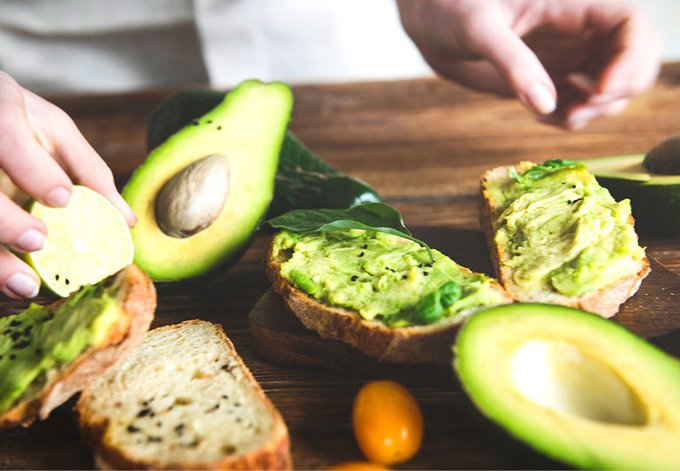
Millenials may get flak for being the “avocado toast generation,” but honestly, they may be onto something! Avocados are as nutritious as they are delicious, and they’re jam-packed with vitamins and nutrients.

Avocados include vitamins C, E, K1, B6 and folate, plus essential minerals like potassium and copper. They’re low in sugar, loaded with fiber and high in monosaturated fats, aka “good” fats. Oh, and did we mention that they taste great and they’re super versatile?!

Registered dietitian Julia Zumpano, RD, LD, shares a few more good reasons to give these wrinkly green fruits a second look — plus, how to add them to your regular rotation.

Are avocados good for you?

“Avocados are a great addition to a healthy diet,” Zumpano confirms, “and there are hundreds of varieties to choose from, ranging from big to small and wrinkly to smooth.”

What they have in common: A big round pit, creamy green flesh and a whole lot of nutrients crammed into a handy, pear-shaped package.

Just don’t go overboard. Avocados are packed with nutrients, but they’re also packed with calories. A 50-gram portion — about a third of a medium-sized avocado — has about 75 calories. And an entire large avocado can add upward of 400 calories to your daily diet.

Like most things, Zumpano says, moderation is key. “As long as you’re paying attention to portion sizes, avocados are very healthy foods to include in your food repertoire.”

Benefits of avocados

Whether you’re adding a slice to a salad or sandwich or using them as an ingredient in a more complicated recipe, Zumpano says avocados have a lot going for them health-wise.

Here are some of the many nutrients and vitamins packed into just a single avocado:

High in ‘good’ fats

You might’ve heard that avocados are high in fat — and that’s true, but it doesn’t mean you should avoid them! A medium avocado has 22 grams of fat, which includes 15 grams of monounsaturated fats, aka “good” fats.

“Avocados are rich in heart-healthy monounsaturated fats, which help lower your LDL, or ‘bad’ cholesterol,” Zumpano says. “Low LDL levels reduce your risk of heart disease and stroke.”

The American Heart Association says most of the fats you eat should be monounsaturated or polyunsaturated, confirming that avocados fit the bill as part of a healthy diet.

You can even swap avocado in for less-healthy fats in your home cooking. Here are some additional ways you can add this smooth, creamy fruit to your diet.

  • Spread avocado on a sandwich in place of mayonnaise.
  • Instead of dunking veggies into dips made with cheese or sour cream, try guacamole.
  • Forego shredded cheese on your salad and add avocado slices instead.
  • In baking recipes, replace butter or oil with mashed avocado, like in these chocolatey avocado brownie bites.

“If you use avocado to replace other fats, you can enjoy the flavor and nutrients and also cut down on saturated fats,” Zumpano says.

Lots of vitamins

Let’s talk vitamins: In simple terms, avocados have a lot of them! Here are the vitamins that are most abundant in avocados and what they do for your health:

  • Vitamin K1, or phylloquinone, is important for blood clotting, which helps stop wounds from bleeding. It also plays a role in strengthening your bones. For most adults, the daily recommended amount of vitamin K ranges from 90 to120 micrograms. Half an avocado has about 21 mcg.
  • Vitamin C, aka ascorbic acid, helps keep your immune system healthy. It also plays a role in the health of your tissues, blood vessels, bones and more. Depending on your age and sex, you need anywhere from 75 to 120 milligrams of vitamin C per day; half an avocado has about 10 mg.
  • Vitamin E, or alpha-tocopherol, is a powerful antioxidant that prevents cell damage and helps maintain muscle function. Most adults only need 15 mg of vitamin C per day, and half an avocado will give you about 4 mg of it.
  • Vitamin B6, also known as pyridoxine, helps your body convert food into energy. You only need a small amount of vitamin B6 each day (just 1.2 to 2 mg, depending on your age and sex), but half an avocado has about .25 mg, putting you well on your way to that daily goal.
  • Folateis a B vitamin that’s important for normal cell function and tissue growth. It helps your body form red blood cells and DNA, which is especially critical when you’re pregnant (but still important if you’re not). Half an avocado has about 20% of your daily recommended amount.

Low in sugar

Though most fruits are high in natural sugars, avocados rank very low on the sweetness scale. “A whole avocado has under 1.5 grams of sugar, while one medium apple, by comparison, has about 19 grams,” Zumpano points out. (Psst: It’s important to note that not all sugars are created equal! Fruit is still super-healthy.)

High in fiber

Avocados are a good source of fiber, which is a type of carbohydrate that your body can’t break down. You need both soluble and insoluble fiber — and lucky for you, avocados have both.

“Fiber can lower cholesterol and blood sugar, keep you regular and help you feel full and satisfied after a meal,” Zumpano states. Most adults need 25 to 35 grams of fiber per day, depending on your age and sex. Half an avocado provides about 7 grams.

Packed with potassium

Surprise! “Avocados actually contain more potassium than bananas,” Zumpano reveals. Half a large avocado provides about 485 mg of potassium, while a whole banana provides about 420 mg. (Most adults need 2,600 to 3,400 mg per day.)

This essential mineral is beneficial for blood pressure control and heart health. Low blood potassium can increase your blood pressure, raise your risk of kidney stones and even pull calcium out of your bones.

Increases your copper intake

Think past pennies: Copper is actually an essential trace mineral that your body needs in order to function correctly. Most Americans don’t get enough of it in their diets, but half an avocado will get you 20% of your daily recommended amount.

“Copper helps your body metabolize iron, and it plays a role in a healthy immune system and nervous system,” Zumpano explains.

Tips for enjoying avocados

“A perfectly ripe avocado is slightly firm but not rock-hard,” Zumpano says. “If it’s not ripe but you can’t wait to eat it, store it in a paper bag on the counter until it gives a little when you squeeze it.”

A ripe-but-not-too-ripe avocado is a time-limited treasure, so dive right in and get creative with your avocado creations, or embrace the millennial method and enjoy some avocado toast.

But if you need to store it for a couple of days, just be sure to keep it in the fridge — not submerged in water, as some TikTokkers recommend. Some people call it a “food hack,” but it can easily lead to foodborne illness.

“You can even freeze avocado slices if you’re worried you won’t use them in time,” Zumpano suggests. “Then, you can easily throw them into a smoothie.”

Harvard Health: Acupuncture for pain relief: How it works and what to expect

Adapted from Pain Relief Without Drugs or Surgery, Medical Editor: Melissa L. Colbert, MD, Instructor in Physical Medicine and Rehabilitation, Harvard Medical School; Interim Medical Director, Spaulding Rehabilitation Outpatient Center.

Acupuncture has been used to treat many pain conditions, including low back pain, shingles and other nerve pain, hand and knee pain, headaches, fibromyalgia, and menstrual pain.

How acupuncture works

According to traditional Chinese beliefs, acupuncture works by affecting the flow of energy (called qi) through 12 channels, or meridians, that run lengthwise through the body.

Acupuncture involves the insertion of extremely fine needles into the skin at specific “acupoints” along the meridians. This action, some scientific evidence has shown, may result in pain relief by releasing endorphins, the body’s natural painkilling chemicals, and may affect the part of the brain that governs levels of serotonin, a neurotransmitter involved with mood.

A related technique called acupressure does not involve the insertion of needles at all, but substitutes deep pressure, usually with a finger or thumb, at acupressure points.

How is acupuncture administered?

Acupuncture technique can vary with the practitioner:

  • During Chinese acupuncture, the acupuncturist may turn or twirl the needles slightly, or apply heat or electrical stimulation to enhance the effects. In some cases, an herb called mugwort is burned near the needle tips or over specific areas of the body to stimulate the acupoints; this is called moxibustion.
  • While traditional moxibustion may involve placing mugwort directly on the needle or skin, more commonly in the U.S. indirect methods are used, where the mugwort is burned near the skin without making contact.
  • A Japanese form of acupuncture involves more shallow needle insertion than Chinese acupuncture, and needles usually are not manipulated.
  • Korean acupuncture focuses on needling points just in the hands and feet.

Generally, the acupuncturist will start by asking you about your pain and other symptoms and your medical and family history. They may also do a physical exam, take your pulse, and press on various parts of your body to identify swelling or sensitivity.

Acupuncturists use a holistic approach. Therefore, the treatment will likely address general whole-body imbalances as well as your specific complaint. The acupuncturist typically inserts four to 10 needles and leaves them in place for 10 to 30 minutes while you rest. A usual course of treatment includes six to 12 sessions over a three-month period.

Minor side effects can include pain, bruising, or bleeding at the site of the needle insertion. The complication rate for acupuncture appears to be quite low. Skin infections have also been reported. Single-use, sealed needle packages have all but eliminated the risk of blood-borne infection such as hepatitis B or HIV.

A study published in The Journal of Pain pooled results of 39 studies involving nearly 21,000 people who received either acupuncture, simulated acupuncture, or no acupuncture for osteoarthritis, headaches, or chronic pain in the back, neck, or shoulders. True acupuncture provided the greatest pain relief, and the benefits persisted for at least a year. A 2021 study in Advances in Therapy found that acupuncture can help with low back pain up to two years after treatment.

If you decide to try acupuncture, it is crucial to seek out an experienced acupuncturist. Licensing requirements vary from state to state. In states with no licensing requirements, the safest way to find a qualified acupuncturist is to seek one with certification from the National Certification Commission for Acupuncture and Oriental Medicine. Some physicians also practice acupuncture, so ask your doctor for a referral. Increasingly, insurers cover acupuncture for conditions such as low back pain.

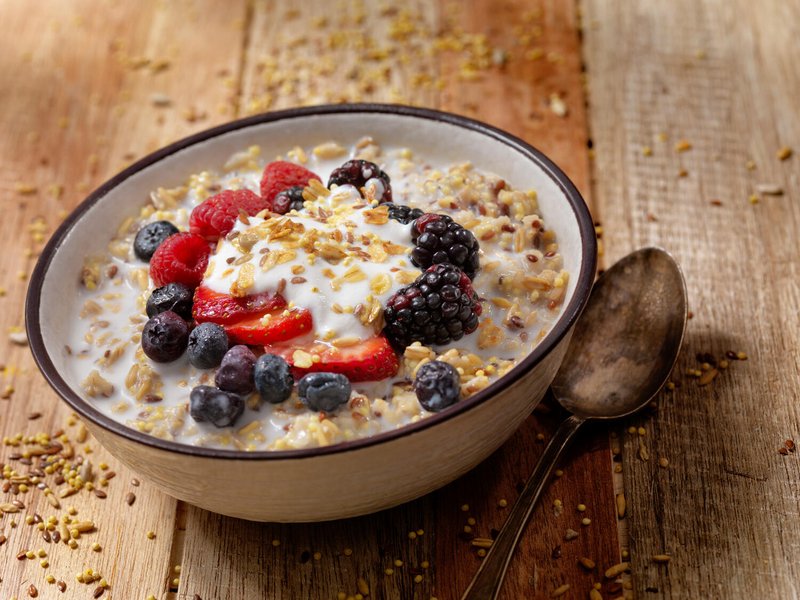
Start your day with a hearty and nutritious 6-grain hot cereal that will keep you energized and satisfied. Prepare a big batch over the weekend and enjoy a warm, comforting breakfast all week long. @MayoClinic

6-grain hot cereal

Start your day with a hearty and nutritious 6-grain hot cereal that will keep you energized and satisfied. Prepare a big batch over the weekend and enjoy a warm, comforting breakfast all week long. Top it with your favorite fruits or a dollop of yogurt for added natural sweetness.

Servings: 14
Serving Size:
½ cup

Nutritional Information Per Serving

  • 114 calories 
  • 1 g total fat
  • 0 g saturated fat 
  • 0 g transfat
  • 0 g monounsaturated fat 
  • 0 mg cholesterol 
  • 74 mg sodium
  • 21 g total carbohydrate 
  • 3 g dietary fiber 
  • 0 g total sugars 
  • 4 g protein

Ingredients 

  • ½ cup uncooked pearl barley
  • ½ cup uncooked red wheat berries
  • ½ cup uncooked brown rice
  • ¼ cup uncooked steel cut oats
  • 3 tablespoons uncooked quinoa
  • 2 tablespoons of flaxseed
  • ½ teaspoon kosher salt
  • 1 ½ quarts water

Directions   

  1. In a large saucepan, combine the barley, wheat berries, rice, oats, quinoa, flaxseed and salt.
  2. Pour water over ingredients, stir and bring to a boil over medium heat.
  3. Reduce heat to low and simmer for 45 minutes, stirring occasionally.

Dietitian’s tip:

Make a big batch of this cereal on the weekend and reheat all week. Top with fruit or yogurt to add natural sweetness.

Created by the executive wellness chef and registered dietitians at the Mayo Clinic Healthy Living Program.

7 Reasons Why Cottage Cheese Is Good for You @ClevelandClinic

This dairy product can help you lose weight, manage blood sugar and strengthen bones

Cottage cheese doesn’t typically receive a lot of attention. It gets left out from the fancy cheese counter at the grocery store. It doesn’t make the cut for a charcuterie (meat and cheese) board. And it isn’t typically included in recipes for favorite foods such as pizza, grilled cheese or baked ziti.

It’s a soft, white, fresh cheese that’s different in texture and taste than more popular cheddar, Parmesan and blue cheeses. But cottage cheese holds a prominent place in the dairy aisle for good reasons, says registered dietitian Julia Zumpano, RD, LD.

“It’s a portable food that’s easy to add to your diet,” she says. “And cottage cheese offers lots of health benefits.”

As a dairy product, cottage cheese is a great calcium source, which is important for bone health. Having healthier bones makes you less likely to get osteoporosis (weak bones). Cottage cheese in your diet can even help with your blood sugar levels.

Thinking about giving cottage cheese a go? Zumpano explains what you need to know.

Is cottage cheese healthy?

Cottage cheese is low in calories while providing protein and vital nutrients, Zumpano says, making it one of the healthiest cheeses you can eat. It’s made by curdling pasteurized (sterilized) cow’s milk — when milk turns acidic, the milk protein separates and forms curds (clumps). These loose curds serve as the base for cottage cheese.

Depending on the fat content of curdled dairy milk, cottage cheese is available as nonfat, low fat (1% or 2%) or whole fat. The milk type affects the nutritional content.

“To get the most bang for your buck, choose a low-fat or even full-fat cottage cheese,” Zumpano advises. “Nonfat cottage cheese may sound like a good idea, but it contains less protein and won’t be as satisfying.” Full-fat cottage has 1.5 grams more of saturated fat when compared to 2% but can be the most satisfying.

Health benefits of cottage cheese

Cottage cheese may be mild in flavor, but it packs a punch when it comes to potential health benefits. Some of the many benefits of cottage cheese include:

Provides good nutrition

A 100-gram serving (just under a half cup) of low-fat (2%) cottage cheese provides:

Source: U.S. Department of Agriculture

Aids in weight loss

Three factors make cottage cheese a great choice if you’re looking to lose pounds or maintain your weight:

  • High in protein: Research finds that eating a high-protein diet helps curb your appetite and manage hormones associated with appetite, digestion and insulin release.
  • Low in fat: Full-fat cottage cheese contains less fat than some other cheeses (4% fat versus 30% fat in cheddar), and its high protein makes it an excellent low-fat option.
  • Provides calcium: Studies show that increasing calcium can help you lose weight when combined with a calorie-restricted diet.

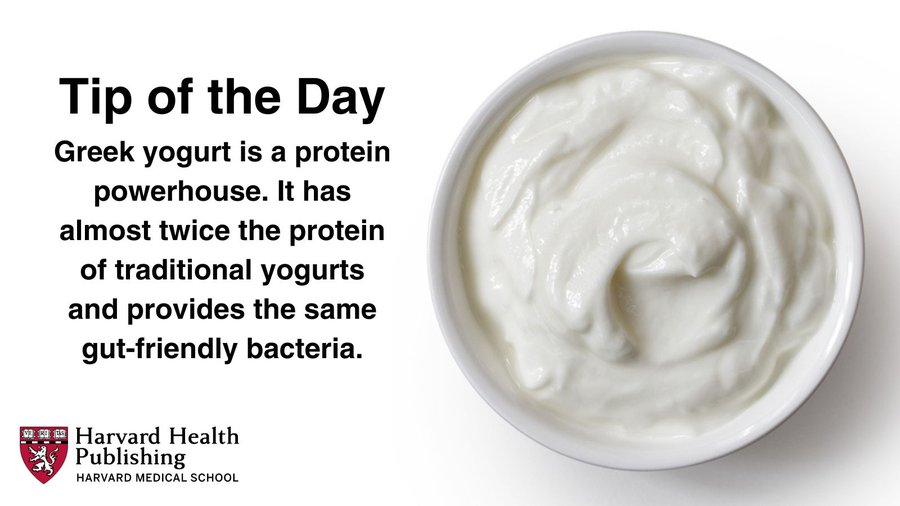
Cottage cheese isn’t the only dairy food to provide these advantages. Greek yogurt can also check these boxes. But if you’re deciding between the two, Zumpano recommends cottage cheese. “Full-fat cottage cheese and full-fat Greek yogurt have the same amount of fat, but cottage cheese has 25% more protein.”

Provides essential amino acids

Cottage cheese is rich in casein (pronounced “KAY-seen”) protein. It’s a complete protein that provides essential amino acids, which are all the building blocks of protein that your body needs.

Amino acids help your body work smoothly. They affect your:

“Eating cottage cheese as part of a balanced diet is an easy way to ensure your body gets everything it needs,” says Zumpano.

Supports bone health

Cottage cheese has three nutrients that help promote healthy bones:

  • Calcium helps prevent osteoporosis that can lead to bone fractures.
  • Phosphorus is critical for proper bone development and strength, especially during growth spurts or when healing from a fracture.
  • Protein helps maintain bone mineral density and can reduce the risk of fractures.

Bone health is critical as you age,” Zumpano shares. “Adding cottage cheese to your diet is an easy way to strengthen them.”

Helps you control blood sugar levels

Plain cottage cheese is low in carbohydrates, making it a great option for anyone watching their blood sugar. The slow-digesting casein protein in cottage cheese also helps prevent blood sugar spikes.

“To get this benefit of cottage cheese, choose plain cottage cheese,” Zumpano recommends. “Avoid cottage cheese pre-packaged with fruit and check the label for added sugar.”

Contributes to a balanced gut

Probiotics are live microorganisms that can improve the balance of good and bad bacteria in your gut (gut microbiota). The curdling process used to produce cottage cheese adds beneficial bacteria that can promote better gut health. But unlike Greek and regular yogurt, which almost always contain probiotics, not all cottage cheese is created equal.

“If you want cottage cheese that provides probiotics,” Zumpano says, “check the label to see if it says it contains ‘live and active cultures.’”

Promotes muscle development

The slow-release protein in cottage cheese doesn’t just help with digestion. It’s also important for building muscle tissue and helping your muscles recover after a workout.

“Casein protein provides your cells with amino acids consistently over a longer period, which helps muscles recover instead of breaking down,” Zumpano explains. Consider having cottage cheese after a workout to get the maximum benefit for your muscles.

Reduces your risk of some cancers

Research shows that increasing dairy intake may lower your risk for some (though not all) cancers. “There’s still a lot to learn about the connection between dairy and cancer prevention,” Zumpano states. “But it’s clear there are protective benefits to including dairy in a balanced diet.”

Experts believe getting more calcium may offer protection from:

  • Bladder cancer.
  • Breast cancer.
  • Colorectal cancer.
  • Stomach (gastric) cancer.

Tips for adding cottage cheese to your diet

The United States Department of Agriculture (USDA) recommends that adults get three cups of dairy daily. Cottage cheese can help you reach that goal.

When you incorporate cottage cheese into your diet, remember to:

  • Check the nutrition label: Single-serve containers of cottage cheese may vary in size and nutritional content.
  • Consider your lactose tolerance: The lactose in cheese decreases with age. As a fresh, unripened cheese, cottage cheese often contains more lactose than aged cheeses. If you have lactose intolerance, consider a cottage cheese that’s lactose-free.
  • Keep an eye on sodium: Cottage cheese can be high in sodium, so opt for low-sodium or sodium-free cottage cheese to protect yourself from high blood pressure and heart disease.
  • Get creative: There are many ways to eat more cottage cheese. Consider adding cottage cheese to your eggs or pancake mix. Bake it into muffins or cakes. Or use it as a substitute for sour cream or ricotta cheese.

FACEBOOKTWITTERLINKEDINPINTERESTEmaildairy

Movement is Life 🧬@HealthBlackrock 💜❤️

Blackrock Health

@HealthBlackrock

·

Blood pressure, cholesterol, alcohol, diabetes, smoking, overweight, stress and sleep all affect the risk of developing heart disease. Learn more about your modifiable risks and help protect your heart here.

https://croi.ie/heart/risk-factors/

Risk Factors • Croi Heart & Stroke Charity

Risk Factors For Heart Disease & Stroke A risk factor is anything that raises a person’s chance of developing heart disease and stroke. There are two types of risk factor, … Risk Factors Read More »

High temperature,infections widespread at this time of year @ClevelandClinic #childtherapy

We all want to protect our kids whether it be from falls, bumps and bruises — or avoidable infections and diseases. To help your child avoid illness, it’s important to encourage good habits and take steps to boost their immune system from an early age.

“Most of what makes a child’s immune system strong is common sense,” says pediatrician Adriane Lioudis, MD. If you keep these five tips in mind, you’ll stack the deck in your child’s favor for a healthier life.

1. For newborns, consider breastfeeding

While it’s a very personal decision (that isn’t always possible), if you are able to exclusively breastfeed your child for at least six months, it may have benefits. Some research shows that breastfeeding your child might possibly reduce allergies, Dr. Lioudis says.

2. Promote regular hand washing

Eighty percent of infections are spread by touch. Teach your little one to take the time to wash their hands after sneezing, coughing and going to the bathroom. Washing hands with warm water and soap for at least 20 seconds can remove bacteria and viruses and can reduce the chance of lung infections by up to 45%.

3. Don’t skip immunizations

Follow your pediatrician’s advice when it comes to the childhood vaccination schedule. Immunizations start in infancy and continue to adulthood and prevent measlesmumpschickenpoxrotavirus and other infections.

“Get the flu shot for your child yearly, as well,” Dr. Lioudis says. This is particularly important for children with asthma and other chronic health conditions.

Also, if your family will be traveling internationally, it’s important to seek advice from your child’s healthcare provider about any needed vaccinations.

4. Make sleep a priority

To maximize immunity, children must get enough sleep.

Sleep requirements for each night vary by age:

  • Babies between 0 and 3 months need 14 to 17 hours of sleep. Those between 4 and 12 months need 12 to 16 hours of sleep.
  • Children between the ages of 1 and 2 need between 11 and 14 hours.
  • Kids between the ages of 3 and 5 should get from10 to 13 hours.
  • Children ages 6 to 12 should get between 9 and 12 hours.
  • Teens between the ages of 13 to 18 need 8 to 10 hours.

Not getting enough sleep limits the body’s ability to produce proteins called cytokines that help fight infection and reduce inflammation.

5. Encourage a healthy diet

healthy diet is also important for your child’s immune system.

Dr. Lioudis recommends encouraging your child to “eat the rainbow” when it comes to fruits and vegetables. A good selection of whole grains should be part of their diet as well. Keep processed foods to a minimum. Proper food choices can help ensure that your child gets enough vitamins — such as vitamin A and E. These vitamins are needed to maintain good health and a strong immune system.

You can’t avoid all illness, but some kids need extra protection

“Even if you follow these tips, your child might still get between seven and 11 colds each year,” says Dr. Lioudis. She adds that you can expect each one to last up to two weeks.

Also, keep in mind that some things billed as common “remedies” aren’t effective in boosting immunity. For example, there’s no definitive proof that large amounts of vitamin C or echinacea help prevent colds or shorten them, she says.

However, if your child has a compromised immune system, work closely with your pediatrician to find ways to improve his or her immunity. Each child needs a personalized approach because their individual immune system varies, Dr. Lioudis says.

“There’s generally a different protocol with immunocompromised children. There are some vaccines we have to add in on top of what most children have, but it’s something that we must determine on a case-by-case basis.

“When you create a meal centered around vegetables, you’re taking steps to improve and maximize your health,” says Liz Moore @HarvardHealth #nutrition

Harvard Health

@HarvardHealth

·

“When you create a meal centered around vegetables, you’re taking steps to improve and maximize your health,” says Liz Moore, registered dietitian at Beth Israel Deaconess Medical Center. Try these three meals today. — #HarvardHealth #Diet #Nutrition

Meatless Mondays, meet summer’s bounty: a wide variety of colorful, fresh summer vegetables now available in grocery stores, backyard gardens, and farmer’s markets. We’re talking sunshiny golden corn on the cob, deep purple eggplant, red beets, peppers of all hues, not to mention tomatoes, zucchini, green beans, cucumbers, and more. With a bit of simple prep, they’re ready to take center stage on your plate, reinforcing the joy of summer.

“Vegetables in our diet provide many benefits. And when you create a meal centered around them, you’re taking steps to improve and maximize your health,” says Liz Moore, the author of a heart-healthy cookbook and a registered dietitian at Harvard-affiliated Beth Israel Deaconess Medical Center.

Centering healthy vegetables on your plate

Making vegetables the stars of a meal is part of the “veg-centric” movement, which teaches people how to elevate even average vegetables to creative entrées and side dishes. The trend gives vegetables bold flavors by grilling, layering, caramelizing, or roasting them — steps you can take with a backyard grill or stovetop skillet.

Summer veggie meals have lots of important health perks. “Vegetables such as eggplant and beets of all colors are rich in fiber, Moore says. “Eating a high-fiber diet helps lower cholesterol and is linked to heart health, digestive health, and helping to maintain stable blood sugar levels. For those trying to lose weight, vegetables are low in calories and provide volume, which helps keep you full.”

Summer vegetables also have a wide variety of essential vitamins, minerals, and phytochemicals (beneficial plant chemicals) like flavonoids. “For example, carotenoids in cooked tomatoes are rich in lycopene, which is associated with inhibiting cancer growth and boosting the immune system. And beets are a good source of folate and potassium,” Moore says.

Three easy summer vegetable meals

Wondering what to do with the colorful harvest available to you? Moore suggests keeping it simple by making a meal of vegetables paired with whole grains or legumes (beans or lentils). Here are three meals that fill the bill.

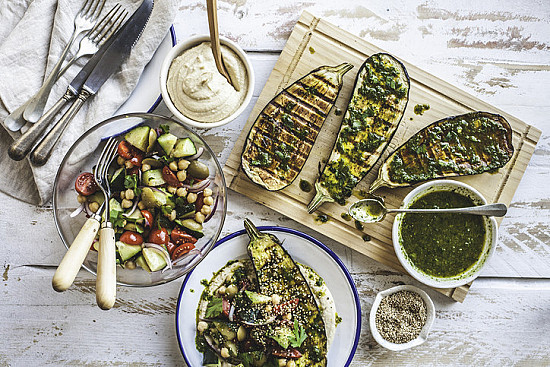
Grilled eggplant steak with cucumber, tomato, onion, chickpea, and feta salad

  1. Slice an eggplant (from root to stem) into three-inch thick “steaks.” On each side, drizzle olive oil and a little black pepper. Grill on both sides until tender.
  2. Dice two tomatoes, one cucumber, and half a red onion. Add a can of rinsed, drained chickpeas. Toss with a dressing of olive oil, a little red wine vinegar, and oregano to taste.
  3. Serve the salad over the eggplant steak. Top with some diced feta cheese, if you like.

Veggie pita pocket with gazpacho

  1. Put a couple of tomatoes, a cucumber, a green pepper, half a red onion, some bread crusts, and a little olive oil into a blender. Blend until chunky or finer, as you prefer. Add salt, pepper, and cumin to taste, blending for a few more seconds. Chill for 30 minutes.
  2. Open a whole-wheat pita and spread a tablespoon of hummus inside. Add slices of zucchini and carrots, and some arugula, salad greens, or other vegetables that appeal to you.
  3. Serve the pita with half a cup of the gazpacho.

Quinoa-stuffed red peppers

Based on a recipe from BIDMC’s CardioVascular Institute’s Hungry Heart Cookbook by Liz Moore, RD, LDN

  1. Cut peppers in half, remove seeds, and lay them open side up on a dish.
  2. Mix cooked quinoa, diced tomatoes, and corn off the cob (you can grill the corn first and cut off the kernels for a special summer flair). Add low-fat grated cheddar cheese, canned (rinsed) black beans, one egg, and some spices to taste, such as a bit of cumin, chili powder, salt, and pepper.
  3. Use the mixture to stuff the peppers evenly, and then cook them on the grill in a grilling basket for about 30 minutes. You can also cook them in the oven at 350° F on a cookie sheet or in a roasting pan, checking at 30 minutes to see if they are done.

Other ideas include

  • grilled veggie kebabs with chunks of eggplant, zucchini, cherry tomatoes, and mushrooms. Serve on a bed of lettuce and add a little goat cheese.
  • whole-wheat pasta with a mix of sautéed vegetables that appeal to you.
  • salad with green leaf lettuce, raw green beans, cherry tomatoes, Kalamata or black olives, and half a hard-boiled egg. Top with a dressing you enjoy.

Which combinations of summer vegetables you choose can depend on cost, taste preferences, and how much time you want to spend cooking. If you’re in a hurry, go with a salad. If you have more time, try grilling or sautéing vegetables.

Finally, be open to inspiration from the bounty you see at the market. “Focus on getting a variety of colors in the vegetables you choose. The more colors there are on the plate, the more nutrients you’ll be consuming,” Moore says. “And try something new. Explore vegetables you’ve never tried before or new methods of cooking. Think of it as one of summer’s glorious adventures.”

About the Author

photo of Heidi Godman

Heidi Godman, Executive Editor, Harvard Health Letter

Heidi Godman is the executive editor of the Harvard Health Letter. Before coming to the Health Letter, she was an award-winning television news anchor and medical reporter for 25 years. Heidi was named a journalism fellow … See Full Bio

View all posts by Heidi Godman