https://www.instagram.com/reel/DTcwHoClNZx/?igsh=MWI0MWRzODdwMjZ2OQ==
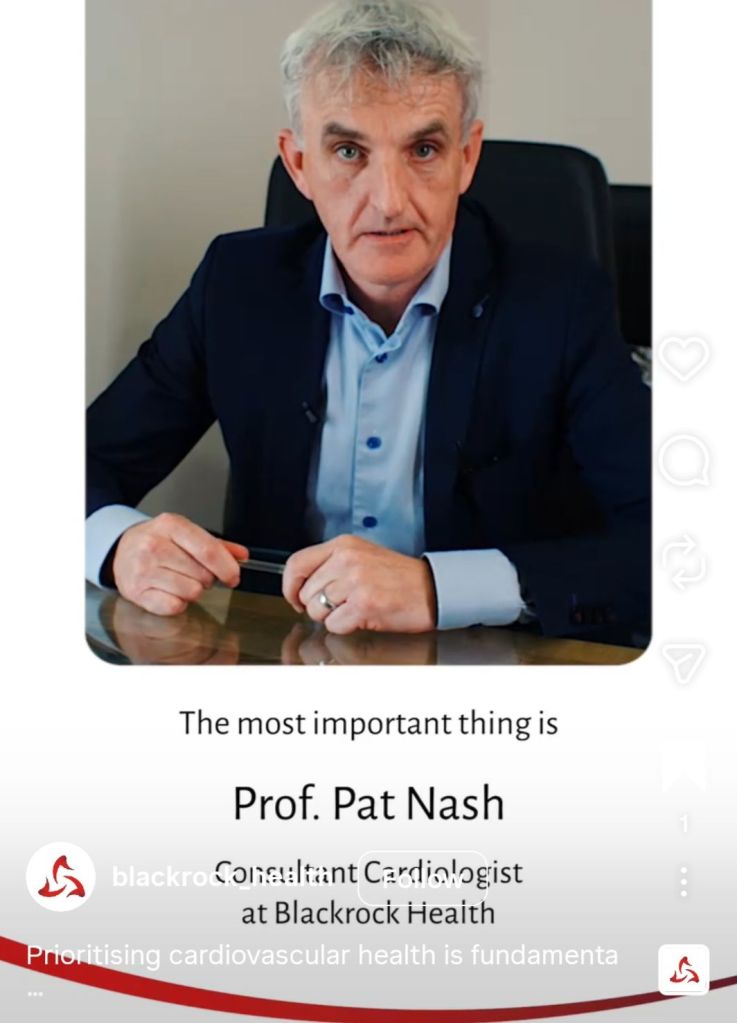

Health is Wealth
Physiotherapy (also known as physical therapy) places full and functional movement at the heart of what it means to be healthy. It involves treating patients of all ages with a range of illnesses and conditions, including those with back and neck problems, sports injuries, arthritis, or those recovering from strokes and operations. The focus of our treatment is exercise prescription.
Physiotherapists may be part of a multidisciplinary medical team that includes physicians, nurses, speech and language therapists, psychologists, occupational therapists and social workers among others. Alternatively, they may work from clinics or specialise in particular areas of the discipline.
Physiotherapy is both physically and academically demanding and an interest in working with people is an requirement, alongside strong communication skills. Visiting a local general hospital or other area where physiotherapists work will give you a good understanding of what exactly is involved.
Physiotherapy is based in the Trinity Centre for Health Sciences in a purpose built complex at St. James’s Hospital. This complex houses other health science disciplines and allows physiotherapy students to share courses with those in the other health sciences to give a multidisciplinary approach to studying and working. The centre is about 3km from the main campus and is beside a Luas station on the line running between Tallaght and Connolly Station.
All students will have clinical placements at Trinity’s associated teaching hospitals of St. James’s and AMNCH in Tallaght, where there is an established expertise in most areas of physiotherapy. These placements allow students to gain experience in some of the specialist areas of physiotherapy including neurology, respiratory care, coronary care, orthopaedics, women’s health, care of the elderly, sports and out-patients.
Successful completion of the course entitles you to membership of the Irish Society of Chartered Physiotherapists, the accrediting body for physiotherapy in Ireland. Physiotherapists are sought throughout the world and you will be able to work with a wide range of conditions or to specialise, as you wish. There is also great scope for you to continue to develop your skills and expertise in areas such as sports medicine, neurology, cardiology, respiratory, research, education, management or private practice. Students may also work with a professional sports team as part of multidisciplinary athlete support.
The major objective of this four-year course is to enable you to become a competent professional with the ability to work independently with patients. There are two components to Physiotherapy: theory and clinical practice. In the first year the emphasis is on laying a foundation of theoretical knowledge and the second year introduces students to the clinical skills and procedures used by physiotherapists. Clinical sciences are taught mainly in the second and third years. In the third and fourth years students spend up to fifty percent of their time on clinical placement. In the fourth-year, students have an opportunity to develop specialist knowledge in a particular area of physiotherapy and undertake a research project.
In first and second year as you will have approximately 20 hours of teaching each week, divided between lecture and practical classes.
Courses covered in the first two years include: Physiology, Anatomy, Physics, Chemistry, Pathology, and Exercise. You will also start to study various conditions and specialities frequently seen in physiotherapy, such as respiratory conditions and musculoskeletal conditions.
At the end of second year you will start clinical placements under the supervision of skilled and experienced tutors. These may be taken in hospitals, clinics, day centres or within private and community practice.
In the third year, half of the time is spent on academic studies and the other half on clinical placements in a variety of settings both within and outside the Dublin area.
In fourth year, you will undertake an investigative project and study the following subjects: sports and exercise medicine, ergonomics, professional issues and advances in physiotherapy.
End-of-year written examinations and tests in certain subjects, such as anatomy, make up the theoretical assessment structure. There are a number of submitted assignments in third and fourth years.
In addition, you will be continuously assessed during your clinical placement and will have practical exams on the skills element of the course, including your assessment of a patient while on a clinical placement.
Click here for further information on modules/subjects.


and
Liked by tinasjourney123 and others


·
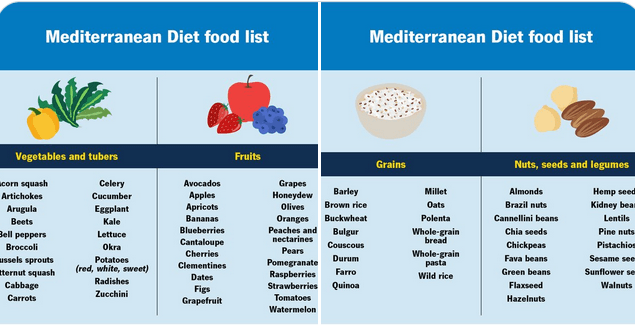
The Mediterranean Diet can lower your risk of cardiovascular disease and many other chronic conditions. It encourages you to eat plenty of some foods (like whole grains and vegetables) while limiting others. If you’re planning a grocery store trip, you might wonder which foods to

Blackrock Health Womens Health Centre is officially open at 2-5 Warrington Place, Dublin 2!
From gynaecology to menopause, cardiology to pelvic health – we offer a wide range of services for every stage of your health journey.
Don’t delay your well-being and book your appointment today.
You can access our clinic directly through our website, or with a referral from your GP. Learn more about our patient-centred approach and book an appointment here: https://ow.ly/jGy850XsMvR
#WomensHealth#BlackrockHealth#NewClinic#BookToday#EmpowerWomen#PuttingWomenFirst

·
The Mediterranean Diet can lower your risk of cardiovascular disease and many other chronic conditions. It encourages you to eat plenty of some foods (like whole grains and vegetables) while limiting others. If you’re planning a grocery store trip, you might wonder which foods to

·
Blood pressure, cholesterol, alcohol, diabetes, smoking, overweight, stress and sleep all affect the risk of developing heart disease. Learn more about your modifiable risks and help protect your heart here.
https://croi.ie/heart/risk-factors/
Risk Factors • Croi Heart & Stroke Charity
Risk Factors For Heart Disease & Stroke A risk factor is anything that raises a person’s chance of developing heart disease and stroke. There are two types of risk factor, … Risk Factors Read More »

We all want to protect our kids whether it be from falls, bumps and bruises — or avoidable infections and diseases. To help your child avoid illness, it’s important to encourage good habits and take steps to boost their immune system from an early age.
“Most of what makes a child’s immune system strong is common sense,” says pediatrician Adriane Lioudis, MD. If you keep these five tips in mind, you’ll stack the deck in your child’s favor for a healthier life.
While it’s a very personal decision (that isn’t always possible), if you are able to exclusively breastfeed your child for at least six months, it may have benefits. Some research shows that breastfeeding your child might possibly reduce allergies, Dr. Lioudis says.
Eighty percent of infections are spread by touch. Teach your little one to take the time to wash their hands after sneezing, coughing and going to the bathroom. Washing hands with warm water and soap for at least 20 seconds can remove bacteria and viruses and can reduce the chance of lung infections by up to 45%.
Follow your pediatrician’s advice when it comes to the childhood vaccination schedule. Immunizations start in infancy and continue to adulthood and prevent measles, mumps, chickenpox, rotavirus and other infections.
“Get the flu shot for your child yearly, as well,” Dr. Lioudis says. This is particularly important for children with asthma and other chronic health conditions.
Also, if your family will be traveling internationally, it’s important to seek advice from your child’s healthcare provider about any needed vaccinations.
To maximize immunity, children must get enough sleep.
Sleep requirements for each night vary by age:
Not getting enough sleep limits the body’s ability to produce proteins called cytokines that help fight infection and reduce inflammation.
A healthy diet is also important for your child’s immune system.
Dr. Lioudis recommends encouraging your child to “eat the rainbow” when it comes to fruits and vegetables. A good selection of whole grains should be part of their diet as well. Keep processed foods to a minimum. Proper food choices can help ensure that your child gets enough vitamins — such as vitamin A and E. These vitamins are needed to maintain good health and a strong immune system.
“Even if you follow these tips, your child might still get between seven and 11 colds each year,” says Dr. Lioudis. She adds that you can expect each one to last up to two weeks.
Also, keep in mind that some things billed as common “remedies” aren’t effective in boosting immunity. For example, there’s no definitive proof that large amounts of vitamin C or echinacea help prevent colds or shorten them, she says.
However, if your child has a compromised immune system, work closely with your pediatrician to find ways to improve his or her immunity. Each child needs a personalized approach because their individual immune system varies, Dr. Lioudis says.
“There’s generally a different protocol with immunocompromised children. There are some vaccines we have to add in on top of what most children have, but it’s something that we must determine on a case-by-case basis.
 Healthaware