7 Potential Health Benefits of Running @EverydayHealth

Experts share the top ways running boosts health, from preventing chronic disease to strengthening bones.
By

Elizabeth Millard

Published on February 23, 2024Medically Reviewed

by

Kara Andrew, RDN, LDN

Add us on Google

Explore This Topic

There’s a reason running remains a popular form of cardio: The health benefits — mental and physical — are numerous.

Even medical professionals are fans: “Running is how I find peace and relaxation. Although I’ve done multiple marathons, it’s really on the everyday runs that I see the most benefits emotionally, and it just keeps me healthy overall,” says Bryant Walrod, MD, a sports medicine specialist at the Ohio State University Wexner Medical Center in Columbus.

If you’re not running currently and you want to get started, Dr. Walrod emphasizes the importance of integrating the sport gradually into your exercise routine to build up stamina and strength — and avoid injury.

And if you have any health conditions, particularly heart issues, talk to your doctor before starting, Walrod adds.

Learn what health perks running offers and why it’s a worthwhile addition to your fitness routine.

RELATED: 5 Weird Things Running Does to Your Body

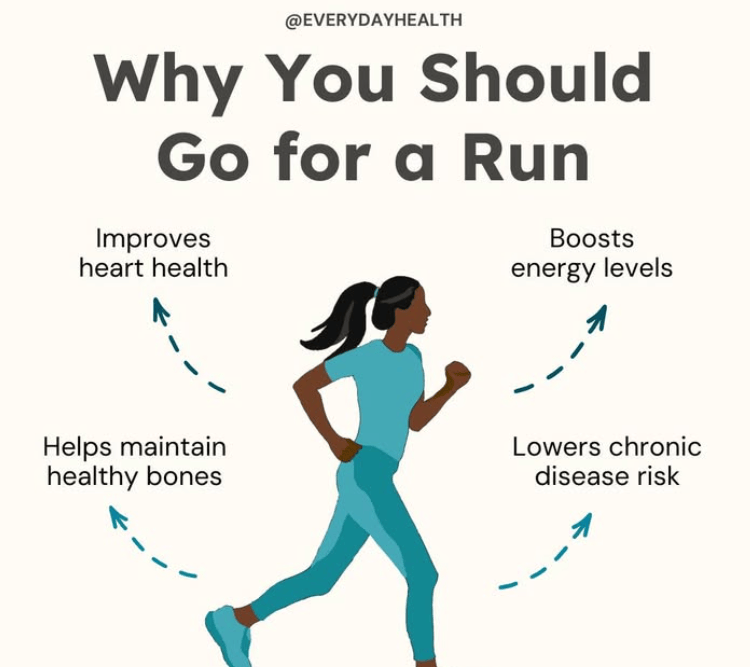
1. Running Builds Cardiovascular Fitness

One of running’s biggest claims to fame is its ability to boost aerobic or cardiovascular fitness, which the Cleveland Clinic defines as how well your heart and lungs can supply the oxygen you need to exercise at medium to high intensity.

[1]

Aerobic fitness is often measured by VO2 max, or the maximum amount of oxygen a person can utilize during intense exercise.

[2] A higher VO2 max typically is a sign of greater fitness.

Running, like other forms of cardio, forces your heart and lungs to deliver more oxygen to the bloodstream and muscles than they do at rest. The more you run, the more efficient your heart and lungs become.

[3] This not only helps you run longer and faster but also makes everyday aerobic activities like walking and climbing stairs feel more effortless.

2. Running Improves Heart Health

Building your cardiovascular fitness can pay off in heart health benefits.

For example, a systematic review and meta-analysis of 22 trials found that running can help lower blood pressure in people with chronic high blood pressure (hypertension). However, the greatest results were from running at a moderate pace and lower volume (total running time or mileage).

[4]

In addition, a large-scale study that used data collected from more 55,000 adults over the course of 15 years found that runners were 45 percent less likely to die from a heart attack or stroke than nonrunners. Even running fewer than six miles per week was enough to lower risk, compared with not running.

[5]

3. Running Improves Mood and Energy Levels

Running is a proven mood- and energy-booster.

For example, one study found that jogging for only 15 minutes (approximately one to two miles) improved perceived energy levels in undergraduate students and was more effective than meditation, deep breathing, progressive muscle relaxation, or guided imagery.

[6]

Exercise releases feel-good brain chemicals known as endorphins.

[7] Endorphins act as natural painkillers, create a general feeling of well-being, and are most effectively released by moderate-intensity aerobic exercise like running, notes Harvard Health.

[8]

Some runners are even lucky enough to experience a “runner’s high,” a relatively rare sensation often described as a feeling of bliss. Research suggests this sensation happens when the endocannabinoid system (which helps regulate pain perception, memory, mood, appetite, and many other bodily systems) gets triggered.

[9]

“When you run, it stimulates the release of endocannabinoids, which are your body’s natural pain relief medications, and that’s what gives you that ‘runner’s high’ feeling,” says Jordan Tishler, MD, an internal medicine physician at Brigham and Women’s Hospital in Boston, Massachusetts, who specializes in endocannabinoid medicine.

4. Running Maintains Healthy Bones

Running is a high-impact activity, which means there’s a moment when both feet leave the ground. That tends to generate concern about whether running places too much stress on your joints and bones, especially in older runners.

But research suggests that usually the opposite is true.

For example, a study published in 2021 in JBMR Plus assessed bone mineral density scans taken 10 years apart in sprinters between the ages of 40 and 85. Researchers found that those who ran regularly maintained — and even improved — their bone density over time. Meanwhile, those who reduced their training saw a decline in bone health.

[10]

The stress of running spurs your bones to adapt and become stronger, explains the study’s lead author Tuuli Suominen, PhD, a researcher at the University of Jyväskylä in Finland.

However, it’s important to start with less intense exercises and progress your running slowly, she adds. If you ramp up your mileage and intensity too quickly, your bones may not adapt quickly enough, increasing injury risk. Research suggests that incorporating strength training with foam rolling into your routine can help lower injury risk, too.

[11]

5. Running May Lower Chronic Disease Risk

As a form of physical activity, running can help prevent chronic conditions like obesity, type 2 diabetes, heart disease, and many types of cancer, per the Centers for Disease Control and Prevention.

[12]

Research in more than 1,000 adults showed that runners had a 28 percent lower risk of developing type 2 diabetes during an average follow-up period of 6.5 years, compared with nonrunners.

[13]

“Regular running can also be useful for weight management,” Walrod adds. “That often creates a beneficial ripple effect on your health.”

6. Running May Help You Live Longer

Running may prolong your life by improving your health and lowering your risk of chronic disease. In fact, research shows that runners generally have a 25 to 40 percent reduced risk of early death, compared with nonrunners. Moreover, runners tend to live three years longer than their nonrunning counterparts.

[14]

RELATED: The Last Word: Do You Really Need to Take 10,000 Steps a Day?

7. Running May Help With Weight Loss

Aerobic activities like running can burn many calories — between 240 and 336 in 30 minutes at a 5-miles-per-hour pace, per estimates from Harvard Health.

[15] Boosting your intensity also boosts your calorie burn.

By increasing the number of calories you burn during the day, you may be able to create a calorie deficit for weight loss. But know that exercise is only part of the weight loss equation; dietary changes are needed, too.

For example, one study involving 538 new runners found that those who ran five kilometers (approximately 3.1 miles) per week without changing their diet had an average weight loss of 5.6 kilograms (approximately 12.3 pounds) over one year. Meanwhile, those who ran and made dietary changes lost roughly 9.4 kilograms (20.7 pounds).

[16]

RELATED: Everyday Health Special Report: Weight Loss Reframed

The Takeaway

Running offers many health benefits, ranging from improved cardiovascular fitness and heart health to enhancing mood and boosting energy. Running can also promote healthier bones, help manage or prevent chronic diseases, and potentially extend your lifespan. When starting out, it is important to ease into a running routine gradually to build strength and endurance while avoiding injury.


Does alcohol (wine) cause hair loss? @EverydayHealth

Two women laughing together while holding glasses of red wine
Two friends share laughter and wine during a relaxed evening at home.

Note: While research on alcohol is evolving, the World Health Organization says drinking less or not at all is better for your health.

If you’ve noticed your hair thinning or that you’re losing hair more rapidly, you may be wondering whether your alcohol consumption is to blame. After all, alcohol is tied to a wide range of health issues, from liver disease to nutrient deficiencies and cardiovascular conditions — more than 200 health conditions in all.

[1] Could it also be contributing to your hair loss?

The short answer: Alcohol itself isn’t a direct, proven cause of hair loss. But excessive drinking may contribute to factors that negatively affect hair health, such as nutritional deficiencies, dehydration, hormonal disturbances, and immune system impairment.

[1]

“There’s no direct causal relationship that’s been defined. What we see instead is a suggested link, especially with androgenic alopecia, or pattern hair loss. And it may depend on the type and amount of alcohol consumed,” says Chris Adigun, MD, a dermatologist in private practice in Chapel Hill, North Carolina.

Here’s a closer look at what the science says if you’re worried about the potential role of alcohol in your hair health.

Alcohol and Hair Loss: What the Science Shows

Currently, there’s no strong evidence that alcohol directly causes hair loss. But researchers have studied how drinking causes ripple effects on overall health, including indirectly influencing hair loss.

One research review that included 17 studies and more than 61,000 participants — mostly women — found that consuming higher amounts of sugary drinks and alcohol was linked to more hair shedding. The researchers even suggest that limiting alcohol may be beneficial in supporting hair health, though further research is needed to confirm the findings.

[2]

The research review isn’t able to determine the two are linked, but some clear factors are at play, says Julia Zumpano, RD, a registered dietitian at Cleveland Clinic’s Digestive Disease & Surgery Institute in Ohio. 

“One probable cause could be the role these beverages play in the gut microbiome and nutrient absorption,” Zumpano says. 

Excessive drinkers may also eat less nutrient-dense foods and may be deficient in nutrients crucial to hair health, such as vitamin D, iron, protein, and B12, she says. Chronic nutrient deficiency can weaken the hair’s structure and cause thinning.

[3]

Both theories are backed by research. It’s been established that chronic alcohol use is tied to malnutrition via alcohol’s effects on the small intestine’s ability to absorb key nutrients.

[4]

Genetics are another key factor, according to research. One study that looked at more than 1,100 men who were diagnosed with androgenetic alopecia found that regular drinkers had a 61 percent increased risk that their pattern hair loss would advance to moderate or severe stages.

[5]

In this case, the researchers said doctors should consider counselling patients with a genetic predisposition to hair loss to steer away from alcohol as a preventive measure.

[5]

And then there’s the stress on the body that alcohol may cause, Dr. Adigun says. Excessive drinking can disrupt sleep, trigger dehydration, and weaken the immune system, all of which can indirectly affect hair health.

[6]Should You Drink if You Have Hair Loss?

If you’re already dealing with hair thinning or shedding, do you need to stop drinking altogether? The answer depends on how much you drink and your overall health.

Based on the research, if you’re genetically predisposed to hair loss, Adigun suggests limiting alcohol consumption to avoid accelerating the process. “If someone has a family history of androgenic alopecia, for example, adding alcohol as another risk factor is inadvisable if they want to keep their hair,” she says.

But for most adults, moderate drinking — up to one drink per day for women and two for men, according to U.S. dietary guidelines — is unlikely to directly trigger hair loss, Adigun says.

[7]

If you drink excessively, cutting back may support your hair health indirectly by lessening the negative impact on your sleep, immune system, and your ability to absorb nutrients. 

The term “excessive drinking” typically refers to binge drinking or heavy drinking. Binge drinking consists of consuming multiple drinks on a single occasion — 4 or more for women, 5 or more for men. Heavy drinking is defined as consuming 8 or more drinks per week for women, or 15 or more for men.

[8]

Your best bet is to meet with a dermatologist, who can help sort out the underlying causes of your hair loss — whether they’re genetic, hormonal, nutritional, or related to other health conditions. A dermatologist can run tests, identify the type of hair loss, and create a treatment approach that may combine medications, supplements, and lifestyle changes.

[9]

“Hair loss doesn’t happen in a vacuum, it’s complex. Alcohol is one piece of the puzzle, but we also need to look at genetics, lifestyle, and other contributing factors,” Adigun says.

Does Alcohol Interact With Hair Loss  Medications?

If you’re taking medication for hair loss, you may wonder whether alcohol is safe. Some hair regrowth treatments don’t interact with alcohol, but others may increase your risk of side effects when combined with drinking.

Always ask your doctor or pharmacist before combining the two.

Here’s a look at some common treatments for hair loss and their potential interactions.

Minoxidil (Rogaine)

Topical application of minoxidil has no known alcohol interactions, but oral minoxidil may increase the risk of severe hangovers in people who are drinking heavily while taking the medication.

[10]

[11]

Finasteride (Propecia)

There are no major interactions with alcohol while taking this medication.

[12]

Spironolactone (Aldactone)

This medication is used off-label for female pattern hair loss. While taking it, women should stick within recommended guidelines for daily alcohol consumption — one drink per day or less. Alcohol can make some people feel dizzy or sleepy. If this happens to you, try not to drink alcohol while taking spironolactone.

[13]

[7]

Adigun also reminds people who are already exploring hair restoration options, such as topical and oral medications or injections, to try not to undermine their progress by drinking. 

“If you’re doing treatments like minoxidil or [platelet-rich plasma injections] and at the same time, [you’re] drinking moderately or heavily, you’re adding a risk factor that we know increases [hair loss] severity,” she says. “Why continue a habit that worsens the condition you’re trying to treat?”

The Takeaway

  • Alcohol hasn’t been proven to directly cause hair loss, but excessive drinking can worsen hair shedding indirectly by disrupting sleep, hydration, and nutrient absorption — all of which can affect hair health.
  • Genetics play a key role in pattern baldness — and if you’re predisposed to androgenic alopecia, research suggests that alcohol may accelerate the process.
  • If you’re treating hair loss with medications or procedures, cutting back on alcohol can help you get the best results and avoid undermining your progress. Work with a dermatologist to understand what may be causing your hair loss.

Resources We Trust

Share

Does alcohol (wine) cause hair loss?

Two women laughing together while holding glasses of red wine
Two friends share laughter and wine during a relaxed evening at home.

Note: While research on alcohol is evolving, the World Health Organization says drinking less or not at all is better for your health.

If you’ve noticed your hair thinning or that you’re losing hair more rapidly, you may be wondering whether your alcohol consumption is to blame. After all, alcohol is tied to a wide range of health issues, from liver disease to nutrient deficiencies and cardiovascular conditions — more than 200 health conditions in all.

[1] Could it also be contributing to your hair loss?

The short answer: Alcohol itself isn’t a direct, proven cause of hair loss. But excessive drinking may contribute to factors that negatively affect hair health, such as nutritional deficiencies, dehydration, hormonal disturbances, and immune system impairment.

[1]

“There’s no direct causal relationship that’s been defined. What we see instead is a suggested link, especially with androgenic alopecia, or pattern hair loss. And it may depend on the type and amount of alcohol consumed,” says Chris Adigun, MD, a dermatologist in private practice in Chapel Hill, North Carolina.

Here’s a closer look at what the science says if you’re worried about the potential role of alcohol in your hair health.

Alcohol and Hair Loss: What the Science Shows

Currently, there’s no strong evidence that alcohol directly causes hair loss. But researchers have studied how drinking causes ripple effects on overall health, including indirectly influencing hair loss.

One research review that included 17 studies and more than 61,000 participants — mostly women — found that consuming higher amounts of sugary drinks and alcohol was linked to more hair shedding. The researchers even suggest that limiting alcohol may be beneficial in supporting hair health, though further research is needed to confirm the findings.

[2]

The research review isn’t able to determine the two are linked, but some clear factors are at play, says Julia Zumpano, RD, a registered dietitian at Cleveland Clinic’s Digestive Disease & Surgery Institute in Ohio. 

“One probable cause could be the role these beverages play in the gut microbiome and nutrient absorption,” Zumpano says. 

Excessive drinkers may also eat less nutrient-dense foods and may be deficient in nutrients crucial to hair health, such as vitamin D, iron, protein, and B12, she says. Chronic nutrient deficiency can weaken the hair’s structure and cause thinning.

[3]

Both theories are backed by research. It’s been established that chronic alcohol use is tied to malnutrition via alcohol’s effects on the small intestine’s ability to absorb key nutrients.

[4]

Genetics are another key factor, according to research. One study that looked at more than 1,100 men who were diagnosed with androgenetic alopecia found that regular drinkers had a 61 percent increased risk that their pattern hair loss would advance to moderate or severe stages.

[5]

In this case, the researchers said doctors should consider counselling patients with a genetic predisposition to hair loss to steer away from alcohol as a preventive measure.

[5]

And then there’s the stress on the body that alcohol may cause, Dr. Adigun says. Excessive drinking can disrupt sleep, trigger dehydration, and weaken the immune system, all of which can indirectly affect hair health.

[6]Should You Drink if You Have Hair Loss?

If you’re already dealing with hair thinning or shedding, do you need to stop drinking altogether? The answer depends on how much you drink and your overall health.

Based on the research, if you’re genetically predisposed to hair loss, Adigun suggests limiting alcohol consumption to avoid accelerating the process. “If someone has a family history of androgenic alopecia, for example, adding alcohol as another risk factor is inadvisable if they want to keep their hair,” she says.

But for most adults, moderate drinking — up to one drink per day for women and two for men, according to U.S. dietary guidelines — is unlikely to directly trigger hair loss, Adigun says.

[7]

If you drink excessively, cutting back may support your hair health indirectly by lessening the negative impact on your sleep, immune system, and your ability to absorb nutrients. 

The term “excessive drinking” typically refers to binge drinking or heavy drinking. Binge drinking consists of consuming multiple drinks on a single occasion — 4 or more for women, 5 or more for men. Heavy drinking is defined as consuming 8 or more drinks per week for women, or 15 or more for men.

[8]

Your best bet is to meet with a dermatologist, who can help sort out the underlying causes of your hair loss — whether they’re genetic, hormonal, nutritional, or related to other health conditions. A dermatologist can run tests, identify the type of hair loss, and create a treatment approach that may combine medications, supplements, and lifestyle changes.

[9]

“Hair loss doesn’t happen in a vacuum, it’s complex. Alcohol is one piece of the puzzle, but we also need to look at genetics, lifestyle, and other contributing factors,” Adigun says.

Does Alcohol Interact With Hair Loss  Medications?

If you’re taking medication for hair loss, you may wonder whether alcohol is safe. Some hair regrowth treatments don’t interact with alcohol, but others may increase your risk of side effects when combined with drinking.

Always ask your doctor or pharmacist before combining the two.

Here’s a look at some common treatments for hair loss and their potential interactions.

Minoxidil (Rogaine)

Topical application of minoxidil has no known alcohol interactions, but oral minoxidil may increase the risk of severe hangovers in people who are drinking heavily while taking the medication.

[10]

[11]

Finasteride (Propecia)

There are no major interactions with alcohol while taking this medication.

[12]

Spironolactone (Aldactone)

This medication is used off-label for female pattern hair loss. While taking it, women should stick within recommended guidelines for daily alcohol consumption — one drink per day or less. Alcohol can make some people feel dizzy or sleepy. If this happens to you, try not to drink alcohol while taking spironolactone.

[13]

[7]

Adigun also reminds people who are already exploring hair restoration options, such as topical and oral medications or injections, to try not to undermine their progress by drinking. 

“If you’re doing treatments like minoxidil or [platelet-rich plasma injections] and at the same time, [you’re] drinking moderately or heavily, you’re adding a risk factor that we know increases [hair loss] severity,” she says. “Why continue a habit that worsens the condition you’re trying to treat?”

The Takeaway

  • Alcohol hasn’t been proven to directly cause hair loss, but excessive drinking can worsen hair shedding indirectly by disrupting sleep, hydration, and nutrient absorption — all of which can affect hair health.
  • Genetics play a key role in pattern baldness — and if you’re predisposed to androgenic alopecia, research suggests that alcohol may accelerate the process.
  • If you’re treating hair loss with medications or procedures, cutting back on alcohol can help you get the best results and avoid undermining your progress. Work with a dermatologist to understand what may be causing your hair loss.

Resources We Trust

Share

Even a small apple a day may help keep diabetes away @HarvardHealth #stayhealthy 😀🤩


Harvard Health

@HarvardHealth

Even a small apple a day may help keep diabetes away: https://bit.ly/33FmI8w #HarvardHealth

News briefs

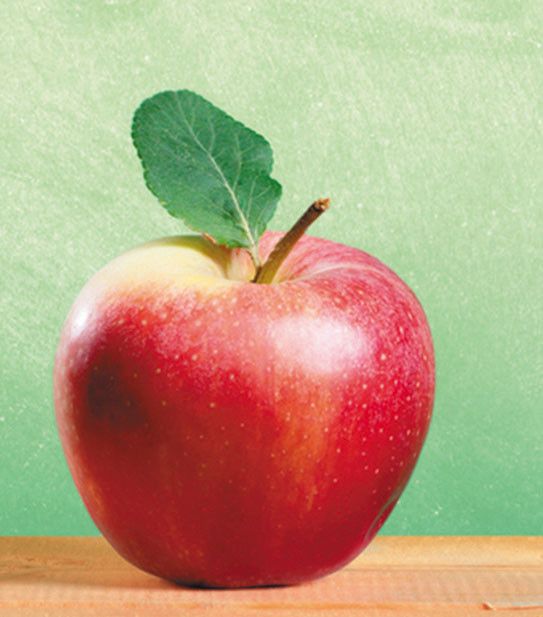
e522fb00-4fdb-4594-bdfa-fb72961f3da7A modest uptick in the amount of fruit and vegetables you eat can help ward off type 2 diabetes, according to a study published online July 8, 2020, by The BMJ. From a much larger study involving some 340,000 people from eight European countries, scientists selected 9,754 participants who were newly diagnosed with diabetes over a decade. Researchers compared the fruit and vegetable intakes of these people to those of about 13,000 participants who remained diabetes-free during the study period. Researchers also measured blood levels of seven key plant-derived nutrients, including vitamin C and brightly colored antioxidant pigments called carotenoids. People with the highest intakes of fruit and vegetables and the highest blood levels of the plant-derived nutrients were 25% to 50% less likely to get diabetes during the study period, compared with those who ate the least of these food groups or had the lowest nutrient levels. Even better, it didn’t take a whole lot of extra green, red, yellow, and orange on the plate to make a dent in diabetes risk. The equivalent of only two-thirds of a medium apple or just over one-third of a cup of mixed fruit each day offered protection.

Image: © RomoloTavani/Getty Images

Even a small apple a day may help keep diabetes away @HarvardHealth #stayhealthy 😀🤩


Harvard Health

@HarvardHealth

Even a small apple a day may help keep diabetes away: https://bit.ly/33FmI8w #HarvardHealth

News briefs

e522fb00-4fdb-4594-bdfa-fb72961f3da7A modest uptick in the amount of fruit and vegetables you eat can help ward off type 2 diabetes, according to a study published online July 8, 2020, by The BMJ. From a much larger study involving some 340,000 people from eight European countries, scientists selected 9,754 participants who were newly diagnosed with diabetes over a decade. Researchers compared the fruit and vegetable intakes of these people to those of about 13,000 participants who remained diabetes-free during the study period. Researchers also measured blood levels of seven key plant-derived nutrients, including vitamin C and brightly colored antioxidant pigments called carotenoids. People with the highest intakes of fruit and vegetables and the highest blood levels of the plant-derived nutrients were 25% to 50% less likely to get diabetes during the study period, compared with those who ate the least of these food groups or had the lowest nutrient levels. Even better, it didn’t take a whole lot of extra green, red, yellow, and orange on the plate to make a dent in diabetes risk. The equivalent of only two-thirds of a medium apple or just over one-third of a cup of mixed fruit each day offered protection.

Image: © RomoloTavani/Getty Images

Dark Chocolate: The Perfect Snack for Stress Relief and Heart Health

cleve chocolate

Dark Chocolate: The Perfect Snack for Stress Relief and Heart Health

cleve chocolate

Dark Chocolate: The Perfect Snack for Stress Relief and Heart Health

cleve chocolate

5 Things Drinking Too Much Alcohol May Be Doing to Your Body

alcohol after 40

When you wake up with a hangover, it’s a no-brainer that last night’s drinks didn’t do you much good. But research shows that the effects of heavy alcohol consumption may be doing much more to your body than just leaving you with one day of misery. Over time, as the drinks add up, alcohol can affect your biology, changing it in detrimental ways.

Excess alcohol consumption can:

1. Change Your DNA — and Make You Crave More Alcohol

Binge drinking, which the National Institute on Alcohol Abuse and Alcoholism (NIAAA) characterizes as more than four or five drinks in a two-hour sitting, and heavy drinking, defined as binge drinking on five or more days a month, can actually change your genetic makeup. A recent study, published in December 2018 in the journal Alcoholism: Clinical & Experimental Research, identified two genes that are subject to change — one affecting the body’s biological clock and one regulating the stress response system. The study’s authors, from Rutgers University, also found that the genetic changes in binge and heavy drinkers were associated with a higher desire for alcohol.

2. Increase the Risk of Cancer — Especially of the Head, Neck, Liver, and Breast

The National Cancer Institute (NCI) cites several studies, such as one published in August 2012 in the journal Annals of Oncology, that have shown consuming alcohol ups the risk of an array of cancers. In 2012, over 5 percent of all new cancer occurrences and nearly 6 percent of all cancer deaths worldwide were estimated to be attributed to alcohol, according to a study published in October 2015 in the International Journal of Cancer. In heavy drinkers, the risk skyrockets. For example, heavy drinkers are 5 times more likely than nondrinkers to contract esophageal cancer, according to the NCI. But even moderate drinking increases the odds of getting cancer of the mouth, throat, and breast. Kathy Jung, PhD, director of the NIAAA’s division of metabolism and health effects, cautions about breast cancer specifically, saying as little as one drink a day can increase risk.

3. Change the Composition of Organisms in the Gut

There are tens of trillions of microorganisms — mostly “good” bacteria — in the digestive tract that help the body do things like digest food and produce vitamins. But alcohol interferes with their composition and function, according to a study published in 2015 in the journal Alcohol Research: Current Reviews, which found that chronic alcohol consumption can cause bacterial overgrowth and imbalances in the intestine. This can result in a slew of digestive issues, including stomach pain, bloating, constipation, diarrhea, and rosacea.

4. Affect Long-Term Memory and Brain Structure

One night of binge or heavy drinking can lead to blackouts, spans of time from which the intoxicated person can’t remember key events and details — if they can remember anything at all. But alcohol consumption can also cause long-term problems with brain function. People who drink heavily, over a long period of time, are at risk of changing the brain’s “hard wiring,” which can lead to cognitive problems even after sobriety is attained, reports American Addiction Centers. Heavy alcohol consumption can also erode brain tissue and raise the risk of stroke, according to previous research.

5. Cause Hormonal Disturbances

Chronic heavy drinking can also wreak havoc on the body’s endocrine system. The hormone producing glands tap into several important functions of the body, including growth and development, metabolism, and mood. Research published in September 2013 in the journal Endocrine and Metabolism Clinics of North America found that drinking heavily, and often, can disrupt communication between the nervous, endocrine, and immune systems. The consequences can be serious and wide ranging. Stress abnormalities, reproductive deficits, body growth defects, and immune dysfunction are just a few of the possible outcomes topping the list.

How Much Alcohol Is Too Much?

Medical professionals advise moderation when it comes to alcohol consumption. More than one drink a day for women and two for men gets into heavy and binge drinking territory, according to dietary guidelines published by the federal government’s Office of Disease Prevention and Health Promotion.

“Having one drink every day of the week is not the same as having seven drinks on a Saturday,” Dr. Jung says. “Binge drinking is never safe.”


Everyday Health
@EverydayHealth

This is what drinking too much does to your body.