Registered dietitian Lara Whitson, RD, LD, shares how watermelon is actually healthy for you, along with five watermelon recipes.
Is watermelon healthy?
Watermelon is 92% water. No surprise there, considering it’s in the name. But more than keeping you hydrated during hot summer days, watermelon has a number of other health benefits. It’s packed with antioxidants like lycopene that can help protect against chronic diseases like diabetes and cardiovascular disease.
And when eaten regularly as part of a healthy balanced diet, it can help make you feel fuller longer. With a low amount of calories, sodium and cholesterol, alongside higher amounts of calcium, vitamin C and magnesium, watermelon is one fruit you don’t want to miss out on year-round. Even the rind and its seeds offer some benefits.
“You can stir-fry the rinds with other vegetables and add spices to the seeds, like you might do with pumpkin seeds, for an easy and healthful snack,” says Whitson.
Watermelon basil granita
This shaved ice dessert gets a fruity twist with watermelon chunks. It also pulls in star ingredients like fresh lime juice and basil leaves, which offer their own health benefits for a refreshing mid-afternoon sweet escape.
Watermelon, tomato and herb salad with feta
Calorie-conscious dishes can still go big on flavor. This refreshing salad, perfect for picnics and cookouts, pairs watermelon with tomatoes bountiful in benefits, alongside red wine vinegar, fresh mint, almonds and feta cheese.
Fresh watermelon fruit smoothie
This is just one of several ways to crank up your chill summer drinks: Puree 1-1 1/2 cups chopped watermelon with 1 cup ice and a little water or fresh juice for a sip-worthy smoothie as you soak in the sun.
Watermelon salad with cucumber, tomato and almonds
This recipe doubles down on the use of veggies by incorporating beefsteak tomatoes, cucumber, a fresh ear of corn and basil, along with a hearty serving of watermelon for a subtly sweet finish.
Fruit salad spring rolls
Not only is this sweet snack filling, but it also puts a dessert-like twist on classic Vietnamese and Thai spring rolls. By wrapping julienned watermelon, green apple and pineapple in spring roll wrappers made from rice paper, and creating a dipping sauce with Greek yogurt and tahini, this recipe makes for a great palate cleanser for any summer cookout.
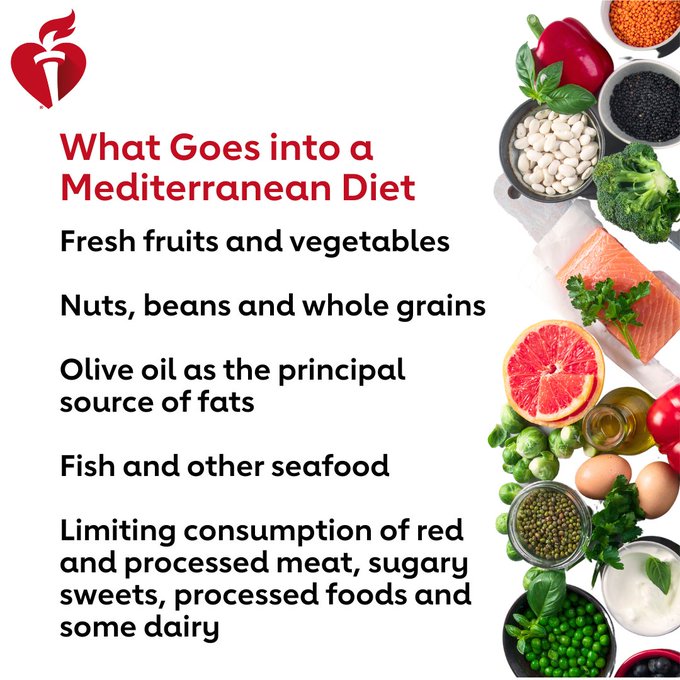
The Mediterranean diet has been shown time and again to lower heart attack and stroke risks. But it’s not about eating specific amounts of particular foods. It’s a pattern of healthy eating that includes
Tanita Tikaram💙 Retweeted A.A.Milne@A_AMilne·2h “What do you like doing best in the world, Pooh?” Pooh had to stop and think. Because although Eating Honey WAS a very good thing to do, there was a moment just before you began to eat it which was better than when you were, but he didn’t know what it was called. ~A.A.Milne
This savory Greek appetizer is usually made with a lot of butter and a lot of feta cheese, which is delicious, but not really heart-healthy. Our just-as-delicious recipe offers a lighter, heart-healthier alternative!
Ingredients
Olive oil cooking spray
1 small onion, minced
One 10-ounce package frozen, chopped spinach
1/3 cup crumbled reduced-fat feta cheese
1/4 cup 1% cottage cheese
1/8 teaspoon ground nutmeg
1 1/2 tablespoons chopped fresh dill
Freshly ground pepper
1 tablespoon egg substitute
5 sheets frozen phyllo dough, thawed
Refrigerated butter-flavored cooking spray
Directions
Preheat the oven to 350 F. Coat a baking sheet with olive oil cooking spray.
Coat a large nonstick skillet with olive oil cooking spray. Add the onion and spinach; saute over medium-high heat until the spinach is thawed and the onion begins to wilt, 8 to 10 minutes. Stir frequently to break up clumps of spinach. Add the feta and cottage cheese along with the nutmeg, dill, pepper and egg substitute; mix well. Remove from heat and cool for 5 minutes.
Cut the phyllo dough into four lengthwise strips, covering the dough you’re not using with a damp tea towel so it doesn’t dry out. Coat each strip with the butter-flavored spray. Place a tablespoon of spinach mix on top of a strip of dough and fold over to make a triangle; continue folding over as if folding a flag. Place on the prepared baking sheet. Repeat, using all the remaining phyllo and filling. Coat each triangle with the butter-flavored spray. Bake for about 20 minutes, until browned. Serve warm.
Nutrition information (per serving)
Makes 20 pieces (10 servings/2 pieces serving)
Calories: 50 Total fat: 1.5 g Protein: 3 g Carbohydrate: 7 g Dietary fiber: 0 g Cholesterol: 0 mg Sodium: 180 mg Potassium: 60 mg
Who doesn’t want a healthy immune system? (Raise your hand. No one?) But did you know the role your diet plays in keeping it in top shape to protect you from toxins and infections? Sadly, too many of us don’t eat enough of the fresh fruits, vegetables and other foods we need to keep ourselves healthy year-round. Healthy foods provide many substances including vitamins and minerals to keep us strong and healthy. You can’t just eat an orange or grapefruit or pop a vitamin pill and expect one quick burst of vitamin C to prevent a cold and to boost your immune system. “A truly healthy immune system depends on a balanced healthy diet over time,” says registered dietitian Maxine Smith. “It’s like training for a battle and preparing your body ahead of time so it can through a good punch when attacked by viruses, bacteria and toxins. Other lifestyle practices such as regular exercise and good sleep will better prepare you for the battle.” With some exceptions, it’s best to get your vitamins and minerals from your food rather than in pill form. Smith shares some tips for some of the top vitamins and minerals your immune system needs to perform:
1. Vitamin C Vitamin C may help prevent infections or shorten their stay. Citrus fruits are a standout, but did you know there are other good sources? It’s true! Smith recommends the following: Spinach. Kale. Bell peppers. Brussels sprouts. Strawberries. Papaya. Fun fact: vitamin C is in so many foods that most people may not need to take supplements unless a doctor advises it. Consult with your doctor before taking any vitamin C supplements
2. Vitamin E Like vitamin C, vitamin E can be a powerful antioxidant that helps your body fight off infection. This important vitamin — part of nearly 200 biochemical reactions in your body — is critical in how your immune system functions. To get your vitamin E, think high-fat plant foods such as: Almonds. Peanuts/peanut butter. Sunflower seeds. Oils such as sunflower, safflower, and soybean oil. Hazelnuts.
3. Vitamin A#
Vitamin A is an infection-fighter and comes in two forms: preformed such as in animal foods such as fish, meat and dairy or from plant carotenoids. Tuna is a great source of preformed vitamin A. When it comes to carotenoids, go colorful: Carrots. Sweet potatoes. Pumpkin. Butternut squash. Cantaloupe. Dark green leafy vegetables.
4. Vitamin D Known as the sunshine vitamin, it’s one of the most important and powerful nutrients for supporting the immune system. Food sources are limited but include: Salmon. Mackerel. Tuna. Sardines. Vitamin D fortified like milk, orange juice and cereals. In general, it’s best to get most of your vitamins from food, but vitamin D may be the exception to that rule. Talk with your doctor to find out if you need a supplement.
5. Folate/folic acid Folate is the natural form and folic acid is the synthetic form, often added to foods because of its health benefits. To get more folate, add more beans and lentils to your plate on a regular basis, as well as leafy green vegetables. Avocado is another tasty source. You can also get folic acid in fortified foods (check the label first). Enriched pasta. Enriched bread. Enriched rice.
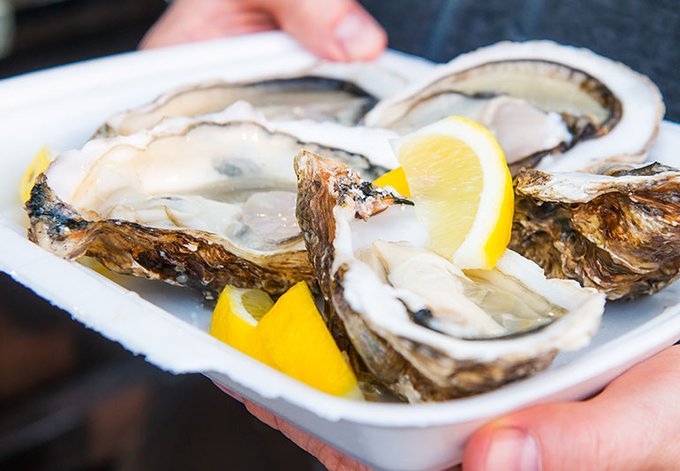
6. Iron Iron, which helps your body carry oxygen to cells, plays a part in many of the immune system processes. It comes in different forms. Your body can more easily absorb heme iron (aka iron from animal products), which is abundant in: Red meat (limit to smaller amounts and less often). Chicken. Turkey. Canned sardines. Oysters. Clams. Mussels. Canned light tuna. If you’re a vegetarian, have no fear. You can still find iron in: Beans. Broccoli. Kale. Iron-fortified cereals.
7. Selenium Selenium seems to have a powerful effect on the immune system being important for preventing infections. Animal foods are the best sources, with the exception of Brazil nuts, that offer a whopping greater than 100% daily value in one nut. However, too much can be a problem, so keep to no more than one to two of these in a day. Look for selenium in: Seafood (tuna, halibut, sardines). Meat and liver. Poultry. Cottage cheese.
8. Zinc Zinc is needed for the production of new immune system cells. It’s found primarily in animal foods but can be also found in some vegetarian food like. Oysters. Crab. Lean meats and poultry. Baked beans. Yogurt. Chickpeas. Choose frozen when you can’t get fresh Depending on where you live and what time of year it is, you can’t always get your hands on high-quality fresh produce. Keep in mind that buying frozen is a good option and can be quite convenient in our time-crunched world. Frozen food can still boost your immune system. “Manufacturers freeze frozen fruits and veggies at ‘peak’ ripeness, which means they’ll pack a similar nutritional value as their fresh counterparts,” she says. “Just choose plain frozen foods rather than those with added sugars or sodium.” Facebook Twitter
A top-down view of a chocolate smoothie bowl (thick smoothie served in a bowl with a spoon) garnished with chia seeds, large coconut flakes and cacao nibs. Healthy vegan breakfast. The smoothie portion contains banana, chocolate, almond milk and ice.
This pudding is packed with health-promoting chia seeds, almond milk, cinnamon, cocoa, coconut flakes and dried fruit. It’s the perfect chocolate treat.
Ingredients
½ cup Chia seeds
1 cup vanilla almond milk, unsweetened
1 cup 2% milk (may use all almond for non-dairy option)
1½ tablespoons honey
1 tablespoon cocoa powder, unsweetened
1 teaspoon cinnamon
1 teaspoon vanilla extract
2 tablespoons coconut flakes, unsweetened
2 tablespoons dried tart cherries, or other unsweetened dried fruit
Directions
Place chia seeds, milks, honey, cocoa, cinnamon and vanilla in a glass container with a tight lid.
Seal and shake well to combine. Refrigerate for at least 5 hours or overnight.
Serve topped with coconut flakes and dried fruit to garnish.
Note: For a smoother texture, blend pudding in a high power blender before refrigerating. Be sure to blend well to avoid a gritty texture.
Nutrition information
Makes 6 servings
Each 1/2 cup serving contains:
Calories 140
Total fat 7g
Saturated fat 2g
Trans fat 0g
Protein 4g
Total carbohydrate 16g
Fiber 6g
Sugar 7g
Cholesterol 5mg
Sodium 150mg
Who doesn’t want a healthy immune system? (Raise your hand. No one?) But did you know the role your diet plays in keeping it in top shape to protect you from toxins and infections? Sadly, too many of us don’t eat enough of the fresh fruits, vegetables and other foods we need to keep ourselves healthy year-round. Healthy foods provide many substances including vitamins and minerals to keep us strong and healthy. You can’t just eat an orange or grapefruit or pop a vitamin pill and expect one quick burst of vitamin C to prevent a cold and to boost your immune system. “A truly healthy immune system depends on a balanced healthy diet over time,” says registered dietitian Maxine Smith. “It’s like training for a battle and preparing your body ahead of time so it can through a good punch when attacked by viruses, bacteria and toxins. Other lifestyle practices such as regular exercise and good sleep will better prepare you for the battle.” With some exceptions, it’s best to get your vitamins and minerals from your food rather than in pill form. Smith shares some tips for some of the top vitamins and minerals your immune system needs to perform:
1. Vitamin C Vitamin C may help prevent infections or shorten their stay. Citrus fruits are a standout, but did you know there are other good sources? It’s true! Smith recommends the following: Spinach. Kale. Bell peppers. Brussels sprouts. Strawberries. Papaya. Fun fact: vitamin C is in so many foods that most people may not need to take supplements unless a doctor advises it. Consult with your doctor before taking any vitamin C supplements
2. Vitamin E Like vitamin C, vitamin E can be a powerful antioxidant that helps your body fight off infection. This important vitamin — part of nearly 200 biochemical reactions in your body — is critical in how your immune system functions. To get your vitamin E, think high-fat plant foods such as: Almonds. Peanuts/peanut butter. Sunflower seeds. Oils such as sunflower, safflower, and soybean oil. Hazelnuts.
3. Vitamin A#
Vitamin A is an infection-fighter and comes in two forms: preformed such as in animal foods such as fish, meat and dairy or from plant carotenoids. Tuna is a great source of preformed vitamin A. When it comes to carotenoids, go colorful: Carrots. Sweet potatoes. Pumpkin. Butternut squash. Cantaloupe. Dark green leafy vegetables.
4. Vitamin D Known as the sunshine vitamin, it’s one of the most important and powerful nutrients for supporting the immune system. Food sources are limited but include: Salmon. Mackerel. Tuna. Sardines. Vitamin D fortified like milk, orange juice and cereals. In general, it’s best to get most of your vitamins from food, but vitamin D may be the exception to that rule. Talk with your doctor to find out if you need a supplement.
5. Folate/folic acid Folate is the natural form and folic acid is the synthetic form, often added to foods because of its health benefits. To get more folate, add more beans and lentils to your plate on a regular basis, as well as leafy green vegetables. Avocado is another tasty source. You can also get folic acid in fortified foods (check the label first). Enriched pasta. Enriched bread. Enriched rice.
6. Iron Iron, which helps your body carry oxygen to cells, plays a part in many of the immune system processes. It comes in different forms. Your body can more easily absorb heme iron (aka iron from animal products), which is abundant in: Red meat (limit to smaller amounts and less often). Chicken. Turkey. Canned sardines. Oysters. Clams. Mussels. Canned light tuna. If you’re a vegetarian, have no fear. You can still find iron in: Beans. Broccoli. Kale. Iron-fortified cereals.
7. Selenium Selenium seems to have a powerful effect on the immune system being important for preventing infections. Animal foods are the best sources, with the exception of Brazil nuts, that offer a whopping greater than 100% daily value in one nut. However, too much can be a problem, so keep to no more than one to two of these in a day. Look for selenium in: Seafood (tuna, halibut, sardines). Meat and liver. Poultry. Cottage cheese.
8. Zinc Zinc is needed for the production of new immune system cells. It’s found primarily in animal foods but can be also found in some vegetarian food like. Oysters. Crab. Lean meats and poultry. Baked beans. Yogurt. Chickpeas. Choose frozen when you can’t get fresh Depending on where you live and what time of year it is, you can’t always get your hands on high-quality fresh produce. Keep in mind that buying frozen is a good option and can be quite convenient in our time-crunched world. Frozen food can still boost your immune system. “Manufacturers freeze frozen fruits and veggies at ‘peak’ ripeness, which means they’ll pack a similar nutritional value as their fresh counterparts,” she says. “Just choose plain frozen foods rather than those with added sugars or sodium.” Facebook Twitter
There is something special about using fresh peas straight out of the pod. This recipe was inspired by our root-to-stem philosophy of cooking: It always seems like such a waste to throw away the pea pods, but they are relatively inedible. To make use of the pods, we’ve pureed them into a spring-fresh pasta sauce. Remember: Pasta for breakfast is a great choice, especially when it’s loaded with healthful pea protein.
Ingredients
Kosher salt 1 pound fresh English peas in pods (yields about 1 cup shelled peas and about 3 ½ cups pods) ½ cup water ¼ cup extra-virgin olive oil 2 small spring onions or 2 large shallots, chopped 2 small spring garlic (whites) or 3 garlic cloves, minced 2 tablespoons Greek yogurt (optional) 12 ounces whole grain pasta, such as linguine, rigatoni or small shells Freshly ground black pepper ¼ cup fresh mint (peppermint preferred), thinly sliced Espelette pepper to taste (optional) Grated Parmigiano Reggiano cheese (optional)
Directions
Bring a large pot of water to boil and add enough salt to make it salty like the sea.
Meanwhile, wash the peas. Pull off the stem ends: remove the peas and place in a small bowl. Reserve the pods.
Fill a bowl with cold water. Set aside. Add the empty pea pods to the pot of boiling water and cook for 5 minutes. Using a slotted spoon or spider, remove the pods from the boiling water and transfer to the bowl of cold water to cool quickly. Drain the pea pods and add to a Vitamix or high-speed blender. Add ½ cup water. Puree for 2 to 3 minutes.
Place a fine strainer over a bowl and add the pea pod puree to the strainer, pressing on the solids to release as much puree as possible into the bowl. Discard the solids in the strainer. Reserve the puree in the bowl; season to taste with salt and pepper.
Cook the pasta in the pot of boiling water until al dente, stirring occasionally.
Meanwhile, in a large skillet, heat the olive oil over medium heat. Add the onions and garlic and sauté until softened, 3 to 4 minutes. Add the peas and cook 2 minutes. Stir in the reserved pea pod puree and Greek yogurt, if using, and cook just until heated through. (Don’t overcook the peas or puree as the sauce will turn brown).
Using tongs or a spider, transfer the pasta to the sauce in the skillet. Toss until combined. Season to taste with salt and pepper. Transfer the pasta to the serving bowl. Add the basil and mint. Serve with Espelette pepper and grated Parmigiano Reggiano cheese, if using.
Nutritional info (per serving)
Makes 4 servings.
Calories: 554 kcal Total fiber: 12 g Soluble fiber: 0.1 g Protein: 15.5 g Total fat: 16.7 g Saturated fat: 2.0 g Healthy fats: 12.1 g Carbohydrates: 84 g Sugars: 7.7 g Added sugars: 0 g Sodium: 178 mg Potassium: 433 mg Magnesium: 14 mg Calcium: 134 mg
Source: The What to Eat When Cookbook by Michael F. Roizen, MD, Michael Crupain, MD, MPH and Jim Perko, Sr, CEC, AAC.
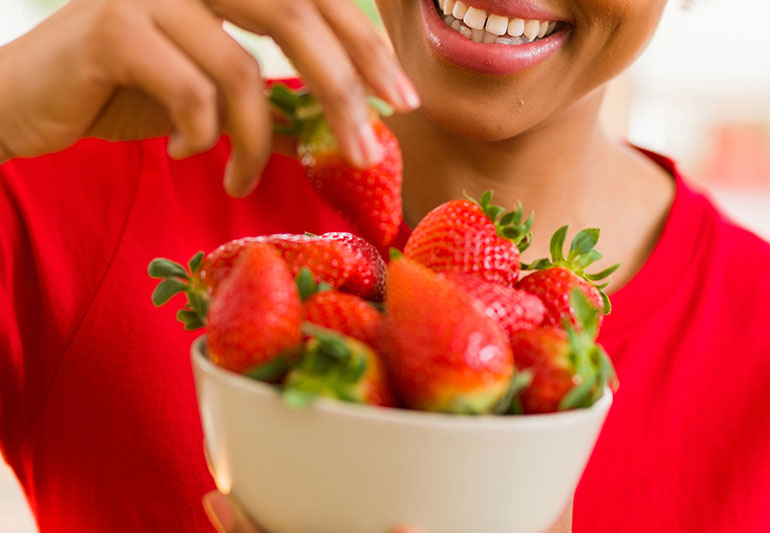
Strawberries are an iconic summer fruit — delicious in lemonade, on shortcakes or just straight out of the basket. And it turns out they may be the sweetest way to stay healthy, too. Registered dietitian Bailey Flora, MS, RDN, LD, explains the benefits of strawberries and what nutrients they contain that make strawberries so good for you.
Why are strawberries good for you?
“Strawberries give you a lot of nutritional value for very few calories,” says Flora. “They’re tasty but naturally low in sugar. That’s a combination that’s hard to beat.”
For starters, strawberries are loaded with vitamin C. Eight medium strawberries contain 160% of your daily recommended amount — the amount that the U.S. Food and Drug Administration (FDA) recommends you eat every day. That’s more vitamin C than you get from an orange, the fruit famous for its vitamin C.
Strawberries are also packed with antioxidants, which protect cells from damage. The primary antioxidant in strawberries is anthocyanin, which gives the fruit its color. The amount of anthocyanin in strawberries increases as the fruit ripens. So, the redder the berry, the more antioxidants it contains.
Strawberries also have fiber and several other important vitamins and minerals, including manganese, potassium and folic acid. And strawberries have less natural sugar than other popular fruits such as apples and bananas.
Health benefits of strawberries
Strawberries are a nutrient-rich snack that can:
1. Boosts brain power
As your brain ages, it can lose some of its mental sharpness. But according to research, eating strawberries protects your brain’s processing powers as you get older.
The Nurses’ Health Study measured brain function in more than 16,000 participants over six years. It found that people who ate the most blueberries and strawberries had less cognitive decline — their thinking and processing abilities didn’t weaken as much. They had the brain power of someone up to two and a half years younger.
Researchers believe the protective effects are due to the antioxidants that safeguard cells. Some of the antioxidants in strawberries also reduce systemic inflammation, when your body is in a state of constant inflammation (swelling and irritation). Systemic inflammation is a key factor in the development of Alzheimer’s disease.
2. Strengthens your immune system
Strawberries are a great source of vitamin C (ascorbic acid), which you need to get from food, as your body can’t produce it. In rare cases, people who don’t get enough of this crucial vitamin develop scurvy, a disease that causes bleeding, bruising and anemia.
Vitamin C plays an important role in wound healing. And it may prevent and treat respiratory and systemic infections too. Research shows that vitamin C increases the production of:
T-cells, which remove infected and cancerous cells.
B-cells, which create antibodies so your body can better defend against germs in the future.
Vitamin C is also anti-inflammatory, lowering your stress response triggered by illness or just your busy life. To ward off germs, researchers suggest getting 100 to 200 milligrams (mg) of vitamin C a day — and more when you’re sick. As eating eight medium strawberries gives you 160 mg, it takes just a handful of berries to help keep your immune system in good shape.
“There isn’t enough evidence to say whether vitamin C can prevent colds and the flu,” says Flora. “And it can be more beneficial to choose vitamin-C-rich foods like strawberries over vitamin C supplements, as you get additional health benefits. With strawberries, that includes fiber and other phytonutrients and vitamins that cannot be replicated in a vitamin supplement.”
3. Protects heart health
Flora says that popping a few strawberries in your mouth isn’t just a way to stave off hunger — it’s also a heart-healthy food choice. Research shows that strawberries can help prevent several conditions that can lead to heart disease and stroke, as well as diabetes, which increases the likelihood of heart disease. Eating more strawberries can help you:
Lower cholesterol
In one small study, participants consumed two drinks a day, each made with 25 milligrams of freeze-dried strawberry powder blended with water. That’s about the same as eating 3.5 cups of fresh strawberries a day. After a month, the participants’ total cholesterol was 5% lower.
The cholesterol-lowering results of that study were echoed in another study that gave participants the same amount of freeze-dried strawberry powder. But this time, they consumed the drink for two months. Researchers compared the results to a group that just drank more water. Those who sipped the strawberry drink saw their cholesterol decrease by 10%.
Decrease triglycerides
Triglycerides are fats found in your blood. Having high triglycerides increases your risk of heart disease. And when triglycerides break down, they leave byproducts that trigger inflammation, attracting sticky deposits to blood-vessel walls. That material can clog your arteries (atherosclerosis), explains Flora.
But eating a pound of strawberries a day may reduce triglycerides by 20%. That’s the result of one study, which also found that strawberries reduced total cholesterol by 8%.
4. Reduces inflammation
Widespread internal inflammation contributes to multiple diseases, including heart disease. Lifestyle factors like a poor diet, low physical activity and smoking can lead to inflammation.
Eating more strawberries is a step in the right direction to boost your heart health, says Flora. That’s because the most prevalent antioxidants in strawberries are anthocyanins, known for their anti-inflammatory effects.
5. Helps manage blood sugar
Too much glucose (sugar in your blood) is a risk factor for Type 2 diabetes, making you more likely to develop heart disease, too. If you’re watching your blood sugar levels, strawberries are a good way to satisfy your sweet tooth.
In a Finnish study, people who ate strawberries with a piece of white bread released 26% less insulin compared with eating bread with a cucumber. Participants also ate the bread with other berries, including raspberries and cranberries. Only strawberries weakened the post-meal blood sugar spike.
Strawberries are a great addition to a healthy diet, especially when you eat them on their own — Flora advises laying off the calorie-laden whipped cream, cake or ice cream. (Sorry!) They’re delicious, full of good-for-you nutrients and low in sugar. Try this strawberry smoothie. (Surprise — it’s green!) And for a strawberry treat that’s not too sweet, make these strawberry pretzel squares at your next get-together.FACEBOOKTWITTER
A top-down view of a chocolate smoothie bowl (thick smoothie served in a bowl with a spoon) garnished with chia seeds, large coconut flakes and cacao nibs. Healthy vegan breakfast. The smoothie portion contains banana, chocolate, almond milk and ice.
This pudding is packed with health-promoting chia seeds, almond milk, cinnamon, cocoa, coconut flakes and dried fruit. It’s the perfect chocolate treat.
Ingredients
½ cup Chia seeds
1 cup vanilla almond milk, unsweetened
1 cup 2% milk (may use all almond for non-dairy option)
1½ tablespoons honey
1 tablespoon cocoa powder, unsweetened
1 teaspoon cinnamon
1 teaspoon vanilla extract
2 tablespoons coconut flakes, unsweetened
2 tablespoons dried tart cherries, or other unsweetened dried fruit
Directions
Place chia seeds, milks, honey, cocoa, cinnamon and vanilla in a glass container with a tight lid.
Seal and shake well to combine. Refrigerate for at least 5 hours or overnight.
Serve topped with coconut flakes and dried fruit to garnish.
Note: For a smoother texture, blend pudding in a high power blender before refrigerating. Be sure to blend well to avoid a gritty texture.
Nutrition information
Makes 6 servings
Each 1/2 cup serving contains:
Calories 140
Total fat 7g
Saturated fat 2g
Trans fat 0g
Protein 4g
Total carbohydrate 16g
Fiber 6g
Sugar 7g
Cholesterol 5mg
Sodium 150mg







 Healthaware