
Harvard Health
@HarvardHealth
·
Alcohol harms the brain in teen years –– before and after that, too: https://bit.ly/3a47EDL #HarvardHealth

Health is Wealth

Mayo ClinicVerified account @MayoClinic 12 minutes ago
Any form of exercise, from #running to #yoga, can act as a #stress reliever. Find tips on starting and sticking with a fitness plan. http://mayocl.in/2zH9RSK


I’m not a regular drinker, nor a teetotaler. But like many people, I enjoy the occasional glass of wine with dinner, and nothing tastes better than an ice-cold beer on a sweaty summer day. Besides, some alcohol is a toast to my long-term heart health. At least that’s what the science says, right? Not really. When it comes to alcohol and heart health, the existing research is quite conflicting — some studies say alcohol improves heart health, while others imply the opposite.
The problem with most alcohol-related research is that it consists almost entirely of observational studies that only show an association, according to Dr. J. Michael Gaziano, a preventive cardiologist with Harvard-affiliated Brigham and Women’s Hospital’s Division of Aging and VA Boston.
So far, the strongest evidence with heart health has shown that alcohol can increase levels of HDL (good) cholesterol. HDL works to keep LDL (bad) cholesterol from clogging your arteries by moving it to the liver, where it’s broken down and removed from the body. Many studies have found that the combination of high HDL and low LDL levels protects against heart attacks and stroke. “However, this is not the most important factor in preventing heart disease, and there are other ways to increase HDL than drinking alcohol, such as regular exercise,” says Dr. Gaziano.
While moderate amounts of alcohol can offer some heart benefits, too much can have damaging effects.
For instance, the more alcohol you drink at one time, the higher your heart rate gets, according to research from the European Society of Cardiology. A sudden spike in heart rate is potentially dangerous to people with heart conditions, as it could trigger arrhythmias (irregular heartbeats).
A study in the April 14, 2018, issue of The Lancet looked at the drinking habits of almost 600,000 people without heart disease, and found that people who had 10 or more drinks per week died one to two years earlier compared with those who drank five drinks or fewer per week. Having 18 drinks or more per week cut life expectancy by four to five years.
The lack of consistent data means that the takeaway message here is moderation — and the importance of avoiding excessive and binge drinking.
How much is considered moderate? A safe amount is no more than a drink per day, says Dr. Gaziano. “In terms of heart health, there does not appear to be more benefit beyond one daily drink.”
Of course, alcohol content can vary with the type and size of drink. In the United States, a standard drink is approximately 14 grams of pure alcohol, which equates to any one of these:
To get a more accurate analysis of your drink in terms of alcohol content per serving size, use this drink calculator from the National Institutes of Health.
One type of drink isn’t better than another, as your body reacts to alcohol the same whether it’s from beer, wine, or spirits, according to Dr. Gaziano.

Join Tiffany Cruikshank at Yoga Journal’s upcoming event in January at 1440 Multiversity. Learn more at yogajournal.com/thepractice.
With all of the new and emerging information on pain science, yoga students and teachers have the opportunity to apply modern research to their practices and help alleviate and prevent pain.
Preliminary research suggests that gentle movement of your nerves is vital to both managing pain and supporting the general health of your nervous system. The idea is that healthy nerves should be able to gently slide, elongate, and angulate within neural tissues (some nerves can move as much as ¾ inch) in order to adapt to different loads and minimize pressure that can worsen existing pain, alter sensation, or lead to new pain patterns. Sometimes, tone and tension around neural tissues can be a problem. These tissues are bloodthirsty and rely on an important pressure gradient around them to maintain adequate blood flow. So even small changes in tissue tension around a nerve can be enough to block nerve mobility and lead to compression that disrupts blood flow and nerve signaling back to the brain, contributing to pain.
See also Low Back Pain 101: 3 Sequences to Ease Your Pain
To help you keep your nerves adaptable and protected, try the asana technique on the following pages based on an understanding of neurodynamics (the study of nerve movement through its surrounding tissues) and nerve pathways. We have the ability to alternately put tension on different ends of the nerve to create a movement of the nerve through the tissues, often referred to as nerve gliding. As you floss the nerve, you potentially allow it to move more freely so that it can communicate more efficiently with your brain. For example, the sciatic nerve runs through the back of your leg, so in Supta Padangusthasana (Reclining Hand-to-Big-Toe Pose) if you bend your knee (raised leg) and flex your foot, you’ll put tension on one end of the nerve (by your foot) and slack the other end (by your knee). This action draws the sciatic nerve and its branches toward your foot. Then, as you extend your knee and point your toes, you’ll reverse the areas of tension and slack. This action draws the branches of the sciatic nerve toward your knee. When you put these movements together you can encourage the sciatic nerve to move back and forth through its tissues more effortlessly. You also may down-regulate local inflammatory responses, restore healthy blood flow to the hard-working nerve, and encourage more efficient communication between your brain and body. Optimal signaling is crucial if you want your immune and nervous systems to function at their best, which is another reason to add nerve gliding to your repertoire.
The key to nerve gliding is to move gently within an easy range of motion. Since your target is the pain-free movement of your nerves, not of your muscles and fascia, you want very little sensation or stretch. It’s a great reminder that even in the physical body there’s clearly more to what we do than just sensations or the feel-good endorphins associated with them. Another thing I love about this approach is that, in addition to being a safe way to work with pain, it’s very accessible since it’s about simple, gentle movements.
See also Reduce Pain and Discomfort with These Poses for the Pelvis
To begin, pick a nerve you want to focus on and find a range of motion that’s accessible, pain-free, and with very little (if any) stretching sensation. Do 5–10 repetitions of the pose or this sequence once or twice a day. If you’re using these moves more preventatively, try rotating a few of them into your regular practice a couple times a week, and remember that in group classes there’s more than just stretch and sensation affecting the tissues. Happy flossing!

What Science Tells Us About Preventing Nerve Pain With Stretching


“Lower back pain is like death and taxes; everybody gets it at some point,” says out Sean Mackey, MD, PhD, chief of the division of pain medicine at Stanford University School of Medicine. About 9 in 10 of those patients recover fairly quickly, he says, but for the remainder, the pain becomes chronic and life-altering. (Try this 60-second fix for back pain.) “The severity of the original injury and how prone you are to anxiety plays a role in whether your pain will persist,” he says. Physical therapy focused on core strengthening is one of the most effective treatments.
Use a foam roller to roll away your back pain:
https://www.prevention.com/health/a20486144/top-painful-medical-conditions/
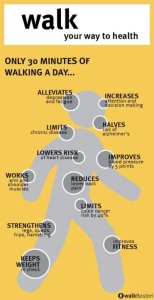
What will your Walk Look Like? #Walking #MentalHealth #Dedham #Exercise

WebMDVerified account @WebMD 22 hours ago
Dark chocolate has been shown to improve mood and brain function. Antioxidants in the cocoa can help protect cells, lower blood pressure, and improve blood flow. https://wb.md/2FaMSUX
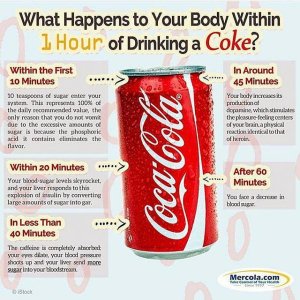
 Healthaware