Here’s a fact that may surprise you: By the year 2020, depression is projected to be a leading social and economic burden worldwide — second only to coronary artery disease! Psychotherapy and antidepressants are effective but aren’t for everyone.
But there’s another treatment for depression that’s free and available to everyone: exercise. It will also lower your blood pressure, improve your cholesterol profile, help control blood sugar, and reduce your risk of heart disease, diabetes and common cancers. And, of course, help you achieve or maintain a healthy weight.
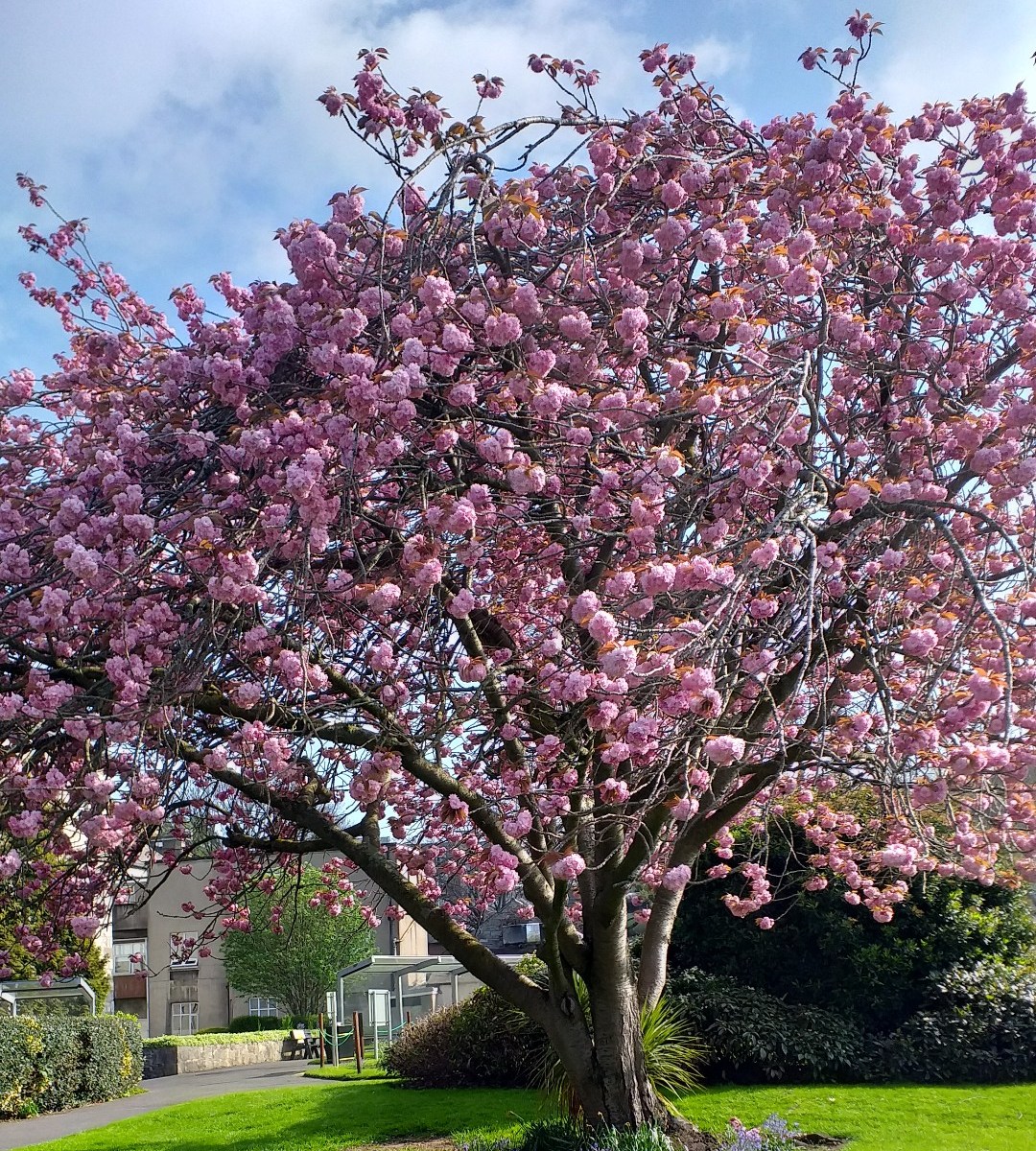
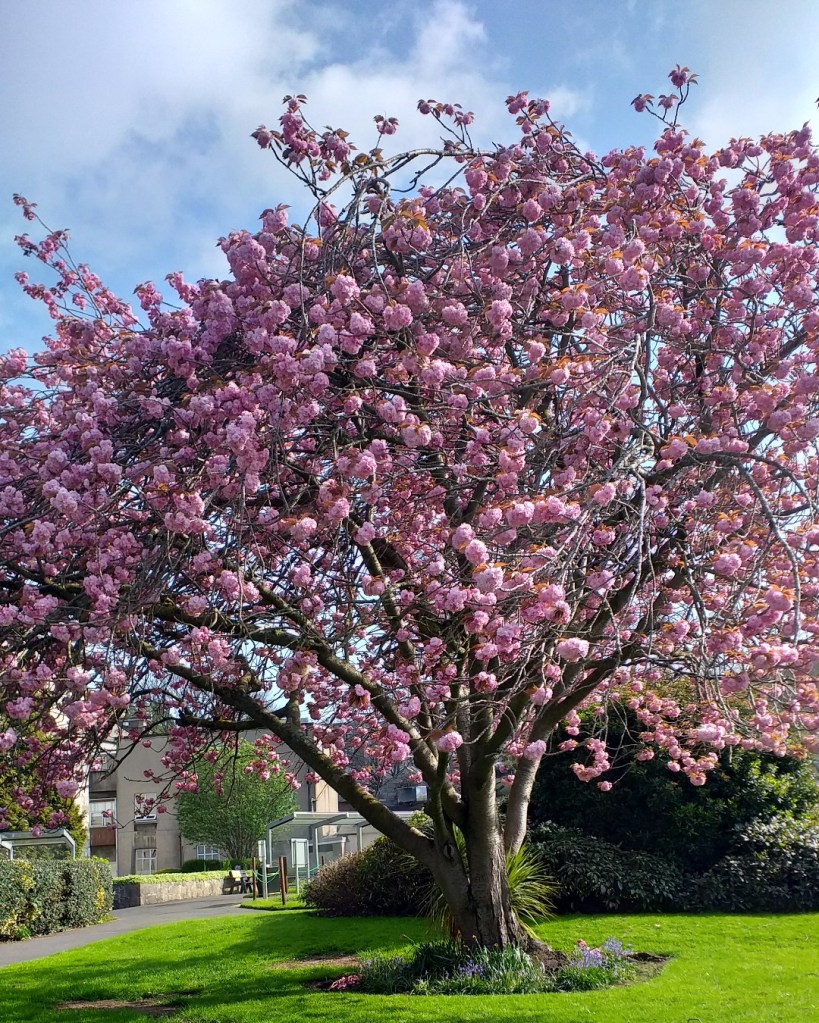
The beautiful cherry blossom tree at our St Patrick’s University Hospital campus is in full bloom! Cherry blossoms are the national flower of Japan, representing a time of renewal and optimism. We hope our service users and staff are enjoying this pretty view!
The beautiful cherry blossom tree at our St Patrick’s University Hospital campus is in full bloom! Cherry blossoms are the national flower of Japan, representing a time of renewal and optimism. We hope our service users and staff are enjoying this pretty view!
As more people are drinking less, there’s been an uptick in more drink companies creating nonalcoholic options. But it can still be tough to figure out which of these options are healthy. Keep an eye on ingredients like sugar, artificial sweeteners and caffeine. If you're… pic.twitter.com/ijka3qWtlU
As more people are drinking less, there’s been an uptick in more drink companies creating nonalcoholic options. But it can still be tough to figure out which of these options are healthy. Keep an eye on ingredients like sugar, artificial sweeteners and caffeine. If you’re choosing nonalcoholic alternatives, consider options that are low in added sugars and free from unnecessary additives. Consulting a healthcare provider can help ensure your choices support your overall well-being.
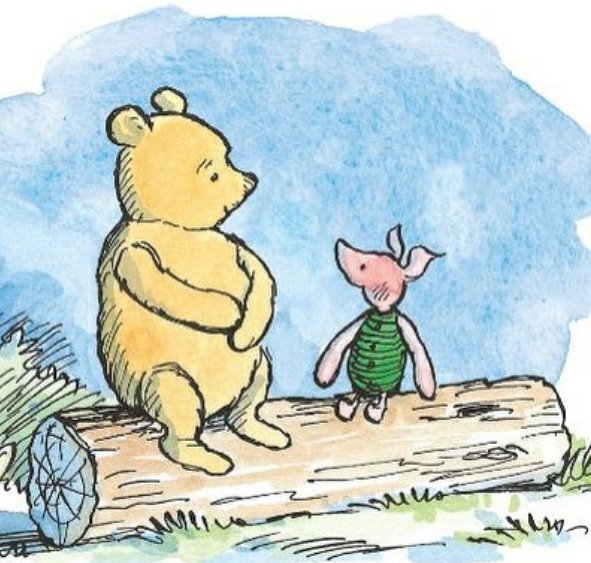
“Piglet?” said Pooh. “Yes Pooh?” said Piglet. “Do you ever have days when everything feels… Not Very Okay At All? And sometimes you don’t even know why you feel Not Very Okay At All, you just know that you do.” Piglet nodded his head sagely. “Oh yes,” #MentalHealthAwareness
The beautiful cherry blossom tree at our St Patrick’s University Hospital campus is in full bloom! Cherry blossoms are the national flower of Japan, representing a time of renewal and optimism. We hope our service users and staff are enjoying this pretty view!
BBC Breakfast on Twitter: “This incredible photo wins for 2018 Wildlife Photographer of the Year. It was taken by Marsel van Oosten in China’s Qinling Mountains. One of the judges joins us after half seven with more amazing pictures
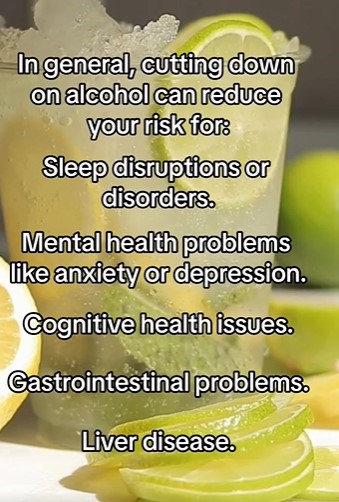
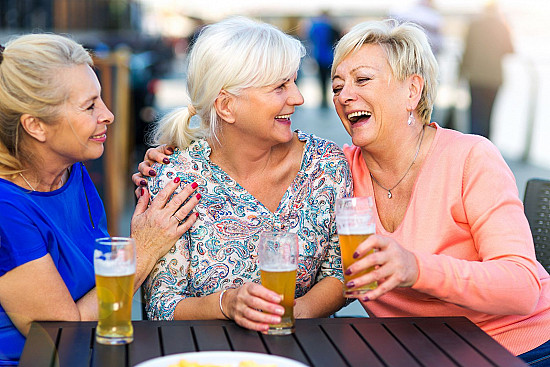
There are many health benefits related to abstaining from alcohol. If you’re looking to cut back or stop drinking altogether, here are 11 tips that can help. #HarvardHealth
Are you concerned about your alcohol intake? Maybe you feel that you’re drinking too much or too often. Perhaps it’s a habit you’d like to better control.
It’s always wise to check with your doctor — she should be able to help you decide whether it is best for you to cut back or to abstain. People who are dependent on alcohol, or have other medical or mental health problems, should stop drinking completely.
But many people may benefit simply by cutting back. If your doctor suggests that you curb your drinking, the National Institute on Alcohol Abuse and Alcoholism (NIAAA) suggests that the following steps may be helpful:
Put it in writing. Making a list of the reasons to curtail your drinking — such as feeling healthier, sleeping better, or improving your relationships — can motivate you.
Set a drinking goal. Set a limit on how much you will drink. You should keep your drinking below the recommended guidelines: no more than one standard drink per day for women and for men ages 65 and older, and no more than two standard drinks per day for men under 65. These limits may be too high for people who have certain medical conditions or for some older adults. Your doctor can help you determine what’s right for you.
Keep a diary of your drinking. For three to four weeks, keep track of every time you have a drink. Include information about what and how much you drank as well as where you were. Compare this to your goal. If you’re having trouble sticking to your goal, discuss it with your doctor or another health professional.
Don’t keep alcohol in your house. Having no alcohol at home can help limit your drinking.
Drink slowly. Sip your drink. Drink soda, water, or juice after having an alcoholic beverage. Never drink on an empty stomach.
Choose alcohol-free days. Decide not to drink a day or two each week. You may want to abstain for a week or a month to see how you feel physically and emotionally without alcohol in your life. Taking a break from alcohol can be a good way to start drinking less.
Watch for peer pressure. Practice ways to say no politely. You do not have to drink just because others are, and you shouldn’t feel obligated to accept every drink you’re offered. Stay away from people who encourage you to drink.
Keep busy. Take a walk, play sports, go out to eat, or catch a movie. When you’re at home, pick up a new hobby or revisit an old one. Painting, board games, playing a musical instrument, woodworking — these and other activities are great alternatives to drinking.
Ask for support. Cutting down on your drinking may not always be easy. Let friends and family members know that you need their support. Your doctor, counselor, or therapist may also be able to offer help.
Guard against temptation. Steer clear of people and places that make you want to drink. If you associate drinking with certain events, such as holidays or vacations, develop a plan for managing them in advance. Monitor your feelings. When you’re worried, lonely, or angry, you may be tempted to reach for a drink. Try to cultivate new, healthy ways to cope with stress.
Be persistent. Most people who successfully cut down or stop drinking altogether do so only after several attempts. You’ll probably have setbacks, but don’t let them keep you from reaching your long-term goal. There’s really no final endpoint, as the process usually requires ongoing effort.


 Cherry blossoms are the national flower of Japan, representing a time of renewal and optimism. We hope our service users and staff are enjoying this pretty view!






 Healthaware