
Mayo ClinicVerified account @MayoClinic 12 minutes ago
Any form of exercise, from #running to #yoga, can act as a #stress reliever. Find tips on starting and sticking with a fitness plan. http://mayocl.in/2zH9RSK

Health is Wealth
Mayo ClinicVerified account @MayoClinic 12 minutes ago
Any form of exercise, from #running to #yoga, can act as a #stress reliever. Find tips on starting and sticking with a fitness plan. http://mayocl.in/2zH9RSK
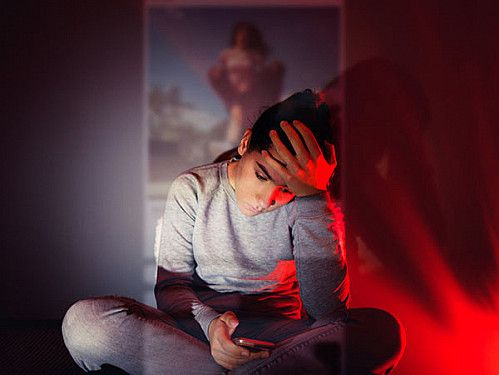

“Lower back pain is like death and taxes; everybody gets it at some point,” says out Sean Mackey, MD, PhD, chief of the division of pain medicine at Stanford University School of Medicine. About 9 in 10 of those patients recover fairly quickly, he says, but for the remainder, the pain becomes chronic and life-altering. (Try this 60-second fix for back pain.) “The severity of the original injury and how prone you are to anxiety plays a role in whether your pain will persist,” he says. Physical therapy focused on core strengthening is one of the most effective treatments.
Use a foam roller to roll away your back pain:
https://www.prevention.com/health/a20486144/top-painful-medical-conditions/

mindbodygreenVerified account @mindbodygreen 26 minutes ago
Truth: “Love comes in many forms, but all of them soothe loneliness.” 
#confidence #single #relationships #friendship #singlelife

St Patrick’s Mental Health Services
·
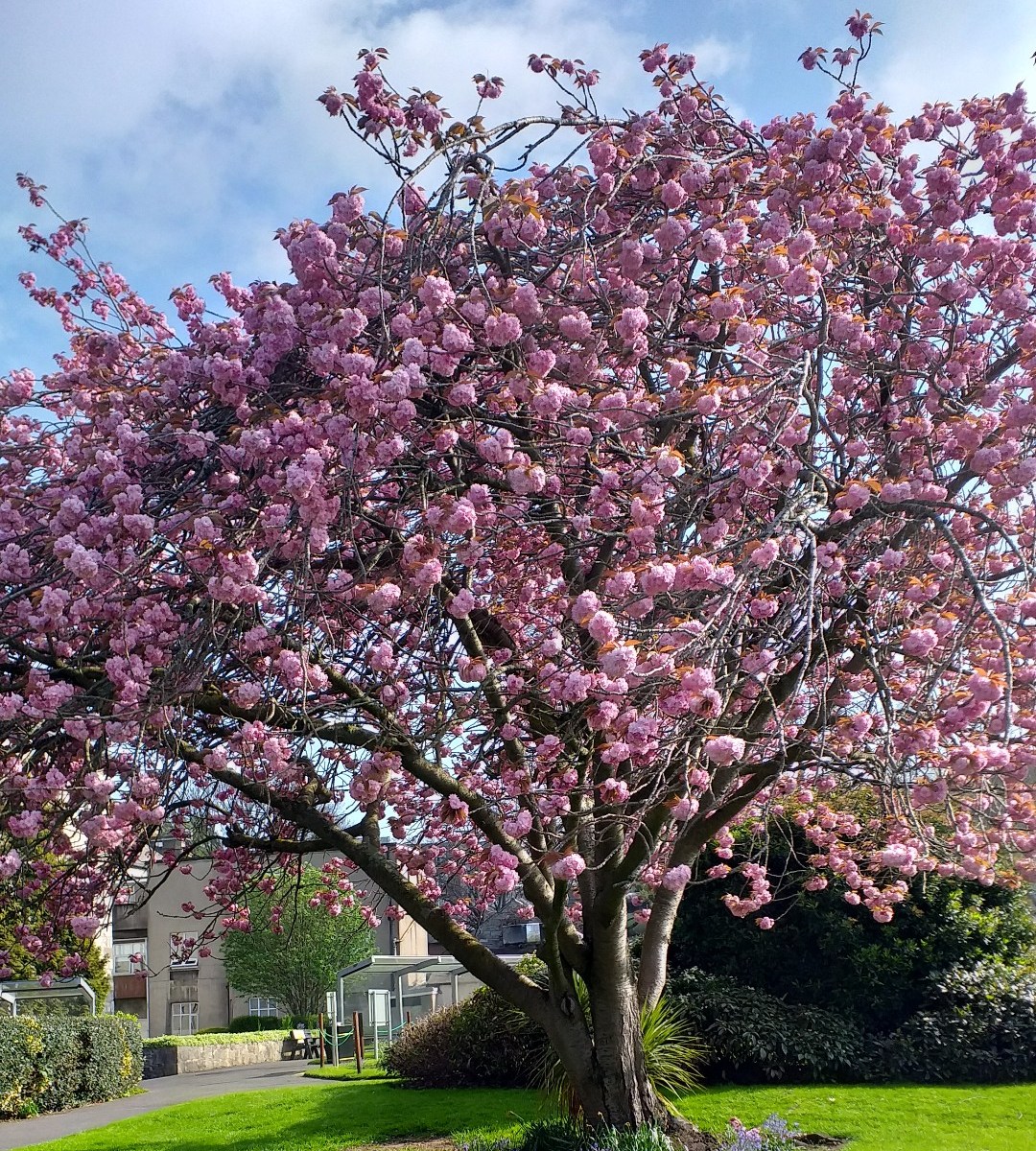
The beautiful cherry blossom tree at our St Patrick’s University Hospital campus is in full bloom!  Cherry blossoms are the national flower of Japan, representing a time of renewal and optimism. We hope our service users and staff are enjoying this pretty view!

BBC BreakfastVerified account @BBCBreakfast 21 minutes ago
BBC Breakfast on Twitter: “This incredible photo wins for 2018 Wildlife Photographer of the Year. It was taken by Marsel van Oosten in China’s Qinling Mountains. One of the judges joins us after half seven with more amazing pictures

Chartered Society of PhysiotherapyVerified account @thecsp 37 minutes ago
There are many myths surrounding back pain, read our guide ’10 things you need to know about your back’ with the latest physio advice: http://www.csp.org.uk/yourback #LiveWellforLonger
Here’s a fact that may surprise you: By the year 2020, depression is projected to be a leading social and economic burden worldwide — second only to coronary artery disease! Psychotherapy and antidepressants are effective but aren’t for everyone.
But there’s another treatment for depression that’s free and available to everyone: exercise. It will also lower your blood pressure, improve your cholesterol profile, help control blood sugar, and reduce your risk of heart disease, diabetes and common cancers. And, of course, help you achieve or maintain a healthy weight.
https://health.clevelandclinic.org/2016/03/get-happy-exercise-can-lift-mood-infographic/?
St Patrick’s Mental Health Services
·
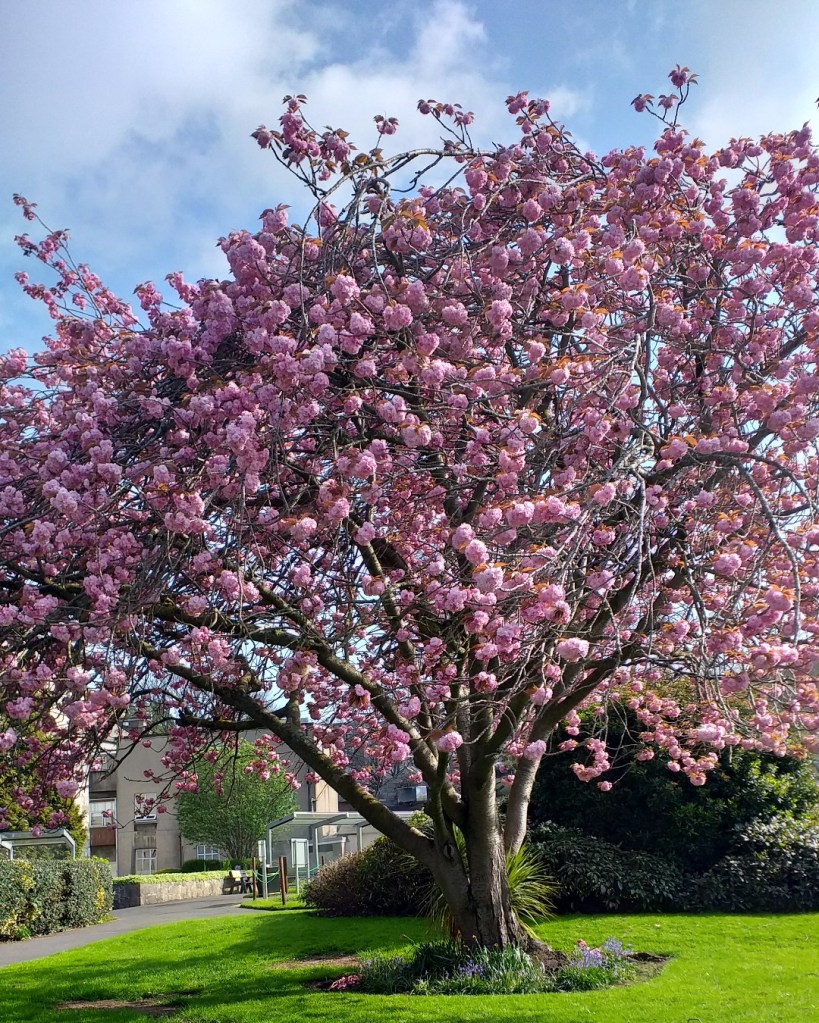
The beautiful cherry blossom tree at our St Patrick’s University Hospital campus is in full bloom! Cherry blossoms are the national flower of Japan, representing a time of renewal and optimism. We hope our service users and staff are enjoying this pretty view!

