Why a Strong Core Can Help Reduce Low Back Pain @ClevelandClinic #healthaware #physiotherapy

cleveland back pain a physical therapist

Cleveland Clinic
@ClevelandClinic

Back pain is a complex problem, but can strengthening core muscles with targeted exercise provide some relief?

If you suffer from back pain, you’ve probably heard that strengthening your core can bring you some relief. But is this always true? And if so, how do you do it? Physical therapist Patti Mariano Kopasakis, PT, DPT, SCS, answers common questions about what we should know about strengthening your core muscle group.

Q: What is your core?

When most people think about the core of the body they think of the abdominal or six-pack area just below the ribs. While the abdominal muscles are an important part of the core, we consider other areas important, too.

Your core includes:

  • Front abdominal muscles — the rectus abdominis.
  • Muscles along the side of your body — the internal and external obliques.
  • A deep muscle that wraps around the front — the transverse abdominal.
  • Muscles in your back that are located between your spine bones and run along your spine — the erector spinae and multifidi.

Your core also includes your diaphragm, muscles of the pelvic floor, hip flexors, and gluteal muscles.

Q: What is the relationship between core strength and back pain?

Theoretically, if your muscles around the low back are weak, your body will rely more on passive structures for stability, including ligaments — the tissue that connects bone to bone — as well as the spinal bones or discs which lie between the spinal bones. This can cause pain.

But some studies have shown that specific core exercises are not any more beneficial than general exercise for low back pain. What we know is that exercise in general can help, and focusing on core muscles may provide some additional benefit.

Q: What are some exercises for the core that can help with back pain?

Here are my top five:

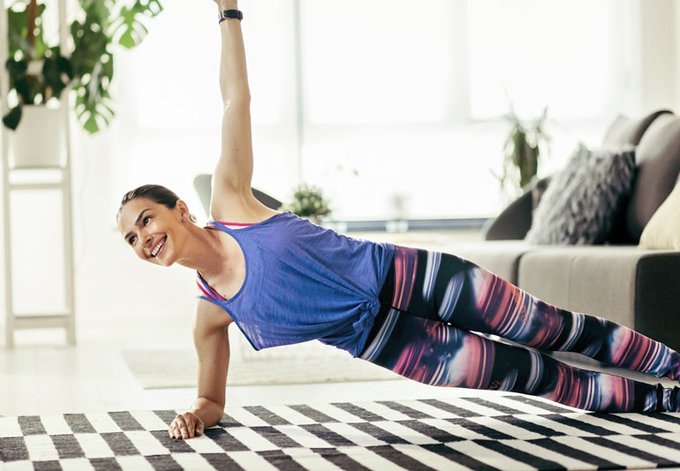
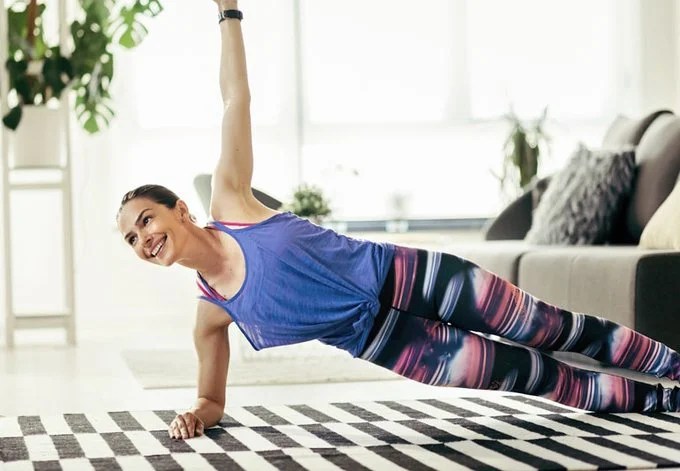
  •  Side plank — Sit on the floor with your right hand below your right shoulder and feet stacked. Lift your body, keeping your legs long, abdominals engaged and feet stacked. Hold. Repeat on the other side. You can modify this pose by dropping your bottom knee to the floor for extra support.
  • Plank — Kneel on all fours. Pull in your abdomen and step your feet behind you until your legs are straight. Keep your hands directly under your shoulders and your neck straight. Hold your abdomen and legs tight and avoid letting your lower back sag. Hold and breathe for 30 seconds. You can modify this pose by lowering your knees.
  • Bird dog — Kneel  on all fours. Reach one arm out in front of you, draw in your abdomen, and extend the opposite leg long behind you. Repeat on the other side.
  • Marches — Lie on your back with knees bent. Take a deep breath in and as you breathe out draw your belly muscles in as if tightening a belt. As you do this lift one leg a few inches from the floor. Return to starting position and switch sides. Repeat for 8-10 repetitions on each side. 3 sets.
  • Upward dog — Lie face down with head slightly lifted and hands palm-down under your shoulders. Point your toes. Exhale, then press through your hands and the tops of your feet and raise your body and legs up until your arms are straight and your body and legs are off the ground. Keep your neck relaxed and long and thigh muscles tight as you hold and breathe.

For the plank exercises, start by holding them for 15 seconds to 30 seconds. For bird dog and scissors, try three sets of eight or 10 repetitions. For upward dog, do one set of 10 repetitions.

Q: Can you injure your back by trying to strengthen your core?

Any exercise performed incorrectly, whether it is core-strengthening or otherwise, has the potential to cause discomfort.

Twisting exercises or even incorrectly completing the exercises cited above can cause pain in the low back. But it’s highly unlikely that one repetition of an exercise will seriously harm your body, unless it’s an exercise using a very heavy weight.

The best way to keep your body safe is to listen to body cues such as pain during and immediately after an exercise, and the next day after exercising.

Q: When should you talk to a doctor about your back pain?

If any of the following is going on you should consult with your doctor:

  • Your pain has been going on for longer than a month, despite resting from activities that make it worse.
  • Your pain is getting worse.
  • Your pain wakes you from sleep.
  • Your pain is in your low back but also is going down one or both of your legs.
  • You notice that one leg is becoming weaker than the other.

Q: Where should you turn if you want help in creating a plan to address back pain?

Physical therapists train as musculoskeletal experts — they are the experts on muscles, bones and human movement. These professionals are the most qualified, aside from an orthopedic doctor, to assess back problems.

Since there are many factors that impact low back pain and many types of low back pain, it is a good idea to visit at least one time with a physical therapist for an evaluation and subsequent plan of care. This will give you an individually tailored plan with exercises that progress safely. The idea of core strengthening, while beneficial, is just one piece of the low back pain puzzle.
New Study: No Level of Alcohol Is Entirely Safe @ClevelandClinic #healthaware #canceraware


Cleveland Clinic

@ClevelandClinic
·


Even casual drinking can put your long-term health at risk. Our liver specialist explains the findings of this study.

New Study: No Level of Alcohol — Even Casual Drinking — Is Entirely Safe

Leading cause of death of those age 15-49

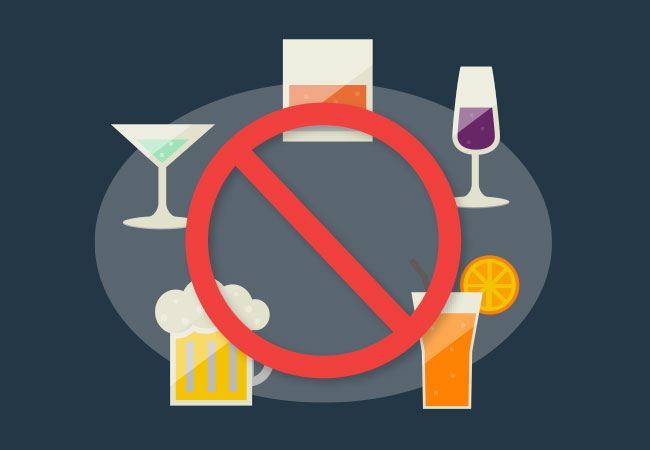
Stopping for happy hour with colleagues after work. Cracking open a cold beer (or two) while watching the game. Meeting up with girlfriends for a glass of pinot noir. Having an alcoholic beverage of choice is a common way to unwind. But according to a recent study, even casual drinking can put your long-term health at risk.

Liver specialist Jamile Wakim-Fleming, MD, did not take part in the study, but says the research found that alcohol was a leading risk factor for both disease and premature death.

“They found that alcohol was the seventh leading cause of death worldwide,” she says. “But even more alarming, is that it was the first leading cause of death of people between the ages of 15-49.”

What the study examined

The study looked at global data from hundreds of previous studies and found that for all ages, alcohol was associated with 2.8 million deaths each year.

Researchers found that alcohol-related cancer and heart disease, infectious diseases, intentional injury, traffic accidents and accidental injury were some of the leading causes of alcohol-related deaths.

But isn’t alcohol good for your heart?

Dr. Wakim-Fleming says people often believe that a little bit of alcohol, wine in particular, may be good for their heart. But the study results didn’t show any health benefit to drinking any amount of alcohol.

She says this information, along with previous research that has shown more young people are dying from alcohol-related liver disease, indicates that excessive drinking among young adults is a growing problem.

The damage grows over time

And like any substance-abuse problem, Dr. Wakim-Fleming says the damage to the body from alcohol increases over your lifespan.

“It’s a cumulative effect,” she explains. “If you do it all at once, then you’re going to have the effect now. If you drink on a regular basis, over years it’s going to be cumulative and you will end up with a problem later on.”

Dr. Wakim-Fleming notes that anything we do in life involves risk, but it’s important to know what the risks are so that we can make the best decisions for our health.

Complete results of the study can be found in The Lancet. Facebook Twitter Linkedin Pinterest alcoholalcohol and healthalcohol-related liver disease

Spanakopita – a delicious Greek appetizer with our healthier twist! @ClevelandClinic #healthaware #foodaware

This savory Greek appetizer is usually made with a lot of butter and a lot of feta cheese, which is delicious, but not really heart-healthy. Our just-as-delicious recipe offers a lighter, heart-healthier alternative!

Ingredients

  • Olive oil cooking spray
  • 1 small onion, minced
  • One 10-ounce package frozen, chopped spinach
  • 1/3 cup crumbled reduced-fat feta cheese
  • 1/4 cup 1% cottage cheese
  • 1/8 teaspoon ground nutmeg
  • 1 1/2 tablespoons chopped fresh dill
  • Freshly ground pepper
  • 1 tablespoon egg substitute
  • 5 sheets frozen phyllo dough, thawed
  • Refrigerated butter-flavored cooking spray

Directions

  1. Preheat the oven to 350 F. Coat a baking sheet with olive oil cooking spray.
  2. Coat a large nonstick skillet with olive oil cooking spray. Add the onion and spinach; saute over medium-high heat until the spinach is thawed and the onion begins to wilt, 8 to 10 minutes. Stir frequently to break up clumps of spinach. Add the feta and cottage cheese along with the nutmeg, dill, pepper and egg substitute; mix well. Remove from heat and cool for 5 minutes.
  3. Cut the phyllo dough into four lengthwise strips, covering the dough you’re not using with a damp tea towel so it doesn’t dry out. Coat each strip with the butter-flavored spray. Place a tablespoon of spinach mix on top of a strip of dough and fold over to make a triangle; continue folding over as if folding a flag. Place on the prepared baking sheet. Repeat, using all the remaining phyllo and filling. Coat each triangle with the butter-flavored spray. Bake for about 20 minutes, until browned. Serve warm.

Nutrition information (per serving)

Makes 20 pieces (10 servings/2 pieces serving)

Calories: 50
Total fat: 1.5 g
Protein: 3 g
Carbohydrate: 7 g
Dietary fiber: 0 g
Cholesterol: 0 mg
Sodium: 180 mg
Potassium: 60 mg

 Cleveland Clinic Healthy Heart Lifestyle Guide and Cookbook (© 2007 Broadway Books).

A delicious Greek appetizer with our healthier twist! @ClevelandClinic #healthaware

This savory Greek appetizer is usually made with a lot of butter and a lot of feta cheese, which is delicious, but not really heart-healthy. Our just-as-delicious recipe offers a lighter, heart-healthier alternative!

Ingredients

  • Olive oil cooking spray
  • 1 small onion, minced
  • One 10-ounce package frozen, chopped spinach
  • 1/3 cup crumbled reduced-fat feta cheese
  • 1/4 cup 1% cottage cheese
  • 1/8 teaspoon ground nutmeg
  • 1 1/2 tablespoons chopped fresh dill
  • Freshly ground pepper
  • 1 tablespoon egg substitute
  • 5 sheets frozen phyllo dough, thawed
  • Refrigerated butter-flavored cooking spray

Directions

  1. Preheat the oven to 350 F. Coat a baking sheet with olive oil cooking spray.
  2. Coat a large nonstick skillet with olive oil cooking spray. Add the onion and spinach; saute over medium-high heat until the spinach is thawed and the onion begins to wilt, 8 to 10 minutes. Stir frequently to break up clumps of spinach. Add the feta and cottage cheese along with the nutmeg, dill, pepper and egg substitute; mix well. Remove from heat and cool for 5 minutes.
  3. Cut the phyllo dough into four lengthwise strips, covering the dough you’re not using with a damp tea towel so it doesn’t dry out. Coat each strip with the butter-flavored spray. Place a tablespoon of spinach mix on top of a strip of dough and fold over to make a triangle; continue folding over as if folding a flag. Place on the prepared baking sheet. Repeat, using all the remaining phyllo and filling. Coat each triangle with the butter-flavored spray. Bake for about 20 minutes, until browned. Serve warm.

Nutrition information (per serving)

Makes 20 pieces (10 servings/2 pieces serving)

Calories: 50
Total fat: 1.5 g
Protein: 3 g
Carbohydrate: 7 g
Dietary fiber: 0 g
Cholesterol: 0 mg
Sodium: 180 mg
Potassium: 60 mg

 Cleveland Clinic Healthy Heart Lifestyle Guide and Cookbook (© 2007 Broadway Books).

A delicious Greek appetizer with our healthier twist! @ClevelandClinic #healthaware

This savory Greek appetizer is usually made with a lot of butter and a lot of feta cheese, which is delicious, but not really heart-healthy. Our just-as-delicious recipe offers a lighter, heart-healthier alternative!

Ingredients

  • Olive oil cooking spray
  • 1 small onion, minced
  • One 10-ounce package frozen, chopped spinach
  • 1/3 cup crumbled reduced-fat feta cheese
  • 1/4 cup 1% cottage cheese
  • 1/8 teaspoon ground nutmeg
  • 1 1/2 tablespoons chopped fresh dill
  • Freshly ground pepper
  • 1 tablespoon egg substitute
  • 5 sheets frozen phyllo dough, thawed
  • Refrigerated butter-flavored cooking spray

Directions

  1. Preheat the oven to 350 F. Coat a baking sheet with olive oil cooking spray.
  2. Coat a large nonstick skillet with olive oil cooking spray. Add the onion and spinach; saute over medium-high heat until the spinach is thawed and the onion begins to wilt, 8 to 10 minutes. Stir frequently to break up clumps of spinach. Add the feta and cottage cheese along with the nutmeg, dill, pepper and egg substitute; mix well. Remove from heat and cool for 5 minutes.
  3. Cut the phyllo dough into four lengthwise strips, covering the dough you’re not using with a damp tea towel so it doesn’t dry out. Coat each strip with the butter-flavored spray. Place a tablespoon of spinach mix on top of a strip of dough and fold over to make a triangle; continue folding over as if folding a flag. Place on the prepared baking sheet. Repeat, using all the remaining phyllo and filling. Coat each triangle with the butter-flavored spray. Bake for about 20 minutes, until browned. Serve warm.

Nutrition information (per serving)

Makes 20 pieces (10 servings/2 pieces serving)

Calories: 50
Total fat: 1.5 g
Protein: 3 g
Carbohydrate: 7 g
Dietary fiber: 0 g
Cholesterol: 0 mg
Sodium: 180 mg
Potassium: 60 mg

 Cleveland Clinic Healthy Heart Lifestyle Guide and Cookbook (© 2007 Broadway Books).

A delicious Greek appetizer with our healthier twist! @ClevelandClinic #healthaware #spanakopitas

This savory Greek appetizer is usually made with a lot of butter and a lot of feta cheese, which is delicious, but not really heart-healthy. Our just-as-delicious recipe offers a lighter, heart-healthier alternative!

Ingredients

  • Olive oil cooking spray
  • 1 small onion, minced
  • One 10-ounce package frozen, chopped spinach
  • 1/3 cup crumbled reduced-fat feta cheese
  • 1/4 cup 1% cottage cheese
  • 1/8 teaspoon ground nutmeg
  • 1 1/2 tablespoons chopped fresh dill
  • Freshly ground pepper
  • 1 tablespoon egg substitute
  • 5 sheets frozen phyllo dough, thawed
  • Refrigerated butter-flavored cooking spray

Directions

  1. Preheat the oven to 350 F. Coat a baking sheet with olive oil cooking spray.
  2. Coat a large nonstick skillet with olive oil cooking spray. Add the onion and spinach; saute over medium-high heat until the spinach is thawed and the onion begins to wilt, 8 to 10 minutes. Stir frequently to break up clumps of spinach. Add the feta and cottage cheese along with the nutmeg, dill, pepper and egg substitute; mix well. Remove from heat and cool for 5 minutes.
  3. Cut the phyllo dough into four lengthwise strips, covering the dough you’re not using with a damp tea towel so it doesn’t dry out. Coat each strip with the butter-flavored spray. Place a tablespoon of spinach mix on top of a strip of dough and fold over to make a triangle; continue folding over as if folding a flag. Place on the prepared baking sheet. Repeat, using all the remaining phyllo and filling. Coat each triangle with the butter-flavored spray. Bake for about 20 minutes, until browned. Serve warm.

Nutrition information (per serving)

Makes 20 pieces (10 servings/2 pieces serving)

Calories: 50
Total fat: 1.5 g
Protein: 3 g
Carbohydrate: 7 g
Dietary fiber: 0 g
Cholesterol: 0 mg
Sodium: 180 mg
Potassium: 60 mg

 Cleveland Clinic Healthy Heart Lifestyle Guide and Cookbook (© 2007 Broadway Books).

How best to take care of yourself so you can live your healthiest, best life. @ClevelandClinic #healthaware

Health is wealth. This common saying holds a lot of weight because it has truth behind it.
But what exactly is disease prevention and how can you prevent diseases from happening? Integrative medicine physician Irina Todorov, MD, offers nine ways to prevent diseases and how to take care of yourself so you can live your healthiest, best life.
1. Make healthy food choices
“For good health and disease prevention, avoid ultra-processed foods and eat homemade meals prepared with basic ingredients,” says Dr. Todorov.
A study published in 2019 concluded that consumption of more than 4 servings of ultra-processed food was associated with a 62% increased hazard for all-cause mortality. For each additional serving, all-caused mortality increased to 18%. These foods can cause chronic inflammation, a normal bodily process gone awry that can contribute to heart disease, diabetes and even cancer. 
Ultra-processed food include: 
Chips.
White bread.
Donuts.
Cookies.
Granola or protein bars.
Breakfast cereals.
Instant oatmeal.
Coffee creamers.
Soda.
Milkshakes.
“It’s crucial to read food labels carefully,” warns Dr. Todorov. “Most foods that come in a package have more than five ingredients or have ingredients that you cannot pronounce. Many foods labeled as diet, healthy, sugar free or fat free can be bad for you.”
What do all healthy diets have in common? They consist of fruits and vegetables, beans, lentils, whole grains like quinoa, brown rice and steel-cut oats, nuts and seeds and healthy oils like extra-virgin olive oil. 
“A great example of a healthy eating pattern is the Mediterranean diet,” says Dr. Todorov. “Talk to your doctor or dietitian to help create a meal plan that works for you.”
2. Get your cholesterol checked
When checking your cholesterol, your test results will show your cholesterol levels in milligrams per decilitre. It’s crucial to get your cholesterol checked because your doctor will be able to advise you on how to maintain healthy levels, which in turn lowers your chances of getting heart disease and stroke.
3. Watch your blood pressure
Do you have high blood pressure? Even if you don’t think so, keep reading. Based on data published from the Centers for Disease Control and Prevention (CDC), about 45% of adults in the United States have hypertension defined as systolic blood pressure, diastolic blood pressure or are taking medication for hypertension.
Normal blood pressure is defined as blood pressure <120/80 mmHg. Having hypertension puts you at risk for heart disease and stroke, which are leading causes of death in the United States.
Even small weight loss can help manage or prevent high blood pressure in many overweight people, according to the American Heart Association. 
“Start off slow and find an activity you enjoy,” says Dr. Todorov. “That can make a big difference in both your blood pressure and health.”
4. Get up and get moving
Throw away any common misconceptions about exercising like that it has to be in a gym or a structured environment. Frequency (how often), intensity (how hard) and time (how long) are what matter the most.
“Start where you are and gradually increase your physical activity,” says Dr. Todorov. “My motto is some exercise is good but more is better.”
Taking 10,000 steps a day is a popular goal because research has shown that when combined with other healthy behaviors, it can lead to a decrease in chronic illness like diabetes, metabolic syndromes and heart disease. Exercise does not need to be done in consecutive minutes. You can walk for 30 to 60 minutes once a day or you can do activities two to three times a day in 10 to 20 minute increments. 
“There are so many different options for exercise available to us today,” says Dr. Todorov. “Take advantage of free gym and app trials, YouTube videos, resources from your local library and virtual gym classes. Walking in the park adds the benefit of spending time in nature.”
5. Watch your body mass
“Dare to be different from the average American, who is more likely to be obese than adults in any other developed nation,” says Dr. Todorov.
To see if you are at a good weight for your height, calculate your body mass index (BMI).
The BMI scale:
Under 18.5: Underweight
18-24.9: Normal
> 25-29.9: Overweight
> 30: Obese
If you are overweight or obese, you are at higher risk of developing serious health problems, including heart disease, high blood pressure, type 2 diabetes, gallstones, breathing problems and certain cancers. If you are overweight or obese, you doctor or nutritionist will be able to help you get on the right path towards your ideal body mass.
6. Manage blood sugar levels
For good preventive health, cut back on soda, candy and sugary desserts, which can cause blood sugar to rise. If you have diabetes, this can damage your heart, kidneys, eyes and nerves over time.
Aside from understanding what makes your blood sugar levels hike up, the American Heart Association recommends eating smart, managing your weight, quitting smoking and moving more as measures to manage your blood sugar.
“In addition, having your blood pressure, blood sugar and cholesterol in a normal range decreases your risk for heart disease,” explains Dr. Todorov. “This lowers your risk of being diagnosed with cancer.”
7. Quit smoking
If you smoke, there is probably no other single choice you can make to help your health more than quitting.
The CDC found that smokers are more likely than nonsmokers to develop heart disease, different types of cancer, stroke and more. Not only that, but smoking increases your risk of dying from cancer.
“Smokers lose at least 10 years of life expectancy compared with people who never smoked,” says Dr. Todorov. “People who quit by age 40 reduce their risk of smoking-related death by 90%.”
8. Get restful sleep
Sleep restores us and has a huge effect on how we feel. If you have trouble sleeping, try to establish a sleep routine. A good sleep routine includes going to bed and waking up at the same time every day and avoiding eating heavy meals and alcohol. It’s important to stop screen time from your devices 2 hours before bedtime, too. 
To wind down before bed, Dr. Todorov recommends:
Listen to calming music.
Practice mindfulness or meditation.
Reflect on the positive moments of the day.
Read a book. 
Have a cup of chamomile tea.
Practice 10 minutes of yoga.
“Research shows that daily exercise improves sleep in patients with insomnia, too,” says Dr. Todorov. “Try to avoid vigorous exercise 2 to 3 hours before bedtime.” 
9. Don’t miss health screenings and vaccinations
It’s no exaggeration: health screenings can save your life. They are designed to catch cancers and serious problems early for more successful treatment.
“There are screening recommendations for adults and women specifically, and varied screenings depending on your family history,” says Dr. Todorov. “Some screening recommendations have changed, so talk to your doctor.”
Making healthy lifestyle changes overnight isn’t realistic, but taking the necessary steps to ensure you’re staying on top of your health will put you ahead and help you be the healthiest you can be.

Why Exercise Can Lift Your Mood When You’re Down @ClevelandClinic #healthaware

Here’s a fact that may surprise you: By the year 2020, depression is projected to be a leading social and economic burden worldwide — second only to coronary artery disease! Psychotherapy and antidepressants are effective but aren’t for everyone.

But there’s another treatment for depression that’s free and available to everyone: exercise. It will also lower your blood pressure, improve your cholesterol profile, help control blood sugar, and reduce your risk of heart disease, diabetes and common cancers. And, of course, help you achieve or maintain a healthy weight.

https://health.clevelandclinic.org/2016/03/get-happy-exercise-can-lift-mood-infographic/?