Did you know that fruit can be just as sweet as candy? But don’t stress, these natural sugars come with essential vitamins, fiber and nutrients that support your health. Aim for about 2 cups of fruit daily for a delicious and nutritious boost. pic.twitter.com/Z0ORULkhEF
What Does Alcohol Do to Your Body? 9 Ways Alcohol Affects Your Health
Alcohol affects your whole body, from your liver and immune system to your brain and mental health
You probably already know that excessive drinking can affect you in more ways than one.
There are the empty calories that can lead to weight gain. There’s the potential for injury and regrettable choices. And don’t forget about the hangovers of course.
Heavy drinking can also lead to a host of health concerns, like brain damage, heart disease, cirrhosis of the liver and even certain kinds of cancer.
And that’s on top of the toll that alcohol use can take on relationships, not to mention the potential for financial strain and legal troubles.
But even moderate alcohol use changes the way your body functions.
We talked with hepatologist Shreya Sengupta, MD, about how alcohol use affects your body and your emotional health.
“Some people think of the effects of alcohol as only something to be worried about if you’re living with alcohol use disorder, which was formerly called alcoholism,” Dr. Sengupta says.
“But when you consider how alcohol is metabolized and used by your body, we can start to see that even moderate and social drinking affects our health to some degree.”
Dr. Sengupta shares some of the not-so-obvious effects that alcohol has on your body.
Liver
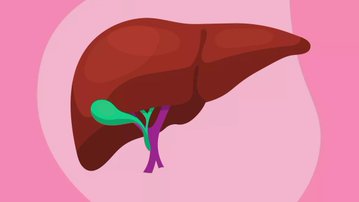
Your liver detoxifies and removes alcohol from your blood through a process known as oxidation. When your liver finishes that process, alcohol gets turned into water and carbon dioxide.
But when you ingest too much alcohol for your liver to process in a timely manner, a buildup of toxic substances begins to take a toll on your liver.
If alcohol continues to accumulate in your system, it can destroy cells and, eventually, damage your organs.
“When your liver is overwhelmed by oxidizing alcohol, it generates molecules that inhibit fat oxidation,” Dr. Sengupta explains. “The fats build up. Over time, it can lead to a condition known as steatotic liver disease.”
Steatotic liver disease used to go by the name fatty liver disease.
Steatotic liver disease develops in about 90% of people who drink more than 1.5 to 2 ounces of alcohol per day. That’s about one shot glass worth.
With continued alcohol use, steatotic liver disease can lead to liver fibrosis. Eventually, you can develop permanent and irreversible scarring in your liver, which is called cirrhosis.
“The good news is that earlier stages of steatotic liver disease are usually completely reversible in about four to six weeks if you abstain from drinking alcohol,” Dr. Sengupta assures.
Cirrhosis, on the other hand, is irreversible and can lead to liver failure and liver cancer, even if you abstain from alcohol.
Metabolism
You probably are keenly aware of the so-called “beer belly.” That’s shorthand for a round midsection that some people associate with drinking too much beer.
In reality, there’s no evidence that drinking beer (or your alcoholic beverages of choice) actually contributes to belly fat.
But there’s plenty of research to back up the notion that alcohol does lead to weight gain in general. Even for people who aren’t particularly heavy drinkers.
“Drinking gives your body work to do that keeps it from going about its other processes,” Dr. Sengupta notes. “Alcohol distracts your system from its regularly scheduled duties, including things like metabolizing carbohydrates and fats.”
Once you take a drink, your body makes metabolizing alcohol a priority — above processing anything else.
That’s because your body already has processes in place that allow it to store excess proteins, carbohydrates and fats. But there isn’t a storage tank for alcohol. So, your system prioritizes getting rid of alcohol before it can turn its attention to its other work.
That allows excess calories from the foods you eat to sit around, leading to weight gain.
Gut health
Your gut microbiome is a hotbed of bacteria that help keep your digestive system happy and healthy. The trillions of microbes in your colon and large and small intestines are critical to proper digestion. They also help fend off inflammation and support healthy metabolism.
When you drink too much alcohol, it can throw off the balance of good and bad bacteria in your gut.
“Alcohol can kill the good bacteria that live in your gut, allowing bad bacteria to grow unchecked,” Dr. Sengupta explains. “That can lead to problems with digestion, inflammation and even organ damage.”
Having a glass of wine with dinner or a beer at a party here and there isn’t going to destroy your gut. But even low amounts of daily drinking and prolonged and heavy use of alcohol can lead to significant problems for your digestive system.
There are a few studies that associate red wine with improved heart health in lab tests. But no research proves that red wine causes any improvements in heart health in people.
“The reality is that alcohol causes more health troubles than it could ever help,” Dr. Sengupta reinforces. “And that goes for your heart, as well as the rest of your body.”
Pancreas
Your pancreas helps your body digest food and manage your blood sugar. Drinking alcohol changes how your pancreas works.
“Your pancreas secretes fluids. Alcohol use can thicken those fluids, which can clog the ducts that those fluids flow out of,” Dr. Sengupta explains.
Like a clog in a drain, those thickened fluids can jam up your ducts. That can lead to pancreatitis, which is inflammation of the pancreas.
Pancreatitis can be a short-term (acute) condition that clears up in a few days. But prolonged alcohol abuse can lead to chronic (long-term) pancreatitis, which can be severe.
Your body breaks alcohol down into a chemical called acetaldehyde, which damages your DNA. Damaged DNA can cause a cell to grow out of control, which results in cancerous tumors.
Alcohol use has been shown to raise your risk for several kinds of cancer. That includes cancers of the:
Mouth.
Esophagus.
Throat.
Liver.
Breast.
Colon and rectum.
Immune system
If you drink every day, or almost every day, you might notice that you catch colds, flu or other illnesses more frequently than people who don’t drink. That’s because alcohol can weaken your immune system and make your body more susceptible to infection.
“We see lower levels of a specific kind of white blood cells called lymphocytes in people who drink heavily for long periods of time,” Dr. Sengupta reports. “That can leave them more vulnerable to infectious diseases.”
Brain
The morning after a night of over-imbibing can cause some temporary effects on your brain. Things like trouble concentration, slow reflexes and sensitivity to bright lights and loud sounds are standard signs of a hangover, and evidence of alcohol’s effects on your brain.
Long-term alcohol use can change your brain’s wiring in much more significant ways. Ways that your standard hangover cures won’t even begin to touch.
“Excessive alcohol consumption can cause nerve damage and irreversible forms of dementia,” Dr. Sengupta warns.
Mental health
Alcohol is a depressant. And prolonged alcohol use can lead to mental health conditions like anxiety and depression. Chronic misuse can also lead to paranoia and hallucinations.
Even drinking a little too much (binge drinking) on occasion can set off a chain reaction that affects your well-being. Lowered inhibitions can lead to poor choices with lasting repercussions — like the end of a relationship, an accident or legal woes. Each of those consequences can cause turmoil that can negatively affect your long-term emotional health.
“Alcohol tends to cause more problems than it solves for a lot of people,” Dr. Sengupta emphasizes. “If drinking is affecting your health, your relationships, your work, your finances, it’s time to make some serious changes.”
If you need more guidance to quit drinking, the Substance Abuse and Mental Health Services Administration (SAMHSA) offers a hotline, 24/7, 365 days a year. Call 1.800.662.HELP (4357).
Alcoholics Anonymous is available almost everywhere and provides a place to openly and nonjudgmentally discuss alcohol issues with others who have alcohol use disorder.
Did you know that fruit can be just as sweet as candy? But don’t stress, these natural sugars come with essential vitamins, fiber and nutrients that support your health. Aim for about 2 cups of fruit daily for a delicious and nutritious boost. pic.twitter.com/Z0ORULkhEF
Here’s a fact that may surprise you: By the year 2020, depression is projected to be a leading social and economic burden worldwide — second only to coronary artery disease! Psychotherapy and antidepressants are effective but aren’t for everyone.
But there’s another treatment for depression that’s free and available to everyone: exercise. It will also lower your blood pressure, improve your cholesterol profile, help control blood sugar, and reduce your risk of heart disease, diabetes and common cancers. And, of course, help you achieve or maintain a healthy weight.
Who says pumpkin spice is only exciting in latte form?
Don’t just reserve pumpkin for pumpkin spice lattes and pie! These easy spice cookies are a great way to spread the pumpkin love throughout the entire season.
If you don’t have any aluminum-free baking powder in your cupboard, pick some up the next time you go shopping. Aluminum may pose potential risks to your health as a neurotoxin. While the dose of aluminum is what makes the poison, some studies show a relationship between aluminum that is stored in your body and neuro-disorders (such as Alzheimer’s disease.) Limiting exposure to all metals is a protective measure we can take to optimize our health.
Ingredients
1 cup pumpkin puree, fresh or canned 1 tablespoon pure maple syrup 1/3 cup unsweetened applesauce 1 teaspoon pure vanilla extract 1/4 cup vegan palm shortening or melted coconut oil 1 cup oat flour 1/2 cup almond flour 1/2 teaspoon baking soda 1/2 teaspoon aluminum-free baking powder 1 teaspoon ground cinnamon 1/2 teaspoon pumpkin pie spice Pinch sea salt 1/2 cup chopped pecans 1/4 cup mini chocolate chips
Directions
Preheat oven to 350°F.
Mix the pumpkin, syrup, applesauce, vanilla and shortening (or oil if using) in a large bowl. Alternatively, place in a blender and blend until combined.
In a separate medium bowl sift the oat flour, almond flour, baking soda, baking powder and spices together.
Add the dry ingredients to the pumpkin mixture and mix to combine. Then fold in the pecans and chocolate chips.
Scoop 1 tablespoon of batter onto a large baking pan lined with parchment paper. Repeat until all batter is used. Place baking pan into the oven and bake for 20 to 25 minutes, or until just slightly firm. Remove the cookies from the oven and serve warm or room temperature.
Store uneaten cookies in a sealed glass container at room temperature for two days or in the refrigerator for up to five days.
Nutrition information (per serving)
Makes 3 dozen cookies
Calories: 43 Total fat: 2 g Saturated fat: 2 g Cholesterol: 0 mg Fiber: 1 g Protein: 1 g Carbohydrate: 5 g Sodium: 25 mg
What Does Alcohol Do to Your Body? 9 Ways Alcohol Affects Your Health
Alcohol affects your whole body, from your liver and immune system to your brain and mental health
You probably already know that excessive drinking can affect you in more ways than one.
There are the empty calories that can lead to weight gain. There’s the potential for injury and regrettable choices. And don’t forget about the hangovers of course.
Heavy drinking can also lead to a host of health concerns, like brain damage, heart disease, cirrhosis of the liver and even certain kinds of cancer.
And that’s on top of the toll that alcohol use can take on relationships, not to mention the potential for financial strain and legal troubles.
But even moderate alcohol use changes the way your body functions.
We talked with hepatologist Shreya Sengupta, MD, about how alcohol use affects your body and your emotional health.
“Some people think of the effects of alcohol as only something to be worried about if you’re living with alcohol use disorder, which was formerly called alcoholism,” Dr. Sengupta says.
“But when you consider how alcohol is metabolized and used by your body, we can start to see that even moderate and social drinking affects our health to some degree.”
Dr. Sengupta shares some of the not-so-obvious effects that alcohol has on your body.
Liver
Your liver detoxifies and removes alcohol from your blood through a process known as oxidation. When your liver finishes that process, alcohol gets turned into water and carbon dioxide.
But when you ingest too much alcohol for your liver to process in a timely manner, a buildup of toxic substances begins to take a toll on your liver.
If alcohol continues to accumulate in your system, it can destroy cells and, eventually, damage your organs.
“When your liver is overwhelmed by oxidizing alcohol, it generates molecules that inhibit fat oxidation,” Dr. Sengupta explains. “The fats build up. Over time, it can lead to a condition known as steatotic liver disease.”
Steatotic liver disease used to go by the name fatty liver disease.
Steatotic liver disease develops in about 90% of people who drink more than 1.5 to 2 ounces of alcohol per day. That’s about one shot glass worth.
With continued alcohol use, steatotic liver disease can lead to liver fibrosis. Eventually, you can develop permanent and irreversible scarring in your liver, which is called cirrhosis.
“The good news is that earlier stages of steatotic liver disease are usually completely reversible in about four to six weeks if you abstain from drinking alcohol,” Dr. Sengupta assures.
Cirrhosis, on the other hand, is irreversible and can lead to liver failure and liver cancer, even if you abstain from alcohol.
Metabolism
You probably are keenly aware of the so-called “beer belly.” That’s shorthand for a round midsection that some people associate with drinking too much beer.
In reality, there’s no evidence that drinking beer (or your alcoholic beverages of choice) actually contributes to belly fat.
But there’s plenty of research to back up the notion that alcohol does lead to weight gain in general. Even for people who aren’t particularly heavy drinkers.
“Drinking gives your body work to do that keeps it from going about its other processes,” Dr. Sengupta notes. “Alcohol distracts your system from its regularly scheduled duties, including things like metabolizing carbohydrates and fats.”
Once you take a drink, your body makes metabolizing alcohol a priority — above processing anything else.
That’s because your body already has processes in place that allow it to store excess proteins, carbohydrates and fats. But there isn’t a storage tank for alcohol. So, your system prioritizes getting rid of alcohol before it can turn its attention to its other work.
That allows excess calories from the foods you eat to sit around, leading to weight gain.
Gut health
Your gut microbiome is a hotbed of bacteria that help keep your digestive system happy and healthy. The trillions of microbes in your colon and large and small intestines are critical to proper digestion. They also help fend off inflammation and support healthy metabolism.
When you drink too much alcohol, it can throw off the balance of good and bad bacteria in your gut.
“Alcohol can kill the good bacteria that live in your gut, allowing bad bacteria to grow unchecked,” Dr. Sengupta explains. “That can lead to problems with digestion, inflammation and even organ damage.”
Having a glass of wine with dinner or a beer at a party here and there isn’t going to destroy your gut. But even low amounts of daily drinking and prolonged and heavy use of alcohol can lead to significant problems for your digestive system.
There are a few studies that associate red wine with improved heart health in lab tests. But no research proves that red wine causes any improvements in heart health in people.
“The reality is that alcohol causes more health troubles than it could ever help,” Dr. Sengupta reinforces. “And that goes for your heart, as well as the rest of your body.”
Pancreas
Your pancreas helps your body digest food and manage your blood sugar. Drinking alcohol changes how your pancreas works.
“Your pancreas secretes fluids. Alcohol use can thicken those fluids, which can clog the ducts that those fluids flow out of,” Dr. Sengupta explains.
Like a clog in a drain, those thickened fluids can jam up your ducts. That can lead to pancreatitis, which is inflammation of the pancreas.
Pancreatitis can be a short-term (acute) condition that clears up in a few days. But prolonged alcohol abuse can lead to chronic (long-term) pancreatitis, which can be severe.
Your body breaks alcohol down into a chemical called acetaldehyde, which damages your DNA. Damaged DNA can cause a cell to grow out of control, which results in cancerous tumors.
Alcohol use has been shown to raise your risk for several kinds of cancer. That includes cancers of the:
Mouth.
Esophagus.
Throat.
Liver.
Breast.
Colon and rectum.
Immune system
If you drink every day, or almost every day, you might notice that you catch colds, flu or other illnesses more frequently than people who don’t drink. That’s because alcohol can weaken your immune system and make your body more susceptible to infection.
“We see lower levels of a specific kind of white blood cells called lymphocytes in people who drink heavily for long periods of time,” Dr. Sengupta reports. “That can leave them more vulnerable to infectious diseases.”
Brain
The morning after a night of over-imbibing can cause some temporary effects on your brain. Things like trouble concentration, slow reflexes and sensitivity to bright lights and loud sounds are standard signs of a hangover, and evidence of alcohol’s effects on your brain.
Long-term alcohol use can change your brain’s wiring in much more significant ways. Ways that your standard hangover cures won’t even begin to touch.
“Excessive alcohol consumption can cause nerve damage and irreversible forms of dementia,” Dr. Sengupta warns.
Mental health
Alcohol is a depressant. And prolonged alcohol use can lead to mental health conditions like anxiety and depression. Chronic misuse can also lead to paranoia and hallucinations.
Even drinking a little too much (binge drinking) on occasion can set off a chain reaction that affects your well-being. Lowered inhibitions can lead to poor choices with lasting repercussions — like the end of a relationship, an accident or legal woes. Each of those consequences can cause turmoil that can negatively affect your long-term emotional health.
“Alcohol tends to cause more problems than it solves for a lot of people,” Dr. Sengupta emphasizes. “If drinking is affecting your health, your relationships, your work, your finances, it’s time to make some serious changes.”
If you need more guidance to quit drinking, the Substance Abuse and Mental Health Services Administration (SAMHSA) offers a hotline, 24/7, 365 days a year. Call 1.800.662.HELP (4357).
Alcoholics Anonymous is available almost everywhere and provides a place to openly and nonjudgmentally discuss alcohol issues with others who have alcohol use disorder.
Does slow running have a place in your run routine? 🏃♂️
A cardiologist (and a runner) explains how the idea of slowing your pace can prevent injuries, help you log more run miles and train your body for all the stress that comes with running: https://t.co/59Q7kSUsxmpic.twitter.com/n7a04aTE76
Did you know that fruit can be just as sweet as candy? But don’t stress, these natural sugars come with essential vitamins, fiber and nutrients that support your health. Aim for about 2 cups of fruit daily for a delicious and nutritious boost. pic.twitter.com/Z0ORULkhEF
Wondering if you need an alcohol detox? Learn how to detox your liver from alcohol use, and how long it could take.
Of all your body’s organs, your liver takes the biggest hit when it comes to alcohol. Even if your relationship with drinking consists of occasional social drinking with friends or occasionally over-indulging in wine and cocktails during the holiday season, alcohol can still leave its mark. And it’s a mark that can be hard to reverse.
That’s why many of us wonder if a month of avoiding drinking is enough to “reset” your liver back to normal. It’s true that taking a break from alcohol for any amount of time will be beneficial overall, with some research showing that liver function begins to improve in as little as two to three weeks. But a full detox is needed for the most benefit, and how much time that takes depends on a variety of personal factors.
“It depends on how much damage has already been done,” explains liver specialist Christina Lindenmeyer, MD. “And if there are any complications related to the damage.”
Dr. Lindenmeyer explains what happens to your liver from prolonged and moderate alcohol use, and what a detox process would look like.
How alcohol impacts your liver
Your liver has enzymes that work like special tools to help metabolize (break down) different toxins that enter your body, such as alcohol.
In the short term, alcohol is processed through your liver in about an hour. Essentially, feeling “drunk” is when your liver becomes too overwhelmed to properly process alcohol, so it overflows temporarily into your bloodstream. This is what causes you to feel light-headed or tipsy after multiple alcoholic drinks.
In the long term, prolonged alcohol use can cause severe damage to your liver. Your liver has a specific pathway that the toxins follow to be broken down, so if over time, this pathway becomes overwhelmed by too many toxins, it can affect the efficiency of your liver’s work. In other words: It can’t keep up.
Certain health concerns and diseases can arise in your liver due to long-term alcohol use, including:
If your liver has taken a hit from prolonged alcohol use, there are ways to give it — and the rest of your body — a break.
You can make the move toward detoxing your liver through these steps:
Stop drinking
The first and most important line of defense? You guessed it: Abstain from drinking. “Abstinence is the most critical intervention and treatment,” notes Dr. Lindenmeyer.
This is sometimes easier said than done, of course. If you’re a heavy drinker, you may need to wean off alcohol to let your body adjust. If you’re experiencing severe symptoms of alcohol withdrawal, be sure to talk to a healthcare provider.
If you’re more of a moderate to occasional drinker, you may find the hardest part of stopping drinking to be the social pressures. Try replacing your usual cocktail or beer with a nonalcoholic option, including many of the now popular mocktails available so you can still enjoy social time with friends without having alcohol in the mix.
Maintain a healthy diet
Another thing that will help your liver’s journey in recovery is good nutrition. There’s no miracle diet by any means, but the Mediterranean diet, for example, can help fill some of the nutritional gaps you may have due to alcohol use.
“Nutrition optimization is actually the most evidence-based and most important intervention aside from stopping drinking,” points out Dr. Lindenmeyer. This is because, for a lot of people who experience some kind of liver dysfunction, it makes them at risk of not getting enough proteins, calories or vitamins.
There are also certain foods like tea, fish and nuts that can benefit the liver’s function in many ways. Think of it as giving your liver a little boost in the right direction. “Nutrition therapy is very important in terms of feeding the liver and giving it the building blocks it needs to restore itself,” says Dr. Lindenmeyer.
How long until your liver detoxes from alcohol?
Of course, we all want a simple, achievable number for how long we should abstain from alcohol in order for our bodies to fully heal from its effects.
But the truth is,the timeline of your liver detoxing is going to depend on different factors like:
The amount of alcohol you consume.
The frequency of your drinking.
Any other health conditions you may have.
Your age.
Your weight.
“There is no ‘one size fits all’ answer,” states Dr. Lindenmeyer. “It depends on how much damage has already been done and any possible complications.”
There has been some research conducted on how abstaining from alcohol detoxifies your liver over time. A 2021 review of research notes that several studies determined that two to four weeks of abstinence from alcohol by heavy-alcohol users helped reduce inflammation and bring down elevated serum levels in the liver.
In short: A few weeks off will help. But the longer you can abstain from alcohol, the better. And if your liver has experienced long-term effects, your healthcare provider would probably recommend lifelong abstinence from alcohol to allow it to fully detox and recover.
“For patients who are left with cirrhosis after severe injury to the liver from alcohol, even one drink of alcohol is toxic to the liver,” cautions Dr. Lindenmeyer.
Should you take a break?
For many of us, alcohol becomes a casual routine associated with going out and spending time with loved ones. But if you’re drinking alcohol in excess of the recommended guidelines, you may be doing damage to your liver. It can be hard to notice at first if your body is sending you any warning signs that it’s overwhelmed.
Here are some common signs that your liver is taking a serious hit from alcohol:
It can be hard to find (or even know) the balance of how much alcohol your body is able to handle. If you’re not sure if your drinking crosses a certain line or not, try measuring your alcohol intake.
According to the U.S. Centers for Disease Control and Prevention (CDC), alcohol should be consumed in moderation, which means one drink a day for women and people assigned female at birth (AFAB), and two for men and people assigned male at birth (AMAB) — unless your doctor says otherwise. If you’re keeping up with this average (or less), the damage from alcohol is most likely minimal.
On the other hand, binge drinking is generally defined as four drinks for women and five drinks for men within a two-hour period. And even occasional binge drinking episodes can have profound effects on your liver’s health over time.
Overall, a small break from drinking like a Dry January won’t necessarily fully “detox” your liver, but if you’re prone to overindulging in alcohol, you can see small health boosts such as decreasing inflammation of the liver and increasing your energy levels with such a break.
The bottom line
Just like a broken bone or infection needs time to heal, so does an overworked liver. While this depends on the amount of alcohol you have had over the years, your liver can see partial healing within two to three weeks, but this will depend on your health history.
Depending on the extent of liver damage you have, you may need to completely abstain from alcohol in order to give your liver the best chance for recovery. Talk to a doctor about your personal history and what’s right for you.
Exercise is a vital part of a healthy lifestyle. But if you’ve gotten out of the habit of being active — or have never found an exercise routine that works — it might feel like an impossible task to get started. Luckily, it’s never too late to figure out a workout routine. Here’s how to start exercising — and tips to stay motivated when all you want to do is hang out on the couch instead. What should I include in my exercise program? Every exercise session should include a warm-up, a conditioning phase and a cool-down phase. The warm-up In a nutshell, a warm-up helps your body adjust slowly from rest to exercise. Making this part of your routine reduces the stress on your heart and muscles, and slowly increases your breathing, circulation (heart rate) and body temperature. A warm-up can also help improve your flexibility and reduce muscle soreness. The best warm-up includes stretching, range of motion activities and beginning the activity at a low-intensity level. Conditioning phase The conditioning phase follows the warm-up and is the time when you’re burning calories and moving and grooving. During the conditioning phase, you should monitor the intensity of your activity. The intensity is how hard you’re exercising, which can be measured by checking your heart rate. Over time, you can work on increasing the duration of the activity. The duration is how long you exercise during one session. Cool-down phase The cool-down phase is the last phase of your exercise session. It allows your body to gradually recover from the conditioning phase. Your heart rate and blood pressure will return to near-resting values. However, a cool down does not mean tosit down. In fact, for safety reasons, don’t sit, stand still or lie down right after exercise. This might cause you to feel dizzy, lightheaded or have heart palpitations (fluttering in your chest). The best cool down is to slowly decrease the intensity of your activity. You might also do some of the same stretching activities you did in the warm up. General exercise guidelines In general, experts recommend doing a five-minute warm up, including stretching exercises, before any aerobic activity, and include a five- to 10-minute cool down after the activity. Stretching can be done while standing or sitting. Here are some other things to keep in mind when starting a workout routine: Determine the best exercise routine for your lifestyle Not everybody likes to hop out of bed in the morning and go for a run. Figuring out a routine that fits your lifestyle can help you be more successful. Here are some questions you can think about before choosing a routine: What physical activities do I enjoy? Do I prefer group or individual activities? What programs best fit my schedule? Do I have physical conditions that limit my choice of exercise? What goals do I have in mind? (These might include losing weight, strengthening muscles or improving flexibility, for example.) Don’t try and exercise too much too fast Gradually increase your activity level, especially if you haven’t been exercising regularly. Guidelines around how often to exercise also differ depending on your age, any health conditions you have and your fitness history. Set big and small goals — and be specific If you’re looking to reach a particular goal, exercise specialist Ben Kuharik suggests setting mini goals to achieve along the way. This ensures your motivation stays strong over the long haul. Setting a specific goal is also important. “For example, if you want to lose some weight, it’s hard to be motivated or stick to a plan,” he says. “That’s because you don’t have the excitement in knowing you are getting closer to achieving it.” Having smaller goals or milestones to reach in between the big ones keeps you on track. “If you want to lose 8 pounds in two months — and you set a mini goal of losing 1 pound a week in the process — you get the sense of accomplishment that reaffirms your efforts,” Kuharik says. “And this can snowball into achieving even greater goals.” This also applies if you fall short of your goal. “If you only lose 7 pounds in two months, you’re still 7 pounds down than when you started,” Kuharik affirms. “You’ll feel great about the progress you’ve already made.” Schedule exercise into your daily routine Plan to exercise at the same time every day, such as in the mornings when you have more energy or right after work. Add a variety of exercises so you don’t get bored. Where exercise is concerned, something is also always better than nothing. “Not every day will go as planned,” Kuharik notes. “If you unexpectedly have a tight schedule or are even just having an off day, doing half of your planned workout that day is much more rewarding and beneficial than skipping it altogether.” Exercise at a steady pace Keep a pace that allows you to still talk during the activity. Be sure not to overdo it! You can measure the intensity of your exercise using the Rated Perceived Exertion (RPE) scale. The RPE scale runs from 0 to 10 and rates how easy or difficult you find an activity. For example, 0 (nothing at all) would be how you feel when sitting in a chair; 10 (very, very heavy) is how you feel at the end of an exercise stress test or after a very difficult activity. In most cases, you should exercise at a level that feels 3 (moderate) to 4 (somewhat heavy). Keep an exercise record Keep a record of how much and when you exercise. This can help you look at goal-setting, as well as get a sense of how much activity you’re doing in a given week. Time your eating and drinking properly Wait at least one and a half hours after eating a meal before exercising. When drinking liquids during exercise, remember to follow any fluid restriction guidelines you might have. Only buy what you need Exercise doesn’t have to put a strain on your wallet. Avoid buying expensive equipment or health club memberships unless you’re sure you’ll use them regularly. But you’ll want to dress for the weather (if working out outside) and wear protective footwear. Sneakers are the one thing you should prioritize, as you want to make sure your feet are protected. Stick with it If you exercise regularly, it’ll soon become part of your lifestyle. Make exercise a lifetime commitment. Finding an exercise “buddy” can also help you stay motivated. Don’t forget to have fun Exercising should be fun and not feel like a chore. “Consistency is key — but to do something consistently, it’s important to find a way to enjoy it,” Kuharik says. So, above all, choose an activity you enjoy! You’ll be more likely to stick with an exercise program if you don’t dread working out. “Try to look at exercise as an opportunity to get away from stress, clear your mind and leave nagging thoughts at the door,” Kuharik encourages. “With this in mind, over time, you will look forward to giving your mind a break and feeling good after a great workout session!” Exercise: Where To Start You should always talk to your doctor before starting an exercise routine. Together, you can figure out a plan to ease into regular physical activity. And walking and climbing stairs are two easy ways to start an exercise program. Walking guidelines Start with a short walk. See how far you can go before you become breathless. Stop and rest whenever you’re short of breath. Count the number of steps you take while you inhale. Then exhale for twice as many steps. For example, if you inhale while taking two steps, exhale through pursed lips while taking the next four steps. Learn to walk so breathing in and exhaling out become a habit once you find a comfortable breathing rate. Try to increase your walking distance. When setting specific goals, you might find you can go farther every day. Many people find that an increase of 10 feet a day is a good goal. Set reasonable goals. Don’t walk so far that you can’t get back to your starting point without difficulty breathing. Remember, if you’re short of breath after limited walking, stop and rest. Never overdo it. Always stop and rest for two or three minutes when you start to become short of breath. Stair climbing Hold the handrail lightly to keep your balance and help yourself climb. Take your time. Step up while exhaling or breathing out with pursed lips. Place your whole foot flat on each step. Go up two steps with each exhalation. Inhale or breathe in while taking a rest before the next step. Going downstairs is much easier. Hold the handrail and place each foot flat on the step. Count the number of steps you take while inhaling, and take twice as many steps while exhaling. Whichever activity you choose, remember, even a little exercise is better than none! FACEBOOK TWITTER LINKEDIN PINTEREST Email aerobic exerciseexerciseexercise and heart healthexercise planmoderate exercise








 Healthaware