Skip to content
Healthaware

Healthaware

Health is Wealth

  • Home

Tag: Cleveland Clinic

Posted on September 18, 2024

Moderation is key when it comes to alcohol @ClevelandClinic #healthaware

Moderation is key when it comes to alcohol. People who drink a lot of alcohol tend to have very high triglycerides. That can be a concern because elevated triglyceride levels can increase your risk for diabetes, pancreatitis and stroke.

More: https://t.co/0w6NzAynAS pic.twitter.com/mWoLCx9s4O

— Cleveland Clinic (@ClevelandClinic) September 6, 2024
Posted on September 13, 2024

Biking is a good way to get your blood flowing..@ClevelandClinic #heartaware

Screenshot_2020-07-27 #biking hashtag on Instagram • Photos and Videos

Cleveland Clinic
@ClevelandClinic
·

1h


You know exercise builds muscles, strengthens bones, keeps your heart healthy and your mind sharp. But it also does something that you might not think much about: It helps keep your immune system — your internal defenses against infection — in tip-top shape.

If you take time for some physical exertion each day, it helps get your body ready to attack bacteria, viruses and toxins that can sneak in and make you sick.

But how much exercise is effective? Do too little or too much, and it won’t have the best effect on your immune system.

Clinical immunologist  Leonard Calabrese, DO, answers common questions about how exercise can impact your immunity and how to use your workouts to shut out a world of would-be invaders.

Q: How does breaking a sweat boost immunity?

A: If you exercise moderately on a regular basis, it tunes up the immune system in many ways. It enhances your broad-based defenses against viral infections, such as those causing upper respiratory infections.

Working out regularly also reduces the risk of many chronic diseases such as cardiovascular, respiratory illnesses and metabolic diseases, such as type 2 diabetes.

Q: How much exercise do you need?

A: Fortunately, you don’t have to push yourself to the limit to rev up your immune system. In fact, your immune system needs less of a workout than you get with your average cardio routine.

Focus on getting 20-30 minutes of moderate exercise, five days a week, and your immune system will thank you.

Q: What types of exercise are most helpful?

A: Moderate exercises, including biking or walking briskly in your neighborhood, are good ways to get your blood flowing. Swimming is also a good option for non-weight-bearing exercise for your joints.

Also try mind-body exercises such as Tai-Chi, Qi Gong and yoga, which are all options that help keep your joints flexible. These exercises also reduce chronic stress, which in itself is a powerful immune booster. These exercises can also help alleviate osteoarthritis and fibromyalgia symptoms.

Q: Can too much exercise set your immune system back?

A: Yes, though, the level to which it can slow your system down is still up for debate.

Research shows that exercising for more than 1.5 hours without refueling your body or giving it enough time to recover suppresses your immune responses for up to a few days. During that time, your cortisol levels rise, your white blood cell count drops and you’re more likely to develop a respiratory infection.

This problem usually affects elite athletes, such as marathon runners, most.

On the flip side, staying sedentary also increases your risk of infection, inflammation and chronic disease.

Q: Can exercise make an illness worse?

A: Yes, it can. This is a complex issue, but I like to tell my patients to do a “neck check.” If your symptoms are mostly of a mild cold without fever or lower respiratory symptoms, such as a productive cough, wheezing or shortness of breath, mild exercise can actually reduce congestion and may make you feel better.

If your symptoms are primarily in your lungs or you have a significant fever its better to rest until things settle down. Regardless, good hydration is important.

Posted on September 11, 2024

Recipe: Hearty Minestrone Soup @ClevelandClinic #heartaware


cleveland minestrone

Cleveland Clinic
@ClevelandClinic
·

9h

In honor of #SoupItForwardDay, we’re sharing our most popular soup recipe: Hearty Minestrone Soup https://cle.clinic/388EoJ4 #HugInABowl

This tasty, filling Italian soup is packed with nutrient-rich veggies, heart-healthy olive oil and fiber-friendly legumes. Enjoy it all year long — let it warm you up in the fall and winter, and fill it with fresh vegetables from your garden in the summer.

Ingredients

¼ cup olive oil
1 clove garlic, minced (or 1/8 teaspoon garlic powder)
1-1/3 cups coarsely chopped onion
1-1/2 cups coarsely chopped celery and leaves
1 can (6 ounces) tomato paste
1 tablespoon chopped fresh parsley
1 cup sliced carrots, fresh or frozen
4-3/4 cups shredded cabbage
1 can (16 ounces) tomatoes, cut up
1 cup canned red kidney beans, drained and rinsed
1-1/2 cups frozen peas
1-1/2 cups fresh green beans
Dash hot sauce
11 cups water
2 cups uncooked spaghetti noodles

Directions

  1. Heat oil in a 4-quart saucepan.
  2. Add garlic, onion and celery, and sauté about 5 minutes.
  3. Add all remaining ingredients except spaghetti, and stir until ingredients are well-mixed.
  4. Bring to a boil. Reduce heat, cover and simmer about 45 minutes or until vegetables are tender.
  5. Add uncooked spaghetti and simmer 2-3 minutes only.

Nutrition information

Makes 16 servings
Per serving:

Calories: 260
Fat: 4g
Saturated fat: 0g
Sodium: 191mg
Protein: 11g
Carbohydrate: 45g
Sugars: 7g
Dietary fiber: 8g

—Recipe courtesy of Stay Young at Heart (National Heart, Blood and Lung Institute) 


Posted on September 9, 2024

Moderation is key when it comes to alcohol @ClevelandClinic #healthaware

https://twitter.com/i/status/1832199636163162408
Posted on September 7, 2024

Moderation is key when it comes to alcohol @ClevelandClinic

Moderation is key when it comes to alcohol. People who drink a lot of alcohol tend to have very high triglycerides. That can be a concern because elevated triglyceride levels can increase your risk for diabetes, pancreatitis and stroke.

More: https://t.co/0w6NzAynAS pic.twitter.com/mWoLCx9s4O

— Cleveland Clinic (@ClevelandClinic) September 6, 2024
Posted on September 2, 2024

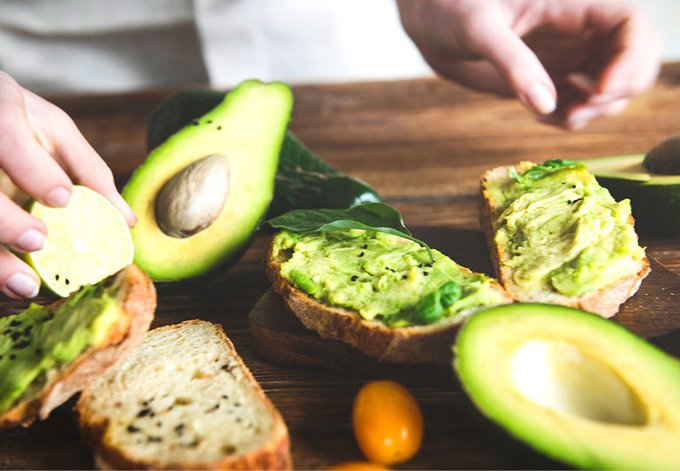
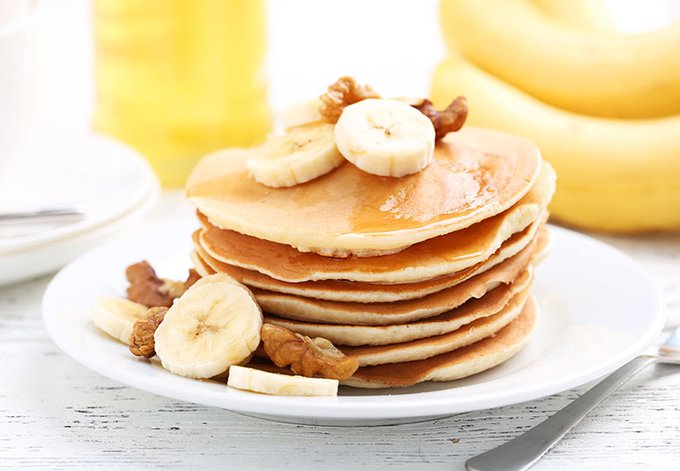
Eating a variety of nutritious foods can help you feel fuller longer and carry you through to lunch. @ClevelandClinic #Breakfast

The term “breakfast” means breaking the fast. And at some point in our day, all of us do that, whether it’s at 7 a.m. or noon. Ideally, the recommendation is to put some food in your belly within two hours of getting up for the day.

To keep your eyes from going half-mast by 10… pic.twitter.com/yqirYsxd8I

— Cleveland Clinic (@ClevelandClinic) March 11, 2024
Posted on August 30, 2024

Starting a Workout Routine – Tips to start moving and grooving @ClevelandClinic #physicalactivity


Exercise
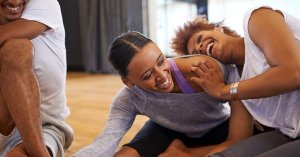
 is a vital part of a healthy lifestyle. But if you’ve gotten out of the habit of being active — or have never found an exercise routine that works — it might feel like an impossible task to get started.
Luckily, it’s never too late to figure out a workout routine. Here’s how to start exercising — and tips to stay motivated when all you want to do is hang out on the couch instead.
What should I include in my exercise program?
Every exercise session should include a warm-up, a conditioning phase and a cool-down phase.
The warm-up
In a nutshell, a warm-up helps your body adjust slowly from rest to exercise. Making this part of your routine reduces the stress on your heart and muscles, and slowly increases your breathing, circulation (heart rate) and body temperature. A warm-up can also help improve your flexibility and reduce muscle soreness.
The best warm-up includes stretching, range of motion activities and beginning the activity at a low-intensity level.
Conditioning phase
The conditioning phase follows the warm-up and is the time when you’re burning calories and moving and grooving.
During the conditioning phase, you should monitor the intensity of your activity. The intensity is how hard you’re exercising, which can be measured by checking your heart rate.
Over time, you can work on increasing the duration of the activity. The duration is how long you exercise during one session.
Cool-down phase
The cool-down phase is the last phase of your exercise session. It allows your body to gradually recover from the conditioning phase. Your heart rate and blood pressure will return to near-resting values.
However, a cool down does not mean to sit down. In fact, for safety reasons, don’t sit, stand still or lie down right after exercise. This might cause you to feel dizzy, lightheaded or have heart palpitations (fluttering in your chest).
The best cool down is to slowly decrease the intensity of your activity. You might also do some of the same stretching activities you did in the warm up.
General exercise guidelines
In general, experts recommend doing a five-minute warm up, including stretching exercises, before any aerobic activity, and include a five- to 10-minute cool down after the activity. Stretching can be done while standing or sitting.
Here are some other things to keep in mind when starting a workout routine:
Determine the best exercise routine for your lifestyle
Not everybody likes to hop out of bed in the morning and go for a run. Figuring out a routine that fits your lifestyle can help you be more successful.
Here are some questions you can think about before choosing a routine:
What physical activities do I enjoy?
Do I prefer group or individual activities?
What programs best fit my schedule?
Do I have physical conditions that limit my choice of exercise?
What goals do I have in mind?
(These might include losing weight, strengthening muscles or improving flexibility, for example.)
Don’t try and exercise too much too fast
Gradually increase your activity level, especially if you haven’t been exercising regularly. Guidelines around how often to exercise also differ depending on your age, any health conditions you have and your fitness history.
Set big and small goals — and be specific
If you’re looking to reach a particular goal, exercise specialist Ben Kuharik suggests setting mini goals to achieve along the way. This ensures your motivation stays strong over the long haul.
Setting a specific goal is also important. “For example, if you want to lose some weight, it’s hard to be motivated or stick to a plan,” he says. “That’s because you don’t have the excitement in knowing you are getting closer to achieving it.”
Having smaller goals or milestones to reach in between the big ones keeps you on track. “If you want to lose 8 pounds in two months — and you set a mini goal of losing 1 pound a week in the process — you get the sense of accomplishment that reaffirms your efforts,” Kuharik says. “And this can snowball into achieving even greater goals.”
This also applies if you fall short of your goal. “If you only lose 7 pounds in two months, you’re still 7 pounds down than when you started,” Kuharik affirms. “You’ll feel great about the progress you’ve already made.”
Schedule exercise into your daily routine
Plan to exercise at the same time every day, such as in the mornings when you have more energy or right after work. Add a variety of exercises so you don’t get bored.
Where exercise is concerned, something is also always better than nothing. “Not every day will go as planned,” Kuharik notes. “If you unexpectedly have a tight schedule or are even just having an off day, doing half of your planned workout that day is much more rewarding and beneficial than skipping it altogether.”
Exercise at a steady pace
Keep a pace that allows you to still talk during the activity. Be sure not to overdo it! You can measure the intensity of your exercise using the Rated Perceived Exertion (RPE) scale. The RPE scale runs from 0 to 10 and rates how easy or difficult you find an activity.
For example, 0 (nothing at all) would be how you feel when sitting in a chair; 10 (very, very heavy) is how you feel at the end of an exercise stress test or after a very difficult activity. In most cases, you should exercise at a level that feels 3 (moderate) to 4 (somewhat heavy).
Keep an exercise record
Keep a record of how much and when you exercise. This can help you look at goal-setting, as well as get a sense of how much activity you’re doing in a given week.
Time your eating and drinking properly
Wait at least one and a half hours after eating a meal before exercising. When drinking liquids during exercise, remember to follow any fluid restriction guidelines you might have.
Only buy what you need
Exercise doesn’t have to put a strain on your wallet. Avoid buying expensive equipment or health club memberships unless you’re sure you’ll use them regularly. But you’ll want to dress for the weather (if working out outside) and wear protective footwear. Sneakers are the one thing you should prioritize, as you want to make sure your feet are protected.
Stick with it
If you exercise regularly, it’ll soon become part of your lifestyle. Make exercise a lifetime commitment. Finding an exercise “buddy” can also help you stay motivated.
Don’t forget to have fun
Exercising should be fun and not feel like a chore. “Consistency is key — but to do something consistently, it’s important to find a way to enjoy it,” Kuharik says.
So, above all, choose an activity you enjoy! You’ll be more likely to stick with an exercise program if you don’t dread working out.
“Try to look at exercise as an opportunity to get away from stress, clear your mind and leave nagging thoughts at the door,” Kuharik encourages. “With this in mind, over time, you will look forward to giving your mind a break and feeling good after a great workout session!”
Exercise: Where To Start
You should always talk to your doctor before starting an exercise routine. Together, you can figure out a plan to ease into regular physical activity.
And walking and climbing stairs are two easy ways to start an exercise program.
Walking guidelines
Start with a short walk. See how far you can go before you become breathless. Stop and rest whenever you’re short of breath.
Count the number of steps you take while you inhale. Then exhale for twice as many steps. For example, if you inhale while taking two steps, exhale through pursed lips while taking the next four steps. Learn to walk so breathing in and exhaling out become a habit once you find a comfortable breathing rate.
Try to increase your walking distance. When setting specific goals, you might find you can go farther every day. Many people find that an increase of 10 feet a day is a good goal.
Set reasonable goals. Don’t walk so far that you can’t get back to your starting point without difficulty breathing. Remember, if you’re short of breath after limited walking, stop and rest.
Never overdo it. Always stop and rest for two or three minutes when you start to become short of breath.
Stair climbing
Hold the handrail lightly to keep your balance and help yourself climb.
Take your time.
Step up while exhaling or breathing out with pursed lips. Place your whole foot flat on each step. Go up two steps with each exhalation.
Inhale or breathe in while taking a rest before the next step.
Going downstairs is much easier. Hold the handrail and place each foot flat on the step. Count the number of steps you take while inhaling, and take twice as many steps while exhaling.
Whichever activity you choose, remember, even a little exercise is better than none!

FACEBOOK
TWITTER
LINKEDIN
PINTEREST

Email
aerobic exercise exercise exercise and heart health exercise plan moderate exercise
Posted on August 26, 2024

Looking to firm up your abs and strengthen your core? @ClevelandClinic

health.clevelandclinic.org
Try These Ab Workouts to Strengthen Your Core
Break a sweat with these ab exercises

Posted on August 25, 2024

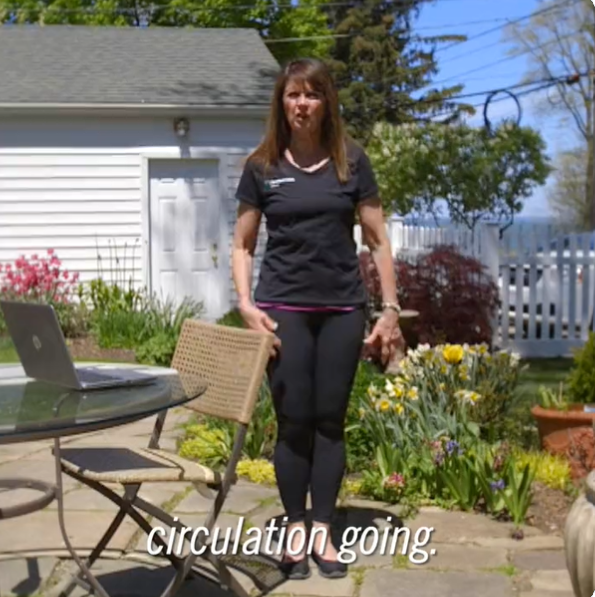
Judi Bar shares stretches you can do wherever you are @ClevelandClinic #yoga

Taking short breaks throughout the day is beneficial for your mental health.
Cleveland Clinic Yoga Program Manager, Judi Bar, shares stretches you can do wherever you are. #NationalYogaMonth pic.twitter.com/hIdb9GQkQO

— Cleveland Clinic (@ClevelandClinic) September 13, 2022
Posted on August 15, 2024

A delicious Greek appetizer with our healthier twist! @ClevelandClinic #spanakopitas

This savory Greek appetizer is usually made with a lot of butter and a lot of feta cheese, which is delicious, but not really heart-healthy. Our just-as-delicious recipe offers a lighter, heart-healthier alternative!

Ingredients

  • Olive oil cooking spray
  • 1 small onion, minced
  • One 10-ounce package frozen, chopped spinach
  • 1/3 cup crumbled reduced-fat feta cheese
  • 1/4 cup 1% cottage cheese
  • 1/8 teaspoon ground nutmeg
  • 1 1/2 tablespoons chopped fresh dill
  • Freshly ground pepper
  • 1 tablespoon egg substitute
  • 5 sheets frozen phyllo dough, thawed
  • Refrigerated butter-flavored cooking spray

Directions

  1. Preheat the oven to 350 F. Coat a baking sheet with olive oil cooking spray.
  2. Coat a large nonstick skillet with olive oil cooking spray. Add the onion and spinach; saute over medium-high heat until the spinach is thawed and the onion begins to wilt, 8 to 10 minutes. Stir frequently to break up clumps of spinach. Add the feta and cottage cheese along with the nutmeg, dill, pepper and egg substitute; mix well. Remove from heat and cool for 5 minutes.
  3. Cut the phyllo dough into four lengthwise strips, covering the dough you’re not using with a damp tea towel so it doesn’t dry out. Coat each strip with the butter-flavored spray. Place a tablespoon of spinach mix on top of a strip of dough and fold over to make a triangle; continue folding over as if folding a flag. Place on the prepared baking sheet. Repeat, using all the remaining phyllo and filling. Coat each triangle with the butter-flavored spray. Bake for about 20 minutes, until browned. Serve warm.

Nutrition information (per serving)

Makes 20 pieces (10 servings/2 pieces serving)

Calories: 50
Total fat: 1.5 g
Protein: 3 g
Carbohydrate: 7 g
Dietary fiber: 0 g
Cholesterol: 0 mg
Sodium: 180 mg
Potassium: 60 mg

— Cleveland Clinic Healthy Heart Lifestyle Guide and Cookbook (© 2007 Broadway Books).

Posts pagination

Previous page Page 1 … Page 25 Page 26 Page 27 … Page 51 Next page

Tags

  • Alcohol
  • Cleveland Clinic
  • Depression
  • diet
  • exercise
  • Female health
  • fitness
  • Harvard Health
  • Healthaware
  • heartaware
  • heart health
  • nutrition
  • physical activity
  • physiotherapy
  • yoga

Recent Posts

  • Greek yogurt is a protein powerhouse. @HarvardHealth #TipoftheDay
  • Milk really does do a body good. It’s high in calcium, vitamin D and potassium. And it’s also rich in a beneficial protein called casein! @ClevelandClinic
  • “Piglet?” said Pooh. “Yes Pooh?” said Piglet. “Do you ever have days when everything feels… Not Very Okay At All?
  • Running is great exercise. A dietitian talks about what runners should eat ― and when ― for optimal nutrition and performance. @HopkinsMedicine
  • Running is good for you  👍🙏  #BlackrockHealth
  • Physiotherapists allowed to refer patients for medical radiological procedures for the first time @RCSI_Irl
  • “Avoid Alcoholic Drinks” in the new European Code Against Cancer (5th edition) #alcohol Trauma
  • Our best balance boosters #physiotherapy😉 @HarvardHealth
  • 3 ways alcohol may be contributing to your back pain @ClevelandClinic
  • Take a fresh look at oatmeal – it’s not as simple as you think @American_Heart
  • Be Kind and Patient with New Mums 🩷@motherandbaby
  • Vitamin D is one of the most powerful nutrients for supporting the immune system @ClevelandClinic  🌞
  • Yes alcohol affects hormones in women by increasing estrogen and cortisol, and decreasing progesterone, Source: AI
  • Bananas nature’s perfect snack @ClevelandClinic #therapeutic
  • This fresh English Pea Pasta recipe is loaded with healthful pea protein and flavored with garlic, mint and grated Parmigiano Reggiano.@ClevelandClinic
  • Try our lighter carrot cake recipe.@clevelandclinic #homebaking
  • The best medicine for back pain may be good old-fashioned movement and exercise. @HarvardHealth
  • ‘Life is like riding a bicycle. To keep your balance, you must keep moving..@thecsp
  • Recipe: Perfect Chocolate Chia Pudding Sweet mix of coconut, cherries and chocolate @ClevelandClinic #foodaware #womenshealth
  • Cherry blossoms are the national flower of Japan, representing a time of renewal and optimism. @StPatricks #mentalhealth
Blog at WordPress.com.
  • Subscribe Subscribed
    • Healthaware
    • Join 1,722 other subscribers
    • Already have a WordPress.com account? Log in now.
    • Healthaware
    • Subscribe Subscribed
    • Sign up
    • Log in
    • Report this content
    • View site in Reader
    • Manage subscriptions
    • Collapse this bar
 

Loading Comments...